
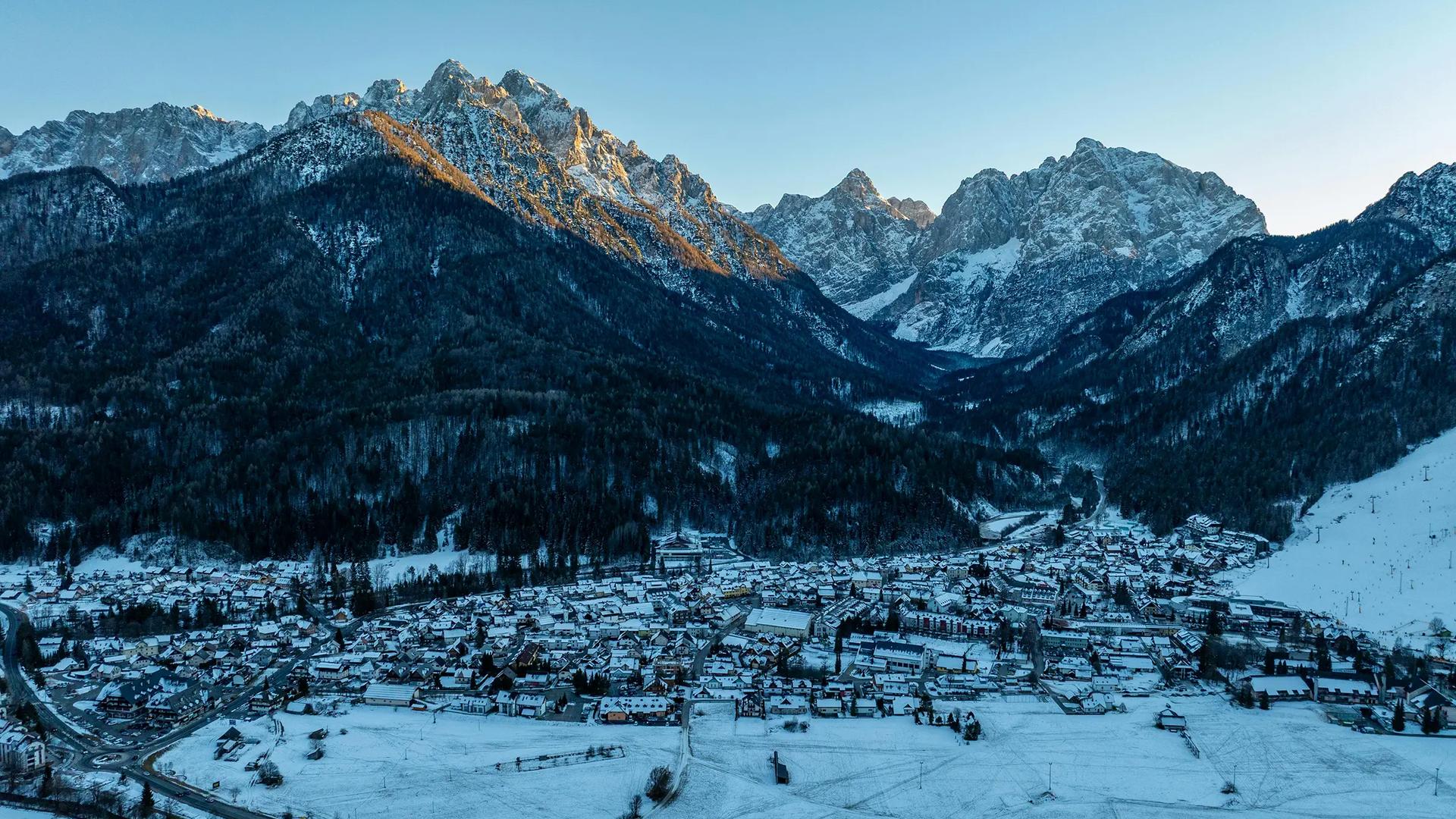
Kranjska Gora
Alpine resort at the junction of three countries – ski base in winter, Vršič Pass gateway in summer
Kranjska Gora. Overview
About the city
Kranjska Gora is a town of 1,500 residents in Slovenia's northwestern corner, near the Austrian and Italian borders. Sitting at 810 m elevation, surrounded by the Julian Alps, it's the country's premier ski resort in winter (ski resort hosts World Cup races) and a starting point for hiking, mountain biking, and driving over the Vršič Pass to the Soča Valley in summer. At the town's entrance stands Lake Jasna, one of Slovenia's most photographed spots. Restaurants, equipment rental shops, and all hotels are within walking distance.
There is no direct train. Buses from Ljubljana cost €9–11, take about 2 hours, with 5 departures daily (Arriva operator). Alternative: train to Jesenice (€8–10), then a local bus or taxi for the remaining 20 km. From the airport, GoOpti shuttle runs directly to your accommodation. By rental car from Ljubljana, it's one hour via the A2 motorway through Jesenice. A vignette is mandatory. In winter, snow chains or winter tires are required. Within Kranjska Gora itself, a car is unnecessary – everything is walkable.
Weather now · Kranjska Gora
—
RegionJulian Alps & Lakes
When to goMay – September
AirportLjubljana (LJU)59 kmLocal time—Slovenia
Kranjska Gora. What to see
Top sights
What you should not miss in the city and around it.
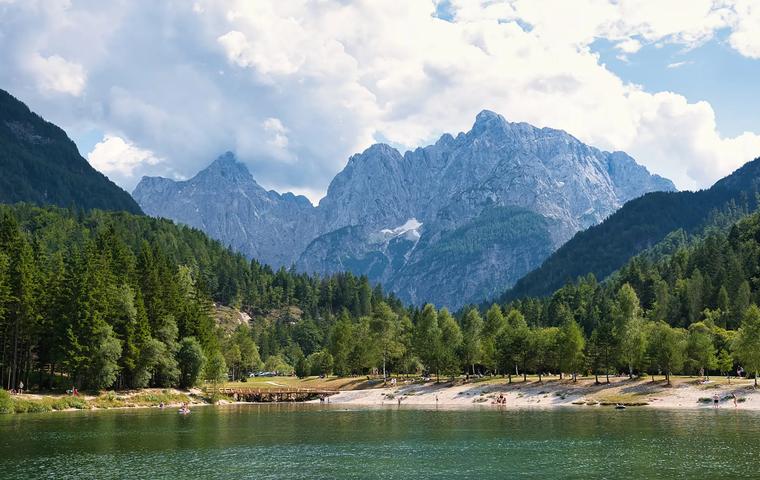
Lake Jasna
Artificial alpine lake at the foot of the Julian Alps – Kranjska Gora's most photographed spot
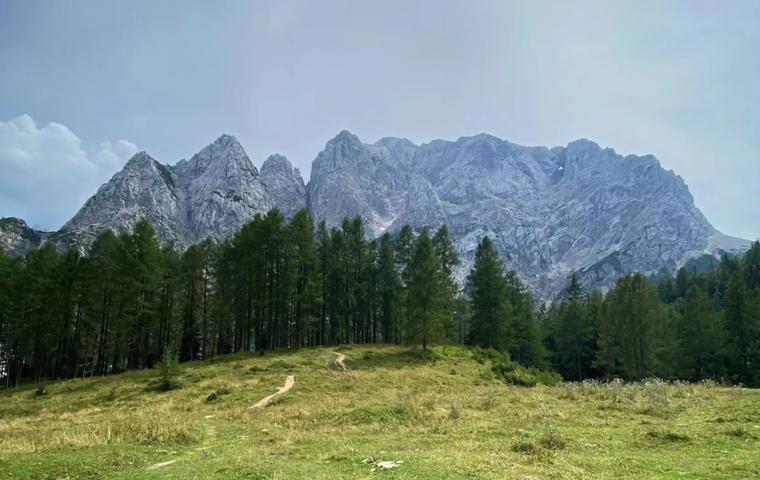
Vršič Pass
Slovenia's highest mountain pass (1,611 m) with 50 hairpin turns through the Julian Alps
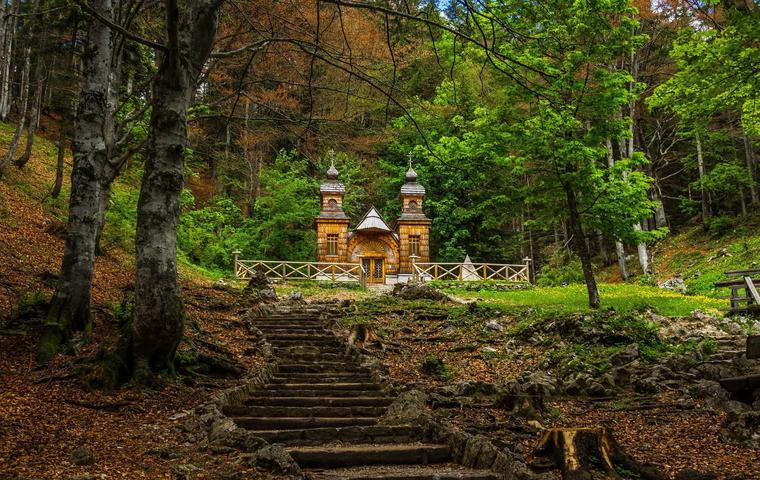
Russian Chapel on Vršič
Wooden Orthodox chapel built in 1916 – a memorial to Russian POWs who died building the pass road
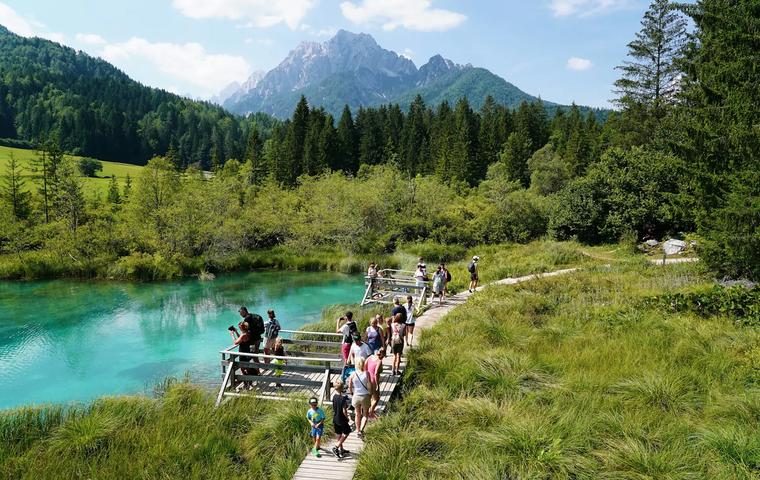
Zelenci Nature Reserve
Emerald source of the Sava River – a pristine spring lake at the crossroads of three countries
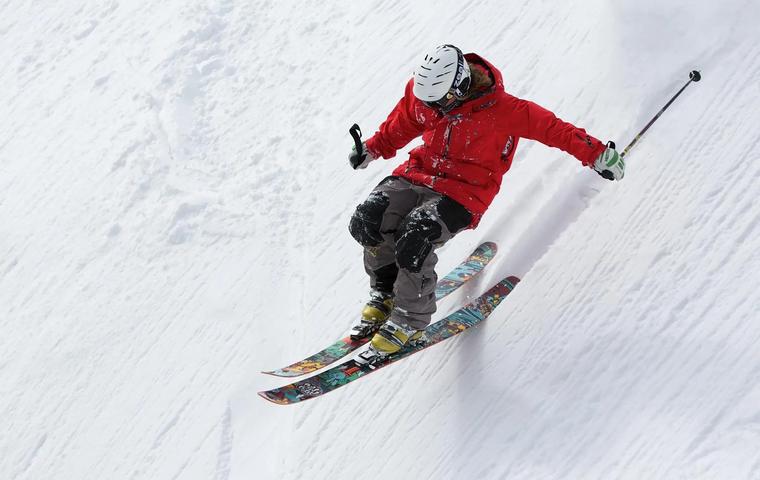
Kranjska Gora Ski Resort
Slovenia's oldest ski resort – a World Cup venue with 20 km of slopes on the slopes of Vitranc
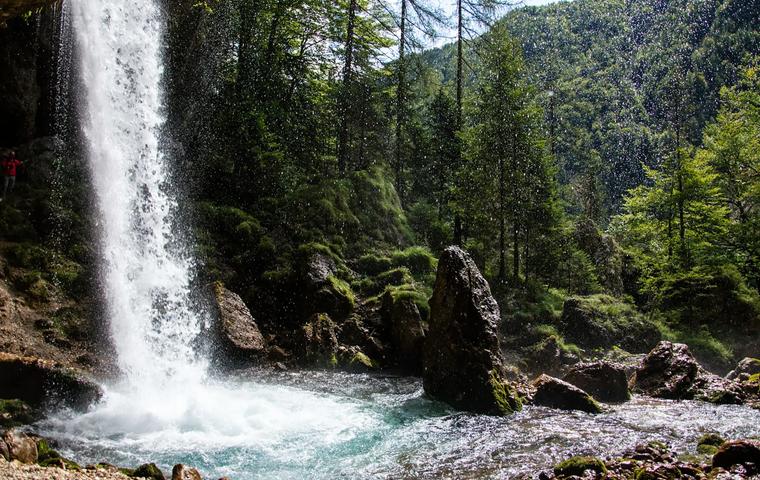
Peričnik Waterfall
A 52-meter double-drop waterfall in the Julian Alps – one of the few in Europe you can walk behind
Kranjska Gora. Map
On the map
Key sights and surroundings — to plan your walk and gauge distances.
Loading map…
Kranjska Gora. Services
Plan your trip
Everything you need — connectivity, transport, stay and tours.
Kranjska Gora. Questions & answersFAQ
Popular questions
Answers about seasonality, routes, neighbourhoods and basic trip planning.
Is it better to visit in winter or summer?+
Depends on your goal. Ski season runs December–March, with slopes suited for beginners to intermediate. Summer (June–September) brings hiking, the Vršič Pass, Peričnik Waterfall, and cycling. May and October are shoulder season: some facilities close, but prices are at their lowest.
How much does accommodation cost?+
In ski season, a 3-star hotel room starts at €70–100; book 2–3 months ahead. In summer, from €50–80. Apartments from €40. Weekends cost more. Places like Hotel Milka are in the upper tier.
How do I reach Vršič Pass without a car?+
In summer (July–September), a bus runs between Kranjska Gora and Bovec via the Vršič Pass – 2 departures daily, schedule varies. Seats are limited, so arrive early. Off-season, your options are hitchhiking, taxi, or renting a car.
What can I see in one day?+
Morning: Lake Jasna (10-minute walk from center). Then Zelenci Nature Reserve with turquoise springs (3 km away). Afternoon: Peričnik Waterfall in the Vrata Valley (transport needed; a free summer shuttle runs from Mojstrana). With a car, add the Russian Chapel and the Vršič Pass.
Do I need a car in Kranjska Gora?+
In the town itself, no – everything is on foot. But for trips to Vršič, the Vrata Valley, Bohinj, or Italy (Tarvisio – 20 min), a car is very useful. Public transport runs infrequently and seasonally. Car rental is the best option for exploring the region.
How much does skiing cost?+
A day ski pass at the Kranjska Gora resort costs around €35–45 for an adult. Full equipment rental runs €20–30 per day. The slopes are compact and family-friendly. Advanced skiers may find the vertical drop insufficient.
Where should I eat?+
The town has about a dozen restaurants. An average lunch costs €10–15. Restaurant Milka at the hotel of the same name is a member of Les Grandes Tables du Monde – fine dining, book ahead. For a budget option, try pizzerias and mountain huts serving štruklji (cottage cheese strudel).
Is it safe to drive over Vršič Pass?+
The road over Vršič has 50 hairpin turns, is narrow, and lacks guardrails in places. In summer, it's manageable with careful driving. In winter, the pass is often closed due to snow (typically November to May). Check road status at promet.si before setting out.
Kranjska Gora. Nearby
Nearby cities
Towns nearby — easy to add to your route for a day trip.
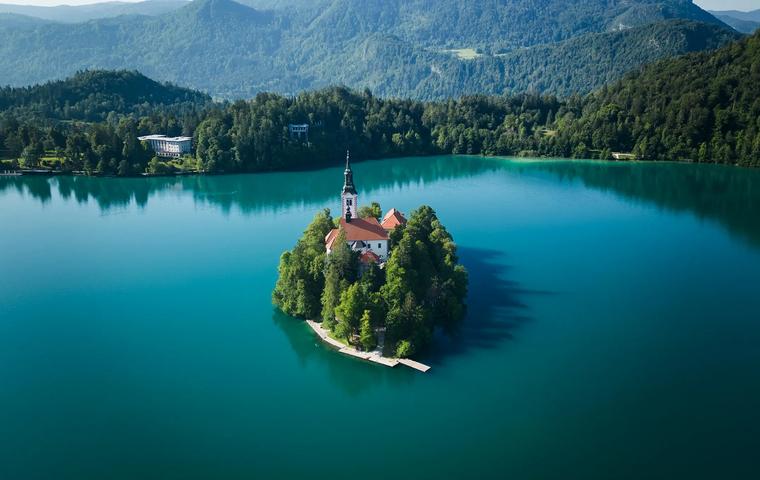
39 km
Bled
Mountain resort on an alpine lake – gateway to the Julian Alps and Triglav National Park
69 km
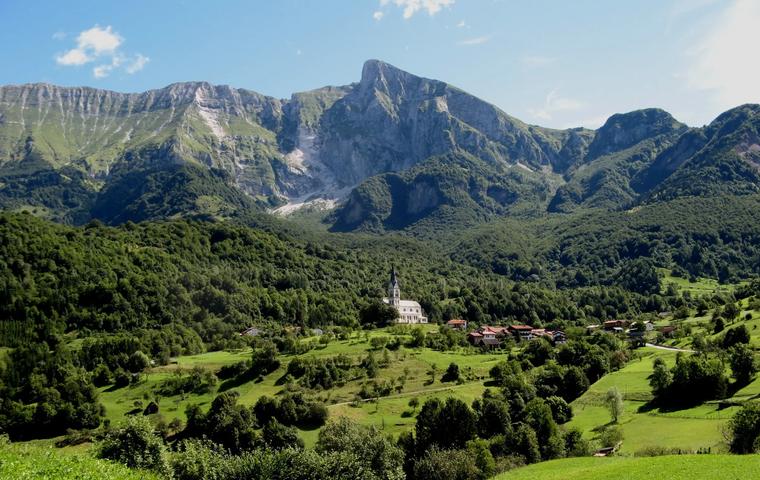
Kobarid
Outdoor adventure base in the Soča Valley and the gastronomic capital of the Slovenian Alps
89 km
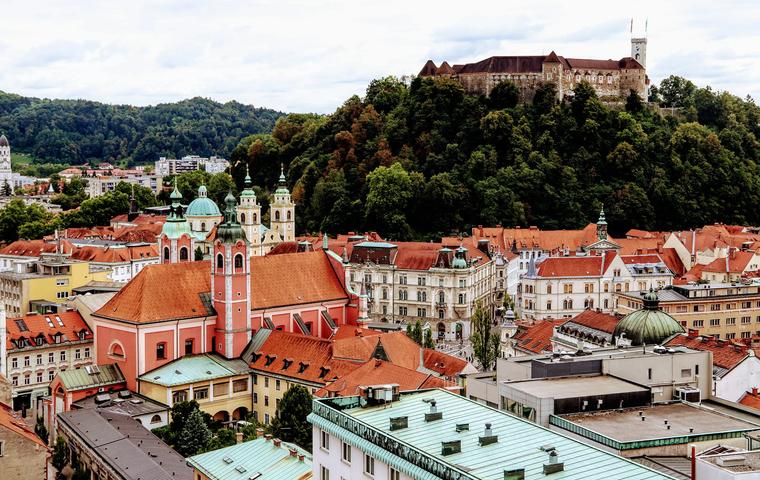
Ljubljana
Slovenia's capital and main transport hub – compact, pedestrian-friendly, with a baroque center along the Ljubljanica river
129 km
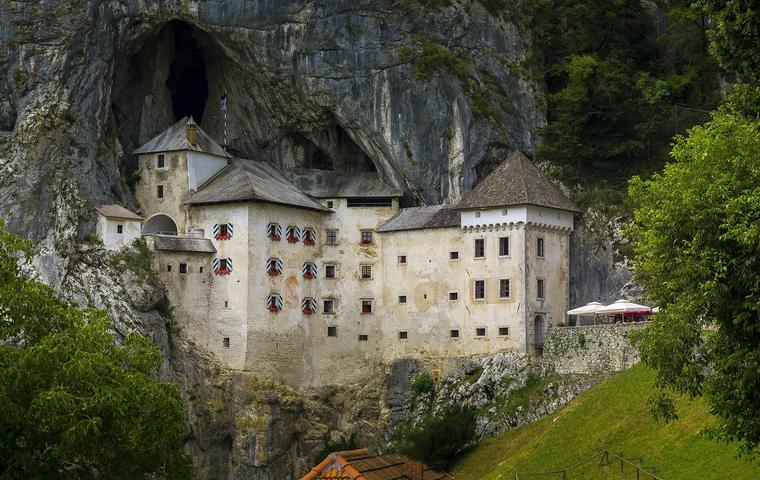
Postojna
A transit stop for two of Slovenia's top attractions – the cave and the castle in the cliff
198 km
Portorož
Slovenia's main seaside resort: thermal spas, Adriatic beaches, and Sečovlje salt pans
201 km
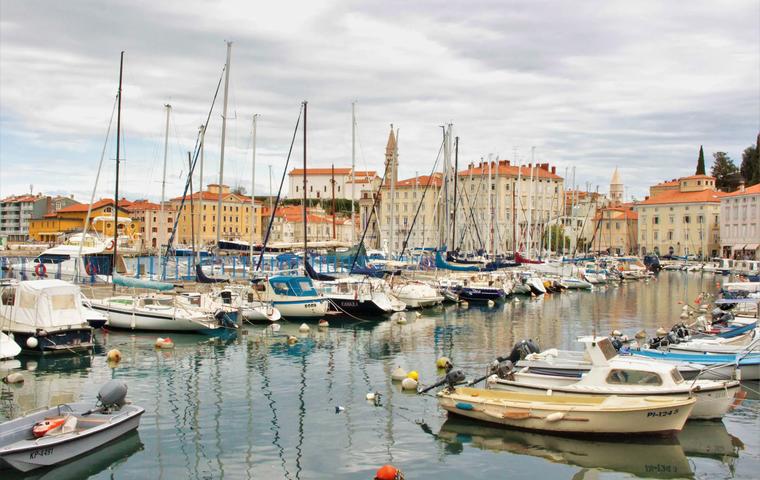
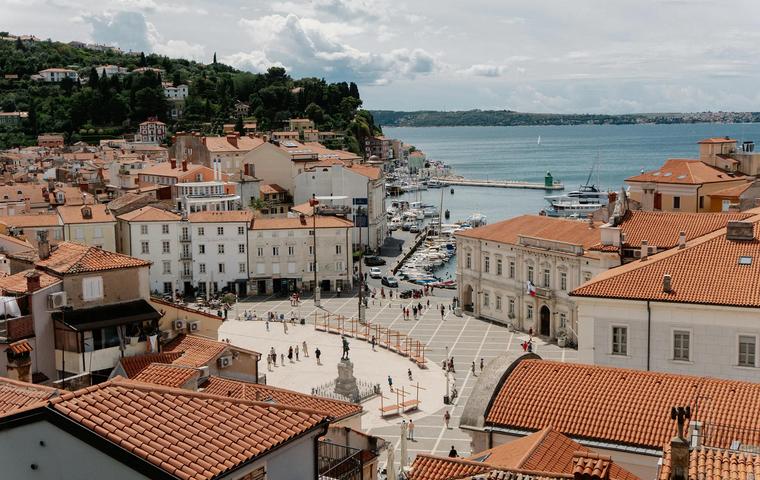
Piran
A Venetian town on Slovenia's Adriatic coast – compact, walkable, without beach chaos
223 km
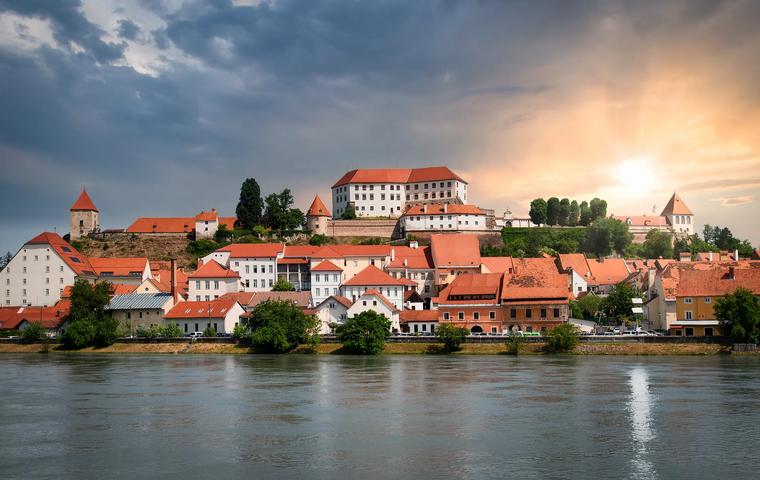
Ptuj
Slovenia's oldest town: Roman roots, Kurentovanje carnival, and wine cellars
224 km
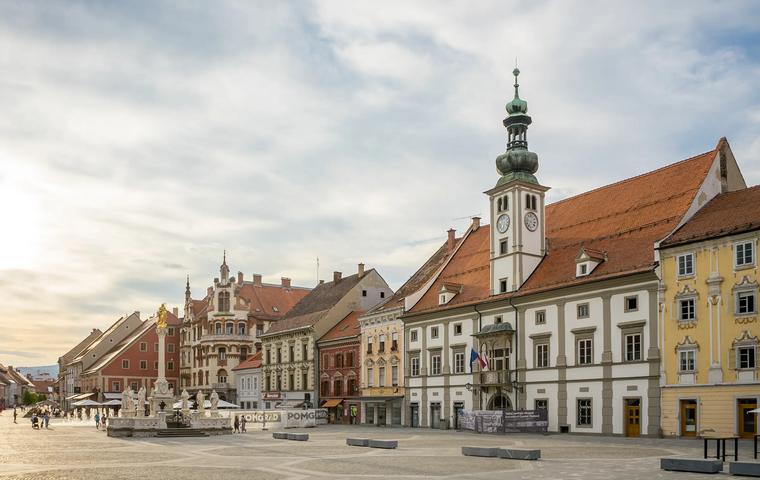
Maribor
Slovenia's second city, the wine capital of Styria, and gateway to Pohorje mountains
Plan your trip in minutes