Blog · Tours
Wine Tours in Albania: Indigenous Grapes, Family Wineries & What It Actually Costs
 Tours
ToursIn this article
- 01Four Wine Regions Worth Knowing
- 02What to Taste: Indigenous Grape Guide
- 03Practicalities: How to Organise a Wine Tour
- 04Raki – Albania's Other National Drink
- 05Food Pairing, Albanian Style
- 06When to Go
- 07Practical Tips
- 08Frequently Asked Questions
Some links are affiliate links. You pay the same, and we may earn a commission.
Albania has been making wine for 3,000 years, yet remains invisible on most wine tourism maps. Tastings from €14, grapes you've never heard of, and zero pretension.
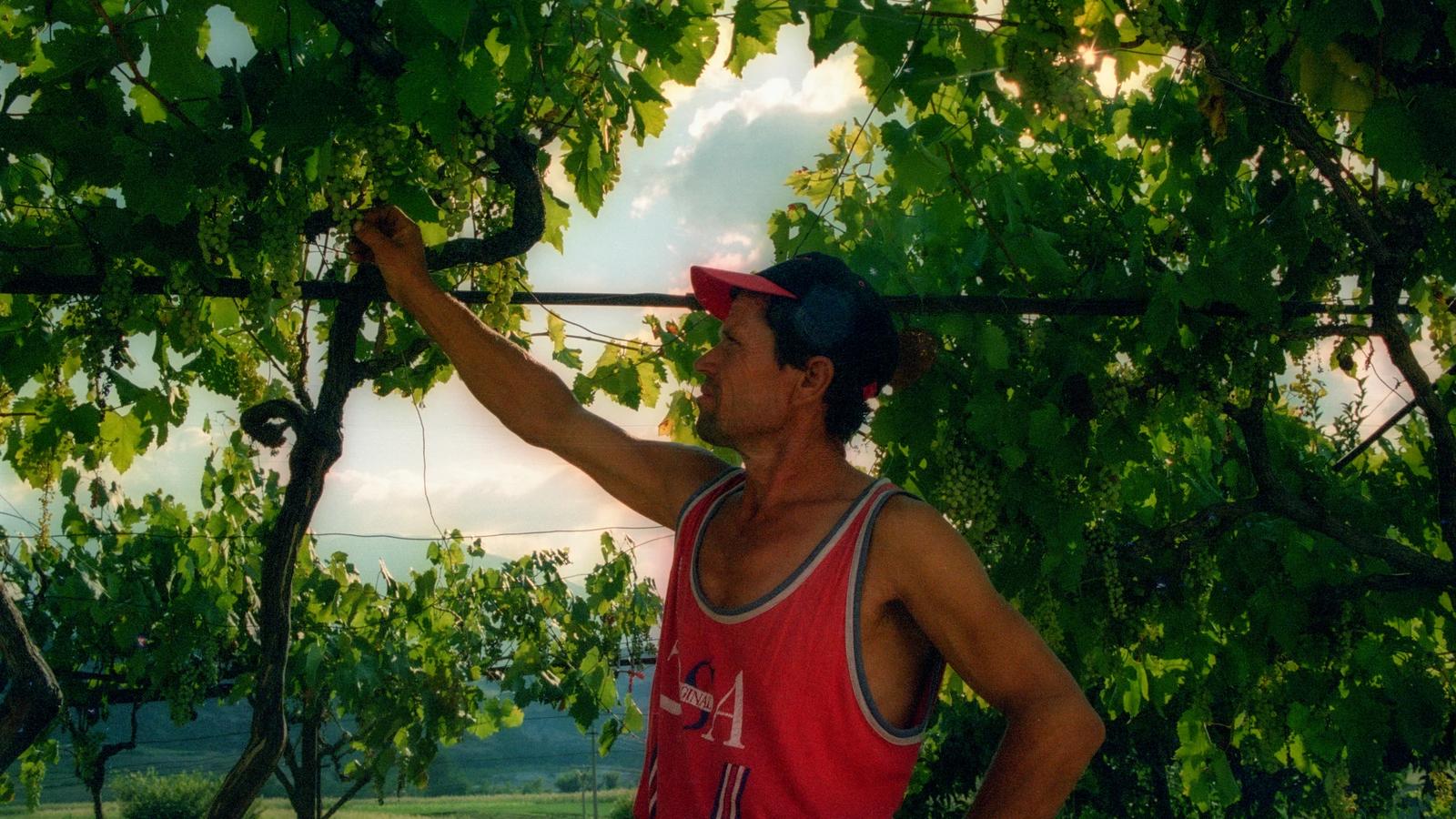
Albania is one of Europe's oldest wine-producing countries – over 3,000 years of continuous viticulture – yet it barely registers on the international wine tourism radar. That gap between history and recognition is exactly what makes it interesting: family-run wineries charge a fraction of what you'd pay in Tuscany or Provence, indigenous grape varieties like Shesh, Kallmet, and Puls exist virtually nowhere else, and the tasting experience feels personal rather than performative.
Key Facts
- 4 distinct wine regions – from Adriatic coastline to mountain terraces at 800 m elevation
- Indigenous varieties – Shesh i Zi, Shesh i Bardhë, Kallmet, Puls, Vlosh, Debinë – rare outside the Balkans
- Tasting with snacks – from €14 per person (wine, raki, cheese, olives, bread)
- Bottle of mid-range local wine – from €9 in shops
- Harvest season – September – October, the best time for winery visits
- Getting there – fly into Tirana (TIA) or travel overland from Montenegro or Greece. Check visa requirements for your nationality before booking
Four Wine Regions Worth Knowing
Albania doesn't have formal appellations yet, but winemaking clusters in four distinct zones, each with its own terroir and character.
Berat & the South – Albania's Wine Heartland
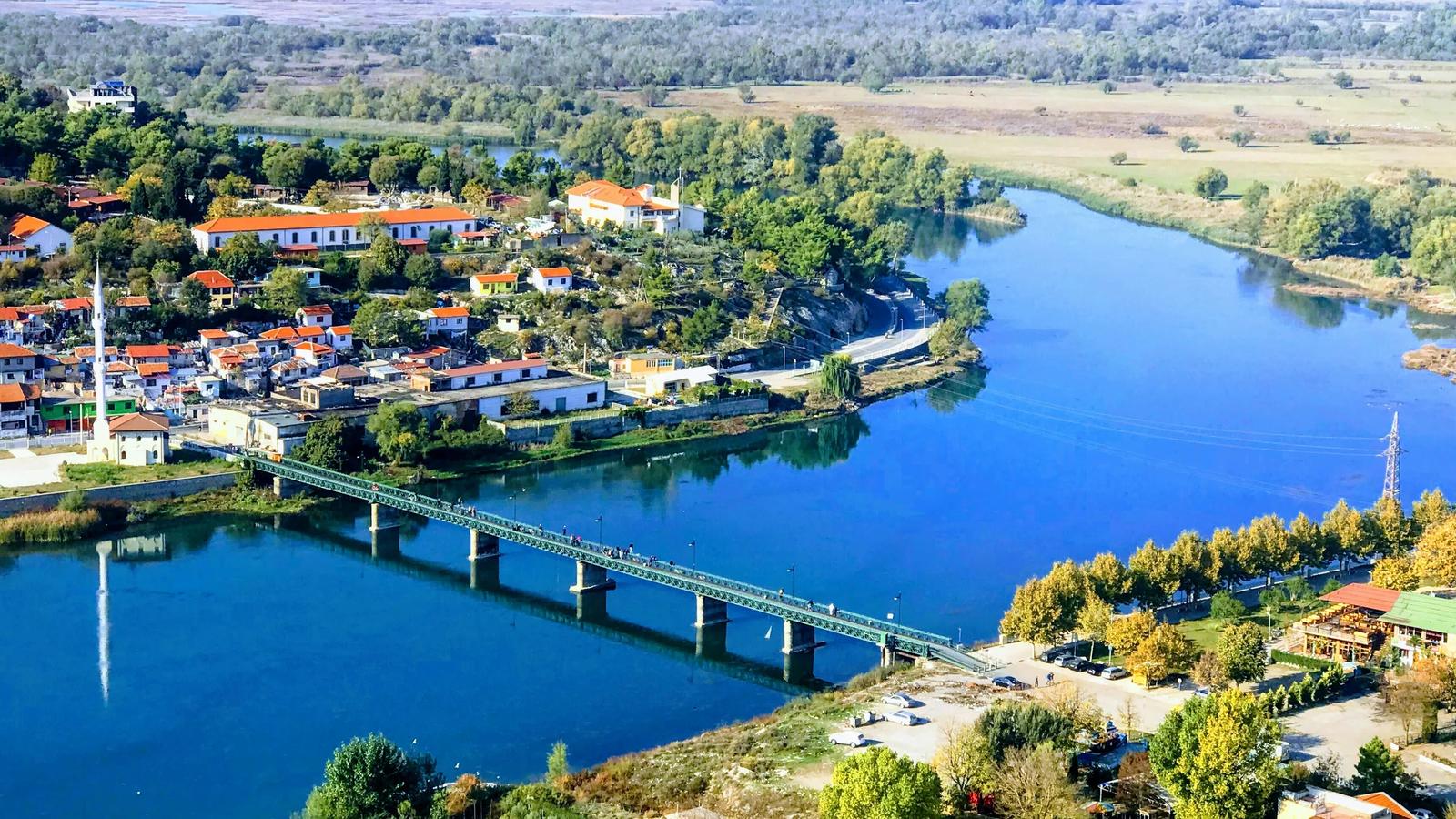
Berat is a UNESCO World Heritage city and the undisputed capital of Albanian wine. The most prominent wineries sit within a 30-minute drive: Kantina Çobo at the foot of Mount Tomorr, Alpeta Agrotourism in the village of Roshnik, Kantina Nurellari, and the newer Kantina Edoni. The terroir combines limestone soils with a Mediterranean climate – hot summers, cool nights. Key grapes include Puls (used for traditional-method sparkling wine), Shesh i Zi, Shesh i Bardhë, and Vlosh.
A tasting at Kantina Çobo typically includes 4–6 wines and raki paired with house-cured olives, local cheese, and bread for about €14 per person. Their sparkling Shëndeverë, bottle-aged for 48 months from the indigenous Puls grape, is the flagship – expect to pay around €35–40 per bottle. Visits can range from a quick 30-minute tour to a leisurely 2–3 hour experience depending on the season and group size.
Tip: Çobo lists prices in euros, not Albanian lek. If paying cash in local currency, confirm the exchange rate upfront – some visitors report unfavourable conversions.
Tirana & the Central Region – Shesh Country
The area surrounding Tirana is the heartland of the Shesh grape, which accounts for roughly 35% of Albania's total harvest. Shesh i Zi (black) and Shesh i Bardhë (white) are the backbone of most Albanian table wines. Genetic studies have identified Shesh i Zi as an ancestor of Cabernet Sauvignon – a fact local winemakers are understandably proud of.
Key stops: Kantina Kokomani (between Tirana and Durres), producing three Shesh lines – red, white, and the Shën Mhill blend; and Uka Farm, a restaurant-winery on the outskirts of the capital with organic produce and a standout white called Ceruja.
Lezhë & Shkodër – Kallmet Territory
The northern region around the town of Lezhë and Shkoder lake is home to Kallmet (known as Kadarka in Hungary). Alluvial soils, dry climate, and Adriatic winds provide ideal conditions for this thin-skinned, finicky variety.
Kantina Kallmeti in the eponymous village is the primary producer: a classic red, barrel-aged Prestigj, and an amarone-style Privilegj made from dried grapes. A bottle of Kallmet Prestige retails for around €55–60 – serious money for Albanian wine, and serious quality to match. Kantina Arbëri in the Mirdita district is another essential stop, known for its award-winning Kallmet Riserva.
Nearby, the village of Fishta hosts Mrizi i Zanave – arguably Albania's most celebrated farm-to-table restaurant. The chef works with produce from the property's own garden and local farmers. Order a bottle of Kallmet Prestige with lunch.
Vlora & the Ionian Coast – Coastal Terroir
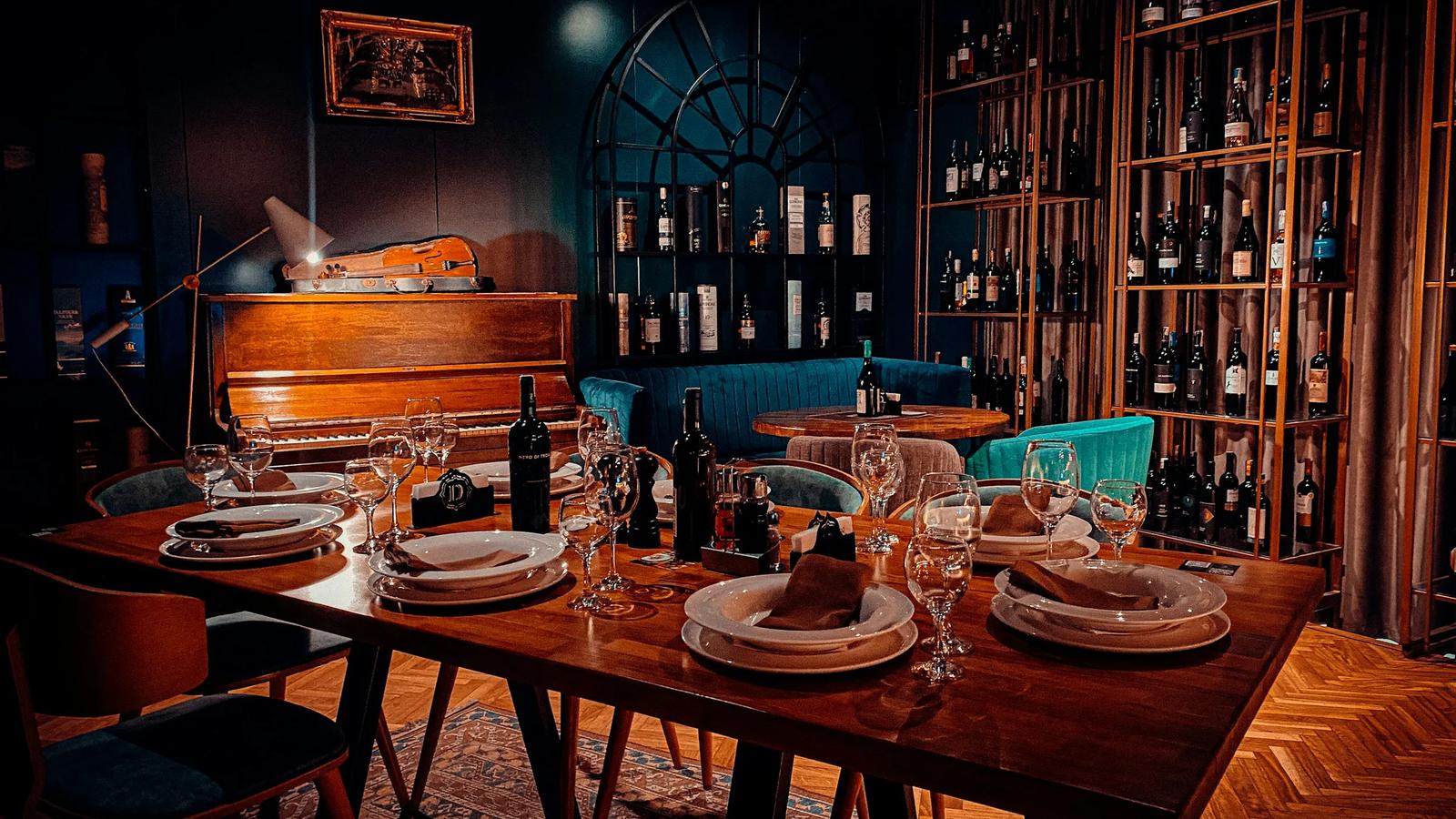
The southern coastal region around Vlora extending toward Saranda features hillside vineyards facing the Ionian Sea. The wines here lean lighter and more Mediterranean in style. The region is less developed for enotourism, but it's where Debinë grows – an indigenous coastal variety adapted to salty sea winds.
What to Taste: Indigenous Grape Guide
| Grape | Colour | Region | Wine Profile | Closest Comparison |
|---|---|---|---|---|
Shesh i Zi | Red | Central (Tirana, Elbasan) | Full-bodied, tannic, dark berry notes | Young Cabernet, less oak |
Shesh i Bardhë | White | Central | Crisp acidity, citrus, white flowers | Light Vermentino |
Kallmet | Red | North (Lezhë, Shkodër) | Dry, full-bodied, structured | Kadarka / Amarone (Privilegj) |
Puls | White | Berat | Base for traditional-method sparkling | Albanian answer to Champagne |
Vlosh | White | Berat | Delicate, floral | Unique – no real comparison |
Debinë | White/Red | Coast (Himara) | Refreshing, mineral | Ligurian coastal whites |
Practicalities: How to Organise a Wine Tour
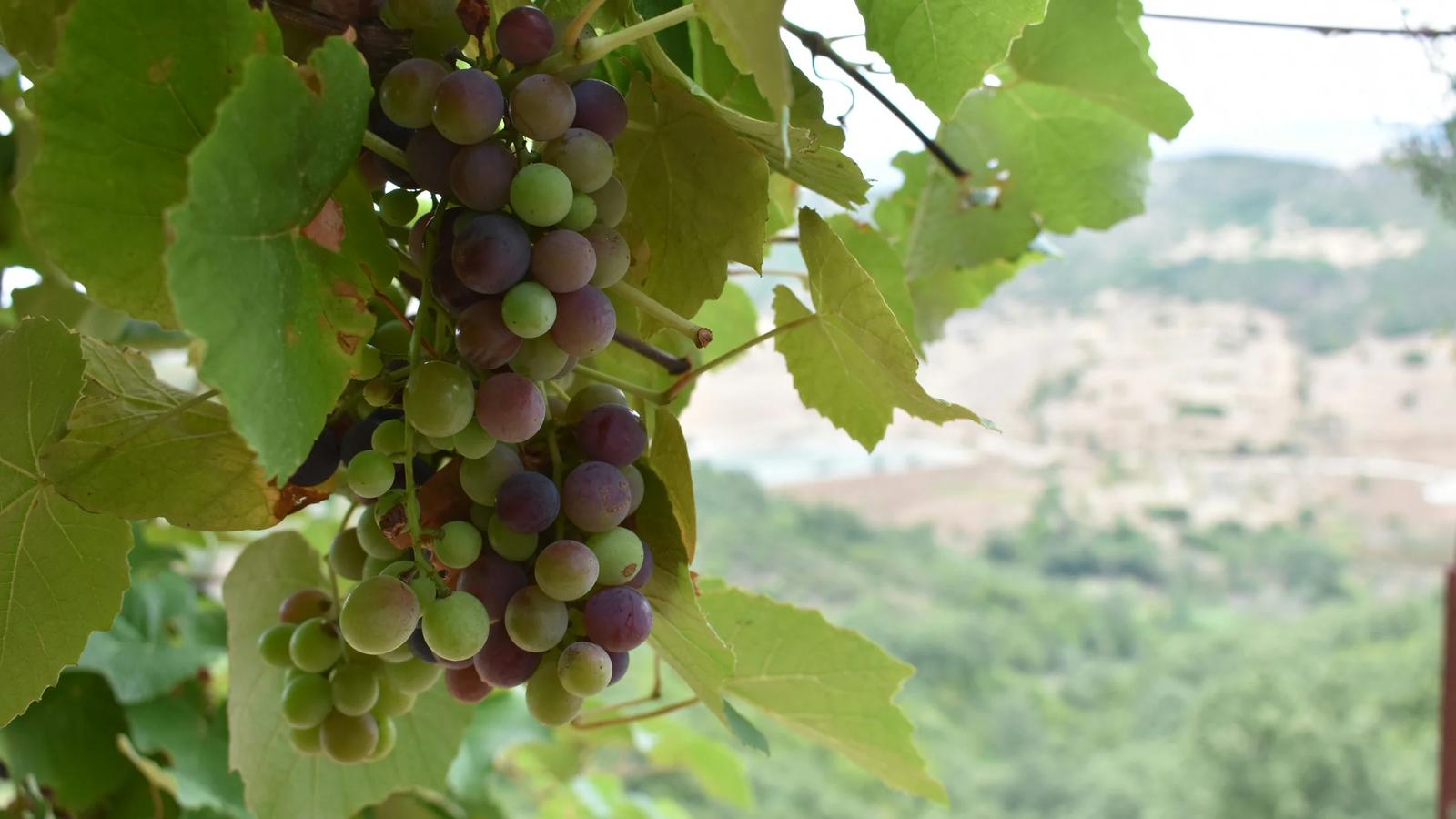
Self-Drive
The most flexible and affordable approach. Car rental through Localrent starts from €25–30 per day. All major wineries are accessible from main roads: Çobo is 25 minutes from Berat centre, Kokomani sits between Tirana and Durres, Kallmeti is 11 km from Lezhë.
Important: tastings are generous. If you're driving, plan your designated driver in advance. Albanian mountain roads are narrow and winding.
For more on driving in Albania, see Car Rental in Albania: Agencies, Insurance, Roads & Hidden Pitfalls.
Organised Tours
For those without a car, day tours run from Tirana and Berat. A typical format covers 1–2 wineries with transport and sometimes lunch included.
From Tirana, the Durrës Countryside Vineyard Experience with Wine & Food Pairing (from $107 per person) combines vineyard visits near Durres with a structured food-and-wine pairing and hotel transfers.
For culinary context beyond the vineyard, Traditional Albanian Cooking Class in Tirana with Raki Tasting (from $53 per person, 4 hours) includes a guided raki tasting – Albania's signature grape brandy.
If you'd rather eat your way through the capital, the Best of Local Food & City Tour of Tirana – Food & Drinks Included (from $72 per person) covers local food, wine, and city highlights in one package.
Cost Comparison by Format
| Format | Cost | Includes | Best For |
|---|---|---|---|
Self-guided winery visit | €14–25 / person | 4–6 wines, snacks, tour | Drivers, budget-minded |
Day tour from Tirana (group) | €49–110 / person | Transport, tastings, sometimes lunch | No car, want convenience |
Multi-day wine tour (agency) | From €300 / person for 2–3 days | Multiple wineries, accommodation, meals | Enthusiasts, couples |
(Updated: March 2026)
Raki – Albania's Other National Drink
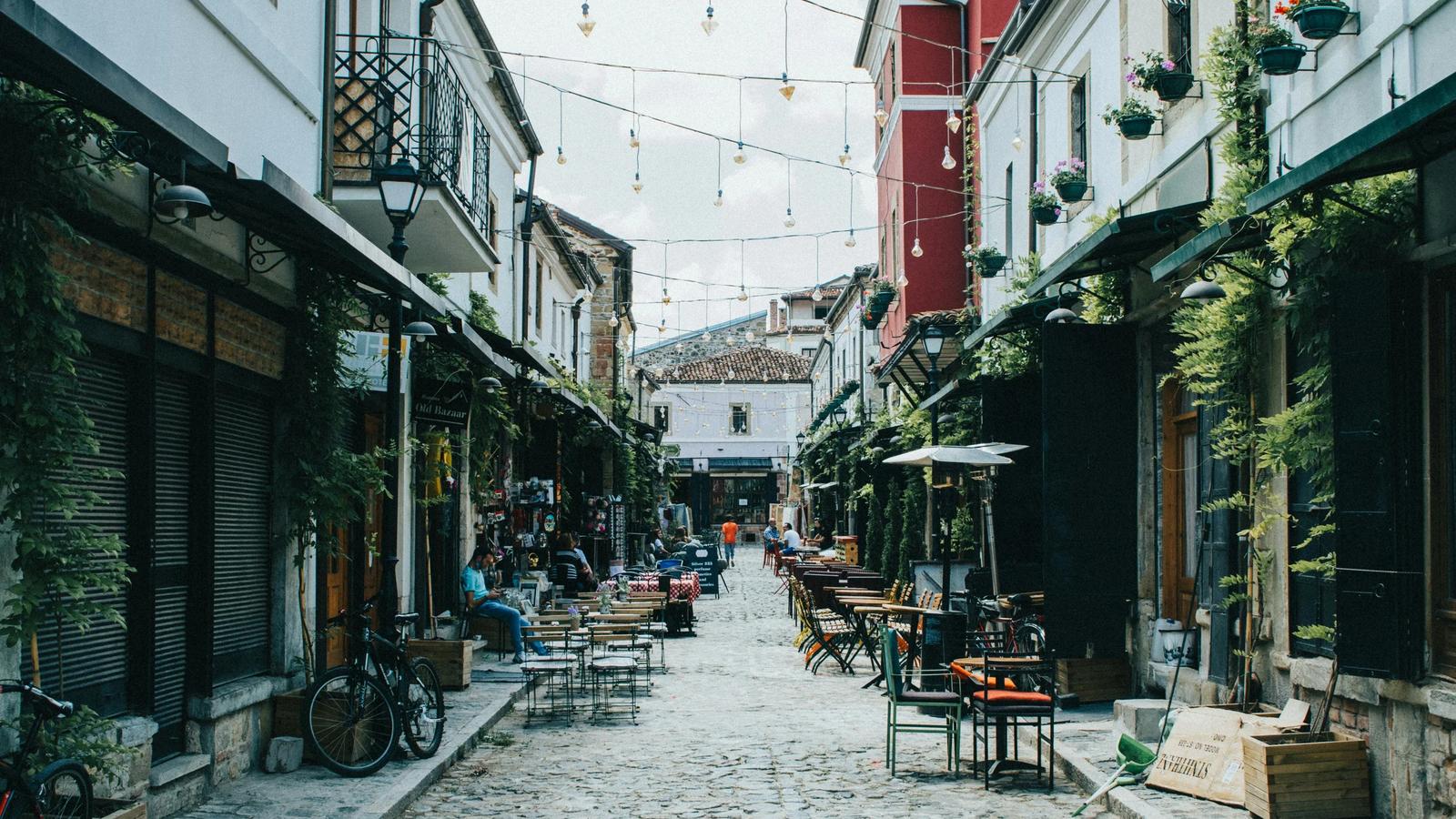
No Albanian winery visit is complete without raki – a grape brandy consumed before, during, and after meals. Unlike Turkish rakı, Albanian raki isn't anise-flavoured; it's a clean fruit distillate at 40–50% ABV. Every family has its own recipe, and many wineries offer barrique-aged raki with a mellow caramel finish.
A bottle of quality raki at a winery costs €8–15. Basic versions in supermarkets start from €3–5.
Food Pairing, Albanian Style
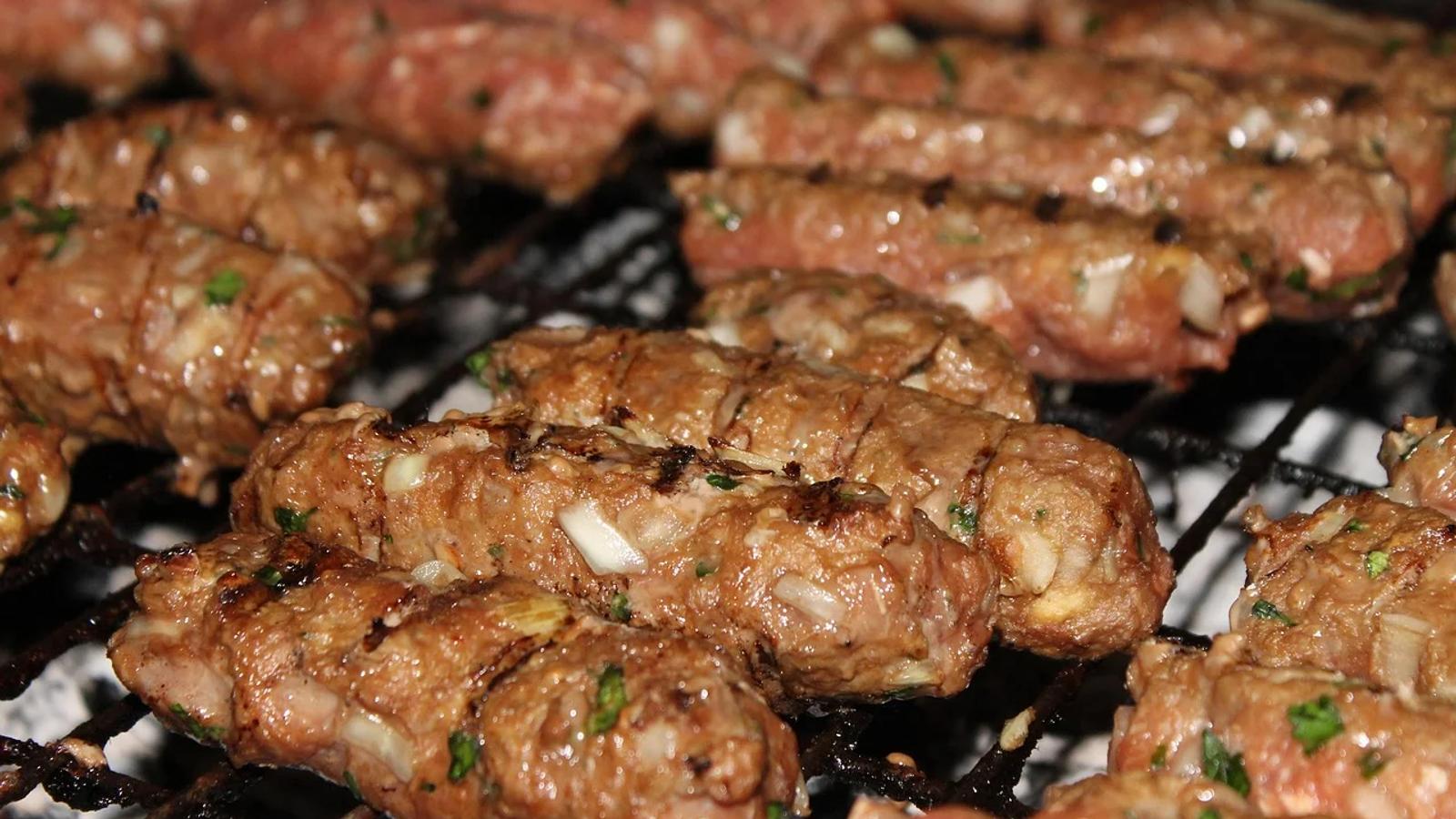
Albanian cuisine is a natural companion to local wines:
- Djathë (cheese) – soft and hard varieties from cow and sheep milk. Pair with Shesh i Bardhë
- Berat olives – large, buttery. With Shesh i Zi
- Byrek – layered pastry with cheese or spinach. With rosé or light red
- Tavë kosi – lamb baked in yoghurt. With aged Kallmet
- Jufka – handmade pasta with mushrooms and fermented cream (northern speciality). With Kallmet Prestige
A meal at a tourist-area restaurant in Berat or Tirana runs €12–15 per person; local spots outside the centre are roughly 30% cheaper.
When to Go
Best time for wine touring is September – October: harvest season, winery festivals (Çobo hosts a Harvest Festival in September), warm weather without summer heat. April works for those who want to see vines in bloom – Çobo runs a Celebration of Early Leaves event.
In winter (November – March), most wineries operate by appointment only. Don't show up unannounced and expect a full programme.
Practical Tips
- Book ahead. Even major wineries like Çobo are family operations. Sending an Instagram message or email a few days in advance is essential
- Carry cash in lek. Not all wineries accept cards, and euro-to-lek conversions on the spot can be unfavourable
- Combine wisely. Berat wineries pair naturally with a visit to Old Town of Berat and Berat Castle – the city's UNESCO highlights
- Buy wine at the source. Airport selection is minimal, Tirana supermarkets are limited. Winery prices match or beat retail
For a full budget breakdown, see How Much Does a Trip to Albania Cost – Budget for 7, 10, and 14 Days.
Frequently Asked Questions
1. Can I visit Albanian wineries without a car? Yes. Group tours from Tirana cost $49–110 per person with transport included. Alternatively, a taxi from Berat to Kantina Çobo costs around €10–15 one way – just arrange for the driver to wait.
2. How much does a wine tasting cost in Albania? From €14 to €25 per person. This typically includes 4–6 wines, raki, and snacks – olives, local cheese, bread with olive oil. That's several times cheaper than comparable experiences in Tuscany or Provence.
3. Which Albanian wine should I bring home? Kallmet Prestige from Kantina Kallmeti (€55–60/bottle) is the premium red. Shëndeverë from Çobo is traditional-method sparkling (€35–40). Ceruja from Uka Farm is an unusual white. For a solid mid-range gift, Shesh i Zi from Kokomani runs €10–15.
4. What's the best month for a wine tour in Albania? September – October for harvest festivals and ideal weather (22–26 °C). April – May for a quiet visit without crowds. Summer (July – August) is hot at the vineyards but they're open, and you can combine with beach time along the coast.
5. Is Albania safe for solo wine touring? Yes. Albania is generally safe for travellers, and winery areas around Berat and the Tirana–Durrës corridor are well-trafficked. Roads in the northern Lezhë region are in good condition. Standard travel precautions apply – keep valuables secured and don't drive after tastings.
Conclusion
Albania offers wine tourism stripped of pretension but loaded with substance. There are no tasting rooms with panoramic glass walls or sommeliers in bow ties. What you get instead are multi-generational family stories, grape varieties that exist nowhere else on earth, and prices that let you taste everything without budgeting for it. The smartest route: rent a car, start in Berat, work north through the central region, and finish in Lezhë. Three to four days covers the highlights – and gives you Albania in a glass.
Sources:
- Ministry of Foreign Affairs of Albania – visa regime
- Kantina Çobo – official winery website
- Kantina Kallmeti – history and products
- Albania e-Visa portal
- Vinerra – Albania wine country profile
Places to see in Albania
You may also like
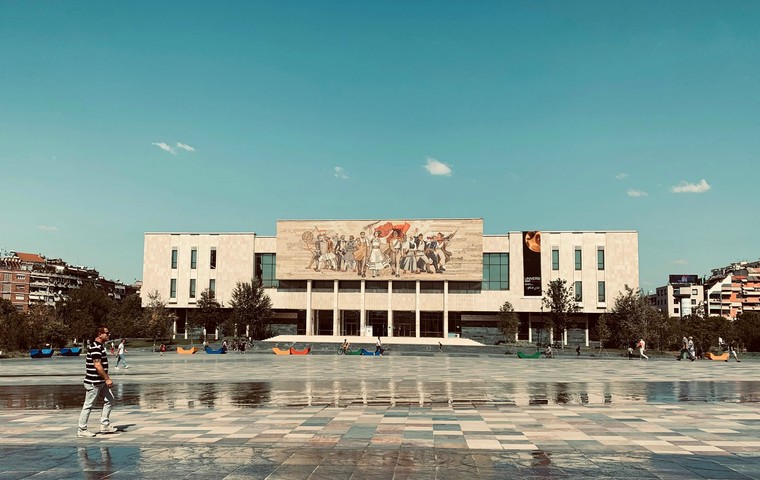
Best Day Trips from Tirana – 8 Routes with Prices & Honest Tips
Tirana is Albania's best launch pad: UNESCO Berat from $12, Kruja Castle from $24, Gamti Mountain hikes from $12. Real prices, travel times, and what they don't tell you.
March 25, 2026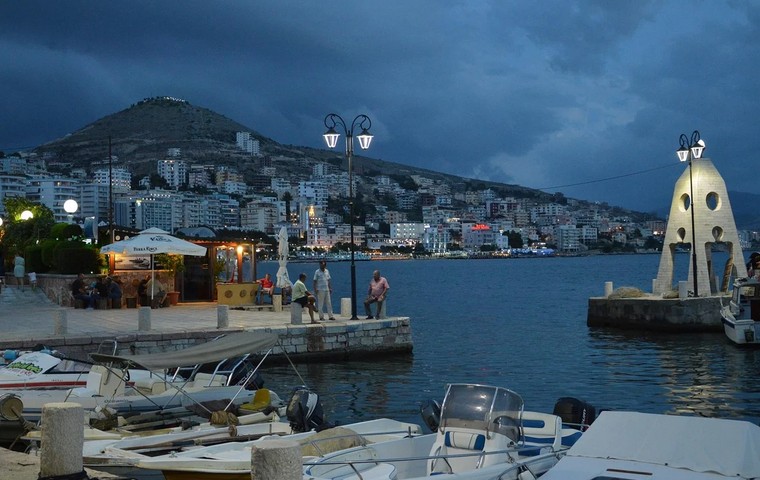
Day Trips from Saranda: 5 Honest Tour Picks (and Where Combo Tours Lie)
Butrint, Blue Eye, Ksamil and Gjirokastra in one day – with real prices, drive times and which combo tours are worth it. Includes ferry to Corfu logistics.
April 26, 2026
Localrent Albania: How to Find a No-Deposit Car and Check Insurance
"No deposit" does not guarantee full insurance. Follow a real €247.38 quote to the payment boundary and see what to verify first.
July 16, 2026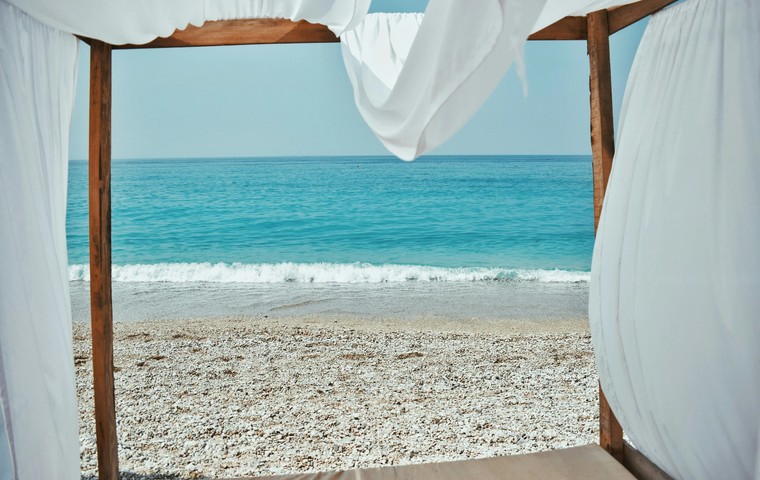
Beachfront Hotels in Albania: Best Picks by Resort with 2026 Prices
From Ksamil to Durres – specific hotels with their own sunbeds on the beach, real prices, and the weak spots nobody mentions.
April 24, 2026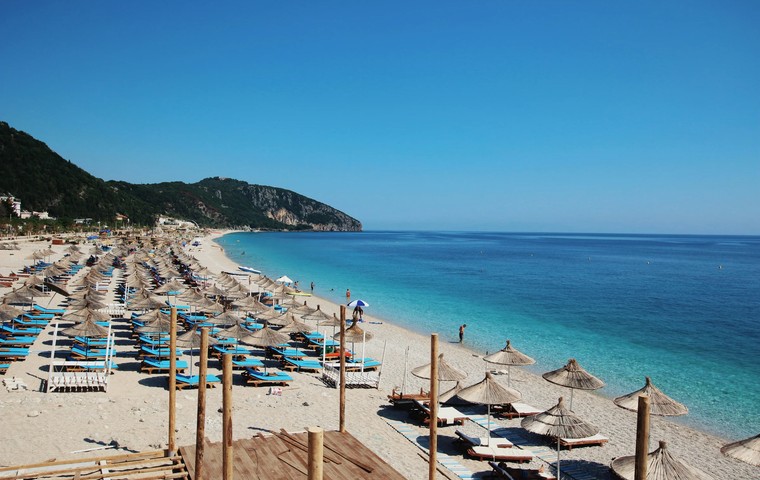
Albania in August: 32°C, Peak Crowds & Where to Find a Quiet Beach
August brings 10 hours of sun a day and 25°C sea – but Riviera accommodation costs 40–60% more than May. An honest look at whether peak season is worth it, plus the uncrowded coves right next to packed Ksamil.
July 12, 2026
VPN in Albania 2026: TikTok's Back, But Hotel WiFi Is Still a Trap
Albania lifted the TikTok ban in February 2026 – but VPN still matters. Real reasons: hotel WiFi sniffing, streaming geo-blocks, and why free VPNs cost more than $3/month ones.
April 26, 2026