Blog · Tips
What Language Do They Speak in Montenegro? Phrases & Pronunciation
 Tips
TipsIn this article
Some links are affiliate links. You pay the same, and we may earn a commission.
Montenegrin is the official language, and Russian or English will get you by along the coast. How it differs from Serbian, which alphabet you will actually see, plus the phrases that cover most situations.
Montenegrin is closely related to Serbian, Croatian, and Bosnian – so similar, in fact, that speakers of all four understand each other without difficulty. For travelers, this means a phrasebook for one works across most of the Western Balkans. Below is a compact guide covering 90% of everyday situations: ordering coffee, catching a bus, asking for directions.
Key facts:
- Official language – Montenegrin (crnogorski), written in both Latin and Cyrillic alphabets. In coastal areas, Latin script dominates.
- English is widely spoken in tourist centers like Budva, Kotor, Tivat, and Podgorica, but don't count on it in rural or mountain areas.
- Pronunciation is phonetic – words are read exactly as written, with no silent letters. Stress usually falls on the first syllable.
- Special characters: Č (ch as in "chip"), Ć (softer, like "t" in "stew"), Š (sh), Ž (zh as in "measure"), Đ (soft "j" as in "juice").
- "Samo polako" – the unofficial national motto, meaning "take it easy." If you learn one phrase, make it this one.
Greetings and Politeness
Montenegrins genuinely appreciate visitors who attempt their language. Even a simple "zdravo" instead of "hello" changes how locals interact with you.
| English | Montenegrin | Pronunciation |
|---|---|---|
Hi / Bye (informal) | Ćao | CHOW |
Hello | Zdravo | ZDRAH-voh |
Good morning | Dobro jutro | DOH-broh YOO-troh |
Good afternoon | Dobar dan | DOH-bar dahn |
Good evening | Dobro veče | DOH-broh VEH-cheh |
Good night | Laku noć | LAH-koo noch |
Goodbye | Doviđenja | doh-vee-JEN-ya |
Please | Molim | MOH-leem |
Thank you | Hvala | HVAH-lah |
Thank you very much | Hvala lijepo | HVAH-lah lee-YEH-poh |
You're welcome | Nema na čemu | NEH-mah nah CHEH-moo |
Excuse me | Izvinite | eez-vee-NEE-teh |
Yes / No | Da / Ne | dah / neh |
Good / OK | Dobro | DOH-broh |
"Prijatno" (pree-YAT-noh) works like "have a nice day." You'll hear it when leaving a shop, finishing a transaction, or when your waiter delivers your meal (meaning "enjoy").
Essential Conversation Phrases
| English | Montenegrin | Pronunciation |
|---|---|---|
How are you? | Kako ste? | KAH-koh steh? |
Fine, thank you | Dobro, hvala | DOH-broh HVAH-lah |
My name is... | Ja se zovem... | yah seh ZOH-vem... |
I don't understand | Ne razumijem | neh rah-ZOO-mee-yem |
Do you speak English? | Da li pričate engleski? | dah lee PREE-chah-teh en-GLES-kee? |
I'm learning slowly | Učim polako | OO-cheem POH-lah-koh |
Where is...? | Gdje je...? | GDYEH yeh...? |
How much does it cost? | Koliko košta? | KOH-lee-koh KOSH-tah? |
Help! | Pomoć! | POH-moch! |
The phrase "Učim polako" (I'm learning slowly) is a social shortcut. Even if you're not actually learning the language, saying this will earn you patience and warmth from locals – especially older Montenegrins.
At Restaurants and Cafés
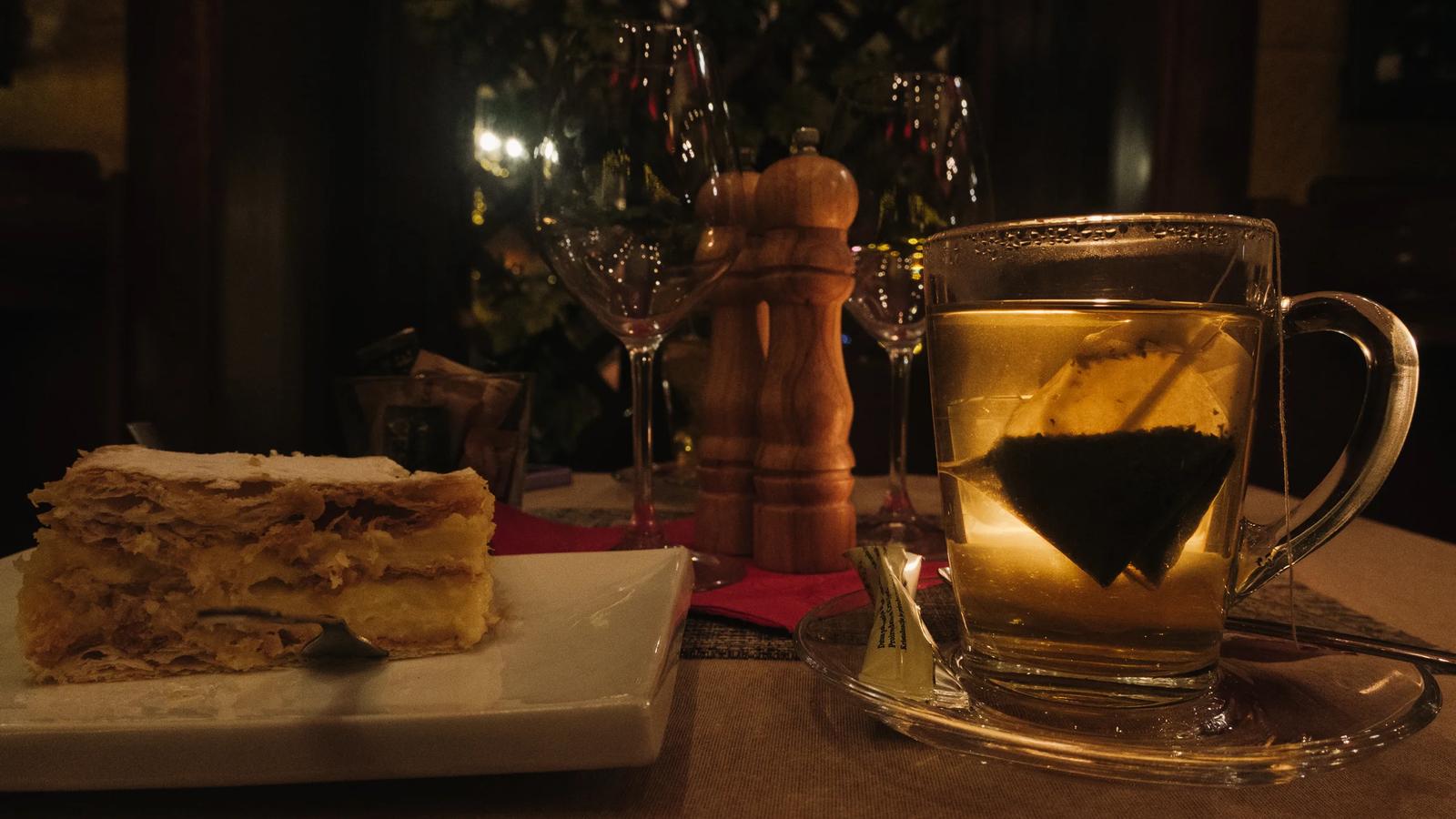
Montenegrin dining culture has its own rhythm. The word "izvolite" (eez-VOH-lee-teh) is one you'll hear constantly – waiters use it to mean "how can I help you?" and "here you go."
| English | Montenegrin | Pronunciation |
|---|---|---|
Can I get... | Mogu da dobim... | MOH-goo dah DOH-beem... |
Menu, please | Jelovnik, molim | yeh-LOV-neek MOH-leem |
The bill, please | Račun, molim | RAH-choon MOH-leem |
Water | Voda | VOH-dah |
Coffee | Kafa | KAH-fah |
Beer | Pivo | PEE-voh |
Wine (red / white) | Vino (crno / bijelo) | VEE-noh (TSIR-noh / bee-YEH-loh) |
Bread | Hljeb | hlyeb |
Fish | Riba | REE-bah |
Meat | Meso | MEH-soh |
No sugar | Bez šećera | bez SHEH-cheh-rah |
Delicious! | Vrlo ukusno! | VIR-loh oo-KOOS-noh! |
Cheers! (toast) | Živjeli! | ZHEE-vyeh-lee! |
Red wine in Montenegrin is "crno vino" – literally "black wine." Saying "crveno vino" (red wine) will still be understood, but it's not how locals say it.
Traditional Montenegrin coffee is brewed Turkish-style, served strong and without milk. If you prefer a latte or cappuccino, specify when ordering – the default at a traditional kafana is "domaća kafa" (homemade coffee).
For more on the country's food scene, check out The Taste of the Country: Wine and Culinary Tours in Montenegro.
Shopping and Markets
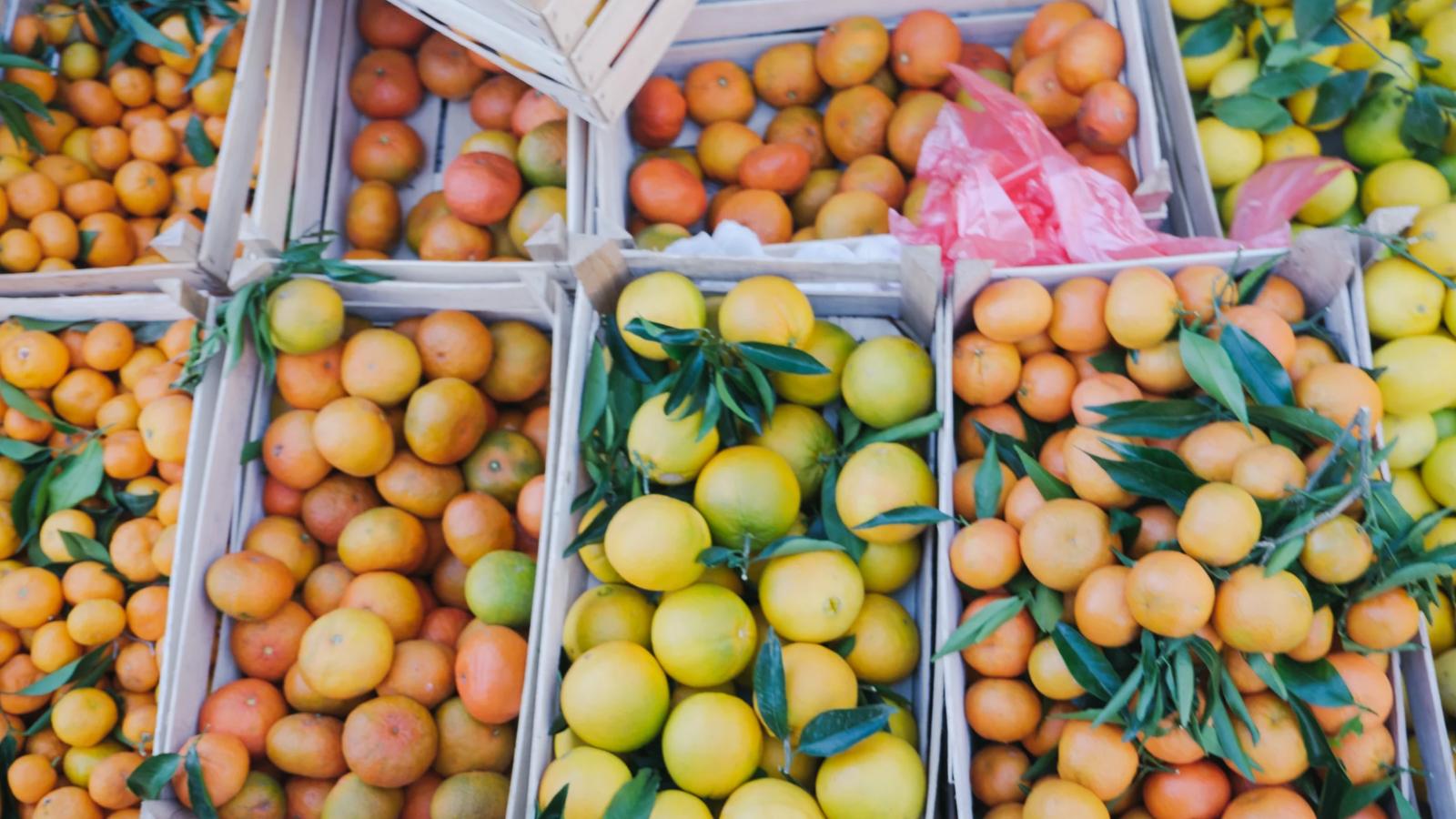
At market stalls and small shops, prices aren't always displayed. "Koliko košta?" becomes your primary tool.
| English | Montenegrin | Pronunciation |
|---|---|---|
How much? | Koliko košta? | KOH-lee-koh KOSH-tah? |
Expensive | Skupo | SKOO-poh |
Cheap | Jeftino | YEF-tee-noh |
Give me this | Dajte mi ovo | DIE-teh mee OH-voh |
I don't need a bag | Ne treba kesa | neh TREH-bah KEH-sah |
Open / Closed | Otvoreno / Zatvoreno | oht-VOH-reh-noh / zah-TVOH-reh-noh |
Transport and Navigation
| English | Montenegrin | Pronunciation |
|---|---|---|
Where is the bus stop? | Gdje je autobuska stanica? | GDYEH yeh ow-toh-BOOS-kah STAH-nee-tsah? |
One ticket to..., please | Jednu kartu do..., molim | YED-noo KAR-too doh... MOH-leem |
Right / Left | Desno / Lijevo | DES-noh / lee-YEH-voh |
Straight | Pravo | PRAH-voh |
Is it far? | Da li je daleko? | dah lee yeh dah-LEH-koh? |
Where is the ATM? | Gdje je bankomat? | GDYEH yeh ban-koh-MAHT? |
Where is the toilet? | Gdje je toalet? | GDYEH yeh twah-LET? |
Men's / Women's | Muški / Ženski | MOOSH-kee / ZHEN-skee |
Bathroom doors are typically marked "M" (muški – men's) and "Ž" (ženski – women's). You may also see "Muškarci" and "Žene."
If you plan to use public transport, the guide How to Use Buses in Montenegro covers routes and timetables. For those who prefer driving, see Car Rental in Montenegro: Everything Tourists Need to Know.
Emergencies
| English | Montenegrin | Pronunciation |
|---|---|---|
Help! | Pomoć! | POH-moch! |
Call the police | Pozovite policiju | poh-ZOH-vee-teh poh-LEE-tsee-yoo |
Call an ambulance | Pozovite hitnu pomoć | poh-ZOH-vee-teh HEET-noo POH-moch |
I need a doctor | Treba mi doktor | TREH-bah mee DOK-tor |
Fire! | Požar! | POH-zhar! |
Stop! Thief! | Stani! Lopov! | STAH-nee! LOH-pov! |
I lost my passport | Izgubio/la sam pasoš | eez-GOO-bee-oh/lah sahm PAH-sosh |
The emergency number in Montenegro is 112 (pan-European). Police: 122, ambulance: 124, fire: 123.
Numbers 0–10
| Number | Montenegrin | Pronunciation |
|---|---|---|
0 | Nula | NOO-lah |
1 | Jedan | YEH-dahn |
2 | Dva | dvah |
3 | Tri | tree |
4 | Četiri | cheh-TEE-ree |
5 | Pet | peht |
6 | Šest | shehst |
7 | Sedam | SEH-dahm |
8 | Osam | OH-sahm |
9 | Devet | DEH-veht |
10 | Deset | DEH-seht |
Numbers are useful for market shopping, taxi negotiation, and price discussions. For anything above ten, showing the number on your phone screen works perfectly – locals are used to it.
Signs You'll See Everywhere
| Sign | Meaning |
|---|---|
Ulaz / Izlaz | Entrance / Exit |
Otvoreno / Zatvoreno | Open / Closed |
Zabranjeno | Forbidden |
Opasno | Danger |
Plaža | Beach |
Centar grada | City center |
Apoteka | Pharmacy |
Bolnica | Hospital |
Pošta | Post office |
Tržni centar | Shopping mall |
Besplatan / Besplatno | Free (no charge) |
Cultural Communication Tips
A few things standard phrasebooks don't cover:
Greetings and kisses. A handshake is fine when meeting someone. Among friends and acquaintances, expect three kisses on the cheeks – this is a Balkan tradition, not something to shy away from if offered.
"Izvolite" – the Swiss army knife of words. A shopkeeper says it when you enter (how can I help?), a waiter when delivering food (here you go), a passerby when yielding the path. Context determines meaning.
Coffee culture. An invitation for coffee isn't really about coffee. It's an invitation for conversation that might last hours. Declining is impolite; rushing your companion is too.
"Sve može" (everything is possible) reflects the Montenegrin approach to life. When someone agrees to something with "sve može," ask about the timeline – enthusiasm doesn't always match execution speed.
Useful Phrases for Specific Situations
| English | Montenegrin | Pronunciation |
|---|---|---|
Is there Wi-Fi? | Ima li Wi-Fi? | EE-mah lee why-fye? |
What's the password? | Koja je šifra? | KOH-yah yeh SHEE-frah? |
Can I pay by card? | Mogu li platiti karticom? | MOH-goo lee PLAH-tee-tee KAR-tee-tsohm? |
Where is the nearest pharmacy? | Gdje je najbliža apoteka? | GDYEH yeh niy-BLEE-zhah ah-poh-TEH-kah? |
I'm allergic to... | Alergičan/na sam na... | ah-ler-GEE-chan/nah sahm nah... |
I'm vegetarian | Ja sam vegetarijanac | yah sahm veh-geh-tah-ree-YAH-nahts |
Gluten-free | Bez glutena | bez gloo-TEH-nah |
I need a taxi to... | Treba mi taksi do... | TREH-bah mee TAHK-see doh... |
Frequently Asked Questions
1. Do I need to learn Montenegrin for a trip to Montenegro?
No, English is sufficient for standard tourist areas. However, even 10–15 phrases from this guide will noticeably improve your experience. Locals respond to attempts at their language with genuine warmth – you'll get better recommendations, friendlier service, and a more authentic experience overall.
2. How different is Montenegrin from Serbian or Croatian?
The differences are minimal – these are essentially variants of the same language. Montenegrin uses the "ijekavski" pronunciation (for example, "mlijeko" rather than "mleko" for milk) and has two additional letters: Ś and Ź. For travelers, the differences are virtually unnoticeable, and a phrasebook for any one of these languages works for the others.
3. How do you pronounce Montenegrin words correctly?
Pronunciation is entirely phonetic: every letter is read as written, with no silent letters or unexpected combinations. The key is memorizing the diacritical marks: Č = "ch" as in "chip," Ć = softer "ch" (like "t" in "stew"), Š = "sh," Ž = "zh" as in "measure," and Đ = soft "j" as in "juice." Stress generally falls on the first syllable.
4. What translation apps work with Montenegrin?
Montenegrin isn't available as a separate option in most translation apps. Select Serbian (Latin) instead – the output will be virtually identical. Major translation apps support Serbian with offline language packs available for download before your trip.
5. Is it true that Montenegrins understand multiple languages?
Yes, check visa requirements for your nationality and don't be surprised by the multilingual environment. Most Montenegrins understand Serbian, Croatian, and Bosnian natively. Many speak some English, particularly in tourism areas. In southern regions near Ulcinj, you'll also hear Albanian. This linguistic diversity means you have several fallback options if Montenegrin phrases don't click.
Conclusion
Montenegrin is one of the most phonetically transparent languages you'll encounter in Europe – what you see is what you say. Mastering 20–30 phrases from this guide is enough to navigate restaurants, shops, taxis, and basic conversations with confidence. The real payoff isn't practical convenience though – it's the shift in how locals treat you. An imperfect "hvala" instead of "thank you" opens a door to a Montenegro that most tourists never see.
Read Also
- Popular Itineraries in Montenegro: What to See in 1 to 7 Days
- Montenegro Prices in 2026
- Kotor vs Budva: Detailed Comparison
Sources
- Montenegro Travel – Montenegrin Dictionary
- Government of Montenegro – Official Portal
- European Emergency Number Association – 112
Places to see in Montenegro
You may also like
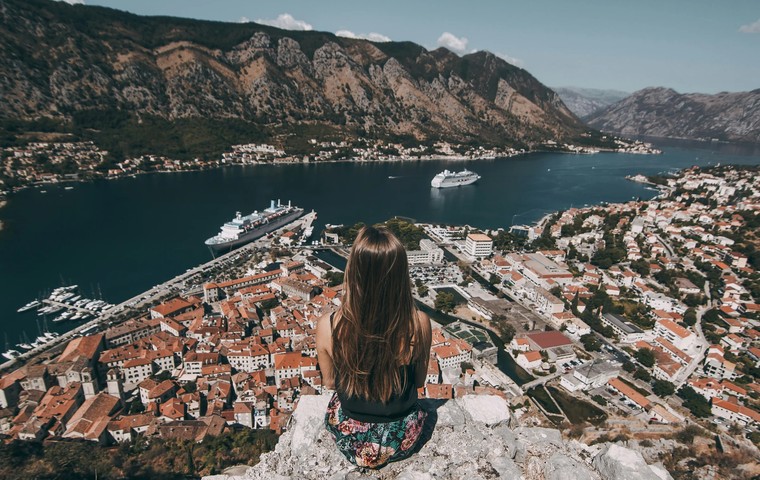
Solo Female Travel in Montenegro: Real Safety Stats, Dress Codes & Hidden Traps
Montenegro ranks #14 globally for female solo travel safety. Honest take on what works, where to watch out, and why Ostrog Monastery turns away tourists in shorts.
April 25, 2026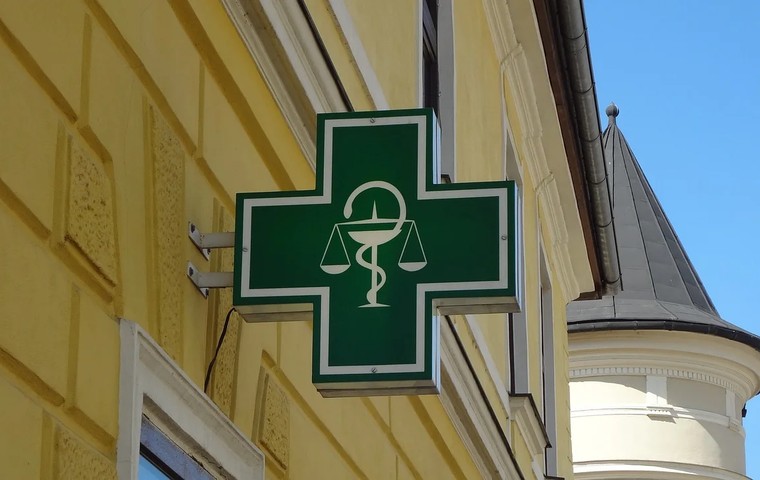
Pharmacies in Montenegro: What's Over-the-Counter, What Needs a Prescription, Real Prices
Antibiotics, sedatives and many "everyday" meds are prescription-only here. What to pack, what to buy locally and how to ask the pharmacist when you don't speak the language.
April 25, 2026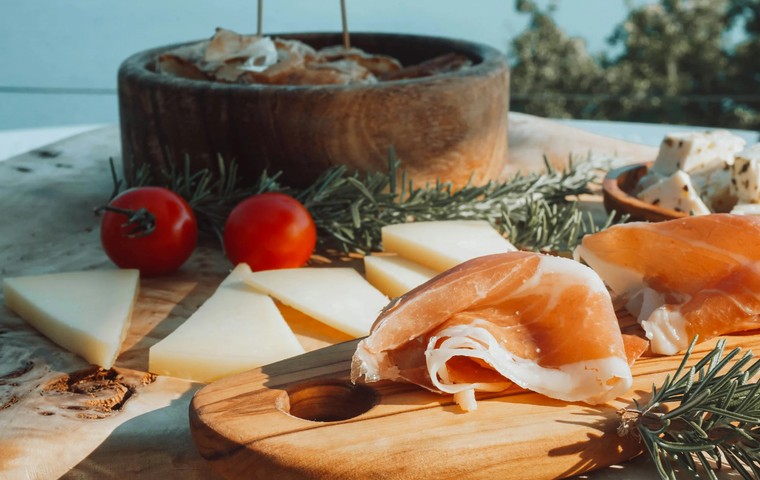
What to Eat in Montenegro: 10 Dishes Worth Ordering (With 2026 Prices)
Montenegrin food isn't seafood first – it's meat, cheese and bread from the mountain villages. 10 dishes worth ordering, where to find the real versions, and what they cost in 2026.
April 24, 2026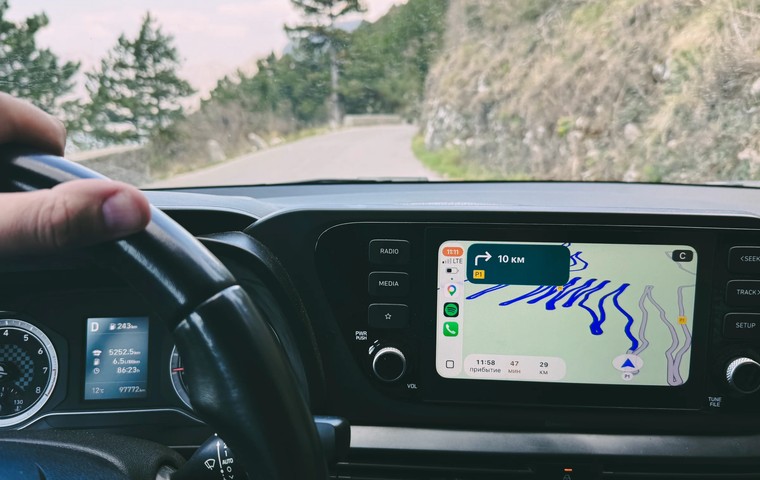
Travel Apps for Montenegro 2026: No Uber, No Wolt, Glovo Delivers, eSIM Saves
Uber and Bolt don't work in Montenegro, Wolt left, Google Maps gets addresses wrong. The 7 apps that actually work in 2026, with prices and local quirks.
April 26, 2026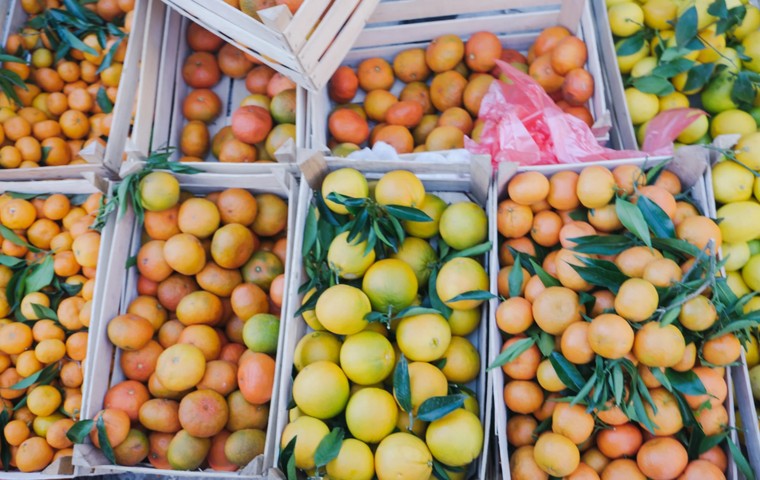
Montenegro Markets (Pijaca): How to Buy Real Cheese at €8/kg, Kajmak and Wine
Budva's market is 1.5–2× more expensive than supermarkets, while Podgorica sells the same cheese at half price. Where to buy real Njeguški cheese, kajmak, pršut and Vranac without the tourist markup.
April 30, 2026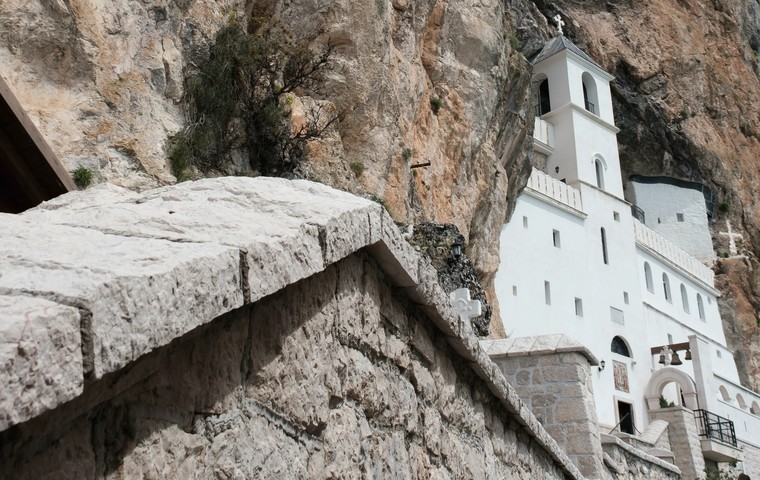
Ostrog Monastery: How to Reach the Cliff-Carved Shrine Without Hitting the Saturday Crowds
Ostrog is carved into a vertical cliff at 900m – but the real challenge isn't the road, it's timing. Here's how to get there, what it really costs, and the visiting window most guides miss.
April 21, 2026