Blog · Tours
Tbilisi Sulfur Baths – Guide to Abanotubani: Prices, Etiquette & Is It Worth It
 Tours
ToursIn this article
- 01Why bother with sulfur baths
- 02Public hall vs. private room
- 03How the kisi scrub works
- 04Which bathhouse to choose
- 05Etiquette and rules
- 06What to bring
- 07Best time to visit
- 08How to get there
- 09Tours that pass through the bath district
- 10Is it actually worth it: honest verdict
- 11Frequently asked questions
- 12Summary
Some links are affiliate links. You pay the same, and we may earn a commission.
Public hall for 10 GEL or VIP room for 200? Every Abanotubani bathhouse compared, the kisi scrub explained, real prices and the mistakes guidebooks won't tell you about.
The sulfur baths are not just a Tbilisi attraction – they are literally the reason the city exists. Entry to the public hall costs 5–10 GEL, a private room runs 50–200 GEL per hour, and the traditional kisi scrub adds 15–25 GEL. Below is everything you need to know to avoid overpaying, respect local etiquette and actually enjoy the experience.
Key facts:
- Water temperature – 38–40 °C (100–104 °F), rich in hydrogen sulfide, methane and mineral salts
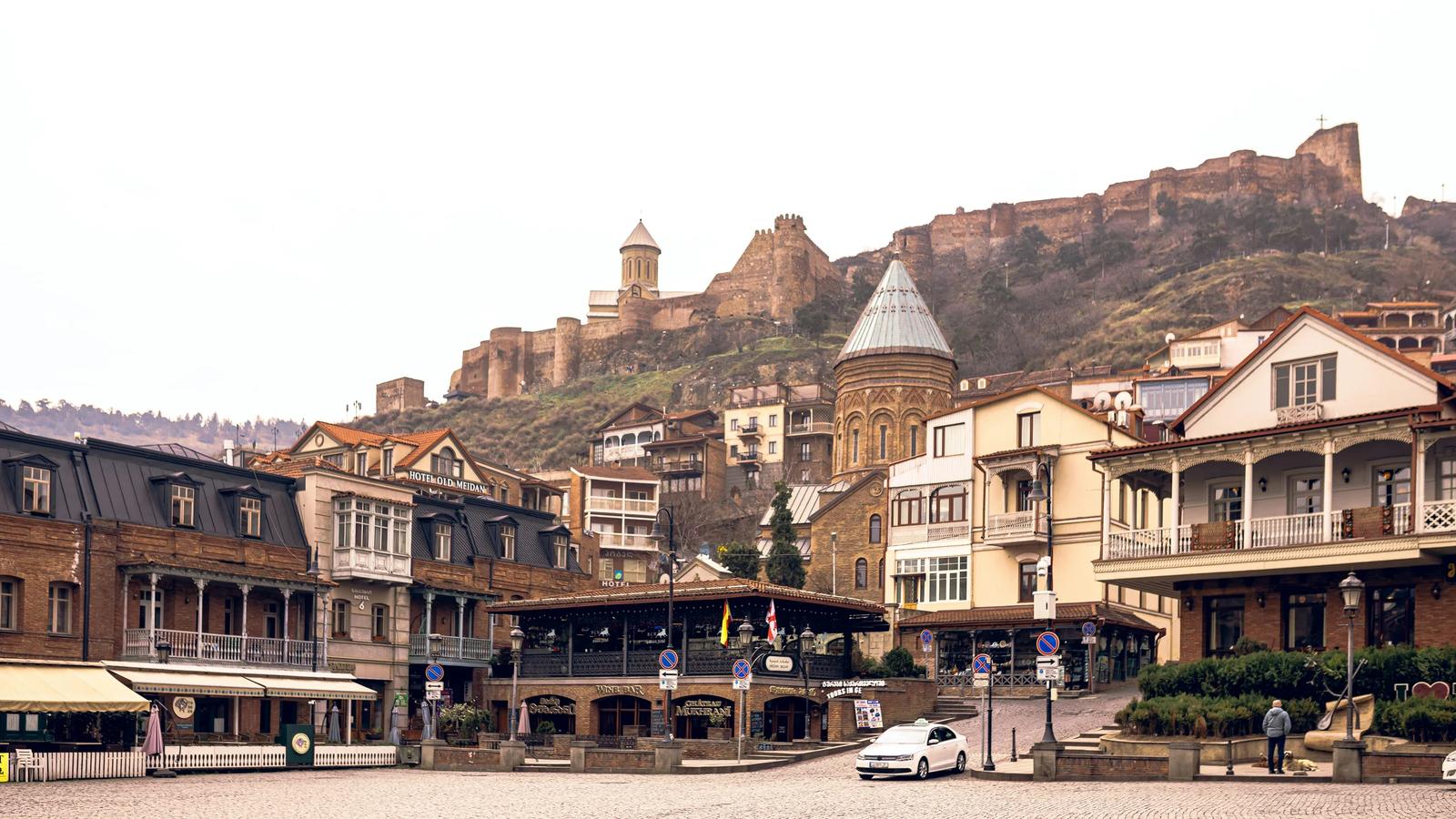
- Bath district – Abanotubani, nestled beneath Narikala Fortress in Old Tbilisi
- Public hall – 5–10 GEL (gender-separated); pool available in the men's section only (except at Mirzoyev Bath)
- Private room – 50–200 GEL/hour, book at least one day ahead (2–3 days for weekends)
- Kisi scrub – 15–25 GEL, takes 10–15 minutes and makes the whole visit worthwhile
- Leave silver jewellery at the hotel – hydrogen sulfide tarnishes silver in minutes
- Stay in the water 10–15 minutes max, then take a cold water break
Why bother with sulfur baths
Legend has it that in the 5th century, King Vakhtang Gorgasali discovered hot springs while hunting – his falcon knocked a pheasant into the water, and the bird came out cooked. Impressed, the king founded a city on the spot and called it "warm place" (tbili means "warm" in Georgian). Whether the legend holds up historically is debatable, but the hot sulfurous springs are real and have been flowing for over 1 500 years.
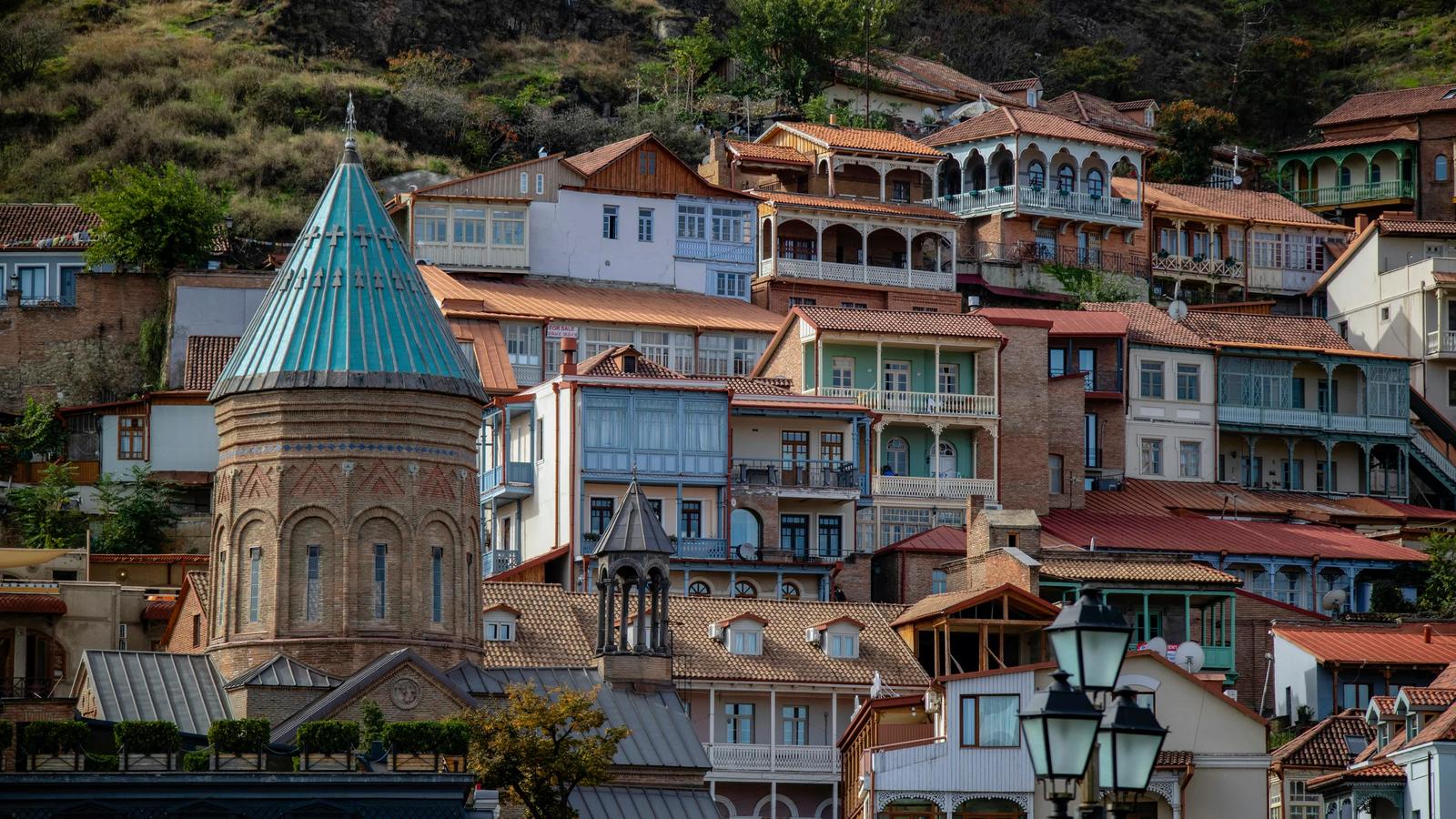
In practical terms: after a day walking the hilly streets of Tbilisi, a soak in mineral-rich water at 38–40 °C melts the tension from your muscles, and the kisi scrub strips away dead skin like nothing else. Locals claim the springs treat acne, eczema, arthritis and insomnia. Medical evidence is mixed, but leaving the bath feeling like a different person is a consistent result.
Warning: Sulfur baths are not recommended for people with cardiovascular conditions, asthma, stomach ulcers, cancer, kidney or liver disease. Pregnant visitors should avoid them. Consult a doctor if you have chronic health issues.
Public hall vs. private room
This is the fundamental choice, and it defines your entire experience.
| Parameter | Public hall | Private room |
|---|---|---|
Price | 5–10 GEL per person | 50–200 GEL/hour for the room |
Company | Gender-separated, strangers | Any group composition |
Pool | Available (men's only; women get showers, except Mirzoyev Bath) | Included in every room |
Sauna | Usually available | Included in mid-range and above |
Cleanliness | Varies by day and timing | Cleaned before each guest |
Atmosphere | Authentic but unpredictable | Calm and controlled |
For a first visit – go private. The public hall is for those who want full immersion in local bath culture, are comfortable with nudity around strangers and can handle a language barrier. If budget is tight, the public section at 5–10 GEL per person works fine – just calibrate your expectations.
How the kisi scrub works
The kisi (kisa) is a traditional Georgian exfoliation, and without it, a bath visit loses half its purpose. The person performing the scrub is called a mekise.
The sequence: you enter your room, undress and soak in the sulfur water for 10–15 minutes. Your body steams and softens. Then the mekise arrives – you lie face down on a stone slab. Using a coarse exfoliating mitt (kese), the mekise vigorously scrubs your entire body. Dead skin rolls off in visible layers – it is not subtle, but the result is immediate.
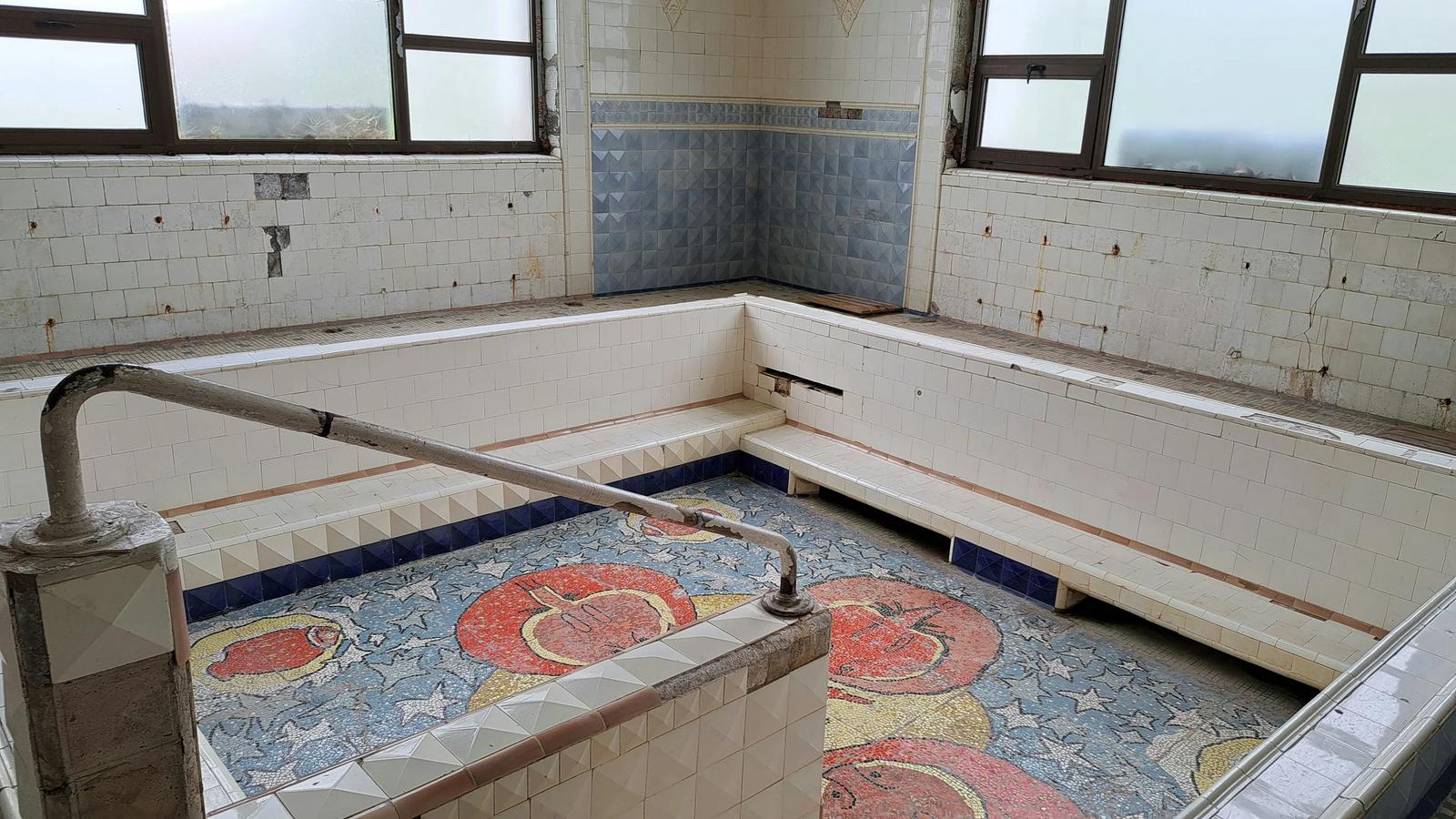
After scrubbing, the mekise covers you in soapy foam from a special cloth bag, then rinses everything off with hot sulfur water. The whole process takes 10–15 minutes. Cost: 15–25 GEL depending on the bathhouse. Massage is a separate service, 30–65 GEL additional.
Important detail: if you prefer a female mekise, mention this when booking. The default may be male. Tips of 5–10 GEL are appreciated but not obligatory.
Which bathhouse to choose
Abanotubani has around ten bathhouses, but five stand out.
| Bathhouse | Private room price (per hour) | Features | Best for |
|---|---|---|---|
Chreli Abano (Orbeliani Bath) | 80–250 GEL | Most photogenic: Persian-style mosaic facade, VIP rooms with a snow room (–25 °C). Only bath with a working website for reservations | First visit, aesthetics, VIP |
Gulo's Thermal Spa | 70–150 GEL | Considered the cleanest, recently renovated. Book via messenger apps | Cleanliness and comfort |
Sulfur Bath No. 5 | 5–10 GEL (public), 50–130 GEL (private) | Most popular public bath. Beautiful mosaics, but some rooms need renovation – ask when booking | Budget visits, public hall |
King Erekle Bath | 100–200 GEL | Historic 18th-century bath, restored to spa-level quality. Marble interiors | Historic atmosphere, families |
Royal Bath House | 100–200 GEL | Solid private rooms with sauna | Mid-budget, couples |
(Updated: March 2026)
Note: Most bathhouses lack proper websites or social media (exception: Chreli Abano). The easiest way to book is to walk to the square, look around and sign up in person. Weekday walk-in availability is almost always fine.
Etiquette and rules
Unlike Turkish hammams or Nordic saunas, the sulfur baths of Tbilisi have their own unwritten rules that tourists often miss.
In a private room, full nudity is normal and expected. In the public hall as well, though you can keep a towel around your waist for comfort. Swimsuits are not forbidden but will draw curious looks.
Do not stay in the water for more than 10–15 minutes continuously – prolonged contact with sulfuric water can cause dizziness and weakness. Alternate between the hot pool and cold rinses. Drink water – dehydration comes fast in a hot room.
Remove silver jewellery before entering: hydrogen sulfide tarnishes silver within minutes. Gold is not affected, but better safe than sorry.
The sulfur smell will linger in your hair and on your skin. Shampoo and soap help, but a faint scent will follow you for a couple of hours. This is normal.
What to bring
Most bathhouses provide towels (2–5 GEL rental) and basic supplies, but for comfort bring your own:
a towel, flip-flops, shampoo and conditioner (sulfur water dries hair), a bottle of drinking water and a waterproof bag for wet clothes. Not all bathhouses have hair dryers – ask when booking.
Best time to visit
The baths operate year-round, many until midnight or later, and some around the clock. The best time is evening, especially in winter: stepping out into cold air after a hot soak is an unforgettable sensation. Abanotubani is also prettier at night – the domes are lit up and the tour group crowds have dispersed.
Weekends are peak time. For a quieter experience, aim for a weekday evening.
How to get there
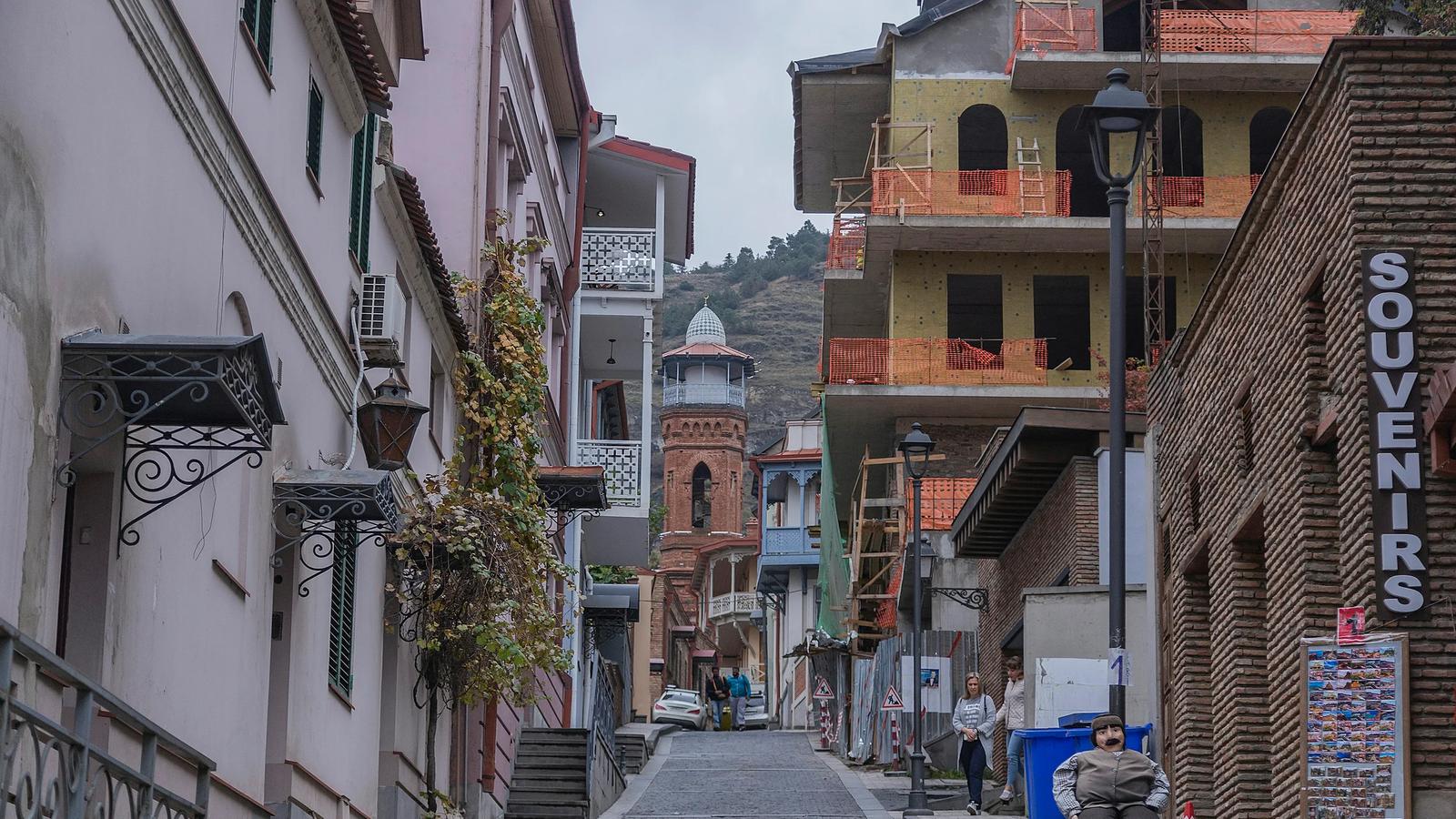
Abanotubani is in the heart of Old Tbilisi, at the foot of Narikala Fortress, next to the Botanical Garden entrance. It is a 10–15 minute walk from the Bridge of Peace. A taxi from the centre costs 5–10 GEL (use Bolt or local apps). Nearest landmarks: Meidan Square and the Juma Mosque.

Tours that pass through the bath district
Most walking tours of Old Tbilisi pass through Abanotubani, and a good guide will bring the district's history to life better than any article.
The highest-rated option is the Tbilisi Walking Tour Including Cable Car and Traditional Bakery, from $19 per person (rating 5.0, over 1 300 reviews). It covers the key Old Town landmarks including the bath quarter.
For an evening atmosphere, the Tbilisi Evening Walking & Talking Tour with Wine & Boat Ride starts from just $10 per person (rating 5.0, 570+ reviews) and combines a stroll through the historic centre with a wine tasting and boat ride.
Those wanting deeper history can try Old Tbilisi Highlights Walking Tour with Wine & 10 Tastings, from $15 per person (rating 5.0, 276 reviews).
Is it actually worth it: honest verdict
The sulfur baths are one of those rare cases where the most promoted attraction in a city genuinely delivers. This is not a museum or a show – people have been soaking here since the 5th century, and the format has barely changed. A private room for two with a kisi scrub will cost 100–170 GEL ($35–60) and take about ninety minutes. In a city where dinner for two runs 35–75 GEL, that is a reasonable spend.
Skip it if you have a strong aversion to the sulfur smell (you adapt in three minutes, but not everyone does), if you have medical contraindications or if you are uncomfortable with the idea of a scrub from a stranger.
Frequently asked questions
1. How much do the sulfur baths in Tbilisi cost? Public hall entry is 5–10 GEL ($1.50–3.50). Private rooms range from 50 to 200 GEL ($17–70) per hour. The kisi scrub costs 15–25 GEL extra. A full visit with a private room and scrub for two people totals around 100–170 GEL.
2. Do I need to book in advance? Yes, for private rooms – at least a day ahead, 2–3 days for weekends. The public hall operates on a walk-in basis. You can book by phone, via messenger apps or in person.
3. Can I bring children? Yes, children are welcome in private rooms with no age restrictions. The public hall also admits children, but a private room will be more comfortable for families.
4. What if the sulfur smell is too strong? Your nose adapts to the hydrogen sulfide within 2–3 minutes – this is how olfactory receptors work. If it feels overwhelming at first, breathe through your mouth for a moment. The smell washes off with shampoo and soap after the bath, though a faint trace lingers for a couple of hours.
5. What is the best time of year to visit? Winter is ideal: the contrast between hot water and cold air when you step outside is remarkable. In summer (35 °C outdoors), sitting in 40 °C water is less appealing. That said, the baths are open all year.
Summary
The sulfur baths of Tbilisi are a rare case where a city's most hyped attraction is actually worth the time. Book a private room, order the kisi scrub and go in the evening – you will not regret it.
Read also:
- What to See in Tbilisi in 1, 2, and 3 Days
- First Time in Georgia – What You Need to Know
- Travel Insurance for Georgia
Sources:
- Chreli Abano – official Orbeliani Bath website
- Tbilisi City Hall – Abanotubani district information
- Georgia Ministry of Health – balneotherapy contraindications
You may also like
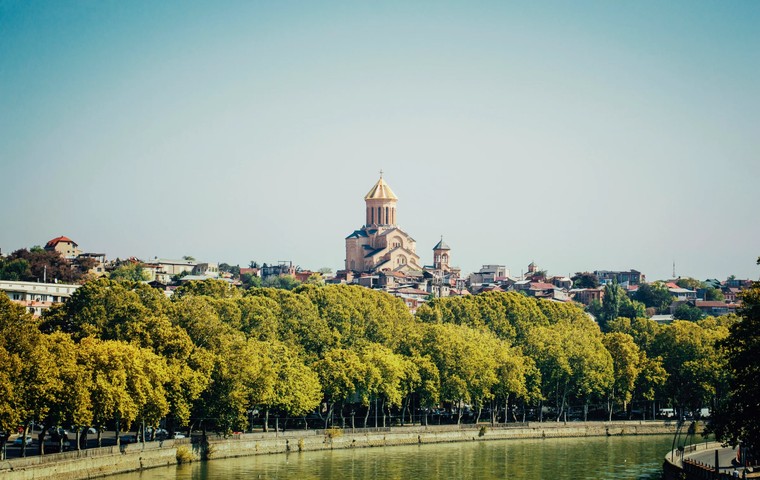
First Time in Georgia – What You Need to Know Before Your Trip in 2026
Practical first-timer's guide to Georgia: visas, budget, transport, accommodation, connectivity and hidden nuances. Everything you need before and after landing.
February 22, 2026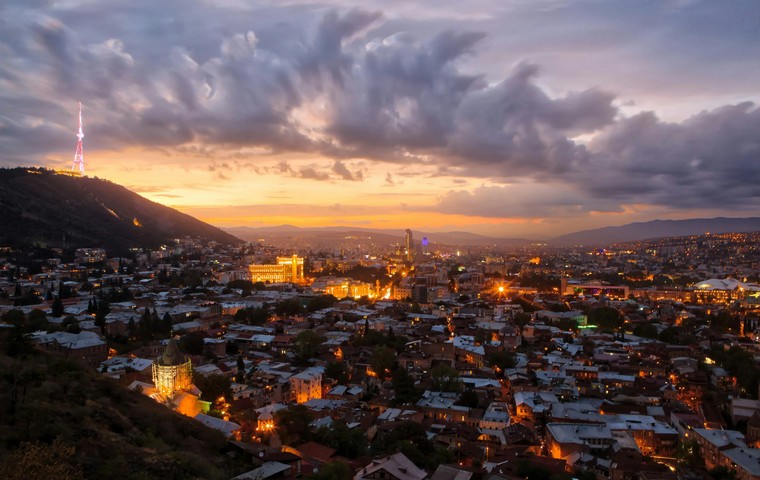
Georgia in June: +27°C, Early Season Prices & What to Really Expect
June is Georgia's sweet spot – warm weather without peak crowds, Batumi sea reaching 23°C, and hotel prices 20–30% below midsummer peaks. Here's the honest picture.
March 20, 2026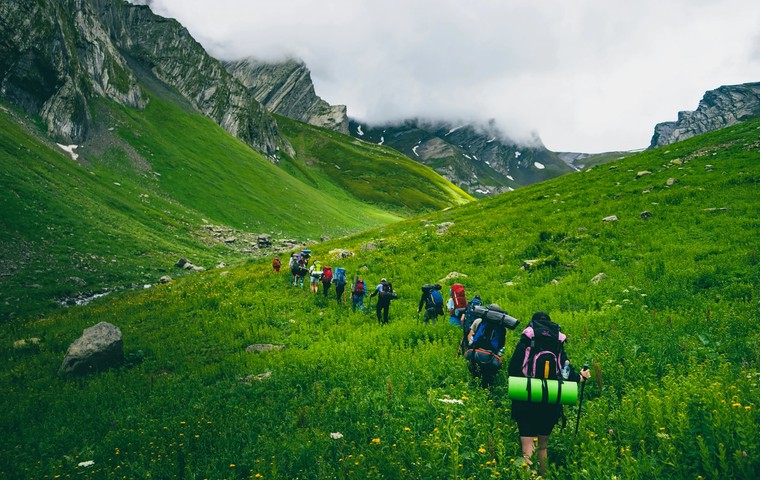
Georgia in July: +30 °C Heat, +26 °C Sea & Real Trekking Conditions
Tbilisi hits +34 °C, Batumi gets thunderstorms, and mountain snow cleared a week ago. Where to actually go, what it costs in 2026, and what to skip.
April 21, 2026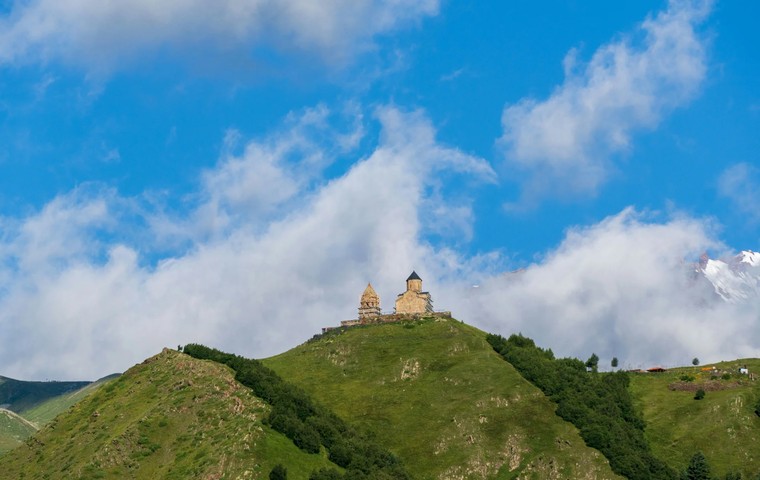
Best Day Trips from Tbilisi: 7 Tours from $13 (2026 Guide)
Kazbegi, Kakheti wine country, Mtskheta, Vardzia – the day trips locals actually recommend, with honest prices, timing and pitfalls most guides skip.
April 21, 2026
Tbilisi to Batumi Train: How to Buy Tickets Online for €12 and Skip the Queue
Stadler KISS runs the route in 5 hours from 35 GEL in 2nd class. Where to book online, which class is actually worth it, and why the morning train beats the evening one.
April 26, 2026
Kutaisi – What to See & Is It Worth Visiting? A Guide to Georgia's Second City
Kutaisi isn't a resort – it's a 3,000-year-old city with UNESCO monasteries, epic canyons 30 minutes away, and prices half of Tbilisi. Here's who should visit and who should skip it.
March 25, 2026