In detail
What's here
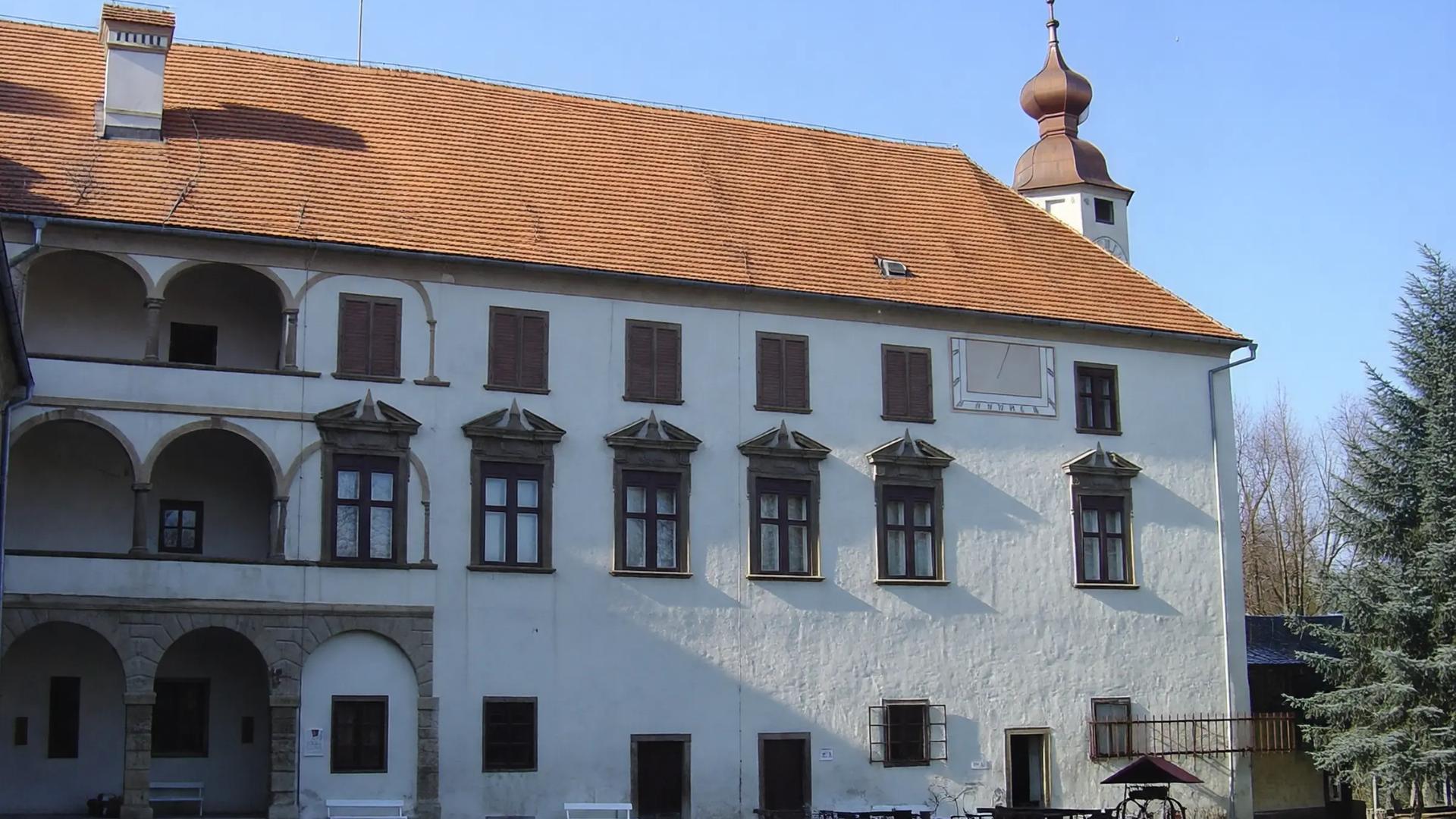
The castle sits on a hill that has been inhabited since the 5th millennium BC. Inside, architectural styles range from Romanesque to Baroque. Several permanent exhibitions span all three floors. The ground floor houses the archaeological collection of Roman Poetovio: tombstones, altars, ceramics, and coins. Here you can also see the tombstone of Friedrich IX – the last Lord of Ptuj – built into the wall. The second floor features a collection of Kurent carnival masks (the Shrovetide tradition is on UNESCO's list), medieval weapons and armour, and tapestries. The third floor holds the castle gallery with paintings and furniture from the last owners, the Counts of Herberstein.
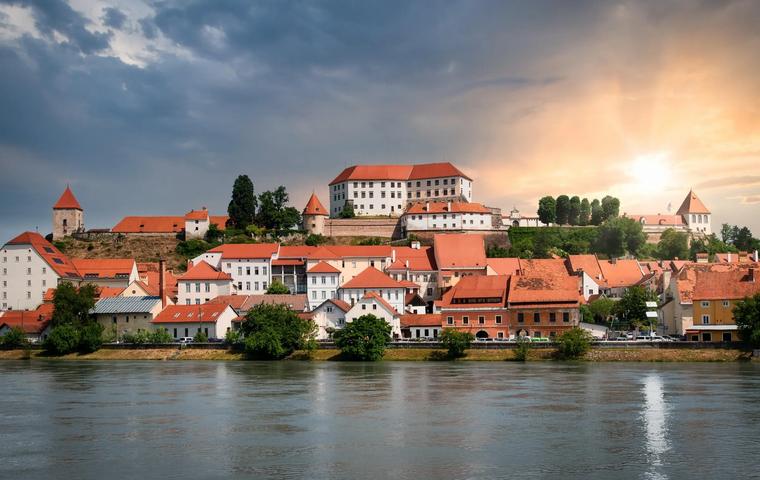
From the castle's windows and terraces, there are panoramic views over the tiled rooftops of the Old Town, the Drava River, and the green hills of Styria. The lower castle courtyard is open daily until 19:00 – no ticket needed for the view. Nearby stand the medieval Mihelič Gallery (free entry) and the Old Prisons exhibition centre (free entry).
Separate archaeological sites include two Mithras Shrines (I and III, €3 each) and a Roman brickworks kiln (€3). All are in the Ptuj suburbs and require advance booking by phone (+386 2 748 03 60) at least 3 days ahead.
Highlights
Why visit
Museum founded – 1893; collections displayed in the castle since 1926
Venues – 7 locations: castle, 2 Mithras Shrines, Roman kiln, Mihelič Gallery, Old Prisons, plus Ormož and Velika Nedelja castles
Archaeology – the largest collection of finds from Roman Poetovio, province of Pannonia
Kurents – unique collection of traditional regional carnival masks, a UNESCO-listed tradition
Herbersteins – furniture, tapestries, and paintings from the castle's last owners (until 1945)
Views – panorama of Old Ptuj, the Drava River, and Styrian hills from the castle terraces
History
Past & present
The hill has been inhabited since the 5th millennium BC. In antiquity, the Romans built a fortress and temples for Poetovio. In the 11th century, the Archdiocese of Salzburg erected the medieval castle. For three centuries, the Lords of Ptuj held it, founding the Dominican and Minorite monasteries. In the 16th century, the castle passed to the Counts of Leslie (1656–1802), then to the Herbersteins (1873–1945), whose furnishings survive almost entirely.
The museum's history began in 1893, when the Ptuj Museum Society started collecting archaeological finds to prevent them being shipped to Graz or Vienna. In 1926, the collections were housed in the Dominican Monastery, and in 1945, the museum acquired the castle. Today, the Ptuj–Ormož Regional Museum is a public institution with departments of archaeology, ethnology, cultural history, and conservation. It manages seven venues across the region.
Getting there
Transport & directions
From Maribor (30 km, 25–40 min):
– SŽ train – 37 min, €4–11
– Arriva bus – 40 min, €3–5
– By car via A4/E59 – 25 min
From Ljubljana (130 km, 1.5–2.5 hrs):
– Direct train – 2 hrs 15 min, €12–28
– By car via A1 – 1.5 hrs. Motorway vignette required
On site:
From Ptuj station – 15-minute uphill walk through the Old Town. Take Grajska ulica up to the castle (signposted). Parking at the base of the hill.