The world's oldest grapevine (Stara trta) grows on the southern facade of the Old Vine House (Hiša Stare trte) in the historic Lent district of Maribor. The vine is over 460 years old, of the Žametovka variety (also known as Modra kavčina). It holds a Guinness World Record as the oldest noble grapevine still producing fruit.
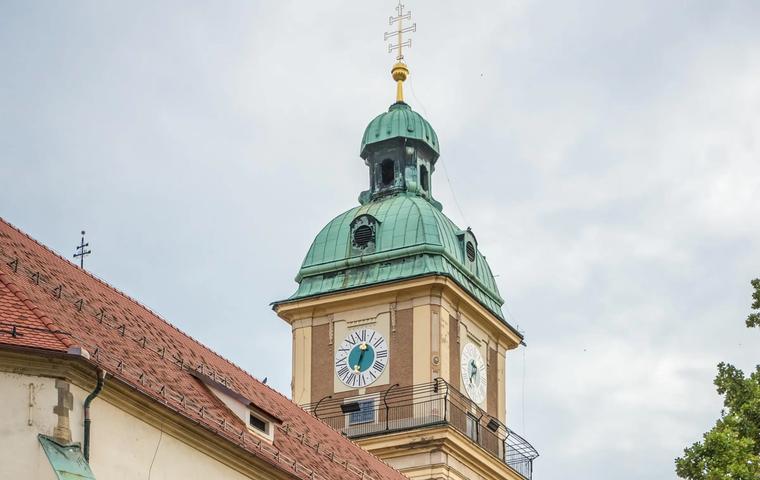
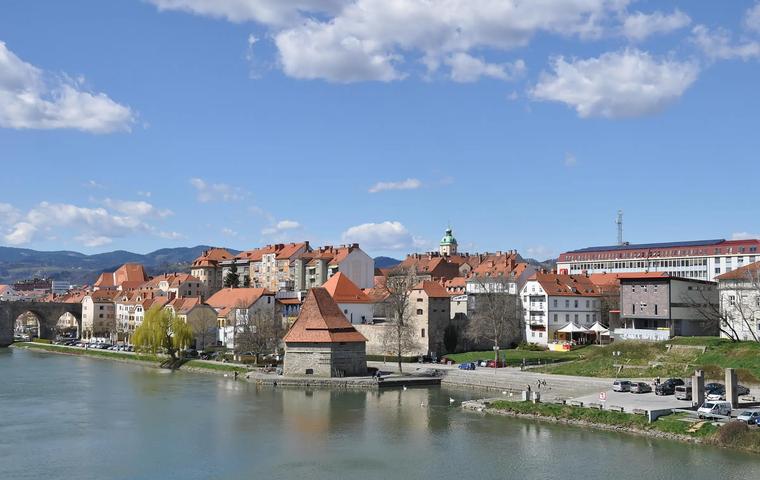
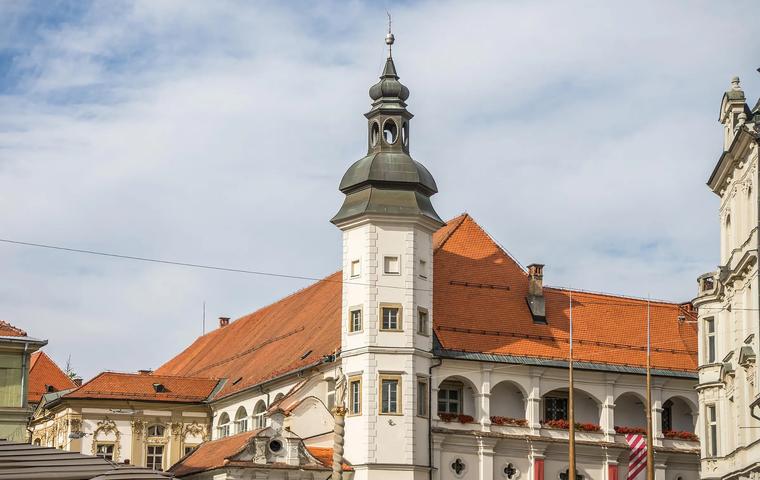
The Old Vine House stands at Vojašniška ulica 8, 100 m from the Drava riverbank. It's a 5–7-minute walk from the Main Square (Glavni trg). Nearby: Maribor Castle (200 m) and the Cathedral of St. John the Baptist (300 m).
Viewing the vine from outside is free at any time. The museum and tasting room are open Tuesday–Sunday, 10:00–18:00. Museum entry starts at €9.50 ($10). Allow 1–1.5 hours for a full visit with tasting.
Transport
Travel time
On foot from Maribor center3–5 min.300 m
By car from Maribor1 min.405 m
From the airport Maribor Airport (MBX) · MBX14 min.12 km
The vine sprawls across approximately 40 m² of the Old Vine House's southern wall. Its trunk is thick and gnarled, with lichen-covered bark – every twist tells its age. In summer, the vine is covered in green foliage and grape clusters; in autumn, the leaves turn yellow; in winter, the bare woven structure clings to the facade. The annual harvest yields 35–55 kg of grapes, producing around 100 bottles of 250 ml wine in designer flasks by sculptor Oskar Kogoj. These bottles serve as the Municipality of Maribor's official protocol gifts.
Inside the Old Vine House, the museum features an exhibition on Styrian winemaking, an animated film about the vine's history, and a collection of grape variety engravings by the Kreuzer brothers. The tasting room offers wines from 50+ Styrian winemakers – over 200 labels. Tastings are led by sommeliers: from a basic tasting (3 wines + narration) to a premium set (6–8 wines + food pairings, from €37 / $40).
In summer, the courtyard wine garden opens with views of the vine – a glass of local wine from €4–6 ($4.30–6.50). The ground floor houses a shop with regional wines and souvenirs. Descendants of the Old Vine have been planted in 27 countries worldwide.
Highlights
Why visit
Age – over 460 years old, planted in the late Middle Ages (c. 1570), still producing grapes
Guinness World Record – verified as the world's oldest noble grapevine still bearing fruit
Variety – Žametovka (Modra kavčina), one of Slovenia's oldest wine grape varieties
Harvest – 35–55 kg of grapes annually, yielding ~100 designer bottles – the municipality's official protocol gift
Wine collection – 200+ labels from 50+ Styrian winemakers, with sommelier-led tastings
Legacy – cuttings from the vine have been planted in 27 countries
History
Past & present
The vine was planted in the late Middle Ages, presumably around 1570, when the Lent district served as part of the city's fortifications. The house it grows on was built into the town wall. Over 460 years, the vine survived the Ottoman sieges of the 16th century, city fires, the 19th-century phylloxera epidemic (which destroyed most European vineyards), and Allied bombing raids in 1943–1945.
After World War II, the vine was in critical condition. Viticulturist Tone Zafošnik restored it by removing dead sections and performing a short cut, bringing it back to life. In 2004, the Old Vine House was renovated and reopened as a museum. Since 2008, the vine has been managed by the Maribor Regional Museum. Two main annual events mark its calendar: the vine pruning ceremony in March (with cuttings gifted to partner cities) and the Old Vine Festival in October.
For visitors
Visitor information
Tickets & prices
Viewing the vine from outside: free, 24/7
Oldest Vine Museum:
Adults: €9.50 ($10)
Pupils, students, pensioners: €6.50 ($7)
Family ticket: only parents pay
Group (10+ people): €9/person ($9.70)
3+1 (3 paid + 1 free): €24 ($26)
Free: ICOM, SMD, press card holders
Combined ticket (Vine Museum + Maribor Castle):
Adults: €18 ($19.50)
Wine tastings:
Basic (glass of wine + museum): included in ticket
Premium sommelier-led tasting: from €37 ($40)
Ticket office: Tue–Sun 10:00–18:00. Closed Mondays and public holidays.
Rules & restrictions
Do not touch the vine. Photography is allowed outside and inside the museum. Wine tasting: 18+ only. Wine purchases available for takeaway.
On-site facilities
On site:
Tasting room and wine shop (200+ labels)
Museum shop with wines and souvenirs
Summer wine garden in the courtyard (glass from €4–6 / $4.30–6.50)
Parking: Underground car park at Main Square, 300 m away (€1–1.50/hour / $1.10–1.60).
Wi-Fi: Free in the museum. 4G stable.
Accessibility: Ground floor is wheelchair accessible. The museum exhibition is on a single level.
Getting there
Transport & directions
From central Maribor:
From the Main Square (Glavni trg) – 5–7-minute walk downhill toward the river along Slovenska ulica. Address: Vojašniška ulica 8.
The museum is in the pedestrian zone. Nearest parking – underground car park at the Main Square.
When to go
Best time to visit
Season: April–October – the vine is in leaf, summer wine garden open. October: Old Vine Festival (harvest, tastings). March: vine pruning ceremony.
Time of day: Morning to early afternoon – fewer visitors, relaxed tasting.
Duration: 30–40 minutes for the museum. With tasting – 1–1.5 hours.
Avoid: Mondays – museum closed. In winter, the vine is bare, but the museum and tastings still operate.
Questions & answersFAQ
Popular questions
Practical answers about visiting, routes and time on site.
How much does it cost to visit?+
Viewing the vine from outside is free. Museum: €9.50 ($10) adults, €6.50 ($7) reduced. The ticket includes a glass of wine or juice and an animated film.
What are the opening hours?+
Tuesday–Sunday: 10:00–18:00. Closed Mondays and public holidays. The vine can be seen from outside at any time.
Does the vine still produce grapes?+
Yes, 35–55 kg of Žametovka grapes are harvested annually. Around 100 designer bottles are produced – these serve as the Municipality of Maribor's official protocol gifts.
Can I buy wine from the Old Vine?+
Wine from the vine itself is not for sale – it's given as a protocol gift. The shop sells wine from the vine's descendants and 200+ Styrian wine labels.
How much time do I need?+
The museum takes 30–40 minutes. With a tasting – 1–1.5 hours. Combine it with a walk through the Lent district.
Are tastings available in English?+
Yes, tastings are conducted in Slovenian, English, and German. For other languages, enquire in advance at visit@oldestvinemuseum.si.
Is it suitable for children?+
The museum appeals to children aged 8+ (animated film, history). Wine tasting is for adults only (18+). Children can try grape juice instead.
Do I need to book in advance?+
No booking needed for individual visits. Groups of 10+ and curator-led tours should book 3 days ahead: visit@museum-mb.si.