In detail
What's here
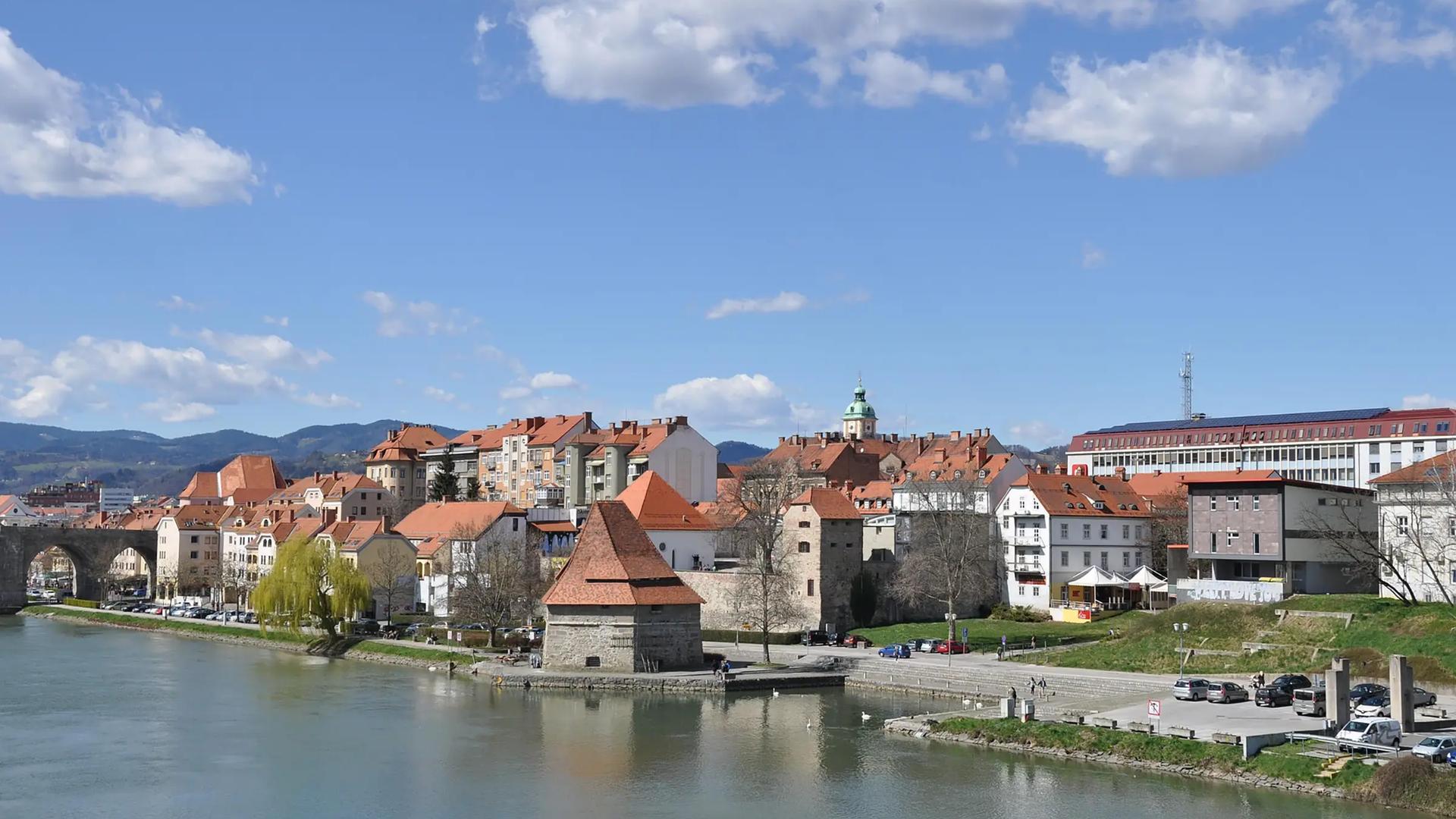
Lent stretches along the Drava from the 13th-century Minorite Monastery on the west to the Old Bridge (Stari most, built 1913) on the east. The promenade is paved in stone, with weeping willows along the edge. From the Main Bridge (Glavni most), you get a panoramic view of Lent's red-tiled rooftops reflected in the water, with Pyramid Hill rising behind. In summer, kayaks and paddleboards dot the river; in winter, the waterfront quiets down but cafes and wine bars stay open.
From the Water Tower (Vodni stolp, 16th century), steps lead up to Jewish Street (Židovska ulica) with the 15th-century synagogue – now a cultural venue hosting exhibitions. The Judgement Tower (Sodni stolp) nearby is a pentagonal structure with Gothic elements, visible from the promenade. Between the towers, sections of the original city wall remain – 1.5–2 m thick.
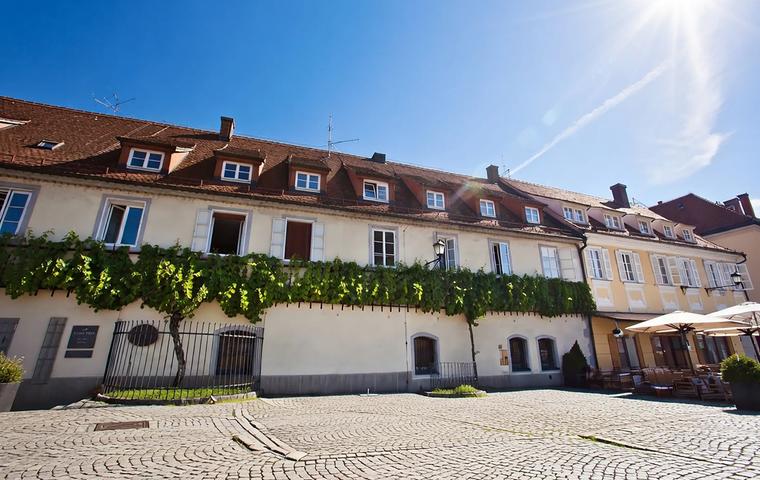
The district's centre is Military Square (Vojašniški trg) in front of the Old Vine House. Wine tastings, fairs, and concerts take place here. Within 200 m, there are a dozen restaurants serving Styrian cuisine (expect €10–20 per meal), coffee shops, and craft bars. On Leon Štukelj Square stands a life-sized bronze sculpture of the Olympic gymnast on a horizontal bar.
Highlights
Why visit
Age – the district dates to the 12th century; fortification walls and towers are from the 13th–16th centuries
Waterfront – 800 m pedestrian promenade along the Drava with cafes, bars, and Old Town views
Lent Festival – Slovenia's biggest open-air festival since 1993, 700+ events over 9 days, over 500,000 visitors annually
Medieval towers – the Judgement Tower (Sodni stolp) and Water Tower (Vodni stolp) are the only surviving elements of the city's fortification system
Synagogue – one of the oldest in Central Europe (15th century), now a cultural centre
Wine capital – Maribor was named Europe's Best Wine Capital 2026 by European Best Destinations
History
Past & present
Lent emerged as a harbour district on the Drava in the 12th century – its name derives from the German word "Lend" (landing). In the Middle Ages, logs were rafted and goods transported between Austria and the Pannonian Plain along the river. Between the 13th and 16th centuries, the district was fortified with walls and towers to defend against Ottoman and Hungarian raids. In 1532, Maribor withstood an Ottoman siege – legend has it a shoemaker's apprentice slipped out of the city and opened the sluice gates, flooding the moats and drowning the besiegers.
After the railway arrived in the 19th century, the river lost its transport role and the district declined. During World War II, Maribor was occupied by Nazi Germany, and parts of Lent suffered Allied bombing. Waterfront restoration began in the 1980s, and in 1993 the Lent Festival launched, transforming the area into the city's cultural hub. Today Lent is Maribor's main tourist zone, with restored facades, wine bars, and museums.
Getting there
Transport & directions
From Ljubljana (130 km, 1.5–2.5 hours):
– Train (SŽ) – 2–2.5 hours, ~€13 ($14), departures every 1–2 hours
– FlixBus – from €7 ($7.50) when booked early
– By rental car via the A1 motorway – 1.5 hours; vignette required (from €15/week / $16)
From Ljubljana Airport (LJU, 120 km):
– GoOpti shuttle – from €30–40 ($32–43)
– Closer option: Graz Airport (GRZ, Austria, 60 km), transfer ~€60 ($65)
Within Maribor:
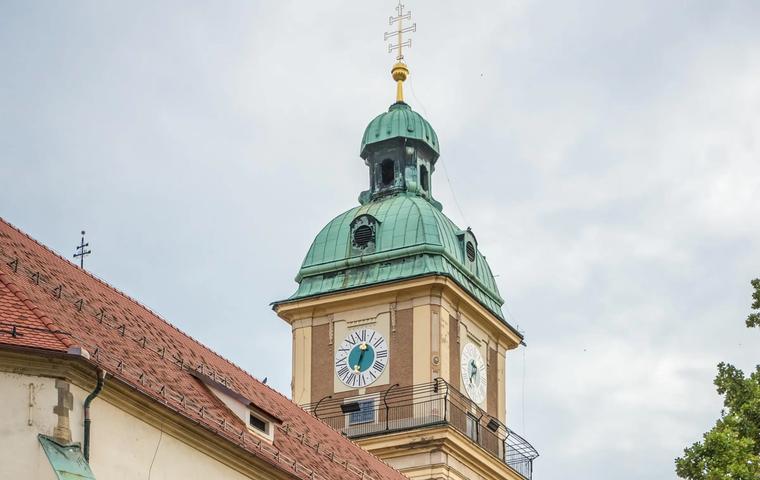
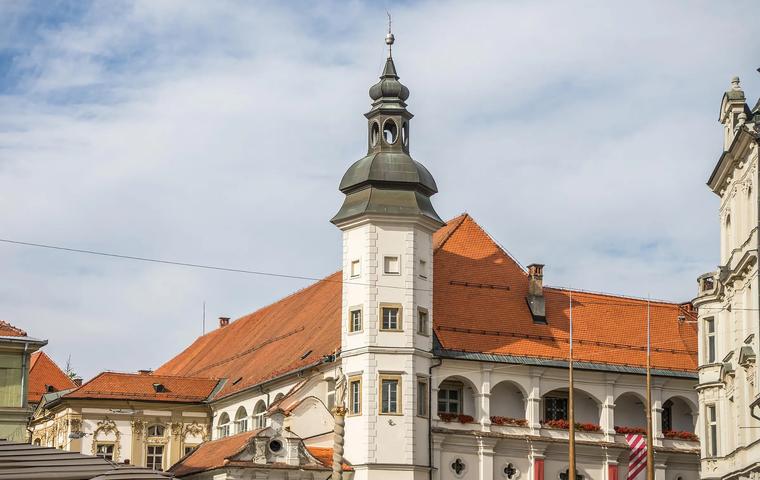
From the train station – 15-minute walk. From the Main Square (Glavni trg) – 5 minutes downhill. City buses Marprom (€2 / $2.15), but the centre is walkable in 20 minutes. Free Maister electric shuttle runs through the pedestrian zone.