Blog · Insurance
Travel Insurance for Albania – Do You Really Need It and What Does It Cost?
 Insurance
In this article
- 01Why You Need Insurance in Albania – Real Risks
- 02What Travel Insurance Should Cover
- 03How Much Does Travel Insurance for Albania Cost?
- 04Healthcare in Albania – What to Expect
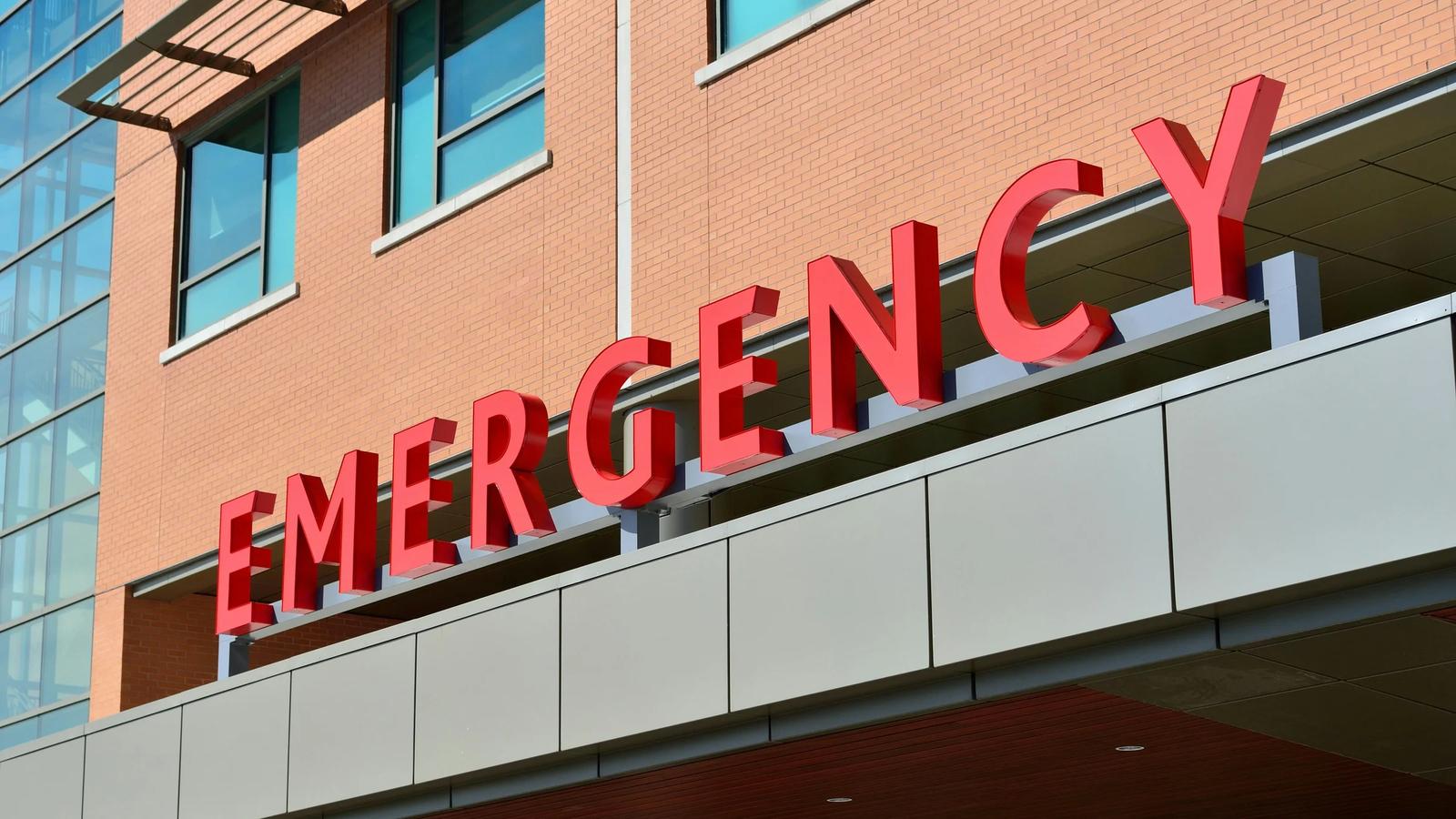
- 05What to Do in Case of a Medical Emergency
- 06When You Might Not Need Separate Insurance
- 07Frequently Asked Questions
- 08Conclusion
Some links are affiliate links. You pay the same, and we may earn a commission.
Albania doesn't legally require travel insurance, but a mountain rescue can cost $25,000+. Real prices for healthcare, policy comparison, and what to look for before you go.
Travel insurance is not legally required for short tourist visits to Albania. That said, it's strongly recommended by every government advisory body – and for good reason. Healthcare outside Tirana is limited, emergency evacuation from mountain areas can exceed $25 000, and private clinic visits start at €30–60 per consultation. If you're applying for a long-term visa or residence permit, a policy with at least €30 000 coverage is mandatory.
Key facts:
- Not legally mandatory for short-term tourism, but strongly recommended and may be checked at the border
- €30 000 minimum coverage required for visa and residence permit applications
- Public healthcare is underfunded – overcrowded hospitals, outdated equipment, and informal payments are common
- Private clinics are concentrated in Tirana – outside the capital, medical care is significantly weaker
- EKTA START policy costs from $7 for 7 days – one of the most affordable options for the Balkans
- Medical evacuation to Greece or Italy may be necessary for serious conditions – Saranda to Corfu is just 45 minutes by ferry
- Check your nationality's visa requirements – some nationalities need an e-Visa, which lists travel insurance as a required document

Why You Need Insurance in Albania – Real Risks
Albania isn't a package resort destination, and the risks reflect that. Mountain roads without guardrails, rocky beaches, unpredictable highland weather, and limited emergency services in rural areas all increase the chance of needing medical help.
The public healthcare system is chronically underfunded. Healthcare spending sits at roughly $275 per capita – among the lowest in Europe. The main public hospital (QSUT – University Hospital Center in Tirana) handles most serious cases but is overcrowded and equipment-limited. Unofficial payments to medical staff remain a widespread practice, even for local citizens.
Private healthcare has improved significantly in Tirana: American Hospital (JCI-accredited), Hygeia Hospital (Greek chain), Salus Hospital, and German Hospital offer modern diagnostics and English-speaking doctors. But these facilities exist almost exclusively in the capital. A GP consultation at a private clinic costs €30–60, diagnostics from €50, and inpatient care from €200 per day. Complex surgery can reach €2 000–5 000, and serious cases often require evacuation to Italy (Bari, Brindisi) or Greece (Corfu, Athens) – which without insurance can cost tens of thousands of euros.
What Travel Insurance Should Cover
When choosing a policy for Albania, pay attention to these critical differences between basic and comprehensive plans.
Essential coverage
| Feature | Why it matters |
|---|---|
Medical coverage | At least €30 000 – required for visa, practical for peace of mind |
Emergency treatment | Ambulance, hospitalization, outpatient care |
Medical evacuation | Transport to nearest suitable hospital or cross-border to Greece/Italy |
Repatriation | Return home in case of serious illness or death |
Emergency dental | At minimum, acute pain relief |
Extended options (recommended)
| Feature | When it's critical |
|---|---|
Active/extreme sports | Hiking, kayaking, diving |
Lost luggage | Especially with connecting flights |
Trip cancellation | If flights and hotels are prepaid |
Third-party liability | Car rental, accidental property damage |
Alcohol coverage | Most basic plans exclude incidents involving alcohol |
Important: If you're planning the Theth–Valbona trail or the Llogara Pass route, choose a policy that covers "active rest" or "extreme sports." Basic "quiet rest" plans do not cover hiking injuries.
How Much Does Travel Insurance for Albania Cost?
Prices depend on duration, coverage level, and activity type. Below are current rates from Ekta (updated: March 2026).
| Plan | Duration | Activity type | Coverage | Price |
|---|---|---|---|---|
EKTA START | 7 days | Quiet rest | Basic (25% deductible) | from $7 |
EKTA GOLD | 7 days | Quiet rest | Extended (no deductible) | from $12 |
EKTA GOLD | 7 days | Extreme/sport | Extended + activities | from $37 |
EKTA MAX+ | 7 days | Quiet rest | Full (luggage, cancellation, legal) | from $42 |
EKTA MAX+ | 7 days | Extreme/sport | Maximum | from $125 |
How to read this table: For a typical week on the beaches of Saranda or Himara, the GOLD plan is sufficient – no deductible, water sports covered. If you're heading to the Albanian Alps or renting a motorcycle, you need the extreme sports tier. The difference between $12 and $37 is the price of peace of mind when injured on a mountain trail.
Note on the START plan: The 25% deductible means on a $1 000 hospital bill, you pay $250 out of pocket. For full coverage with no co-pay, choose GOLD or MAX+.
Healthcare in Albania – What to Expect
If you do need medical care, here's what the reality looks like.
In Tirana: The situation is acceptable. American Hospital and Hygeia Hospital operate at near-European standards with English-speaking staff. Wait times at private clinics range from 15 minutes to an hour.
In Durres and Vlora: Regional public hospitals and some private offices exist, but quality is noticeably lower. Serious cases are transferred to Tirana.
On the Riviera (Saranda, Himara) and especially in mountain areas (Shkoder, Theth, Valbona), medical infrastructure is minimal. The nearest serious care is in Tirana or via ferry from Saranda to Corfu, Greece (45 minutes).
Pharmacies (farmaci) in larger cities stay open late and sell most medications without a prescription. Drug prices are low by European standards. Bring prescriptions in English – medication names may differ locally.
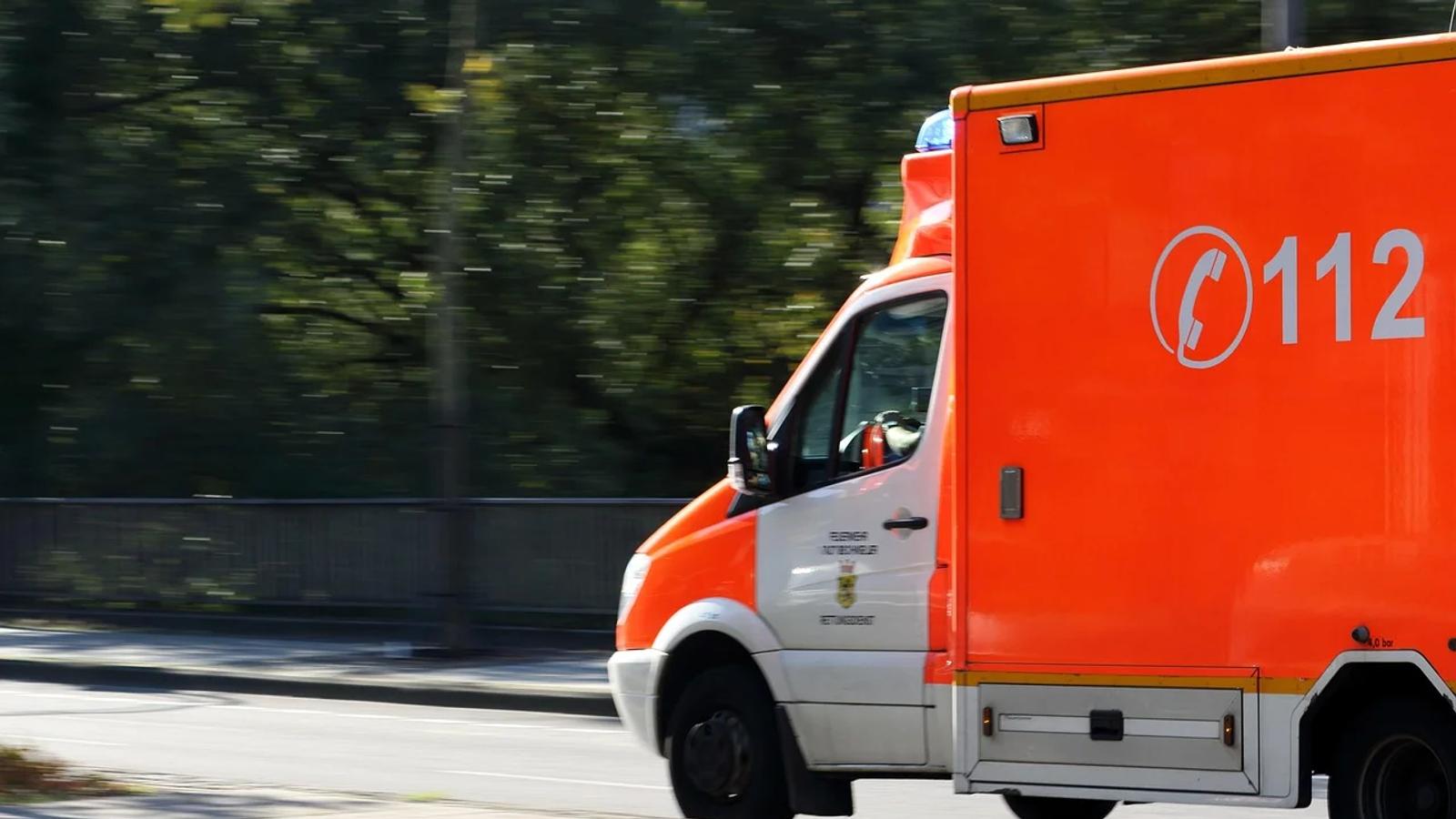
Emergency numbers: 127 (medical), 112 (general emergency). Response time in Tirana is 15–30 minutes; outside the capital, it can stretch to an hour or more.
What to Do in Case of a Medical Emergency
The process is broadly the same regardless of your insurer:
Step 1. Contact your insurance assistance line. Call the hotline or message via app/messenger (Ekta, for example, offers 24/7 support via Telegram and Viber). Unless it's life-threatening, don't go to a hospital without contacting your insurer first.
Step 2. Get a referral to a specific clinic. The assistance company will coordinate direct payment with the hospital – ideally you won't pay out of pocket.
Step 3. Keep all documentation: discharge summaries, prescriptions, receipts, test results. Even if the clinic was paid directly, you'll need these for disputes.
Step 4. If you had to pay upfront (emergency situation, small town), collect receipts and file a reimbursement claim within the deadline specified in your policy (typically 30 days after return).
When You Might Not Need Separate Insurance
In fairness, some travelers may already be covered:
Holders of international health plans or expat insurance with global coverage – verify that Albania is included and that medical evacuation is covered.
Premium credit card holders – some cards (Visa Infinite, Mastercard World Elite) include basic travel medical coverage. However, limits are usually low ($2 000–5 000) and don't replace a proper policy.
EU citizens with EHIC/GHIC cards – these partially cover costs at Albanian public hospitals under bilateral agreements, but don't provide the level of coverage you'd want for mountain hiking or Riviera water sports.
For everyone else – and especially for anyone planning activities outside Tirana – a dedicated travel insurance policy is a smart investment at just $7–12 per week.
Frequently Asked Questions
1. Is travel insurance mandatory for Albania? No, it's not legally required for short tourist stays. However, it may be required as part of a visa application (e.g., for nationalities needing an e-Visa). Practically, without insurance you risk paying thousands of euros for private medical care or evacuation.
2. What's the cheapest travel insurance for Albania? The EKTA START plan costs from $7 for 7 days of quiet rest. This covers emergency medical care but with a 25% deductible. For full coverage with no deductible, EKTA GOLD starts at $12. Prices current as of March 2026.
3. Can I use public hospitals for free as a tourist? Technically, emergency care at public hospitals may be provided to foreigners, but the experience is unpredictable. Quality is low, equipment outdated, and informal payments to staff are common practice. Private clinics are significantly better but charge full rates.
4. What insurance do I need for hiking the Albanian Alps? You need a plan that covers "active rest" or "extreme sports" – basic "quiet rest" plans exclude hiking injuries. With Ekta, that's GOLD Extreme from $37 for 7 days, or MAX+ Extreme from $125 for maximum coverage including helicopter evacuation.
5. Are there good hospitals outside Tirana? Quality drops significantly outside the capital. Durres and Vlora have regional hospitals, but for anything beyond basic treatment, patients are typically transferred to Tirana. In the south, Saranda is a 45-minute ferry ride from Corfu General Hospital in Greece, which is a major step up.
Conclusion
Travel insurance for Albania isn't a bureaucratic formality – it's practical protection in a country where quality healthcare is concentrated in one city and emergency evacuation from mountain or coastal areas can cost more than the entire trip. At $7–12 per week for a solid policy, it's one of the cheapest safety nets you can buy.
Read also:
- Healthcare for Tourists in Albania: Hospitals, Pharmacies and Insurance
- How Much Does a Trip to Albania Cost – Budget for 7, 10 and 14 Days
- Best Beaches in Albania – Complete Ranking with Prices and Tips
Sources:
- Albania e-Visa portal
- UK FCDO – Albania travel advice
- Expatlife.ai – Healthcare in Albania 2026
- Investropa – Medical costs for expats in Albania
- EKTA Traveling – Insurance plans
Places to see in Albania
You may also like
Car Rental in Albania: Companies, Insurance, Roads and Hidden Pitfalls
Complete guide to renting a car in Albania: where to book, costs, insurance traps, road conditions, fuel prices, parking and cross-border trips.
February 25, 2026
VPN in Albania: TikTok's Back, But Hotel WiFi Is Still a Trap
Albania lifted the TikTok ban in February 2026 – but VPN still matters. Real reasons: hotel WiFi sniffing, streaming geo-blocks, and why free VPNs cost more than $3/month ones.
April 26, 2026
Day Trips from Saranda: 5 Honest Tour Picks (and Where Combo Tours Lie)
Butrint, Blue Eye, Ksamil and Gjirokastra in one day – with real prices, drive times and which combo tours are worth it. Includes ferry to Corfu logistics.
April 26, 2026
Localrent Albania: How to Find a No-Deposit Car and Check Insurance
"No deposit" does not guarantee full insurance. Follow a real €247.38 quote to the payment boundary and see what to verify first.
July 16, 2026
Albania in August: 32°C, Peak Crowds & Where to Find a Quiet Beach
August brings 10 hours of sun a day and 25°C sea – but Riviera accommodation costs 40–60% more than May. An honest look at whether peak season is worth it, plus the uncrowded coves right next to packed Ksamil.
July 12, 2026
Beachfront Hotels in Albania: Best Picks by Resort with 2026 Prices
From Ksamil to Durres – specific hotels with their own sunbeds on the beach, real prices, and the weak spots nobody mentions.
April 24, 2026