Tickets & prices
Free entry. Open 24/7 with no restrictions.
Ura e Mesit
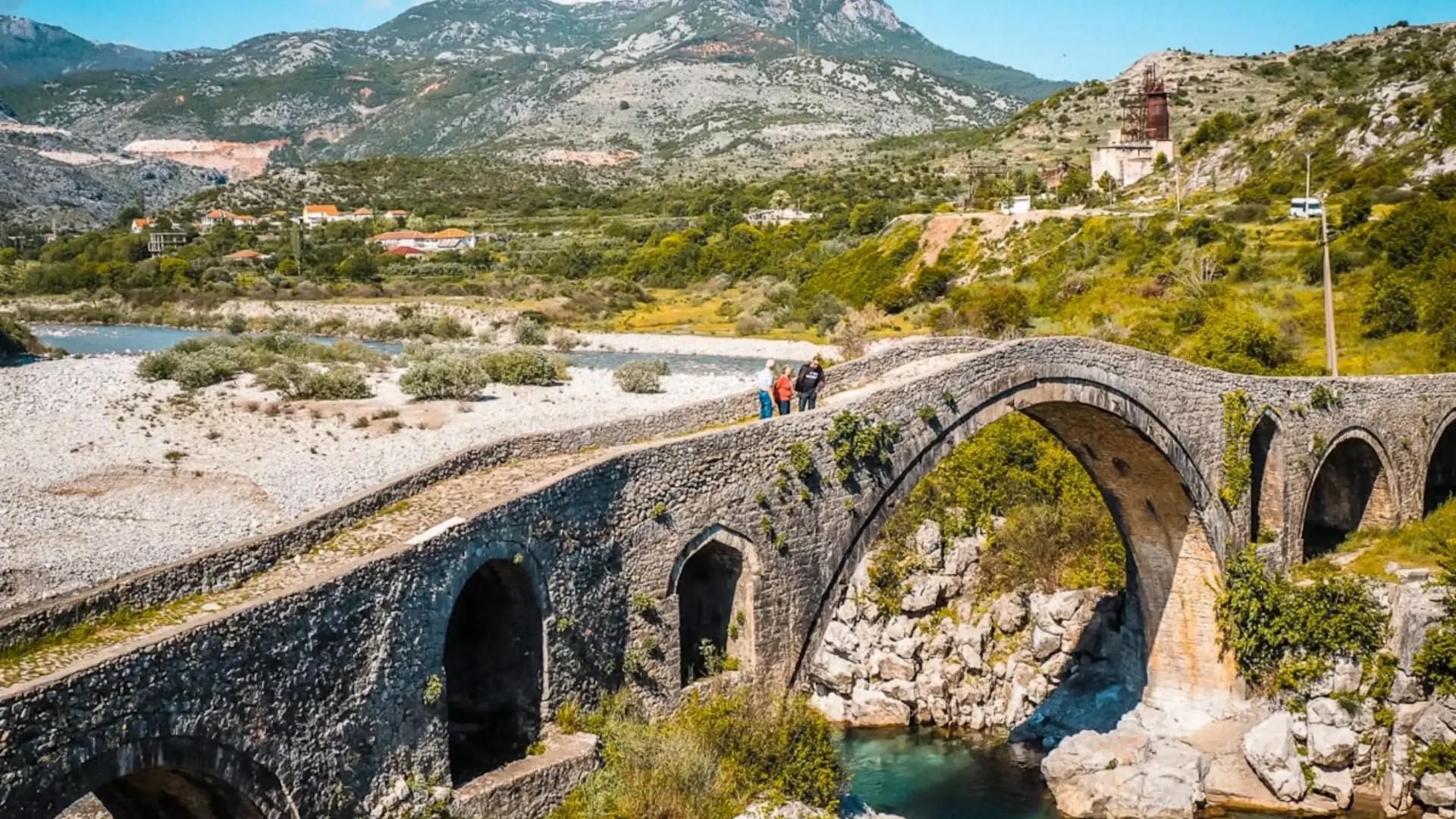
18th-century Ottoman stone bridge, 108 m long with 13 arches over the Kir River – the longest historic bridge in Albania
Mes Bridge (Ura e Mesit) is a stone bridge dating to around 1770, located in the village of Mes, 8 km northeast of Shkodër. Its 13 arches of varying sizes span 108 m across the Kir River. The central arch is the tallest (15 m) with a span of 21.5 m. The bridge holds the status of a Category I Cultural Monument of Albania.
From central Shkodër, it's a 15-minute drive or taxi ride along the road to Drisht. By bicycle, 20–25 minutes along a quiet country road. Free parking on both riverbanks.
Entry is free, and the site is open around the clock. Allow 20–40 minutes for a visit. In summer the river can dry up; the best photos are in spring when the water is high.
The bridge rests on river boulders, giving it a characteristically asymmetric silhouette – builders worked around large rocks in the riverbed, causing the structure to shift slightly off its longitudinal axis. The masonry consists of round river stones and stone slabs laid without mortar. The central arch was built first, along with one adjacent arch, followed by 11 side arches to protect against flooding. The walkway is 3.4 m wide, paved with vertically set stone slabs that create a step-like effect on the inclines.
The best photo spots are from the downstream bank, where all 13 arches are visible. In spring, the Kir River water has a turquoise tint and the bridge looks particularly striking. In July–August the river often dries up. A modern road bridge runs parallel nearby, which somewhat detracts from the view, but can be excluded from photos with the right angle.
Locals swim in the river near the bridge during warmer months. The village of Mes has a few small cafés. A few kilometres up the valley lies Drisht Castle, which can be combined into a visit.
Length – 108 m with 13 arches, the longest surviving Ottoman bridge in Albania
Central arch – 21.5 m span, 15 m above the riverbed
Built – around 1770, commissioned by Kara Mahmud Bushati, Ottoman pasha of Shkodër
Materials – river stones and stone slabs laid without mortar
Status – Category I Cultural Monument of Albania
Restoration – the Albanian Development Fund invested 13 million ALL to provide tourist access
The bridge was built around 1770 by order of Kara Mahmud Bushati (Mehmet Pasha Bushatli), the Ottoman governor of Shkodër. It connected the city with the highland areas of Drisht and Cukali, serving the Shkodër–Kosovo trade route that had existed since pre-Roman times. Construction took place in two phases: first the central arch and three adjacent ones, then – when floodwaters began bypassing the structure – nine more arches were added (five on the left, four on the right). The masons came from Dibra, a region known for its skilled stoneworkers.
Over 250 years, the bridge was repeatedly damaged by floods but restored each time. In the early 21st century, the Albanian Development Fund invested 13 million ALL in improving approaches and pedestrian access. Today the bridge has Category I cultural monument status and is one of the most photographed landmarks in the Shkodër region.
Free entry. Open 24/7 with no restrictions.
The bridge is pedestrian-only – no vehicles. The stone surface is uneven and can be slippery – wear comfortable shoes. There are no railings along the edges; be cautious with children. Swimming near the bridge is possible, but water levels are unpredictable – the river often dries up in July–August.
Free parking on both banks. A few small cafés in Mes village. No toilets at the bridge. Mobile signal is stable. The bridge surface is relatively flat but has no ramps – limited wheelchair accessibility.
From central Shkodër (8 km, 15 min):
– Taxi: 500–700 ALL (~€5–7), driver can wait
– Bicycle: 20–25 min on a quiet road through villages (rentals at Shkodër hotels)
– On foot: about 1.5 hours
– Public transport is limited – arrange a return taxi in advance
From Tirana (110 km, 2.5 hours):
– Bus to Shkodër: from 400 ALL (~€4), then taxi
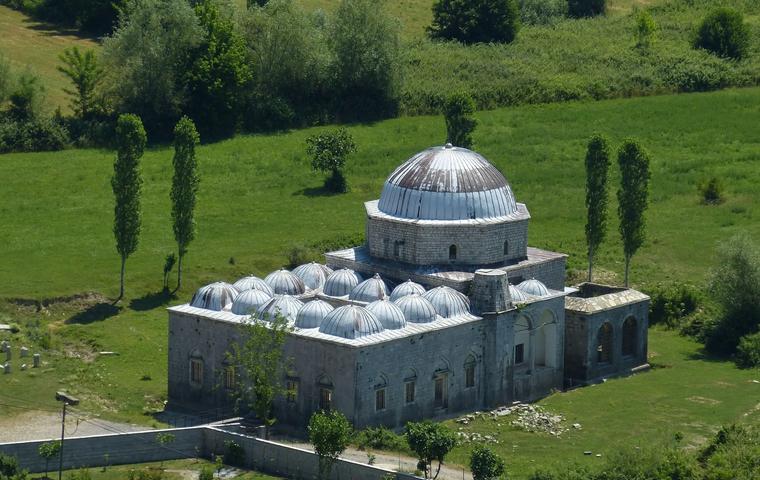
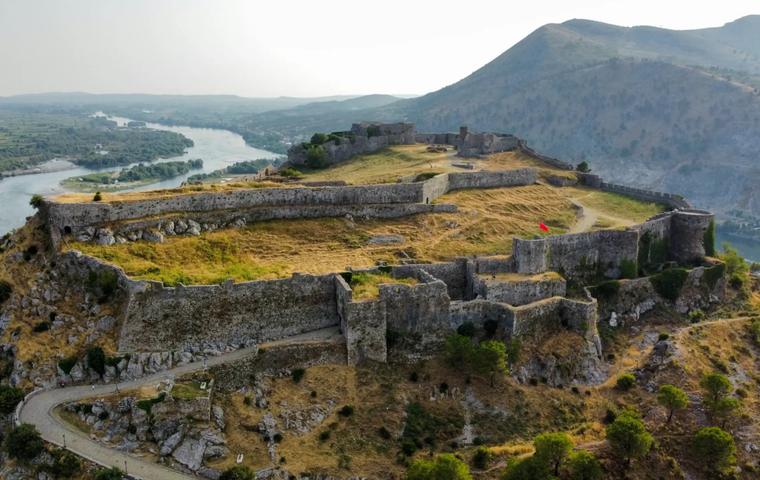
– Car rental: convenient to combine with Rozafa Castle and the Lead Mosque
On-site:
From the parking area to the bridge is a 2–3 minute walk. The road is signposted.
Season: April–June – the river is full and the water has a turquoise tint. Autumn (September–October) is also good. In July–August the river often dries up.
Time of day: early morning or golden hour before sunset for the best light.
Duration: 20–40 minutes for the walk and photos.
Avoid: July–August if you want to see water under the bridge. Tourist peak is mornings during summer.
Practical answers about visiting, routes and time on site.
No, entry is completely free. Parking is also free on both sides of the river.
20–40 minutes for walking across the bridge and taking photos. Add 15–20 minutes if you plan to go down to the riverbank.
Yes, and it's one of the best options. The road from Shkodër is 8 km, about 20–25 minutes along quiet village streets. Bicycle rentals are available at hotels and hostels in town.
In spring (April–June) the water is usually high and turquoise-coloured. In July–August the river often dries up.
Locals swim near the bridge in warmer months, but water levels are unpredictable. There are no lifeguards or swimming facilities.
A taxi from central Shkodër costs 500–700 ALL (~€5–7). Ask the driver to wait – catching a return taxi in Mes village is difficult. Cycling is also a great option.
Drisht Castle is a few kilometres up the valley. On the way back, you can stop at Rozafa Castle and the Lead Mosque.
Mes village has 1–2 small cafés. For a full meal, it's better to head back to Shkodër.
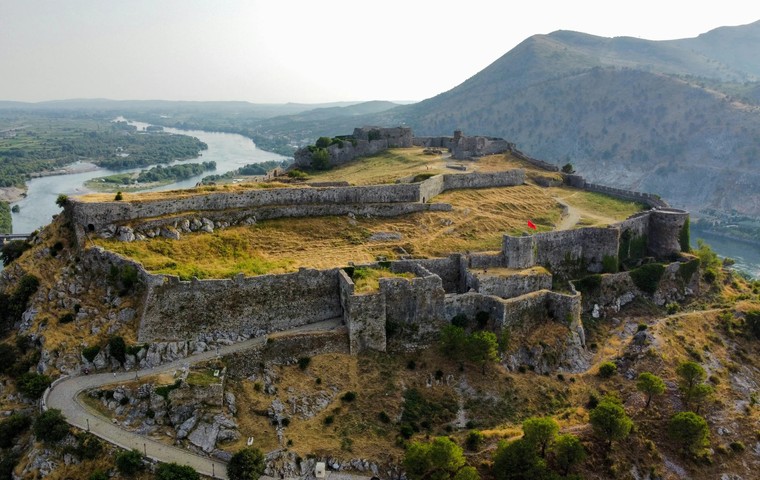
Shkodër is northern Albania's largest city, home to Rozafa Castle, Lake Shkodër and the trailhead to Theth and Valbona. A practical 1–2 day plan with prices, transport and insider tips.
March 09, 2026
How to drive from Ulcinj, Montenegro to Shkodër, Albania – Sukobin-Muriqan border crossing, rental car documents, Green Card insurance, what to see, and trip costs in 2026
February 24, 2026