Buća-Luković Summer House
Palata Buća Luković
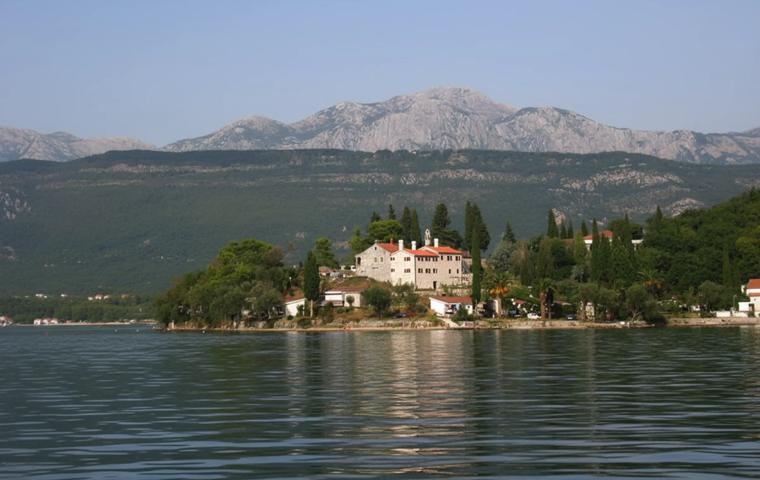
A Renaissance noble residence retaining details from the 16th century.
About
Once home to a noble family, the residence combines features of a fortified house and summer villa. Today it hosts a museum display and exhibitions, preserving the memory of old Tivat.
Transport
Travel time
On foot from Tivat center25–37 min.200 m
By car from Tivat1 min.200 m
From the airport Tivat · TIV11 min.3 km
On the map
Location
In detail
What's here
What is this place
The Buća–Luković Summer Residence is a fortified Renaissance estate in Tivat’s very centre, a rare local example of a ljetnjikovac. Today it functions as the town’s museum-gallery hub with an atrium stage and rotating exhibitions.
Key features
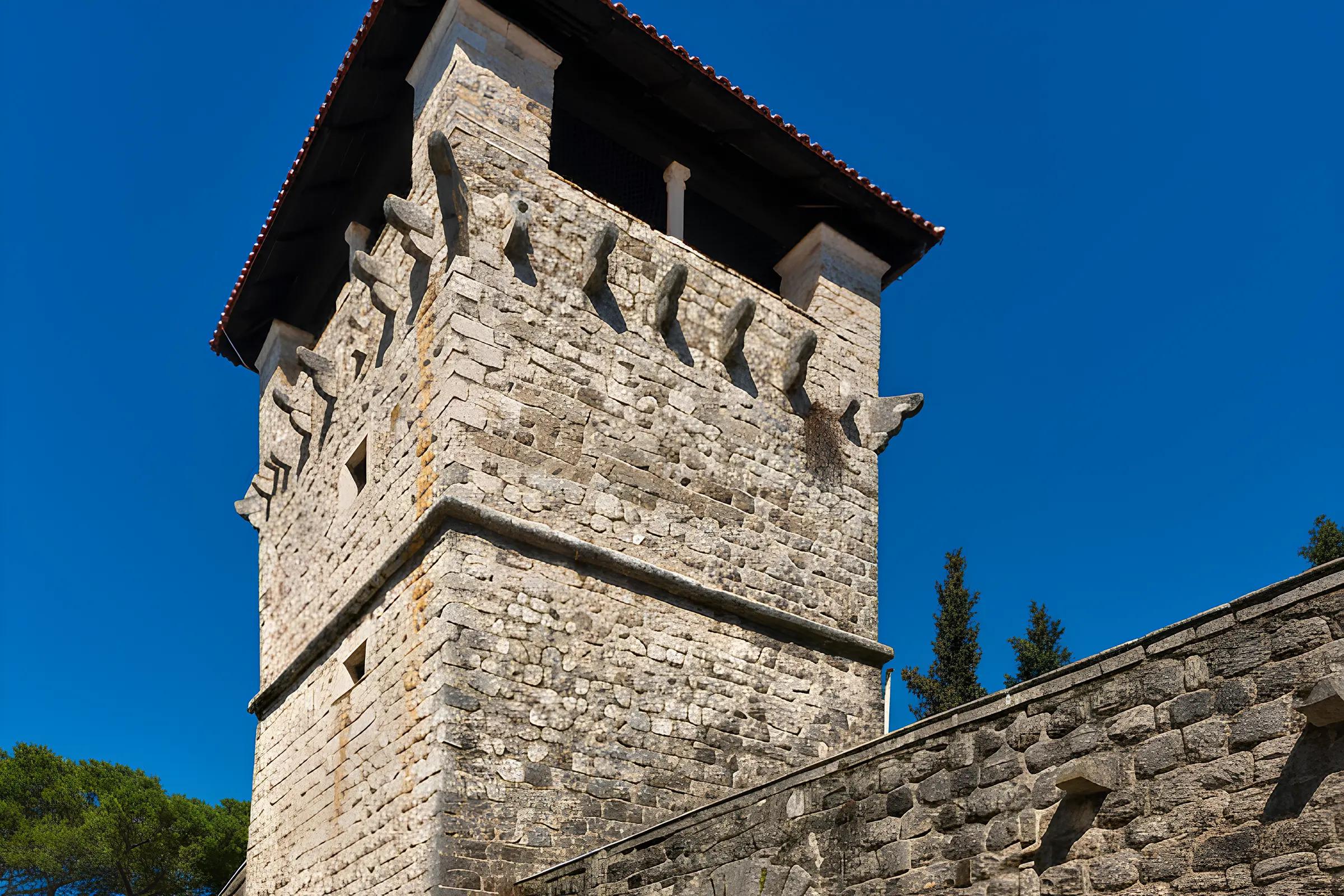
- Core from the 14th century, with 15th–16th-century additions – the most monumental and best-preserved ljetnjikovac in Tivat.
- Layout: a residential defence tower, service house, family chapel of St Michael, a grand gate and a garden.
- A stone walkway to the sea with ~130 decorative posts – a signature feature of the estate.
- Now home to the Tivat Museum & Gallery: permanent/temporary shows and a summer stage for literary and music events.
- Protected heritage complex (valid conservation dossier 2013) – all works/events follow conservation rules.
What to see
- The stone tower and cloistered court with the Chapel of St Michael.
- Gallery rooms hosting ethnographic and art exhibitions.
- The summer stage and garden terraces overlooking Tivat’s historic core.
History
Founded as a countryside residence of the prominent Kotor family Buća in the 14th century, the complex was repeatedly enlarged and fortified; by the 16th century it included a tower-house, chapel, service buildings and a garden.
In the early 19th century (1812) it passed to the Luković family. In the second half of the 20th century the ensemble was adapted for cultural use: museum-gallery spaces in the main house and an open-air stage in the court.
From 2013 to 2024 its protected-site status has been confirmed and updated; today it remains Tivat’s key cultural venue with year-round programming.
Practical information
Location: central Tivat, in the old-town area a few minutes’ walk from the Pine waterfront and Porto Montenegro; access from Njegoševa Street and the main square.
Getting there: from Tivat bus station it is a 10–15 minute walk downhill towards the seafront and Porto Montenegro; by car you can use municipal paid parking areas and seafront lots, then walk a short distance to the square around the Buća-Luković complex.
Access: entry to the courtyard and museum/gallery spaces is generally free or subject to a modest fee; the site is run by the Tivat Cultural Centre and the town Museum & Gallery, and the courtyard regularly hosts public events.
Visiting hours: the museum and gallery typically open during daytime and early evening, with hours varying by season and exhibition programme; it is advisable to check current opening times locally or via tourist information before your visit.
Visit duration: 30–60 minutes are enough to explore the courtyard, see the tower from outside and view the main displays; if you attend an exhibition or evening cultural event, plan for 1.5–2 hours.
Best time: daytime for museum visits and exterior photos; evenings and warm summer nights are ideal for concerts, readings and events in the courtyard.
Notes: during festivals and major town events parts of the courtyard may be occupied by a stage and seating; in high season it is worth checking the programme in advance, as access to some rooms can be restricted during performances.
Buća-Luković Summer House
Articles about this place
Tours
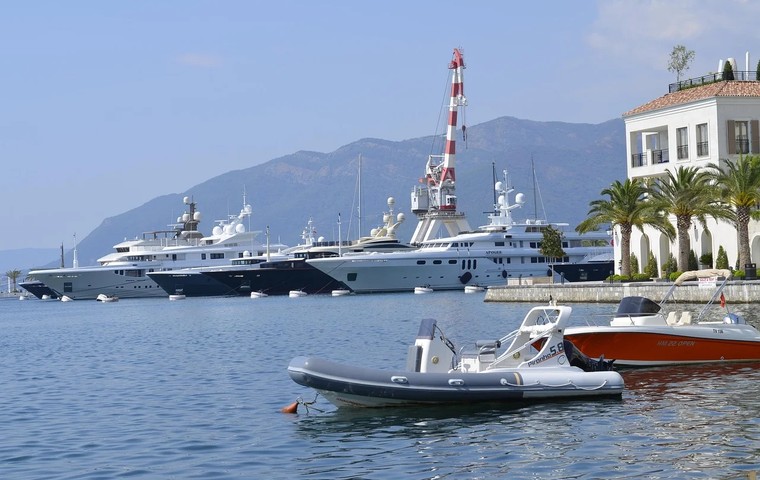
Tivat & Porto Montenegro: The Insider's Guide to Montenegro's Most Modern Town
Most tourists skip Tivat on the way to their resort. Here's why that's a mistake – a Platinum-rated marina, 17 beaches, and prices lower than Budva.
March 26, 2026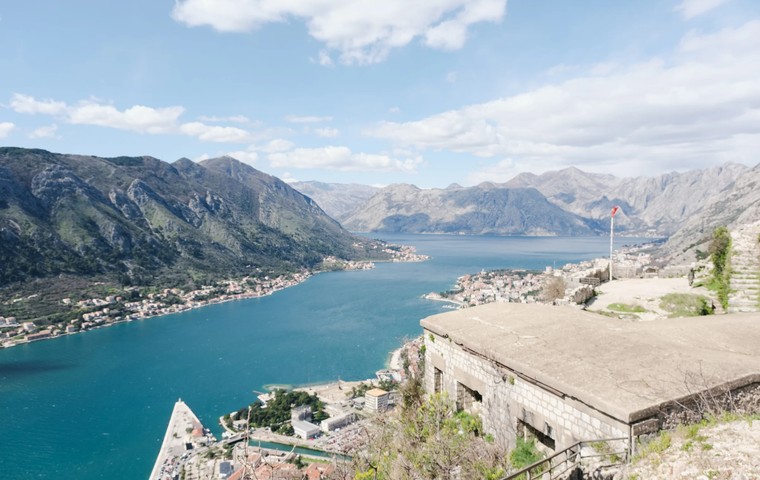
Accommodation
Tivat or Herceg Novi: Where to Stay in the Bay of Kotor?
Tivat has the airport and a yacht marina. Herceg Novi has medieval fortresses and lower prices. An honest comparison of two bases for exploring Boka Bay.
March 17, 2026Nearby