Hero background

Narta Lagoon

Laguna e Nartës

Albania's second-largest lagoon spanning 42 km² – home to a colony of 3,000 greater flamingos

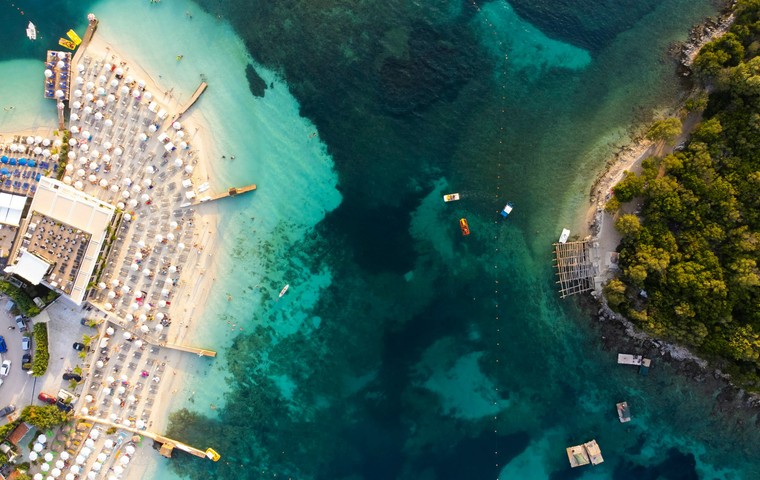
Narta Lagoon is a saltwater lagoon of the Adriatic Sea covering 42 km² on the coast of southwestern Albania, 15 km northwest of central Vlora. It forms part of the Vjosa-Narta Protected Landscape and is recognized as an internationally Important Bird and Biodiversity Area. Maximum depth is just 1.5 m.

Reachable from Vlora by car in 20–30 minutes. The best way to explore is by rental car, making stops along the road. Taxi – 1,000–1,500 ALL (≈ €10–15 / $11–16).

Free and open access. Allow 2–3 hours for the main viewpoints (salt pans, dunes, Zvërnec bridge). Organized birdwatching tours from Vlora start at €30–50 per person.

Location

On the Map

About

What's Here

The lagoon is separated from the Adriatic Sea by a narrow strip of alluvial dunes stretching 8 km. The water is saline – salinity ranges from 28‰ in winter to 75‰ in summer – making this a natural salt source since ancient times. The northern section (about 1,500 hectares) was converted into the Skrofotina salt pans in the 1950s, which remain operational. The shallow basins with dikes and islets unintentionally created ideal nesting conditions for waterbirds.

The star attraction is the birdlife. The lagoon hosts around 3,000 greater flamingos, Dalmatian and great white pelicans, herons, cormorants, and waders – over 200 bird species in total, with up to 34,800 wintering individuals recorded. Flamingos are most often seen on the salt pans: pink clusters against white salt fields visible even without binoculars. Two birdwatching towers are positioned along the road separating the lagoon from the salt works.

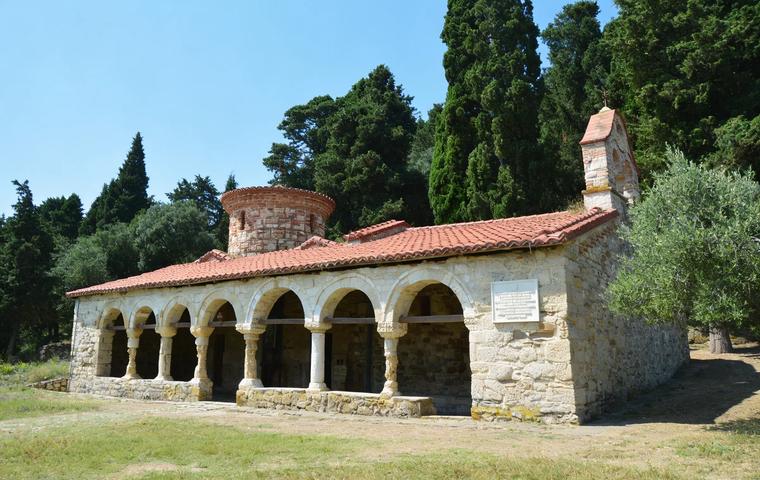
Beyond birds, the landscape includes Mediterranean pine forests, sand dunes near the Vjosa River mouth, and Zvërnec Island with its Byzantine monastery connected to shore by a wooden bridge. The entire area has an untouched character: minimal construction, silence, the scent of pine and salt water.

Why Visit

The Highlights

Area – 42 km², Albania's second-largest coastal lagoon

Flamingos – resident colony of 3,000 greater flamingos (2020 data)

Biodiversity – over 200 bird species, 102 fish species, up to 34,800 wintering birds

Protected status – part of the Vjosa-Narta Protected Landscape, internationally recognized Important Bird Area

Salt pans – operational salt works covering 1,500 hectares, exploited since Roman times

Zvërnec Island – the lagoon contains an island with a 13th–14th century Byzantine monastery

History

Past & Present

Narta Lagoon formed through centuries of alluvial accumulation from the Vjosa River, which originates in the Pindus Mountains near the Albanian-Greek border. The lagoon's saline waters have been used for salt extraction since Roman times. In the 1950s, the northern section was converted into the Skrofotina industrial salt pans covering 1,500 hectares – shallow basins with dikes and islets that unintentionally created ideal nesting habitat for waterbirds.

In 2023, the Vjosa River was declared Europe's first Wild River National Park, and the lagoon became part of the Vjosa-Narta Protected Landscape (total area 12,727 hectares). However, the ecosystem faces threats: construction of Akërni Airport within the lagoon zone drew protests from environmental organizations including BirdLife International. The airport site was removed from the protected landscape boundaries in 2023.

For Visitors

Visitor Information

Tickets & Prices

Independent visit:

Free entry. Open access, no restrictions.

Organized tours:

Birdwatching tour from Vlora (half-day) – from €30–50 per person. Includes transport, guide, stops at salt pans, dunes, and Zvërnec bridge.

Kayaking on the lagoon – check with local operators.

Rules & Restrictions

This is a protected landscape area. Do not leave litter. When birdwatching, keep a distance of 50–100 m from bird colonies. Binoculars are essential for comfortable viewing. Do not walk on salt pan dikes without permission. In summer, bring water, a hat, and sunscreen – there is virtually no shade.

On-Site Facilities

Minimal infrastructure. Birdwatching towers are positioned along Ngjoli Road. No toilets or cafés within the lagoon area. Fish restaurants are available in Narta village.

Parking: Along roads near the lagoon. No dedicated parking lots.

Accessibility: Birdwatching is possible directly from your car along the road. Walking trails through dunes and along salt pans are unpaved.

Getting There

Transport & Directions

From central Vlora (15 km, 20–30 min by car):

– By rental car – best option, allows stops at observation points along the road

– Taxi – 1,000–1,500 ALL (≈ €10–15 / $11–16) to the lagoon area

– Bus to Narta village – around 100 ALL, then 1–2 km walk to viewpoints

– Bicycle from Vlora – about 10 km, 40–60 minutes. Flat road but hot in summer

From Tirana (150 km, 2.5–3 hours):

By car on the SH4 highway to Vlora, then northwest.

When to go

Best time to visit

Season: Spring (April–May) and autumn (September–October) – peak migration, maximum bird diversity. Flamingos are present year-round but most active in spring and autumn.

Time of day: Early morning (6:00–9:00 AM) – birds are most active, soft light for photography. Late afternoon is also good.

Duration: 2–3 hours for an independent visit. Half a day with an organized tour.

Avoid: Midday hours – birds less active, hot. In winter, some unpaved roads may be difficult after rain.

FAQ

Common Questions

Yes. Flamingos are usually on the salt pans (Skrofotina) – visible from the road. Binoculars greatly enhance the experience, but the pink clusters against white salt fields are visible to the naked eye.

April–May and September–October offer peak migration and maximum species diversity. Flamingos are present year-round. Best time of day is early morning (6:00–9:00 AM).

For a basic visit, a car and binoculars are enough. For serious birdwatching, a guide is valuable: they know exact locations, seasonal patterns, and provide optics. Half-day tours cost €30–50.

Free. The area is open access. You only pay for organized tours (from €30–50) or a taxi from Vlora (1,000–1,500 ALL / ≈ €10–15).

Taxi from Vlora – 1,000–1,500 ALL. Bus to Narta village – around 100 ALL, then walk. Cycling is an option for the fit (10 km, flat road).

Yes. Children enjoy spotting flamingos and pelicans. Trails are flat and safe. Bring water, snacks, and sun hats – shade is scarce. Nearby Zvërnec Island – the bridge across the lagoon is a hit with kids.

Absolutely. Zvërnec Island sits right in the lagoon. Start with birdwatching in the morning, then walk across the bridge to the monastery. Both together take 3–4 hours.

Narta village has fish restaurants at reasonable prices. There are no cafés within the lagoon itself. Bring water and snacks.

Distance

Travel Time

From Vlora by taxi or transfer ~10 min.
From Berat by car ~1 h 12 min.
From Himara by car ~1 h 18 min.
From VLO airport (Vlora Airport (VLO)) by car ~16 min.
From TIA airport (Tirana Airport (TIA) ) by car ~2 h 33 min.
Social

Share