Blog · Tours
Cetinje & Lovćen: Montenegro's Royal Capital and a Mountaintop Mausoleum
 Tours
ToursIn this article
Some links are affiliate links. You pay the same, and we may earn a commission.
Cetinje was a European capital that the Ottomans never conquered. Atop Lovćen sits a mausoleum with 18 kg of gold on the ceiling. Here's what's actually worth seeing – and what it costs.
Cetinje is Montenegro's former royal capital, and Lovcen NP & Njegos Mausoleum is the spot from which you can see nearly 80% of the country's territory. Mount Lovćen gave Montenegro its name: Crna Gora, or "Black Mountain." These two destinations pair naturally into a single day trip – they're only about 15 km apart along a scenic mountain road.
Key facts
- Lovćen National Park entry costs €3–5 per person. The Njegoš Mausoleum is an additional €8 (€4 for students). Children under 7 enter free.
- 461 stone steps lead from the car park to the mausoleum – there is no elevator or alternative route.
- Kotor Cable Car offers a shortcut: 11 minutes up, return tickets from €18–23. Operates May to October; closes in high winds.
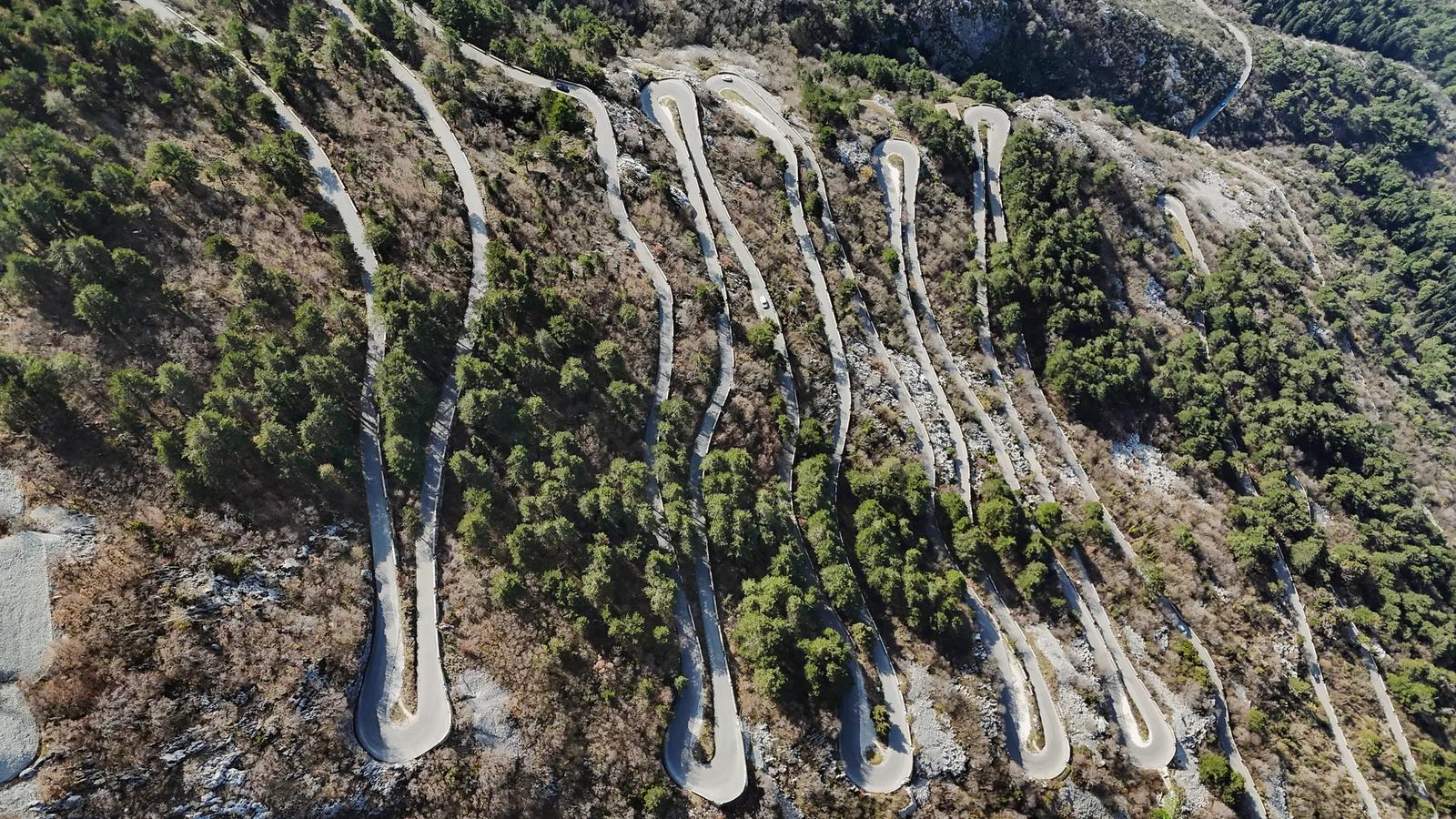
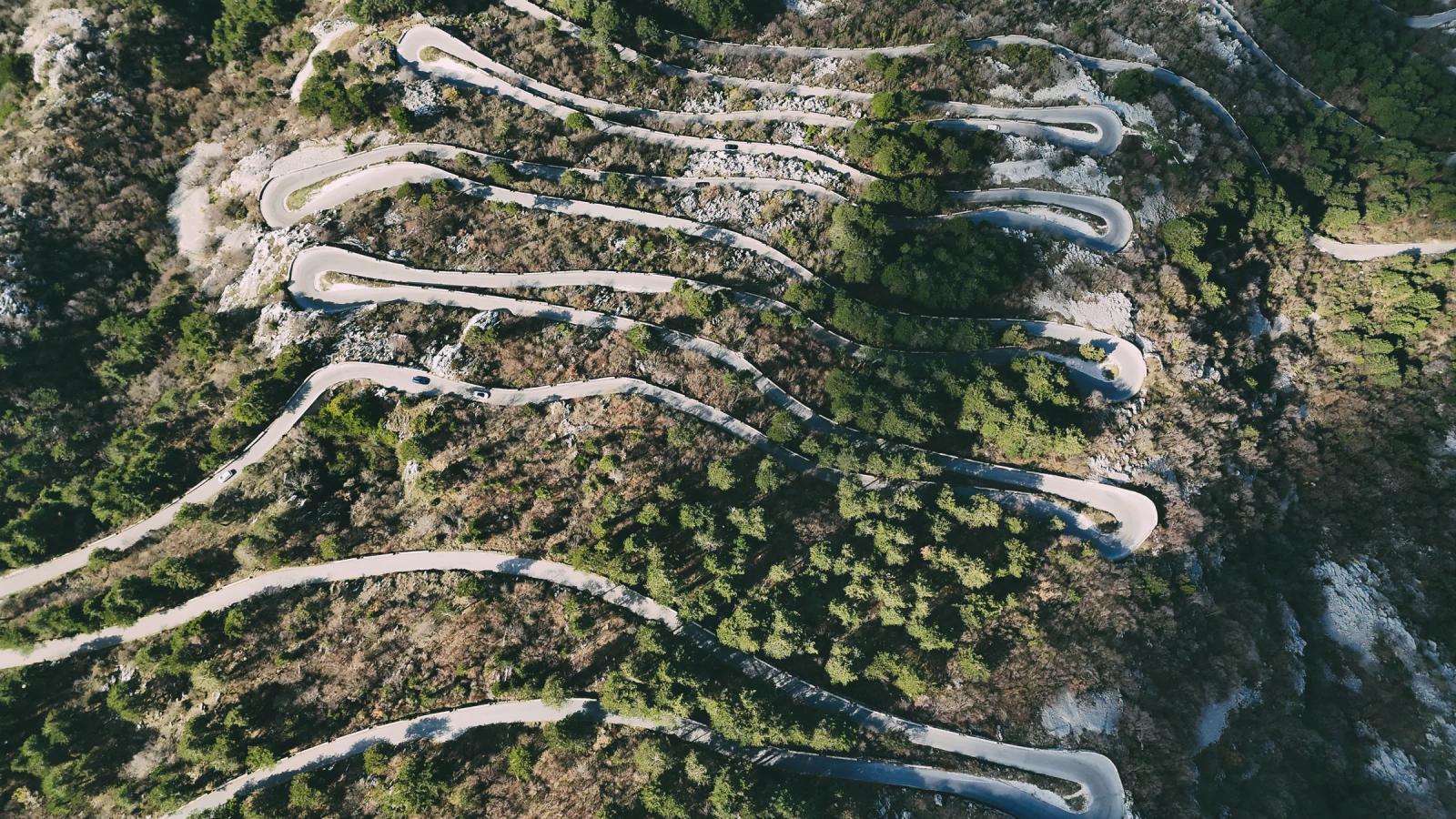
- The P1 Serpentine Road from Kotor has 25 hairpin turns above the Bay of Kotor – one of the most photographed drives in the Balkans.
- Cetinje Monastery is free to enter and houses relics including a fragment of the True Cross.
- A combined museum ticket for all Cetinje museums costs €12–15. Individual entries run €3–8 each.
- No public transport reaches Lovćen directly – buses go only to Cetinje.
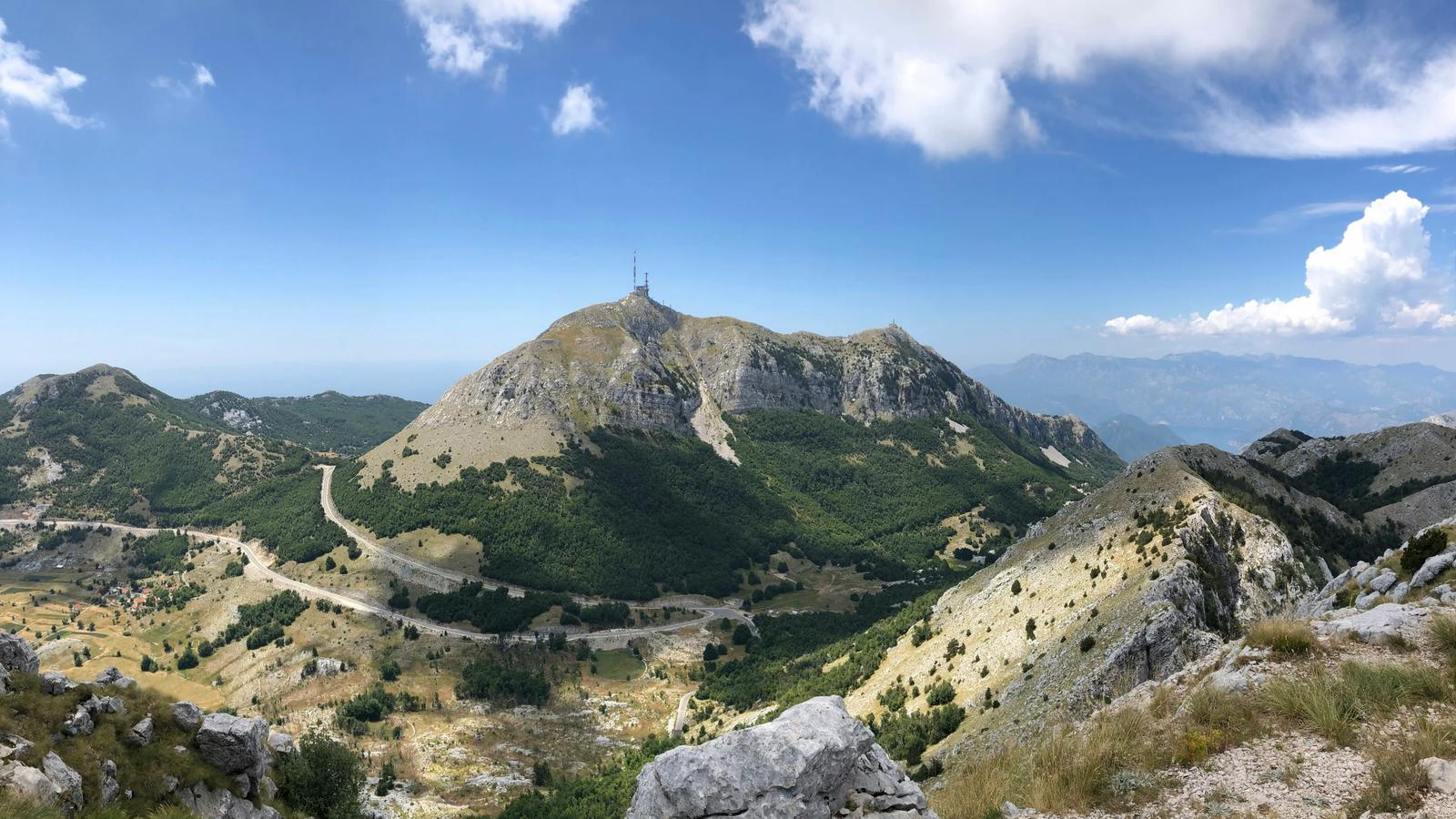
Lovćen National Park: what to expect
The park covers 6,220 hectares in the Dinaric Alps. The highest point is Štirovnik (1,749 m), but visitors head for Jezerski Vrh (1,657 m), where the Njegoš Mausoleum stands.
Lovćen is only 30 km from the coast, making it the only Montenegrin national park reachable from Budva or Kotor in under an hour. Temperatures at the summit are 8–10°C cooler than the coast – welcome relief in midsummer, but bring a jacket.
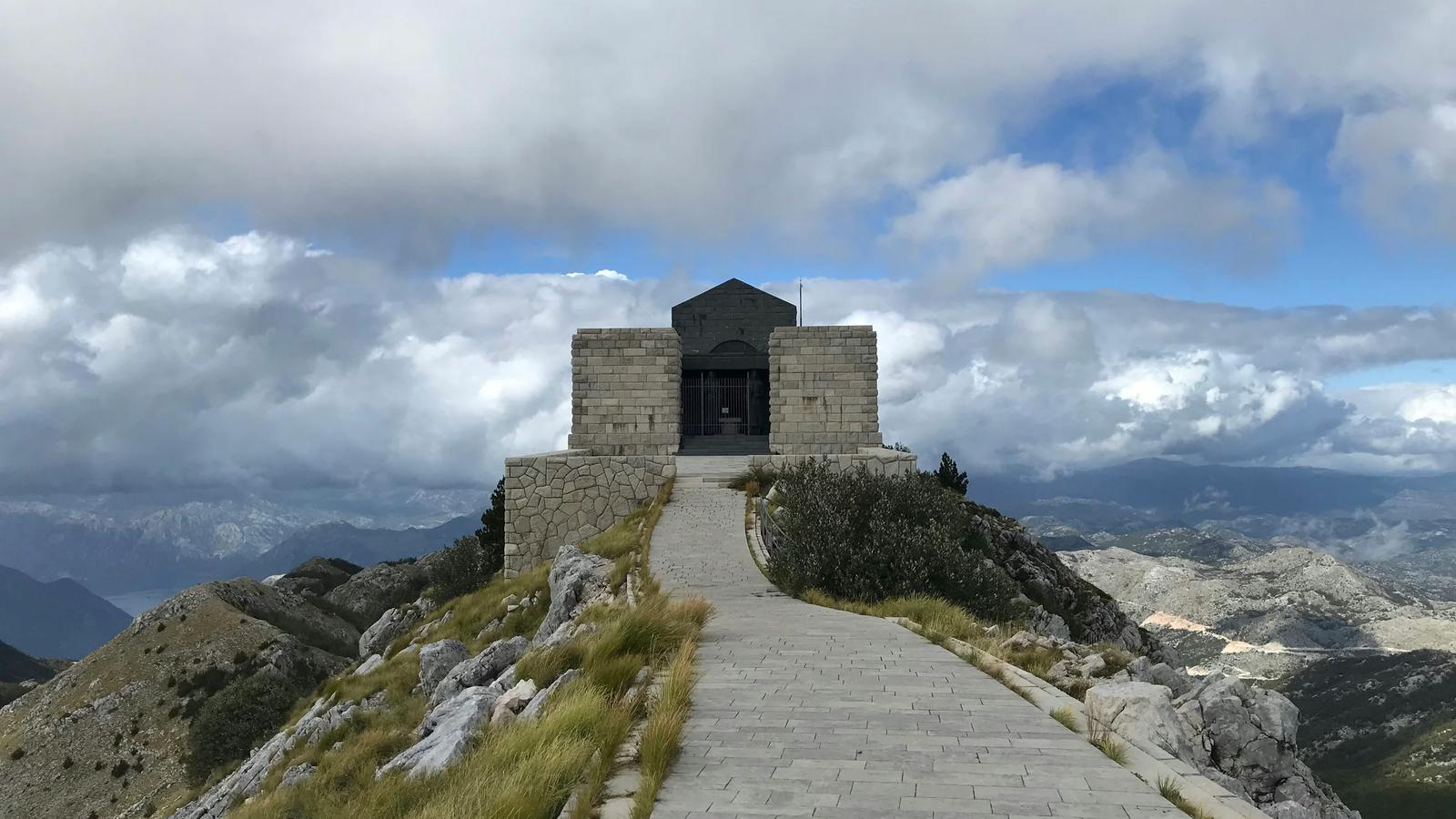
The Njegoš Mausoleum: why climb 461 steps
Petar II Petrović-Njegoš is Montenegro's greatest national hero: poet, philosopher, ruler, and bishop. He asked to be buried atop Lovćen. The mausoleum was designed by Croatian sculptor Ivan Meštrović and completed in 1974.
Inside, a 28-ton black granite statue of Njegoš sits beneath a ceiling covered in gold mosaic (18 kg of pure gold). Two granite caryatids depicting Montenegrin women in traditional dress flank the entrance.
Behind the mausoleum, a circular stone platform (gumno) serves as the ultimate viewpoint. On a clear day you can see the Bay of Kotor, Lake Skadar, the Durmitor range, and the coastlines of Albania and Croatia.
Note: the 461-step climb takes 15–20 minutes. Part of the route passes through a marble-lined tunnel. Those with knee issues should plan accordingly.
Cost: Mausoleum entry is €8 (adults), €4 (students). Photography is not allowed inside.
Getting to Lovćen
By rental car – the most flexible option. Two main routes:
Car hire is available through Economybookings or other international rental platforms.
Kotor Cable Car – a modern addition opened in 2023. 48 gondolas carry visitors to the Kuk plateau (1,350 m) in 11 minutes. The lower station is at Dub, about 10–15 minutes' drive from Kotor old town.
| Ticket type | Price |
|---|---|
One way (adult) | from €13 |
Return (adult) | from €18–23 |
Alpine coaster | €8 |
Parking at lower station | €1/hour |
The cable car operates seasonally (roughly May–October) and closes during high winds or storms. It was closed for winter 2025–2026, with reopening planned for spring 2026. Check the operator's website before visiting.
(Updated: April 2026)
A shuttle bus runs from Kotor bus station to the cable car lower station for €10–15 one way / return. A combo ticket (shuttle + cable car) costs €30.
By bus – services run to Cetinje from Podgorica and Budva, but there's no bus from Cetinje to the park. A taxi from Cetinje costs €30–40 each way – at that price, a rental car for the day makes more sense.
Njeguši village: smoked ham and cheese on the way
Between Kotor and Lovćen lies Njeguši – birthplace of the Petrović-Njegoš dynasty and capital of Montenegrin pršut (smoked ham). Family-run restaurants serve pršut, Njeguši cheese, and homemade mead. A meal runs €10–20 per person.
The Njegoš birth house is also here – now a small museum (€2 entry, open April–November, 09:00–17:00).
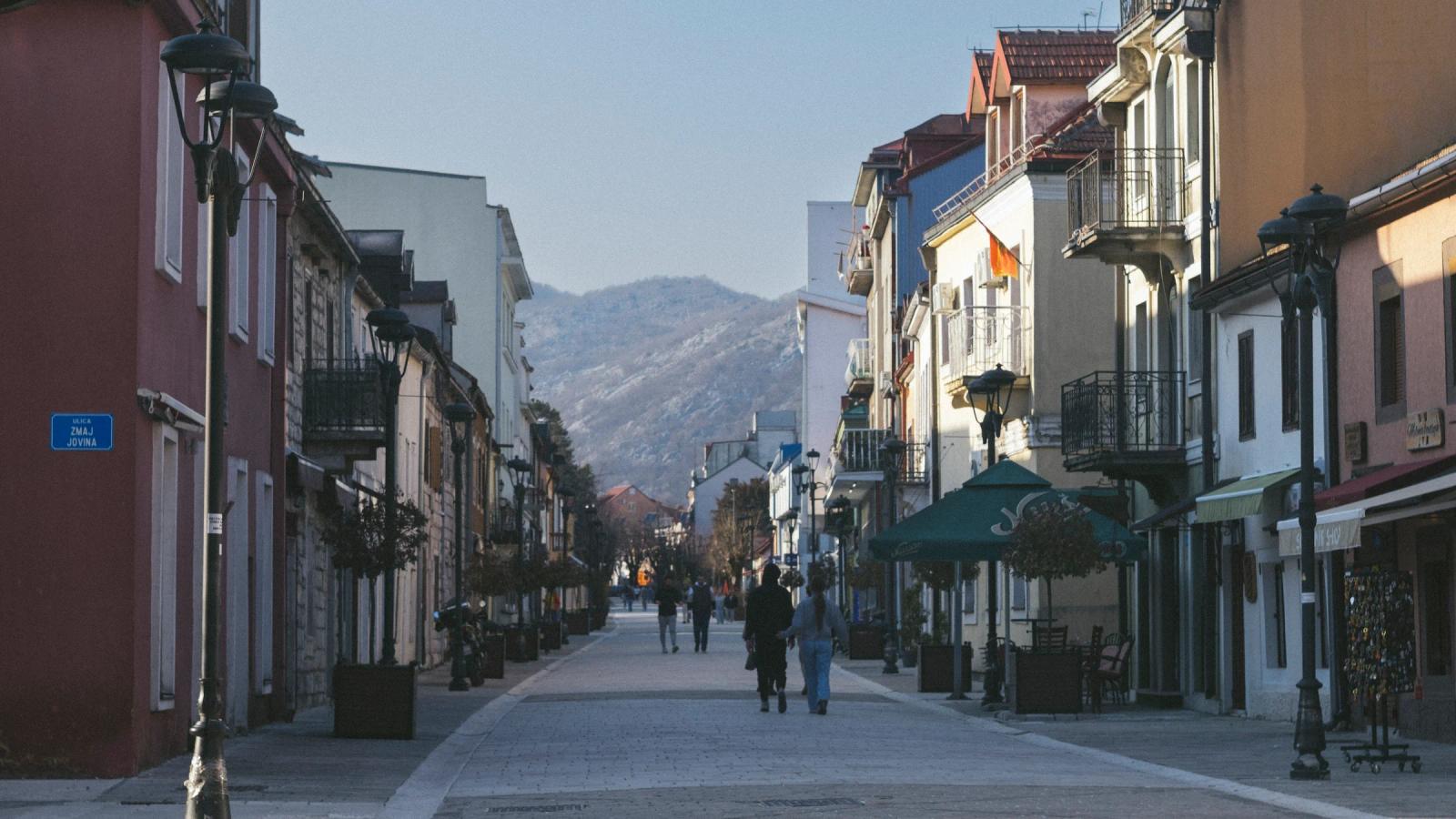
Cetinje: what to see in the former capital
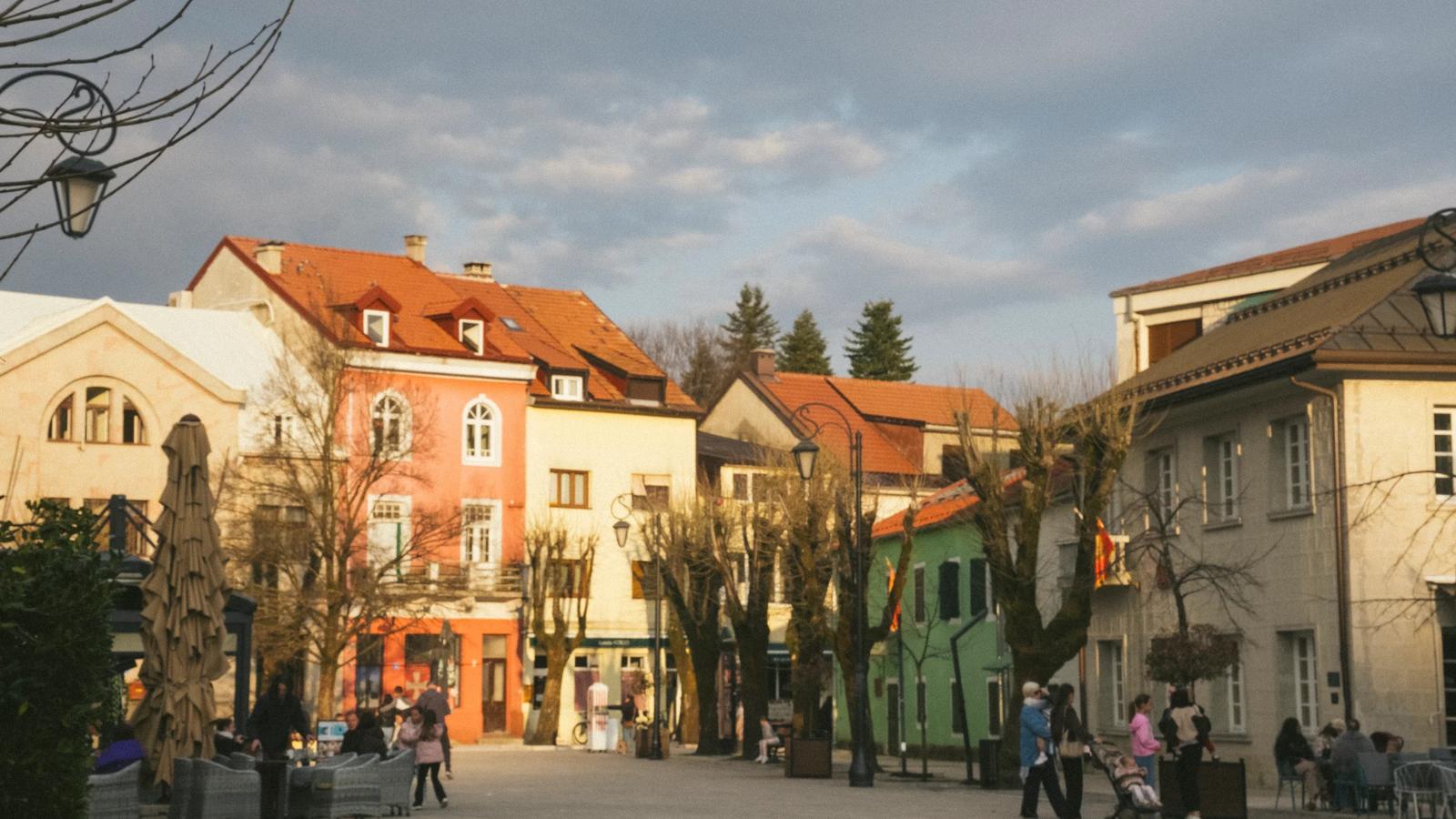
Cetinje is a small town (around 14,000 residents) that served as Montenegro's capital from the 15th century until 1918. It still holds the ceremonial title of "Old Royal Capital." The town is quiet, free of tourist crowds, and walkable in half a day.
Cetinje Monastery – Montenegro's most important religious site, founded in 1484 by Ivan Crnojević. Houses relics including a fragment of the True Cross. Free entry. Open daily 08:00–20:00. Photography prohibited inside.
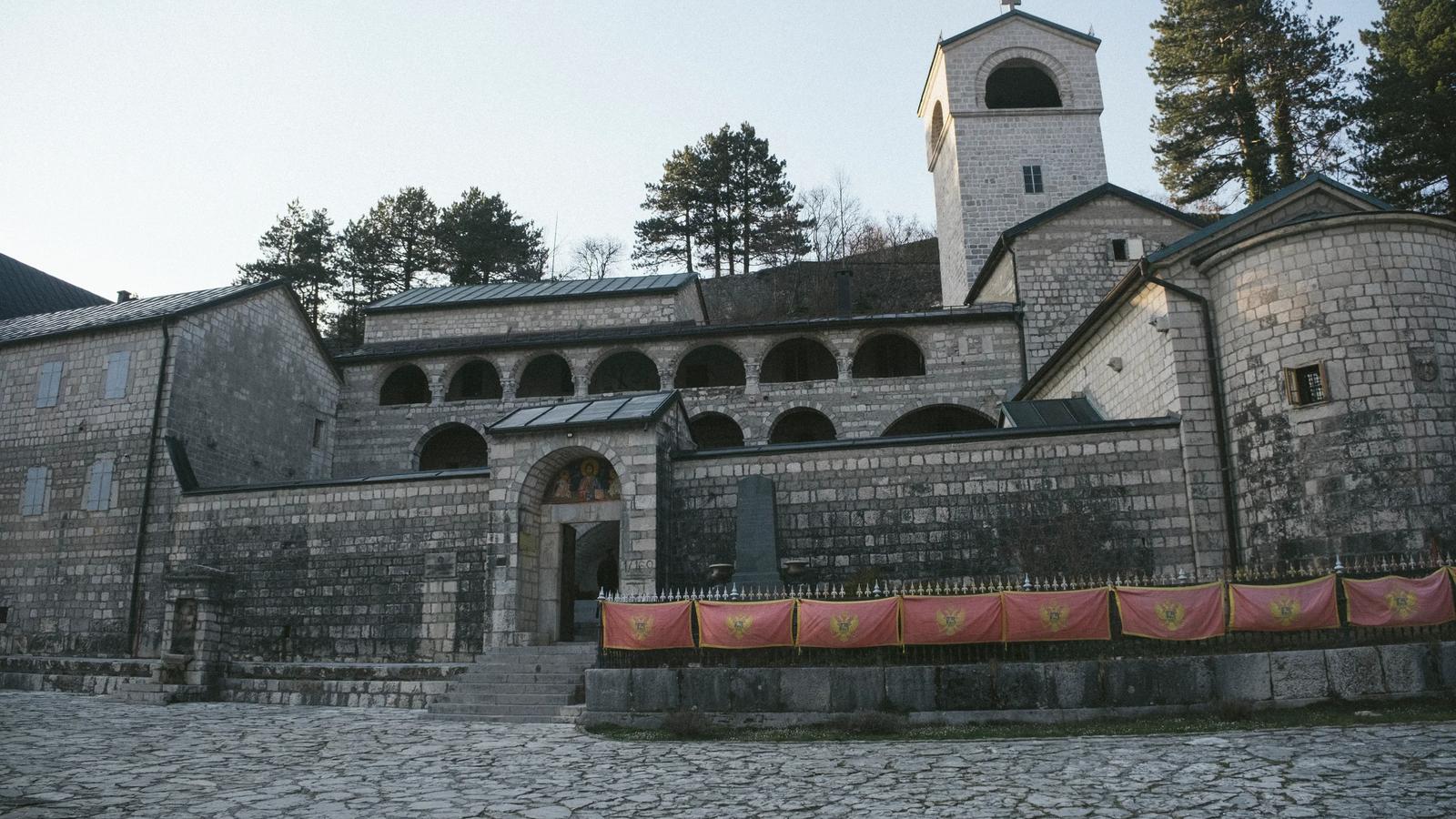
Museum of King Nikola – the former palace of Montenegro's last king. Original furniture, weaponry, costumes, and royal portraits. Entry €8. Audio guide available via app.
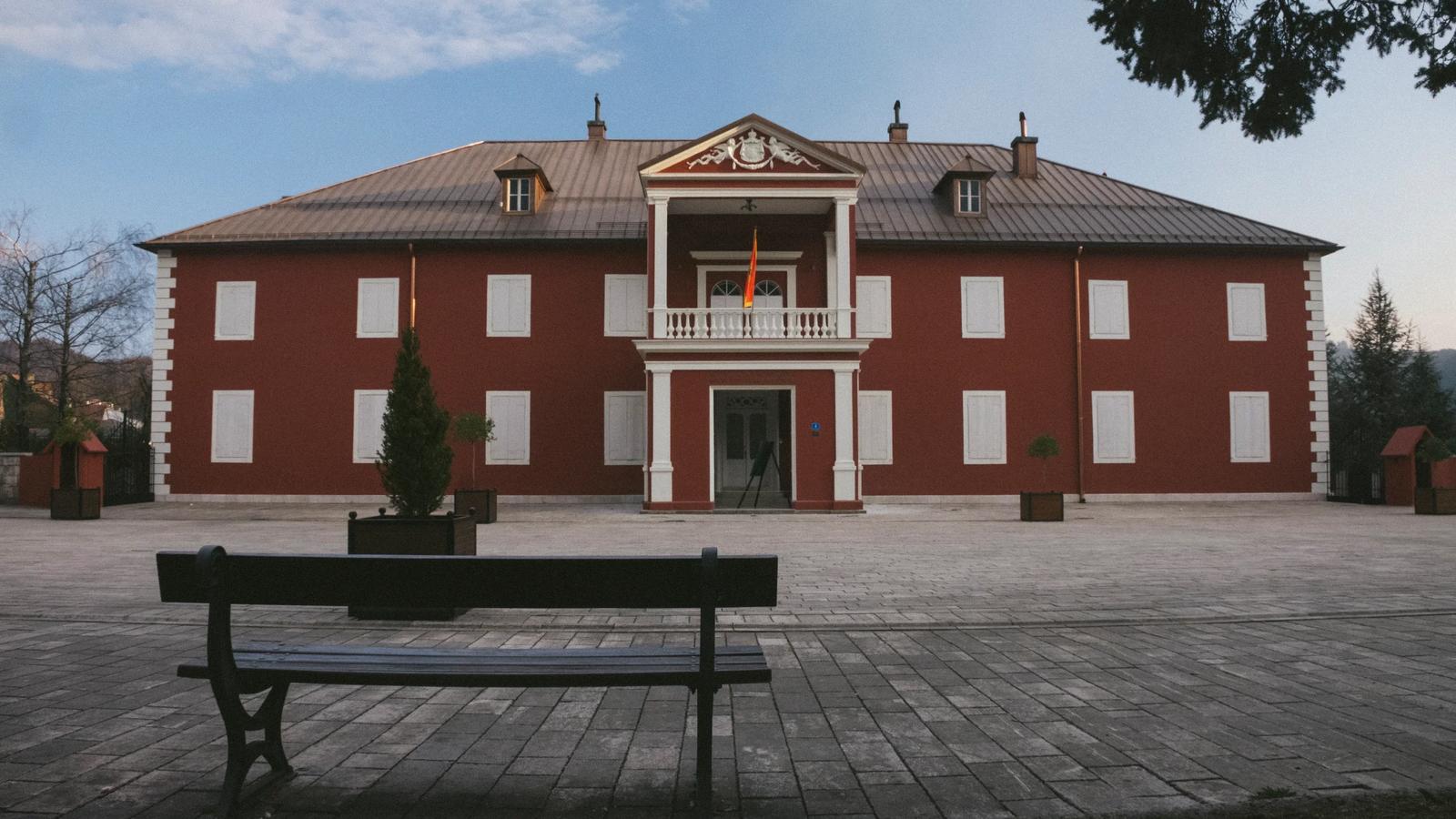
Njegoš Museum "Biljarda" – Petar II's residence, named after a billiard table gifted by Russia in 1838. Holds Njegoš's library, manuscripts, and weapons. In the courtyard: a large-scale relief map of Montenegro under a glass dome. Entry €5.
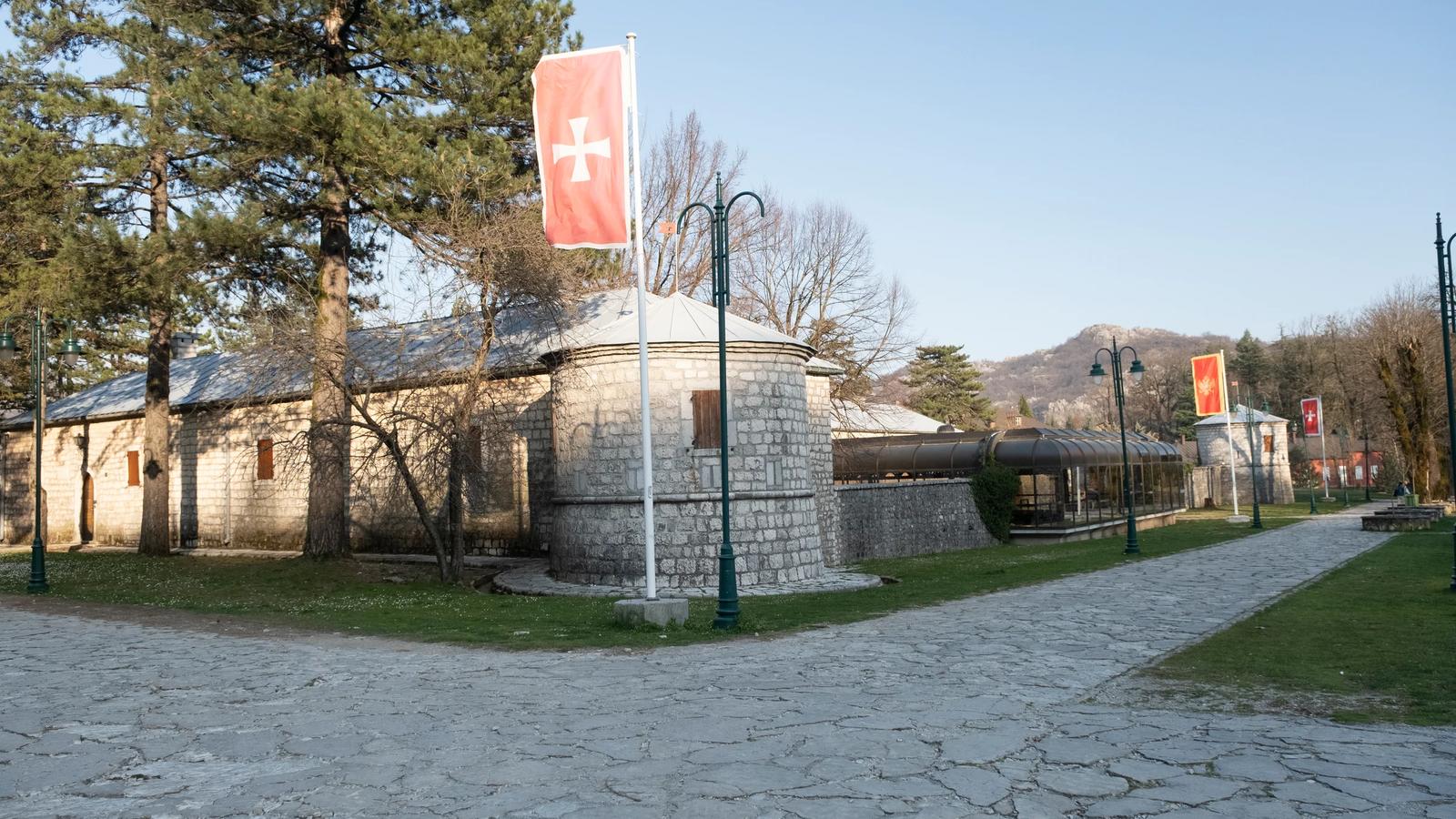
National Museum of Montenegro – history and art museums under one roof. Covers the country's story from the Illyrians to the 20th century. Entry €3–8.
Blue Palace – the official residence of Montenegro's president. Not open to visitors, but worth a photo from outside.
Court Church at Cipur – a small 15th-century church on the site of the original Crnojević palace.
Tip: the combined museum ticket (€12–15) pays for itself if you visit three or more sites.
Guided tours
If you don't have a car – or prefer hearing the stories from a local guide – an organised tour is a practical option:
Great Montenegro Tour-Lovcen NP, Mausoleum, River of Crnojevic, Sveti Stefan – a full-day group tour from Kotor covering the national park, mausoleum, Crnojevića River, and the Sveti Stefan viewpoint. From €79 per person (rated 4.9, 637 reviews). An 11-hour itinerary that covers a lot of ground.
Practical tips
Time needed. Budget a full day (6–8 hours) for Lovćen + Cetinje. Add Njeguši and you're looking at 8–9 hours.
Best time to visit – May to October. In July and August the coast is hot, but Lovćen stays at a comfortable 18–22°C. In winter, the road to the mausoleum is often closed due to snow.
Footwear – trainers or hiking shoes. The mausoleum steps are stone and can be slippery.
Food – there's a restaurant at Ivanova Korita (the park's recreation area), but prices are above coastal levels. Pizza runs €14–18, desserts around €7. Cheaper to eat in Njeguši or in Cetinje itself, where a two-course meal for two at a mid-range restaurant is around €30–40.
Parking – free at the mausoleum car park and near Cetinje museums. €1/hour at the cable car lower station.
Frequently asked questions
1. Can I reach the Njegoš Mausoleum by public transport? No. Buses serve Cetinje from Podgorica, Budva, and Bar, but there is no bus from Cetinje to the park. Options: taxi (€30–40), rental car, or an organised tour.
2. How much does it cost to visit Lovćen and the mausoleum? Park entry is €3–5 per person. The mausoleum is an additional €8 (adults) or €4 (students). Children under 7 are free. Total for two adults: roughly €22–26.
3. Does the Kotor Cable Car run in winter? No. It operates seasonally, roughly May through October. It was closed for winter 2025–2026 and is expected to reopen in spring 2026. High winds or storms can also shut it down during the season.
4. Is Cetinje worth visiting separately from Lovćen? If you're interested in history, yes – the monasteries and museums can fill 2–3 hours easily. But most visitors find it most efficient to combine Cetinje with Lovćen in a single day.
5. Is the P1 serpentine road safe to drive? Yes, it's paved and in good condition. But the turns are extremely tight (25 hairpins), the road is narrow, and barriers are not present everywhere. Not recommended after dark or in fog. Less experienced mountain drivers should take the route via Cetinje instead – it's longer but more forgiving.
Summary
Cetinje and Lovcen NP & Njegos Mausoleum reveal a side of Montenegro that most beach-bound visitors miss: mountains, history, and national identity. A full day covers the mausoleum and its views, a stroll through Cetinje's museums, and smoked ham in Njeguši. The key is having your own wheels and leaving early.
Read also:
- Rent a Car in Montenegro
- Popular Itineraries in Montenegro
- Public Transport in Montenegro
- Is It Worth Booking a Tour with Transfer?
- Parking in Montenegro
Sources
- National Museum of Montenegro – price list and hours
- Kotor–Lovćen Cable Car – schedule and tickets
- Montenegrin National Parks – official site
- Cetinje tourism information
Places to see in Montenegro
You may also like
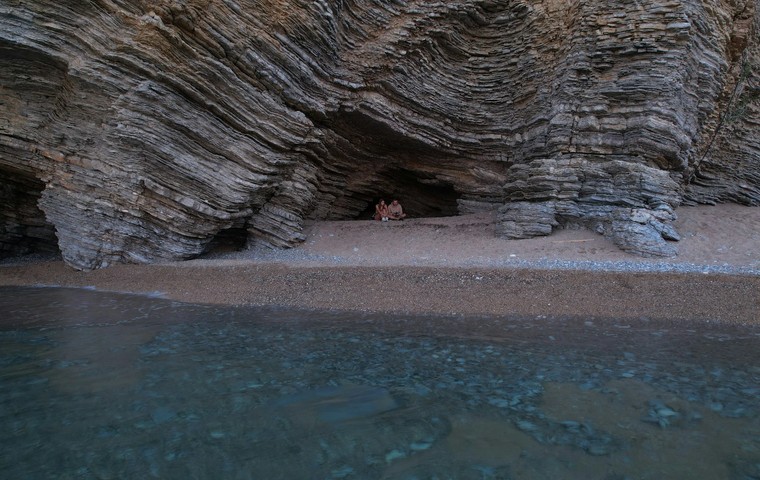
Wild & Secret Beaches of Montenegro: Where Crowds Actually Disappear
300 km of coast, but most of it is sunbeds and crowds. 12 beaches where logistics beat popularity – and why Montenegro's "untouched beach" is mostly a myth.
April 24, 2026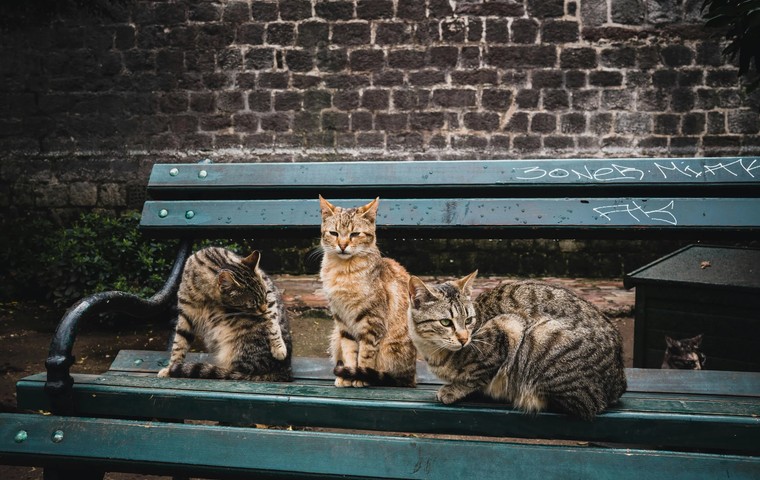
Bar, Montenegro: Ancient Ruins, 2 000-Year-Old Olives & a Working Port
Bar is Montenegro's only ferry port to Italy and the terminus of the Belgrade–Bar railway. Stari Bar fortress, a 2 000-year-old olive tree, quiet beaches, and prices 30% below Budva.
March 21, 2026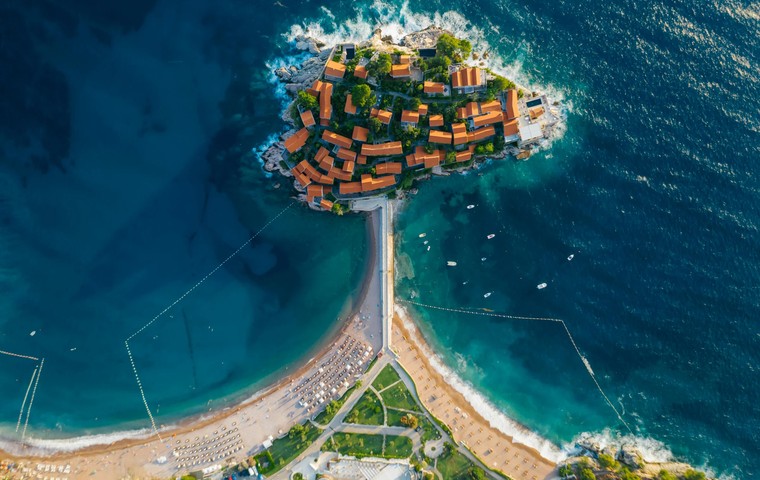
Montenegro in August: +32 °C, Budva Crowds and Where to Actually Go Instead
Peak season: sea at +26 °C, hotels cost double May rates, Budva is packed. Here's where to stay smarter – Ulcinj, Žabljak, Herceg Novi – and what it really costs.
April 21, 2026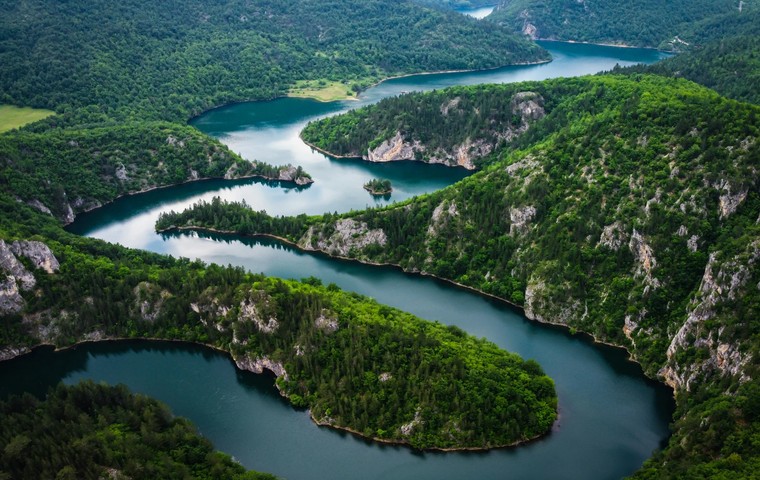
Lake Skadar: €5 Kayaks, Pelicans, and the Real Virpazar Fish Dinner
The Balkans' largest lake, one hour from Budva: group boats from €15, kayaks from €5/hr. Where to eat fresh carp, when pelicans actually show up, and what to skip.
April 22, 2026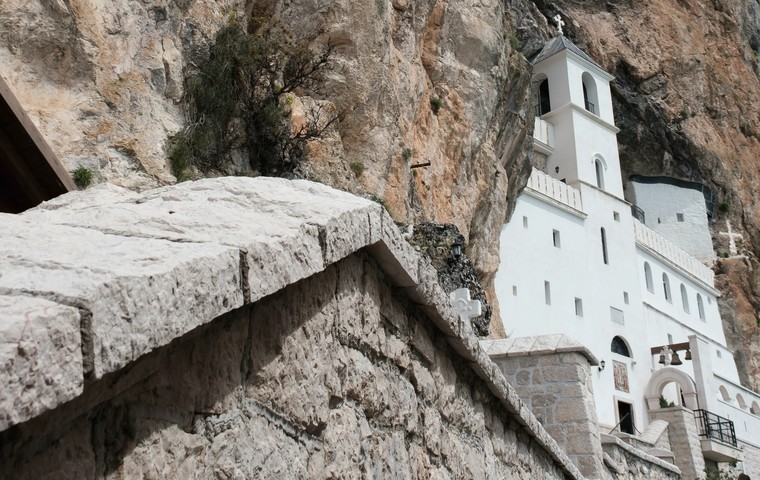
Ostrog Monastery: How to Reach the Cliff-Carved Shrine Without Hitting the Saturday Crowds
Ostrog is carved into a vertical cliff at 900m – but the real challenge isn't the road, it's timing. Here's how to get there, what it really costs, and the visiting window most guides miss.
April 21, 2026
Petrovac for Family Holidays: Calm Beaches, Coastal Trails & Hotels That Actually Work for Kids
Petrovac is Montenegro's quietest Riviera resort – gentle entry to water, stroller-friendly trails through pine forests, and quality hotels from €70/night. Here's what guidebooks don't tell you.
March 08, 2026