Blog · Tours
Bar, Montenegro: Ancient Ruins, 2 000-Year-Old Olives & a Working Port
 Tours
ToursIn this article
- 01Stari Bar: The Fortress With History
- 02The Ancient Olive & Stari Bar Surroundings
- 03Modern Bar: Port, Beaches & Infrastructure
- 04Transport: Getting There & Around
- 05Where to Stay
- 06Food & Transport Prices
- 07Insurance
- 08Practical Tips
- 09FAQ
Some links are affiliate links. You pay the same, and we may earn a commission.
Bar is Montenegro's only ferry port to Italy and the terminus of the Belgrade–Bar railway. Stari Bar fortress, a 2 000-year-old olive tree, quiet beaches, and prices 30% below Budva.
Bar is a port town on Montenegro's southern coast that most travelers pass through on their way to Budva or Ulcinj. That's a mistake: this is home to Old Bar Fortress – one of the largest open-air archaeological sites on the Adriatic, an olive tree over 2 000 years old, and the country's only international ferry terminal with routes to Italy. Accommodation and food here cost roughly 30% less than along the Budva Riviera.
Key Facts
- Old Bar Fortress – ruins of a medieval town with ~240 stone structures, entrance €3–5 (varies by season)
- Old Olive Tree (Mirovica) – one of the oldest trees in Europe, over 2 000 years old, entrance €1
- Ferry Bar – Bari (Italy) – summer route, from €78 per passenger, ~8 hours
- Belgrade–Bar train – legendary railway across 254 tunnels and 435 bridges, tickets from €24 (2nd class)
- Accommodation 30% cheaper than Budva – 3-star hotels (8+ rating on Booking) from ~€40/night, 4-star from ~€70
- Red Beach – one of Montenegro's most unusual beaches, with distinctive reddish sand
- Bar Aqueduct – 17th-century Ottoman aqueduct with 17 arches at the foot of the fortress
Stari Bar: The Fortress With History
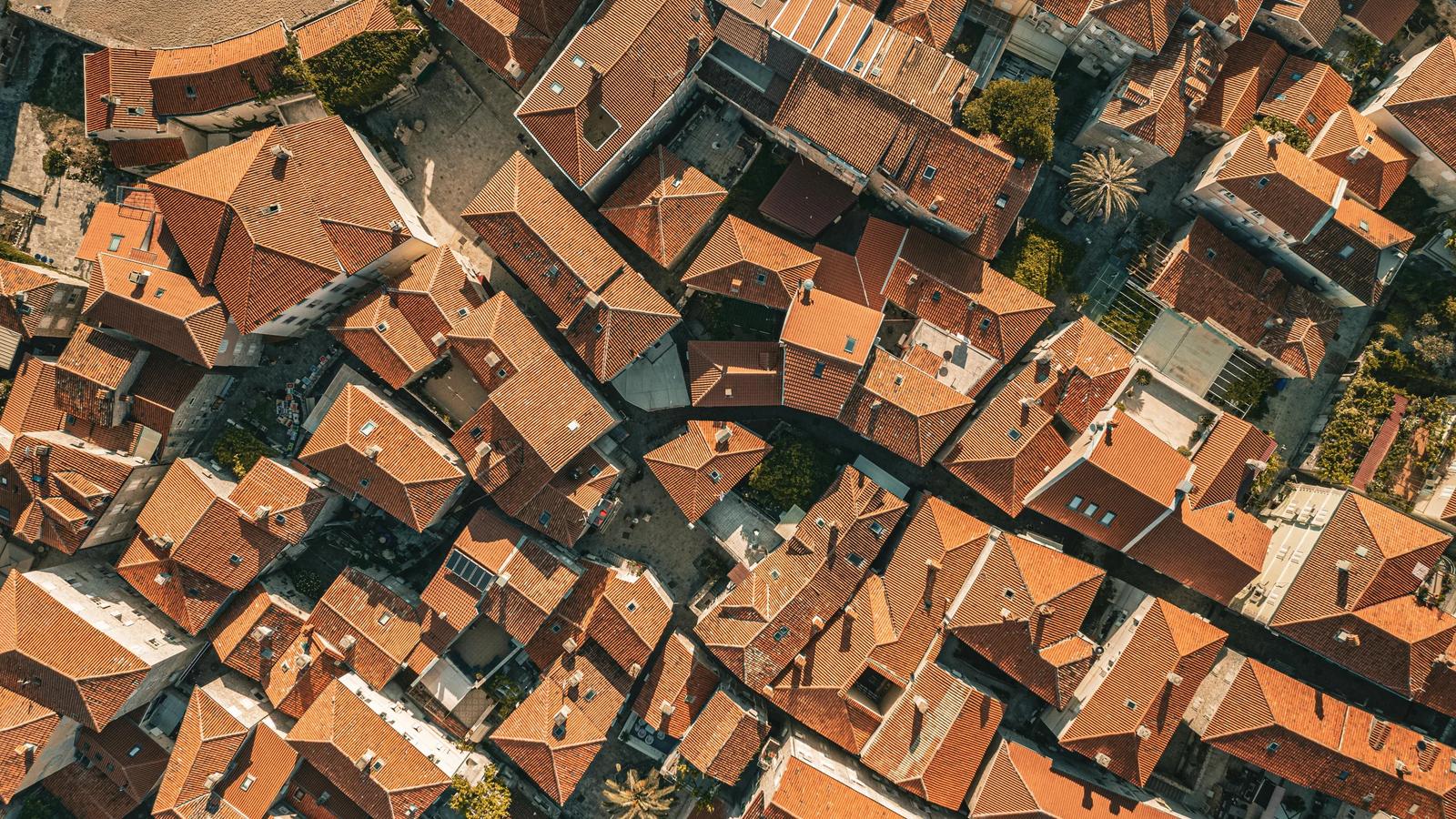
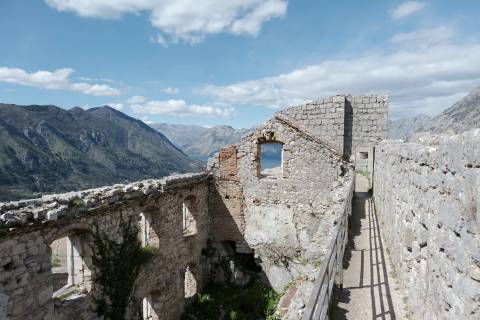
Old Bar Fortress sits 4 km from central Bar, at the foot of Mount Rumija, roughly 110 meters above sea level. This is not just a pile of ruins – it's an entire open-air museum city, bearing traces of Illyrians, Romans, Byzantines, Venetians, and Ottomans.
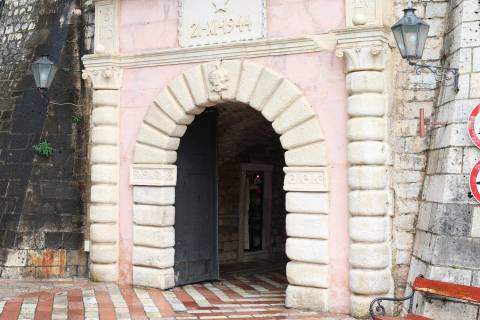
The fortress was founded in the 6th century and remained one of the key fortified settlements on the southern Adriatic for over a millennium. The Venetians left behind gates adorned with the Lion of St. Mark; the Ottomans added the Omerbašić Mosque (1662) and a hammam. In 1877, Montenegrins recaptured the town by destroying the Bar Aqueduct and cutting off the garrison's water supply. A devastating earthquake in 1979 finished what centuries of conflict had started – the population moved to the coast and Stari Bar was abandoned.
Today, restoration is well underway. The clock tower (1753) – Stari Bar's defining landmark – has been rebuilt, along with several medieval churches, a lapidarium with mosaics, and the Ottoman hammam. But much of the site remains evocatively ruined, with stone walls intertwined with fig trees and wild herbs.
Practical Info (Updated: March 2026):
| Detail | Info |
|---|---|
Entrance fee | €3–5 (adult), children discounted |
Opening hours | Summer: 08:00–20:00, Winter: 09:00–17:00 |
Time needed | 1.5–2.5 hours |
Getting there | Taxi from Bar center ~€5, bus ~€1, on foot ~1 hour (uphill) |
Parking | ~€2 for the whole day at the base |
Important: the site has uneven cobblestone paths and steep staircases. Sturdy shoes are essential. In summer, bring water and a hat – shade is scarce.
The Ancient Olive & Stari Bar Surroundings
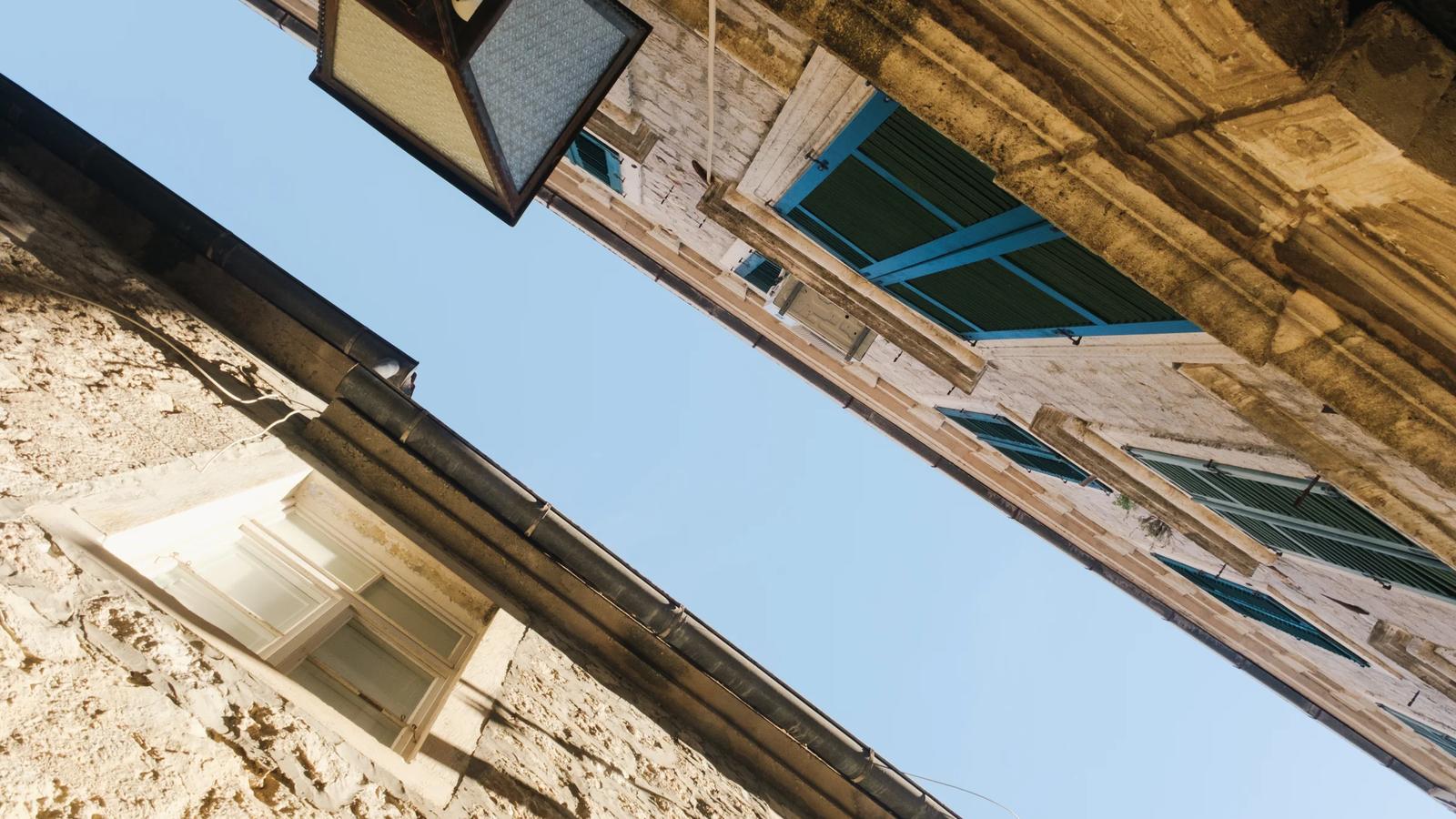
In the village of Mirovica, near Stari Bar, stands the Old Olive Tree (Mirovica) – estimated to be between 2 000 and 2 500 years old. It's one of the oldest olives in Europe, protected by the state since 1963. Entrance is €1. The tree impresses less by size than by shape: its trunk has twisted into extraordinary knots, yet its canopy still produces fruit.
The area around Stari Bar preserves entire olive groves – the region once counted over 100 000 olive trees. Every November, the town hosts Maslinijada, the olive festival: tastings of olive oil, local cheeses, wine, and traditional music.
On the way up to the fortress, the cobbled street along the outer walls is worth a pause – it's now lined with terrace restaurants, souvenir shops, and cafés. Locals recommend trying fresh pomegranate juice, an unexpected specialty that has become Stari Bar's signature drink.
Modern Bar: Port, Beaches & Infrastructure
Modern Bar was largely rebuilt after World War II. It's not a resort town – it's a working port city with 44 km of coastline, a subtropical climate, and 270 sunny days per year.
What to See in New Bar
King Nikola's Palace – the former royal residence, now a museum with furniture, weapons, and documents from the Montenegrin monarchy. Set in a palm-lined park near the waterfront.
Cathedral of St. Jovan Vladimir – one of the largest Orthodox churches in Montenegro, built in the 21st century in Neo-Byzantine style. The bell tower stands 55 meters tall.
Ruins of Ratac Monastery – on a headland between Bar and Sutomore. Ruins of an 11th–16th century Benedictine monastery with open-sea views. Free entry; reachable on foot via a coastal trail.
Haj Nehaj Fortress – a 15th-century Venetian-Ottoman fortress on a hill above Sutomore. The hike up takes ~30 minutes and rewards with panoramic bay views.
Beaches in Bar
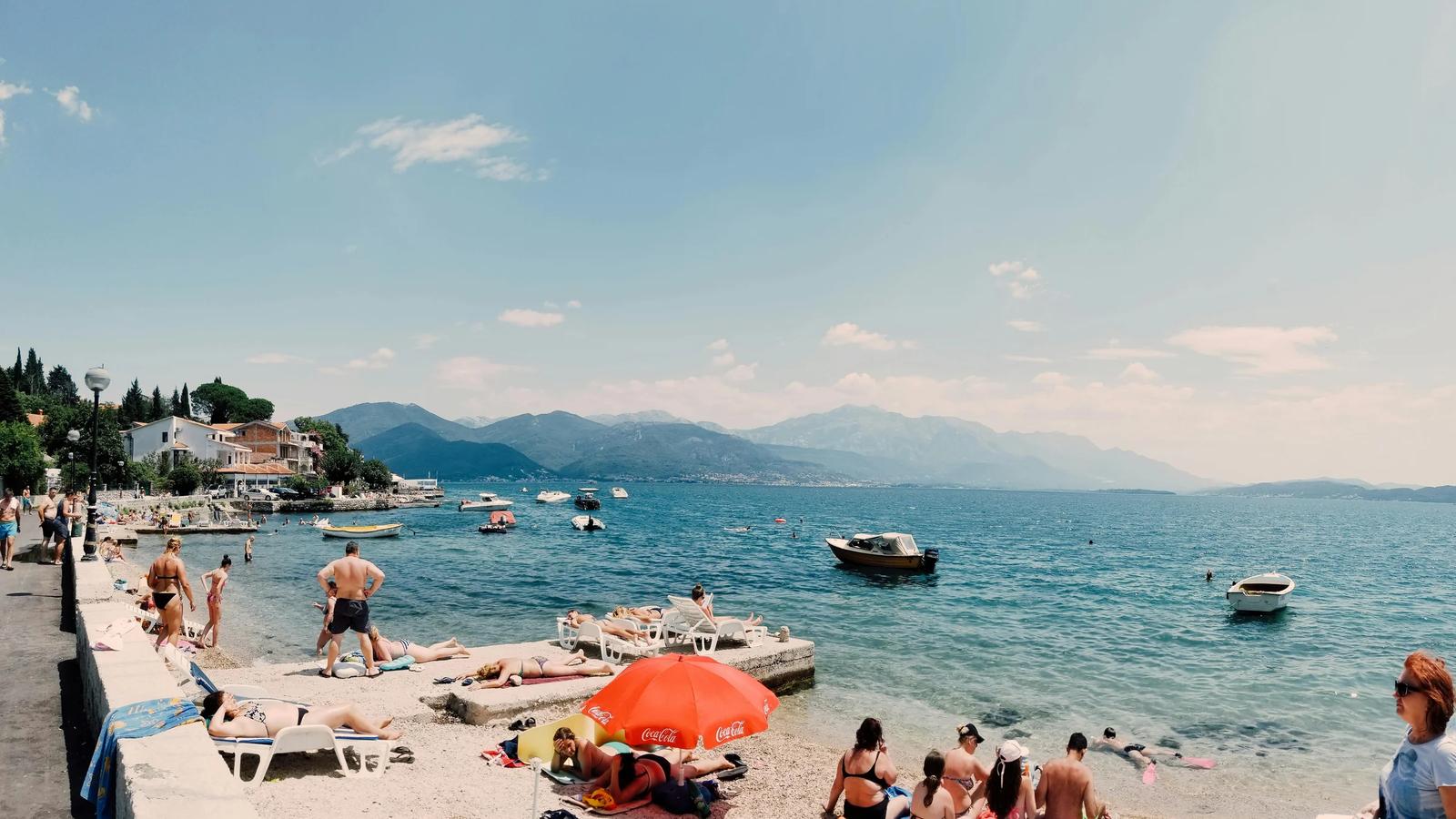
Bar isn't a typical beach resort, but it offers several worthwhile options:
| Beach | Type | Notes |
|---|---|---|
| Fine pebble with reddish tint | Unusual color from mineral composition, uncrowded | |
| Pebble, long | Closest to center, good infrastructure | |
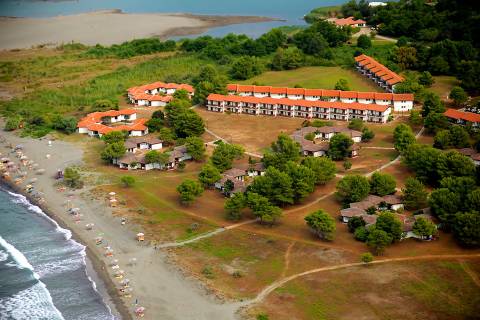
Sutomore | Sand-and-pebble mix | 5 km from Bar, family-friendly, sunbeds ~€5–8 |
Čanj | Sandy | 10 minutes by car, more secluded |
Swimming season runs from mid-May (water ~23°C) through late October.
Transport: Getting There & Around
From the Airports
The closest airports are Podgorica (~55 km) and Tivat (~70 km). Check visa requirements for your nationality before traveling.
Transfer options to Bar:
| Method | From Podgorica | From Tivat |
|---|---|---|
Bus | ~€4–6, ~1 hour | ~€8–10, ~2 hours |
Taxi/transfer | ~€40–55 | ~€60–80 |
| Pre-book online, fixed price | Pre-book online, fixed price | |
Car rental via Localrent | from ~€25/day | from ~€25/day |
For exploring southern Montenegro (Bar, Ulcinj, Lake Skadar), a rental car is the most practical option. Public transport runs less frequently here than along the Budva-Kotor coast.
Belgrade–Bar Train
The Belgrade–Bar railway is one of Europe's most scenic routes. The 477 km line passes through 254 tunnels and 435 bridges, including the Mala Rijeka Viaduct – Europe's highest railway bridge (198 m).
Schedule (2026):
Prices: 2nd class – ~€24, 1st class – ~€35. Couchette +€8, 2-bed sleeper +€20/person. Tickets are sold only at the station – no online booking. In summer, buy a couple of days ahead.
Tip: on the night train from Belgrade, the most scenic stretch (through Montenegro) is visible in the morning light. On the daytime train, the best views are northbound from Bar.
Ferry to Italy
The port of Bar is Montenegro's largest. In summer, ferry services connect to Italy:
Car transport costs from ~€100. Arrive at the port 1.5–2 hours before departure, especially with a vehicle. Cabins are booked separately.
Where to Stay
Bar is one of the most affordable towns on the Montenegrin coast. Prices are lower than in Budva or Kotor, and quality is perfectly decent.
Best options in Bar:
- Stara Čaršija Hotel & SPA (or book on Trip.com)
- Regina del Mare
- Soho Suites (or book on Trip.com)
- La Vida Apartments
Book accommodation through Booking.com.
The Sušanj neighborhood is an optimal pick: close to the beach, restaurants and shops nearby, 15 minutes on foot to the center. For visiting Stari Bar, staying in the eastern part of town or in Stari Bar itself works well – a handful of guesthouses with real atmosphere have opened there.
Food & Transport Prices
Bar is a working town, so prices cater to locals rather than tourists. This is especially noticeable in restaurants away from the waterfront.
| Item | Price |
|---|---|
Lunch at a café (single dish) | €6–10 |
Dinner for two at a restaurant (3 courses) | €30–50 |
Cappuccino | €1.30–2.50 |
Draft beer (0.5 l) | €1.50–3.00 |
Water (0.33 l) | €1.00–1.50 |
Taxi (start + 1 km) | ~€2 |
Gasoline (1 l) | ~€1.49 |
Local bus (single ticket) | €1–2 |
(Updated: March 2026. Source: current price aggregator data)
The restaurants along the fortress walls of Stari Bar are worth seeking out – according to travelers, the food there is excellent (Mediterranean and traditional Montenegrin cuisine), with an average bill of €15–25 for two.
Insurance
Travel insurance is not mandatory for entering Montenegro, but strongly recommended. A weekly policy costs from €1–2 per day. You can arrange coverage through Ekta.
Practical Tips
How long to spend. Allow at least half a day for Stari Bar and the olive tree. Another half day for the modern town, the palace, and a beach. Ideally, spend two full days – one of which could include the train from Podgorica (1 hour, ~€4) for the scenery alone.
What to combine. Bar makes a great base for day trips to Ulcinj (30 min by car), Lake Skadar (40 min), and even Shkodër in Albania (~1.5 hours). For more on the Albania crossing, see Ulcinj to Shkodër by car.
November is special. The Maslinijada olive festival in Stari Bar: tastings, a fair, folk celebrations. Few tourists, warm weather (+15–18°C), and accommodation prices at their lowest.
Car rental. For southern Montenegro, a car is nearly essential – buses are infrequent and distances between points of interest are 20–60 km. Rent conveniently through Localrent.
FAQ
1. Is Bar worth visiting if I only have one week in Montenegro?
Yes, if you care about history and off-the-beaten-path atmosphere. Stari Bar rivals Kotor's Old Town in scale and impact, but you'll have the place nearly to yourself. Allocate one full day, combining it with a trip to Ulcinj.
2. How do I get from Bar to Stari Bar without a car?
Taxi – ~€5, bus – ~€1 (runs from the bus station, look for "ST. BAR" on the sign). Walking takes about an hour, but the road goes uphill along a main road. Best approach: taxi up, walk back downhill.
3. How much does the train from Podgorica to Bar cost?
About €4 for 2nd class, journey time ~1 hour. This isn't the famous scenic stretch (that's further north, between Kolašin and Podgorica), but it's a convenient and cheap way to reach the coast.
4. When is the best time to visit Bar?
For beaches – June or September (fewer crowds than July–August). For exploring Stari Bar – spring (April–May) or autumn (October–November): cooler temperatures and the green-covered ruins are especially photogenic. November has the bonus of the olive festival.
5. Can I take a ferry from Bar to Italy?
Yes, but only in summer. Jadrolinija operates routes to Bari (~8 hours, from €78) and Ancona (~13 hours, from ~€80) between July and September. Book ahead in peak season. Vehicles can be transported; car tickets start from ~€100.
Conclusion
Bar is a destination for travelers looking for real Montenegro beyond the resort strip. Old Bar Fortress is one of the most impressive historical sites in the country, the Mirovica olive tree is a living artifact, and modern Bar's port atmosphere is a reminder that Montenegro is more than beaches and mountains. Add a railway through the mountains, a ferry to Italy, and prices below Budva, and you have one of the most underrated destinations on the Adriatic.
See Also
- Montenegro Prices in 2026: A Realistic Weekly Budget
- Renting a Car in Montenegro: Everything a Tourist Needs to Know
- Lake Skadar: Kayaking, Pelicans & Virpazar Fish Restaurants
- Ulcinj to Shkodër by Car
- Popular Montenegro Itineraries: What to See in 1–7 Days
Sources
- Jadrolinija – ferry operator (schedules & prices)
- Ferryhopper – ferry comparison for Bar–Bari
- Municipality of Bar – official site
Places to see in Montenegro
You may also like
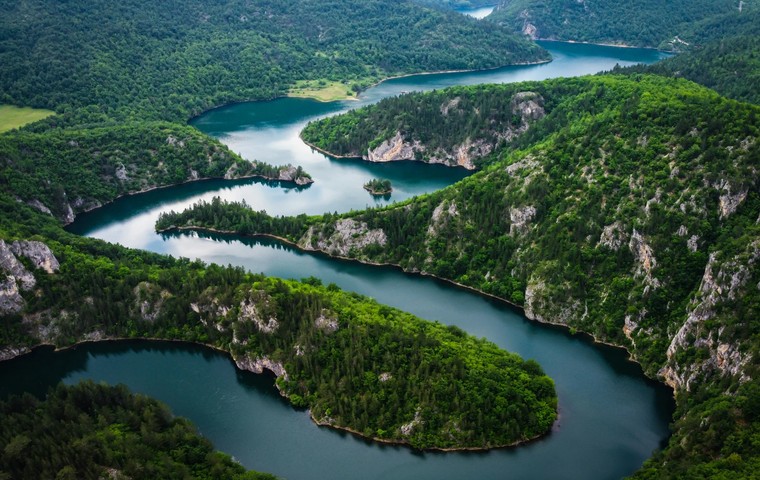
Lake Skadar: €5 Kayaks, Pelicans, and the Real Virpazar Fish Dinner
The Balkans' largest lake, one hour from Budva: group boats from €15, kayaks from €5/hr. Where to eat fresh carp, when pelicans actually show up, and what to skip.
April 22, 2026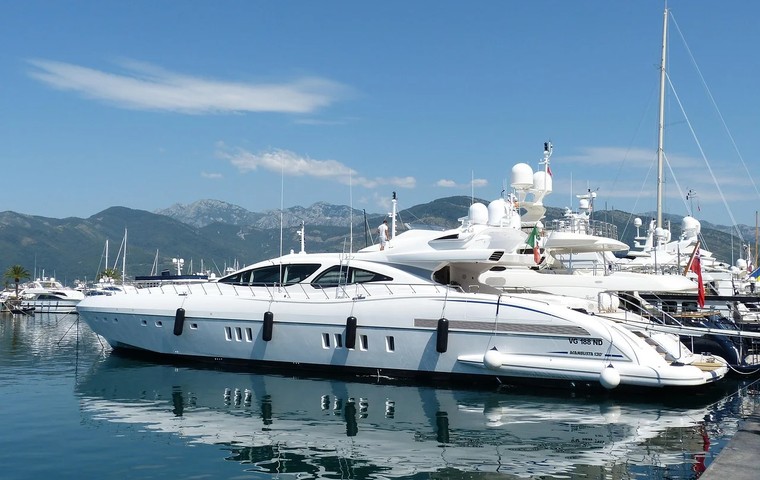
Yacht Rental in Montenegro: Prices, Routes & Do You Need a Skipper?
A half-day speedboat in the Bay of Kotor costs from €250, a week on a sailboat from €1 500. Marinas, skipper rules, hidden fees and the routes worth taking.
March 15, 2026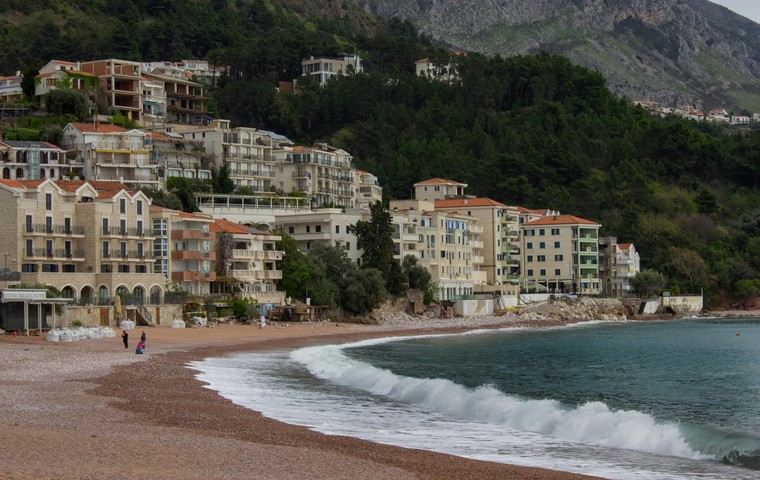
Montenegro in May: +27°C, Warming Sea & No Summer Crowds
May is Montenegro's sweet spot — 22–27°C days, a sea warming to 20°C, prices well below July and no crowds yet. Best routes, beaches and tips.
February 24, 2026
Montenegro in January – weather, sea, skiing and prices
Montenegro in January: weather, sea temperature, ski resorts, prices, where to stay and what to pack.
November 18, 2025
Montenegro in August: +32 °C, Budva Crowds and Where to Actually Go Instead
Peak season: sea at +26 °C, hotels cost double May rates, Budva is packed. Here's where to stay smarter – Ulcinj, Žabljak, Herceg Novi – and what it really costs.
April 21, 2026
Wild & Secret Beaches of Montenegro: Where Crowds Actually Disappear
300 km of coast, but most of it is sunbeds and crowds. 12 beaches where logistics beat popularity – and why Montenegro's "untouched beach" is mostly a myth.
April 24, 2026