Ruins of Ratac Monastery
Tvrđava Ratac
A medieval monastic complex on a narrow seaside neck.
About
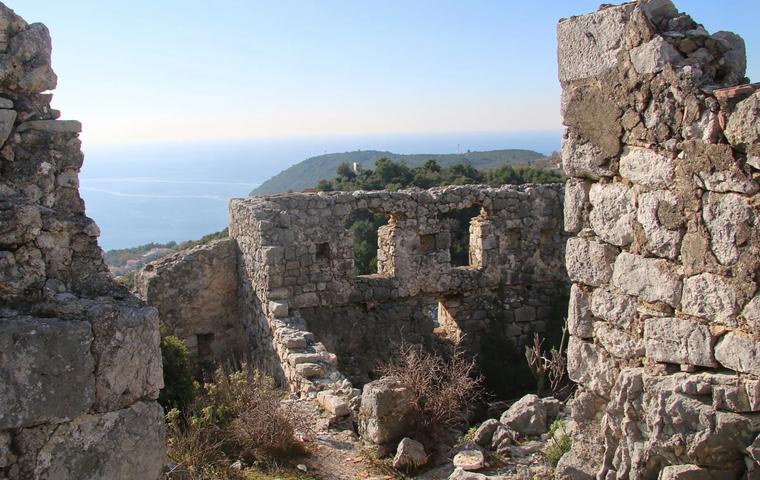
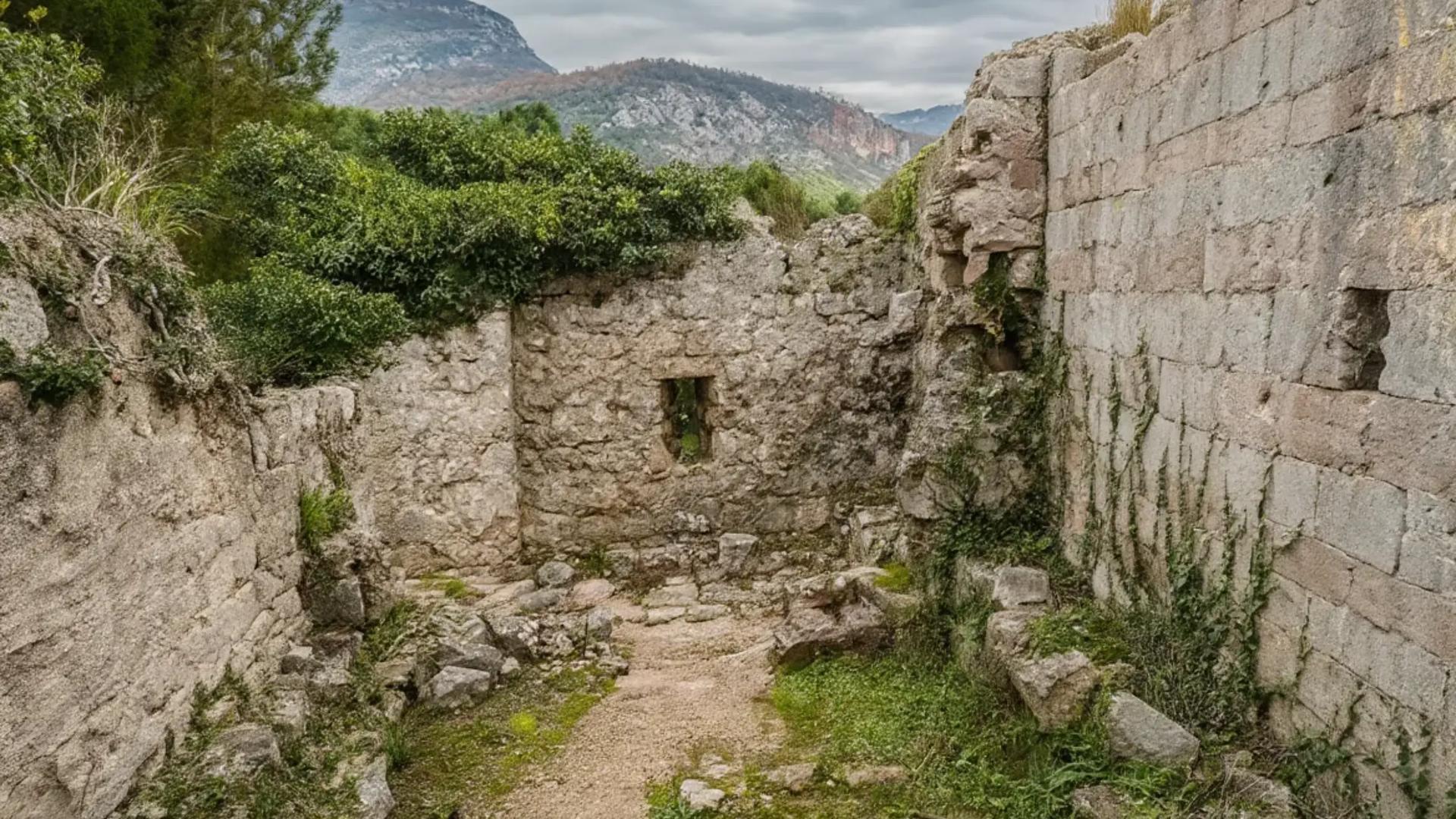
Surviving wall sections and outlines of large churches remain, open to the sea. A convenient short stop when travelling the coastal road.
Transport
Travel time
On foot from Bar center50 min. – 1 h 14 min.5 km
By car from Bar14 min.6 km
From the airport Tivat · TIV1 h 19 min.58 km
On the map
Location
In detail
What's here
What is this place
Ratac Abbey is a fortified Benedictine monastic complex on the coast of the peninsula between Bar and Sutomore, under the Roman Catholic Archdiocese of Bar. First mentioned in 1247, it changed rulers several times and was finally destroyed by the Ottomans in 1571.
Key features
- Seaside headland setting – the monastery combined spiritual and defensive roles.
- Earliest attestation 1247 – it likely existed earlier.
- A new church within the existing complex began in 1347.
- A hospital, endowed by Nemanjić charters, treated the poor and, in the mid-15th century, people with leprosy.
- Political shifts: Venice, Zeta/Serbia; by the Vučitrn Treaty (1426) Ratac was ceded to the Serbian Despotate, from 1443 again Venetian, destroyed in 1571.
What to see
- Ruined perimeter walls and gate of the fortified monastery on the coastal plateau.
- Foundations of monastic churches, including the area of the 1347 late-medieval church.
- Wide views along the Bar–Sutomore shoreline and the Ratac headland.
History
The monastery is probably older than its first mention in 1247; it belonged to the Archdiocese of Bar, with relations sometimes strained. In 1306 King Milutin issued a charter to Ratac; in 1347 construction of a new church within the complex began. A hospital operated here, and in the mid-15th century it treated people with leprosy.
At the outset of the First Scutari War Ratac was seized by Venice; negotiations in 1407–1408 saw Venice insist on keeping it. The Vučitrn Treaty of 22 April 1426 returned Ratac to the Serbian Despotate, but from 1443 it was again under Venice until its destruction by the Ottomans in 1571.
In the 15th century the abbot was Georgius Pelino; a Venetian report of 1445 notes two abbots sharing revenues before Pelino consolidated control. After the Benedictine jurisdiction collapsed in the late 16th century, Orthodox worship strengthened in the parishes of Spič, Sozina and Kastel Lastva, with local Catholic churches also used by Orthodox clergy and faithful.
Practical information
Location: Cape Ratac on the coast between Bar and Sutomore, right by the sea, about 5–6 km north of Bar town centre along the Adriatic highway.
Getting there: drive or take a bus along the Bar – Sutomore road and get off near Cape Ratac, then follow a dirt track and footpath down through the pine trees to the ruins; it is roughly a 5–10 minute walk from nearby roadside stops and parking lay-bys.
Access: the site is open and unfenced, with free access and no ticket office; officially it is an unattended archaeological area without facilities.
Visiting hours: accessible at any time of day, though in practice daylight hours are the most convenient.
Visit duration: 30–45 minutes are enough for a relaxed look around the ruins and a stroll on the cape; including detours to the beaches and photo stops, plan for about 1–1.5 hours.
Best time: late spring and early autumn, when temperatures are moderate; in summer mornings and late afternoon are more comfortable because of heat and strong sun.
Notes: the terrain is uneven, with rubble and wall fragments and almost no railings, so sturdy shoes and care with children are important; nearby are wild and nudist beaches of Ratac, which is worth bearing in mind when planning route and clothing.
Ruins of Ratac Monastery
Articles about this place

Nearby