Souq Waqif
سوق واقف
Traditional market with spices, crafts, cafes, and falcons – the soul of Doha.
About
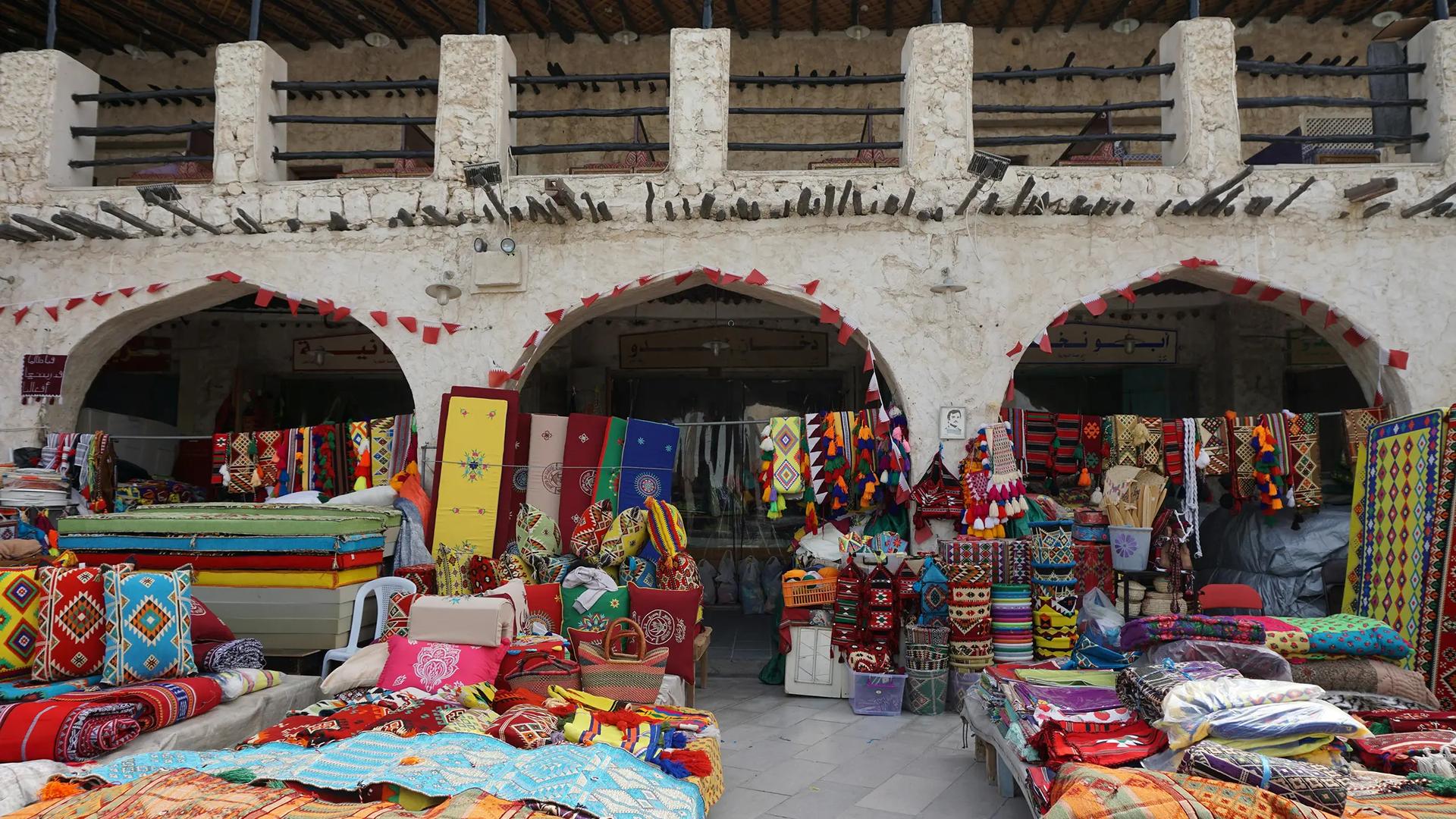
Souq Waqif is one of Doha’s most vibrant and historically significant landmarks, offering a living link between Qatar’s past and present. Once a gathering point for Bedouins and traders who came to sell livestock, spices, and handicrafts, the souq has evolved into a lively cultural center that still preserves its traditional charm.
Restored between 2006 and 2008 after decades of decline and a devastating fire, Souq Waqif now stands as a model of heritage preservation and urban renewal. Its narrow alleys, mud-brick walls, and wooden beams recreate the atmosphere of a 19th-century Arabian market, while cafés, art galleries, and music venues bring it to life day and night.
Today, the souq remains one of Qatar’s most popular destinations — a place where locals and visitors mingle, shop, and experience the essence of Qatari culture through its sights, sounds, and flavors.
Transport
Travel time
On foot from Doha center10–16 min.900 m
By car from Doha3 min.1 km
From the airport Doha · DOH16 min.10 km
On the map
Location
In detail
What's here
What is this place
Souq Waqif is a traditional open-air market in Al Souq district, central Doha, near the Corniche. It is one of the city’s oldest and most visited landmarks, offering textiles, spices, jewelry, handicrafts, and souvenirs.
Key features
- Founded in the late 19th–early 20th century, restored between 2006–2008.
- Originally located by the shoreline near the Wadi Musheireb dry riverbed.
- Built using traditional materials such as clay, bamboo, and wood.
- Includes the Al Rayyan Theatre (980 seats) and the Bismillah Hotel, Qatar’s first.
- Features a falcon souq dedicated to traditional falconry and related crafts.
What to see
- Market alleys – spices, fabrics, jewelry, souvenirs, and antiques.
- Pet market – traditional stalls selling birds and domestic animals.
- Falcon market – for trained birds and equipment used in falconry.
- Restaurants and cafés – Qatari and Middle Eastern cuisine, shisha lounges.
- Al Rayyan Theatre – hosts performances, concerts, and cultural events.
History
Souq Waqif emerged over a century ago near Wadi Musheireb, where Bedouins and locals traded livestock and goods. Its location by the shoreline made it a natural hub for commerce and exchange.
After a period of decline and a major fire in 2003, the Qatari government launched a full restoration in 2006, supported by Emir Sheikh Hamad bin Khalifa Al Thani and Sheikha Moza bint Nasser. The project revived traditional building methods and preserved the souq’s original layout.
Today, Souq Waqif is a bustling cultural and social center, hosting festivals, performances, and fan gatherings during major sports and national events.
Practical information
Location: Al Souq district, central Doha, near the Museum of Islamic Art and Msheireb.
Getting there: Souq Waqif Metro Station (Gold Line), entrance from Abdullah Bin Jassim Street.
Access: open daily, free entry.
Visiting hours: shops typically 10 am–10 pm, with a midday break.
Visit duration: 1.5–3 hours.
Best time: evenings, especially weekends, November–March.
Notes: mostly pedestrian area; best visited after sunset in summer.
Souq Waqif
Articles about this place

Accommodation
Best Romantic Hotels in Qatar for a Couples’ Getaway
Curated list of the best romantic hotels in Qatar – from chic city boutiques in Doha to private-island and desert resorts. Where to stay as a couple, which areas to choose, typical nightly rates and what to know about hotel rules for couples.
December 14, 2025
Tips
What to Eat in Qatar: Traditional Dishes, Street Food, Desserts and Drinks
A complete guide to food in Qatar: must-try traditional dishes, popular street food and desserts, where to find them in Doha and how much you can expect to spend on meals.
December 07, 2025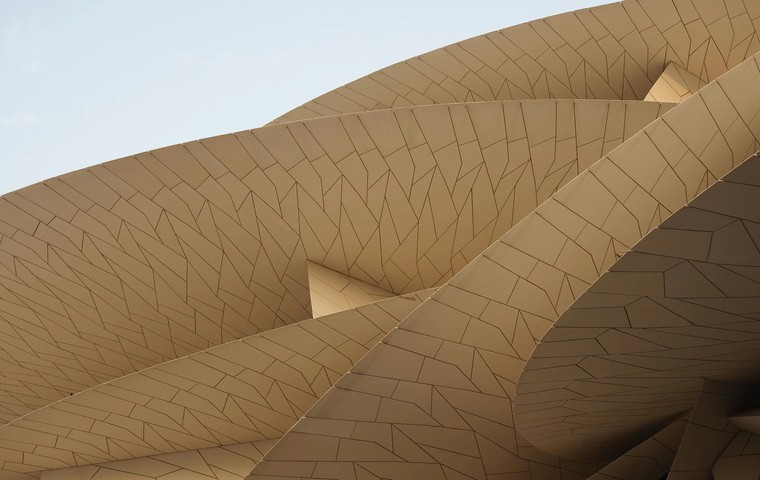
Tours
National Museum of Qatar – is it worth visiting?
Find out if the National Museum of Qatar in Doha is worth your time: what’s inside, how much tickets cost, how long to spend, and how to combine it with other sights.
December 06, 2025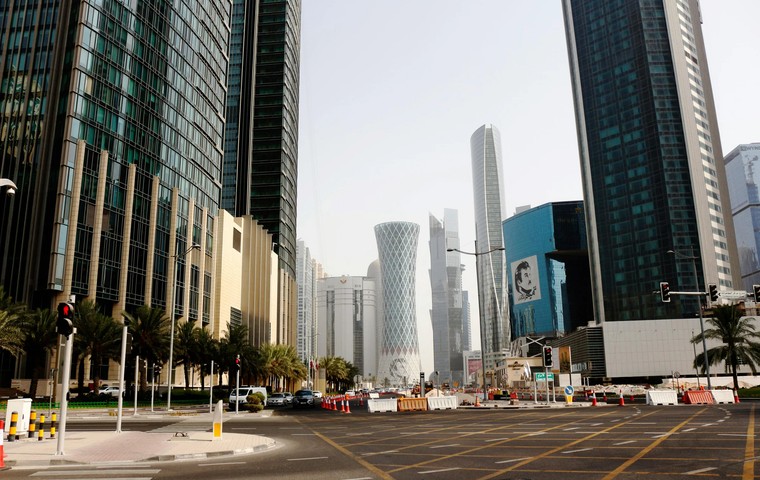
Tours
Top 20 Places in Doha: What to See in 1-5 Days
How to see Doha in 1-5 days: top 20 places, ready-made itineraries by area, museum and transport prices, dress code and safety tips.
November 27, 2025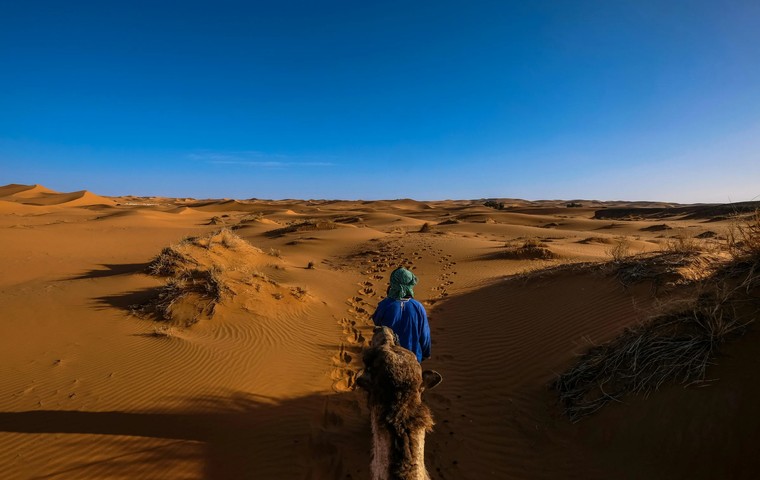
Tours
Best Tours in Doha: Desert Safaris, City Highlights and Dhow Cruises
A practical guide to the best tours in Doha: city sightseeing, desert safaris to the Inland Sea and evening dhow cruises along the Corniche. Prices, how to choose the right tour and where to book it.
December 10, 2025
eSIM
eSIM in Qatar: why you should use it in 2025
Why eSIM is the smartest way to stay online in Qatar: coverage, data prices, roaming comparison plus setup and safety tips.
November 26, 2025Nearby