National Museum of Qatar
متحف قطر الوطني
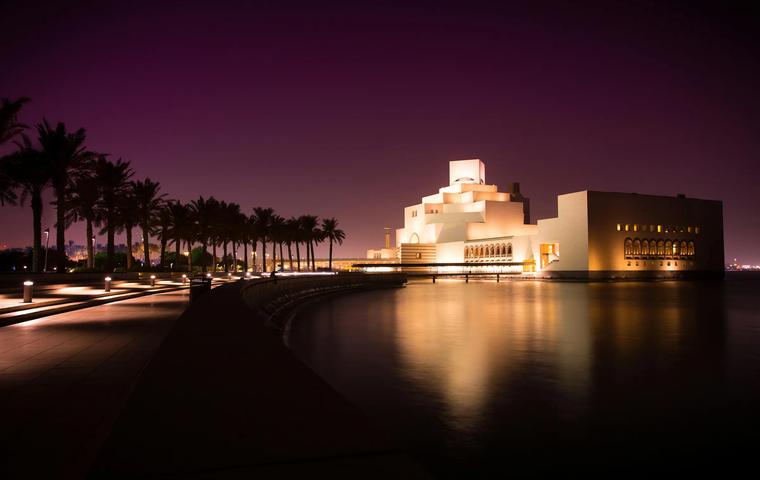
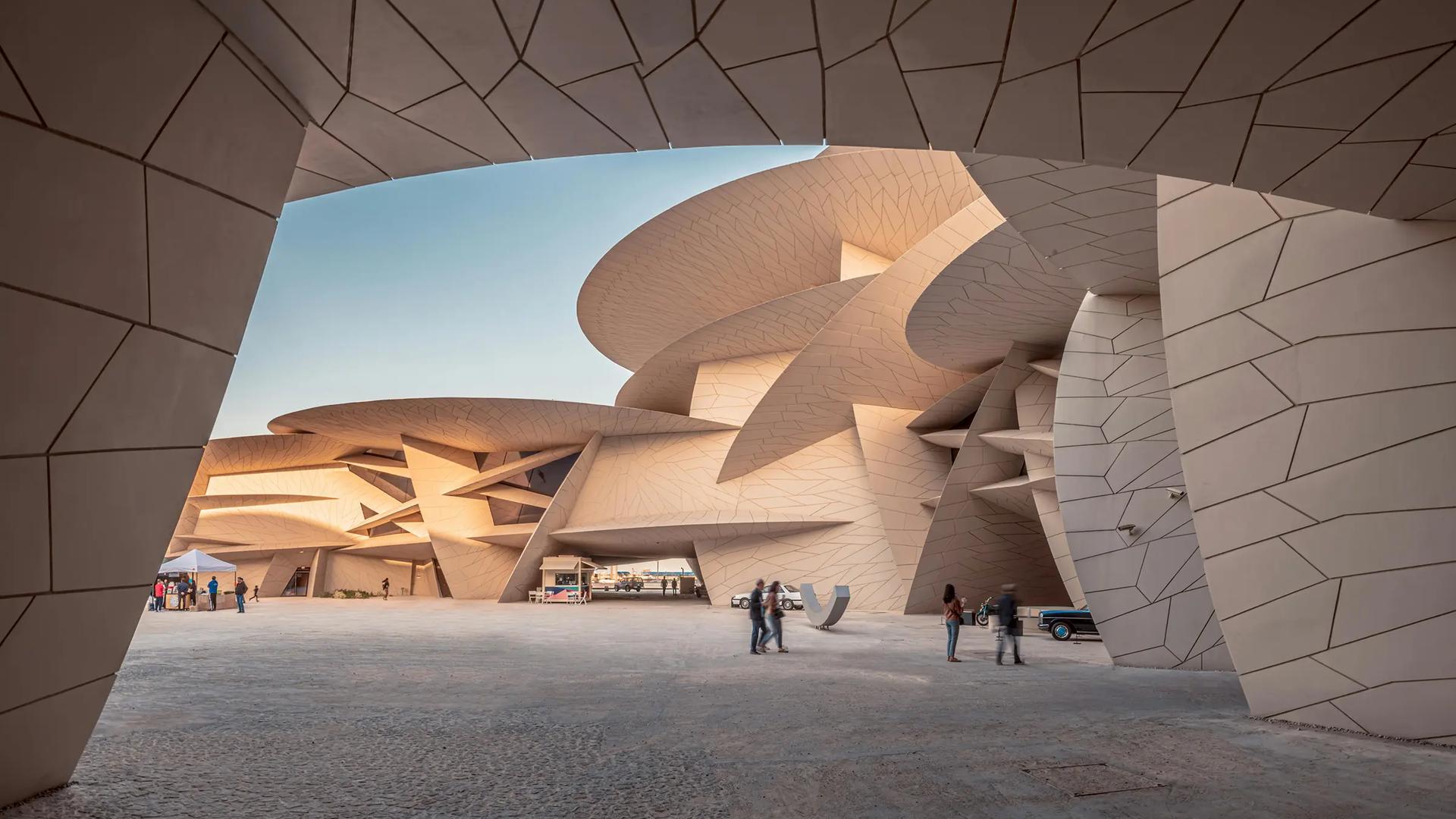
Stunning "desert rose" by Jean Nouvel – immersive history of Qatar.
About
The National Museum of Qatar is one of Doha’s most striking architectural landmarks and a cornerstone of the nation’s cultural landscape. Designed by Jean Nouvel, its form was inspired by the desert rose, a natural crystal found in Qatar’s sands, symbolizing the fusion of tradition and modernity.
The museum narrates the story of Qatar through a triad concept: nature – history – modernity. Its immersive galleries combine artifacts, multimedia installations, and soundscapes, guiding visitors through the country’s evolution from nomadic roots to a dynamic 21st-century nation.
Today, the National Museum of Qatar houses around 8,000 objects and serves as a hub for education, research, and cultural exchange, reinforcing both national identity and Qatar’s global presence.
Transport
Travel time
On foot from Doha center26–40 min.2 km
By car from Doha7 min.3 km
From the airport Doha · DOH14 min.7 km
On the map
Location
In detail
What's here
What is this place
The National Museum of Qatar is the country’s main cultural and historical museum, located in central Doha along the Corniche. Designed by French architect Jean Nouvel, it opened on 28 March 2019, incorporating the historic palace of Sheikh Abdullah bin Jassim Al Thani, a core symbol of Qatar’s heritage.
Key features
- Architecture inspired by the desert rose, composed of interlocking discs.
- Total floor area of around 40,000 m² on a 1.5 million ft² site.
- Collection of about 8,000 objects including archaeological finds, ethnographic artifacts, jewelry, costumes, and documents.
- Received the Green Apple Award (2023) and Carbon Neutrality Certificate (2024).
- Features the historic palace, landscaped park, two restaurants, café, research center, and a 220-seat auditorium.
What to see
- Permanent galleries – three main themes: natural history, nation-building, and modern Qatar.
- Historic Palace – the restored early 20th-century residence at the museum’s heart.
- Multimedia installations – immersive video, sound, and light presentations.
- Jiwan Restaurant – contemporary Qatari cuisine overlooking the Gulf.
- Museum Park – a public space with lagoon, dhow exhibits, and walking paths.
History
The first National Museum of Qatar opened in 1975 inside Sheikh Abdullah’s palace and received the Aga Khan Award for Architecture in 1980. In the early 2000s, a new vision emerged to create a museum reflecting Qatar’s modern identity.
Jean Nouvel’s design was constructed by Hyundai Engineering & Construction, with the palace restored by ZRS Architekten Ingenieure. The new museum opened in 2019, quickly becoming one of the Gulf’s most important cultural landmarks.
Since opening, the museum has hosted major international exhibitions, research programs, and collaborations with museums across Asia, Europe, and the Middle East.
Practical information
Location: southern end of the Doha Corniche, near Doha Port.
Getting there: National Museum metro station (Red Line), 5-minute walk.
Access: open daily; museum ticketed, park free.
Visiting hours: 9 am–7 pm (Fridays 1:30–7 pm).
Visit duration: 2–3 hours.
Best time: November–March, mornings or evenings.
Notes: fully accessible, multilingual digital guides available.
National Museum of Qatar
Articles about this place
Tours
Best Tours in Doha: Desert Safaris, City Highlights and Dhow Cruises
A practical guide to the best tours in Doha: city sightseeing, desert safaris to the Inland Sea and evening dhow cruises along the Corniche. Prices, how to choose the right tour and where to book it.
December 10, 2025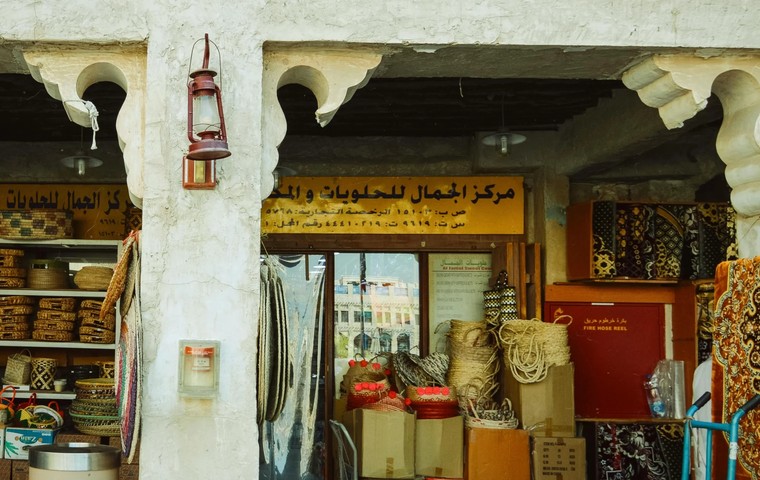
Tours
Souq Waqif in Doha – complete visitor guide, prices, food and how to get there
A practical guide to Souq Waqif in Doha: how to get there from the airport, what to see, where to eat, typical prices, dress code and local etiquette.
December 06, 2025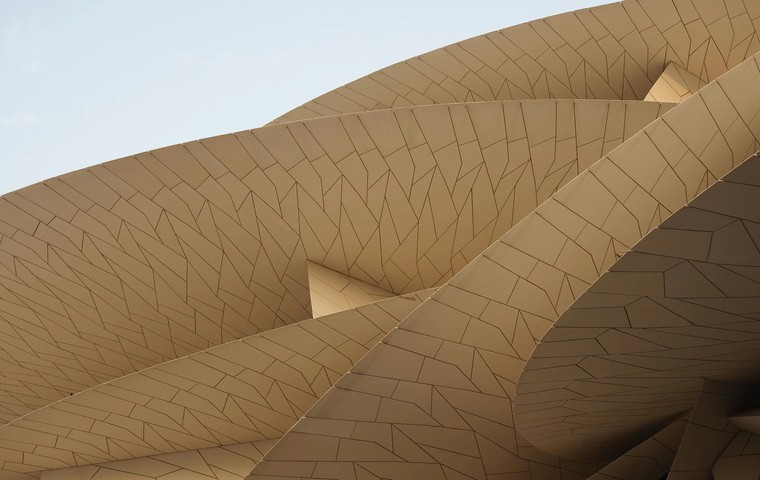
Tours
National Museum of Qatar – is it worth visiting?
Find out if the National Museum of Qatar in Doha is worth your time: what’s inside, how much tickets cost, how long to spend, and how to combine it with other sights.
December 06, 2025Nearby