Praskvica Monastery
Praskvica Monastery
A key Paštrovići monastery on the slopes above Miločer
About
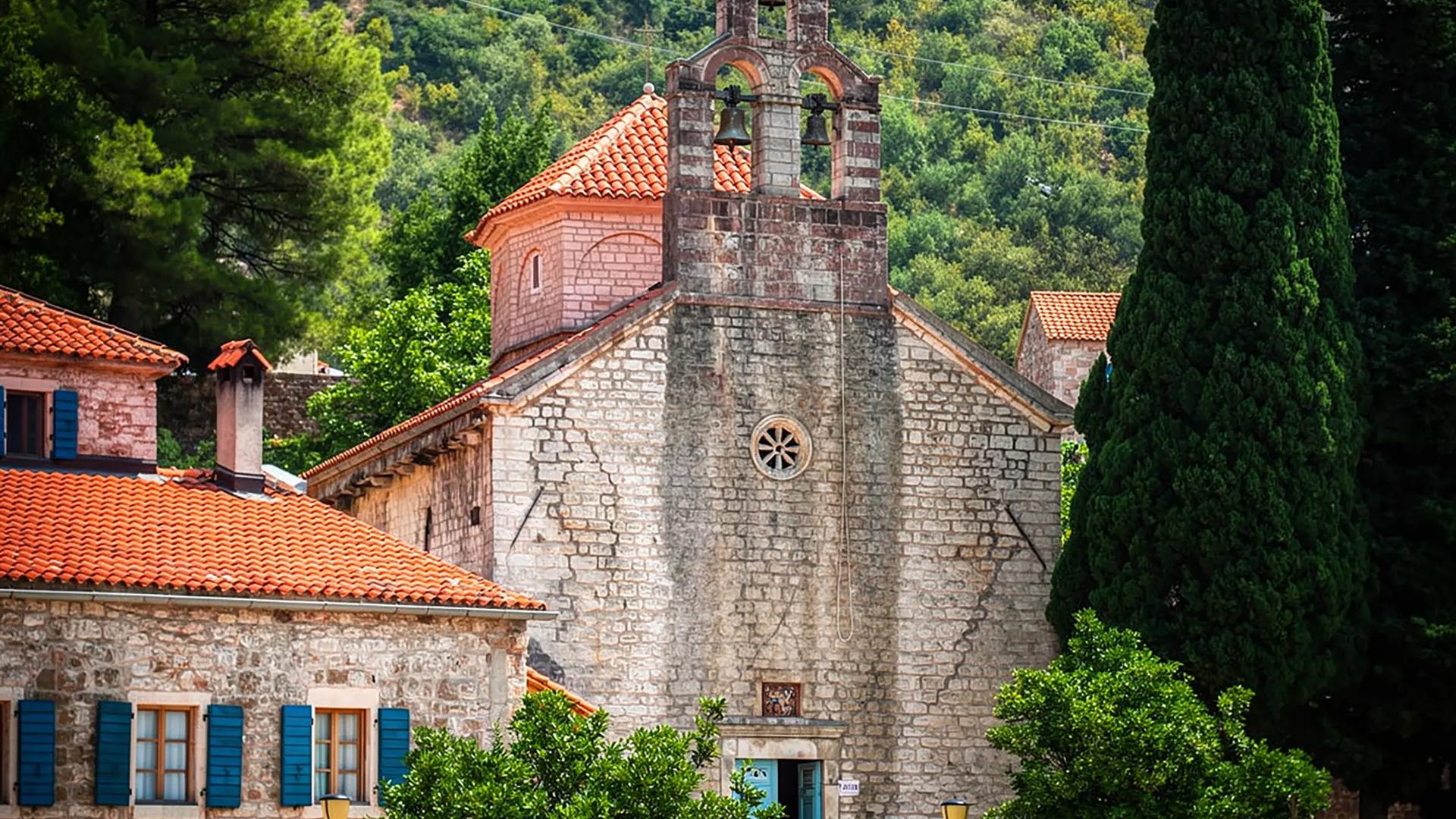
The architecture reflects several building phases with stone as the dominant material and restrained volumes. The principal churches are dedicated to St Nicholas and the Holy Trinity.
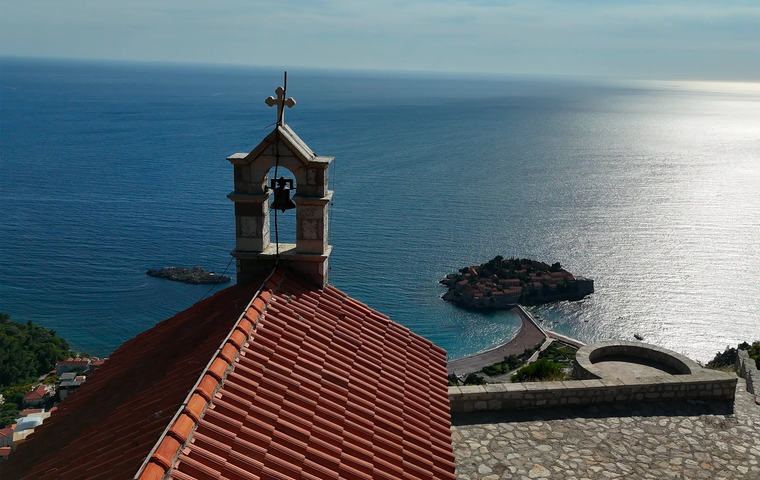
The grounds open to coastal views and express the community’s spiritual ties to the shoreline landscape.
Transport
Travel time
On foot from Sveti Stefan center1 h 6 min. – 1 h 38 min.2 km
By car from Sveti Stefan7 min.3 km
From the airport Tivat · TIV59 min.30 km
On the map
Location
In detail
What's here
What is this place
Praskvica Monastery is among the oldest Orthodox complexes of the Paštrovići area, perched above Sveti Stefan (village of Čelobrdo) and belonging to the Metropolitanate of Montenegro and the Littoral. Its name is linked to a nearby spring whose water was said to smell like a peach (praskva → praskvica).
Key features
- Two monastic churches – Holy Trinity (older) and St Nicholas (1413) – form the core of the ensemble.
- Foundation attested by 1413 charter of Balša III; legend places origins in the 11th century.
- St Nicholas church was destroyed by the French in 1812 and rebuilt in 1847; a section of the old wall survives.
- Long a spiritual and political center of the Paštrovići; the Sveti Stefan island churches were under its authority.
- “Jegor’s Road” – a stone footpath linking the monastery with Sveti Stefan, ascribed to the one-armed Russian monk Yegor Stroganov (late 18th–early 19th c.).
What to see
- Churches of Holy Trinity and St Nicholas with Raška-school features and remnants of earlier masonry.
- The konak, the small school-tower (“kulica”), and a compact display (icons, books; potentially letters from Russian emperors in the holdings).
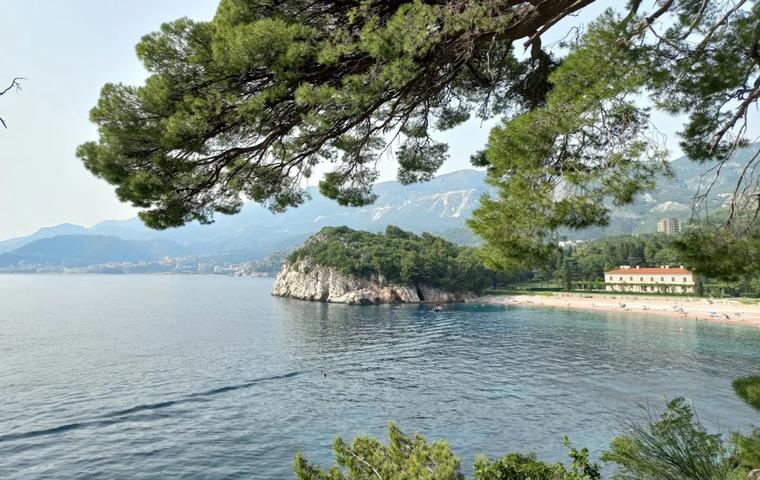
- Trailhead of “Jegor’s Road” down to the coast and vistas over Miločer, Pržno, and Sveti Stefan.
History
The most reliable record is the 1413 charter by Balša III and his mother Jelena establishing/confirming the church of St Nicholas; tradition speaks of an 11th-century Holy Trinity predecessor.
During the Napoleonic era (1812) the complex was devastated and its archives lost; rebuilding followed in 1847. Today Praskvica remains a parish center and a place of pilgrimage, with the legend of “Jegor’s Road” embedded in local identity.
Practical information
Location: above Pržno and Miločer, Budva municipality.
Getting there: by car or taxi from Budva, with a short walk at the end.
Access: free; modest behavior required inside churches.
Visiting hours: best in the morning or late afternoon.
Visit duration: 30–60 minutes; with viewpoints around 1.5 hours.
Best season: April–June and September–October.
Notes: comfortable footwear advised; modest clothing inside churches.
Praskvica Monastery
Articles about this place
Nearby