
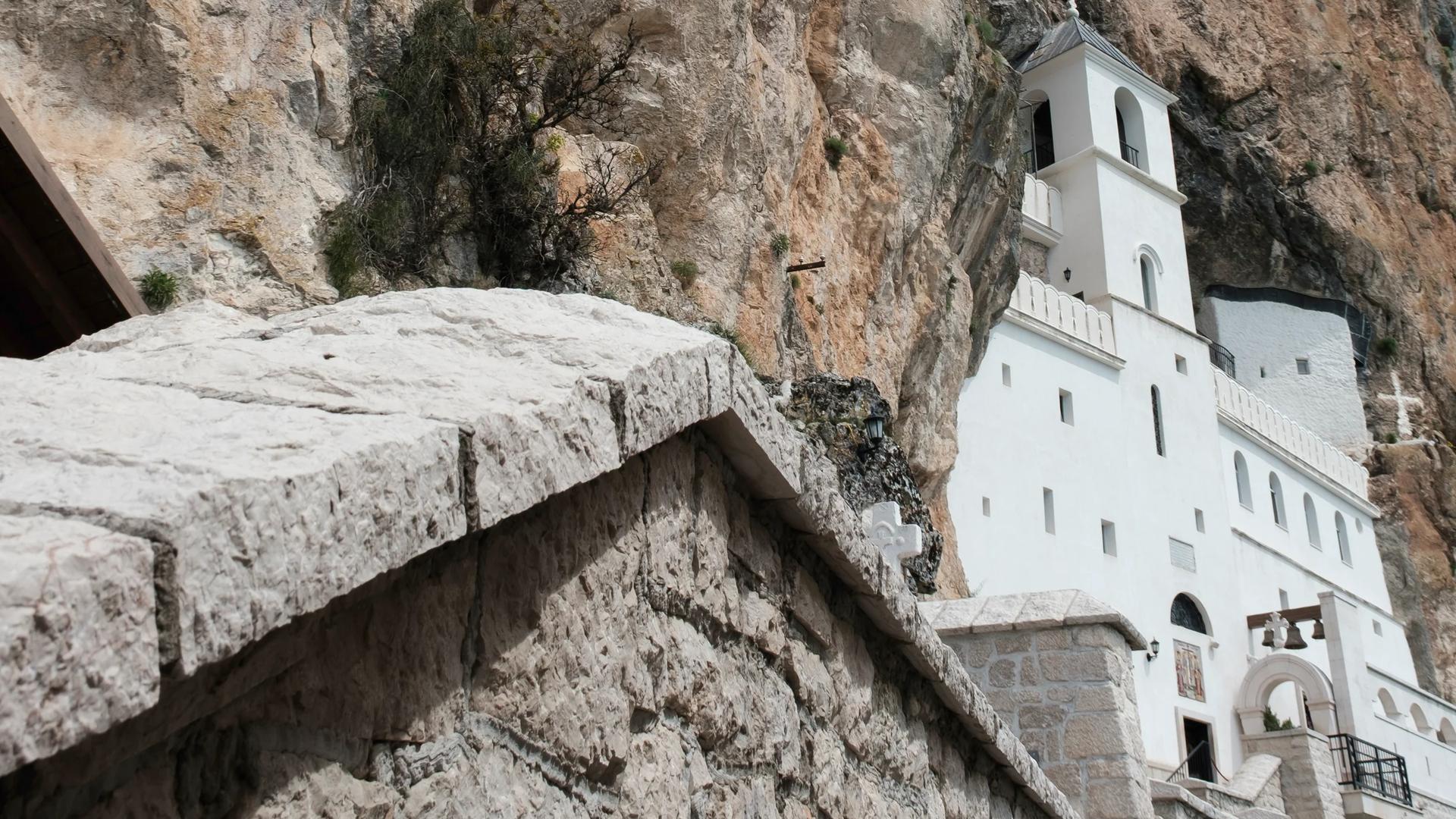
Ostrog Monastery
Manastir Ostrog
One of Montenegro’s most famous monasteries, built high into the cliff and visited by pilgrims and travelers from around the world.
About
Ostrog Monastery is a remarkable place where nature, history, and spiritual atmosphere come together in one of the country’s most striking locations. Even if you visit not as a pilgrim but as a traveler, Ostrog stands out for its dramatic setting, beautiful views, and unique sense of peace and presence.
Transport
Travel time
By car from Podgorica49 min.45 km
From the airport Tivat · TIV58 min.52 km
On the map
Location
In detail
What's here
What is this place
Ostrog Monastery is a Serbian Orthodox monastery built into the near-vertical rock face of the Ostroška Greda massif in central Montenegro, within Danilovgrad Municipality. It is one of the main pilgrimage centers of the Balkans and the most visited monastery in the country.
Key features
- The monastery stands high in the rock face – this is what makes it one of the most recognizable religious complexes in Montenegro.
- Its present appearance was largely formed in 1923–1926 – the complex had to be rebuilt after a fire.
- The Upper Monastery includes two cave churches – the Church of the Presentation of the Mother of God and the Church of the Holy Cross, both built directly into the natural rock.
- The Lower Monastery is centered on the Holy Trinity Church from 1824 – this area also contains monastic residences and part of the pilgrim infrastructure.
- There are about 3 km between the lower and upper levels – many pilgrims walk this route as part of tradition.
What to see
- The Upper Monastery with its white façade literally cut into the sheer cliff.
- The Church of the Presentation of the Mother of God, where the relics of Saint Basil of Ostrog are kept.
- The Lower Monastery with the Holy Trinity Church and views over the Bjelopavlići plain.
History
The veneration of Ostrog is linked to an earlier sanctuary, but the monastery complex in the present historical tradition is associated with the work of Vasilije Jovanović, Metropolitan of Herzegovina, in the first half of the 17th century. The monastery already appears on a map of Montenegro in 1640.
After the death of Saint Basil in 1671, Ostrog became an important place of pilgrimage, and his relics were placed in the cave church of the Presentation of the Mother of God. At the end of the 17th century, frescoes were added here, while the Church of the Holy Cross was painted by the master Radul directly onto the rock surface.
In the early 20th century, a fire destroyed most of the buildings, after which the monastery was rebuilt in 1923–1926. In this form, the complex has largely survived to the present day and continues to receive pilgrims and regular visitors throughout the year.
Practical information
Location: Danilovgrad Municipality, about 50 km from Podgorica and 15 km from Nikšić.
Getting there: most visitors arrive by car from the Podgorica – Nikšić road, with a turnoff at Bogetići leading to the monastery via a narrow mountain road. It is also possible to take a train to Ostrog station and continue uphill on foot.
Access: admission is usually free, though donations are welcome. The route between the lower and upper monastery can be partly driven or walked.
When to visit: the monastery is open daily, but hours vary by season, with a common reference range of about 06:00–16:00 or 06:00–20:00.
Visit duration: the Upper Monastery usually takes about 1 hour, while a full visit with the ascent from the lower level and queue time can take 2–3 hours or longer in high season.
Best time: a weekday in the shoulder season, when queues are shorter. On 12 May, the feast day of Saint Basil, and in summer, the site is much busier.
Notes: clothing should cover shoulders and knees. Parts of the route and viewing areas are steep, and the access road is narrow and winding.
Nearby
Nearby attractions
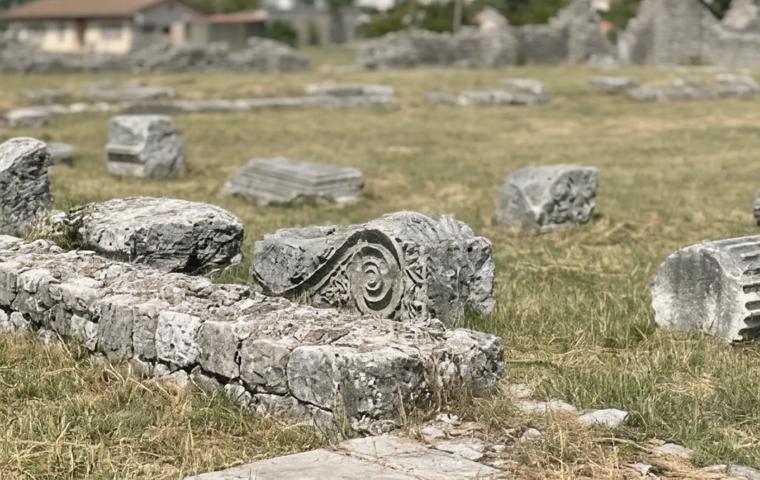
35 km
Doclea Roman Ruins
Duklja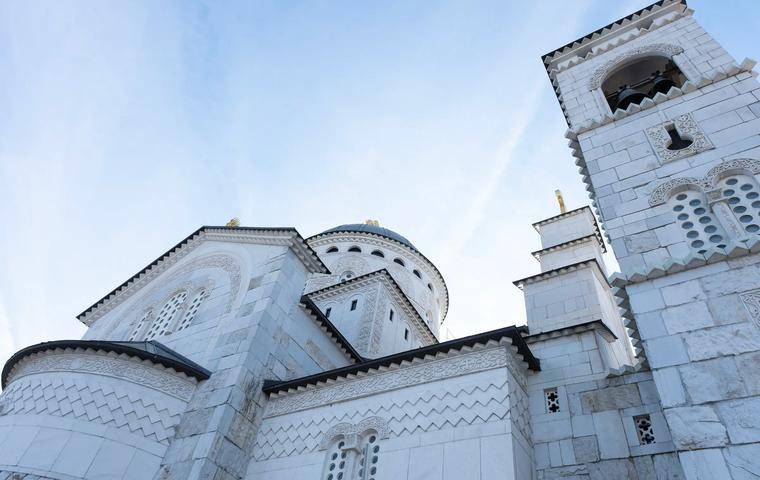
35 km
Cathedral of the Resurrection of Christ
Saborni hram Hristovog Vaskrsenja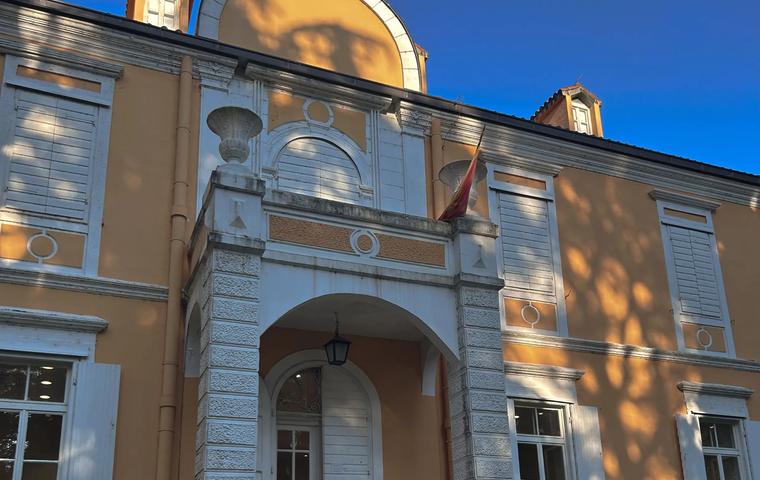
36 km
Petrović Castle (Museum of Contemporary Art)
Dvorac Petrovića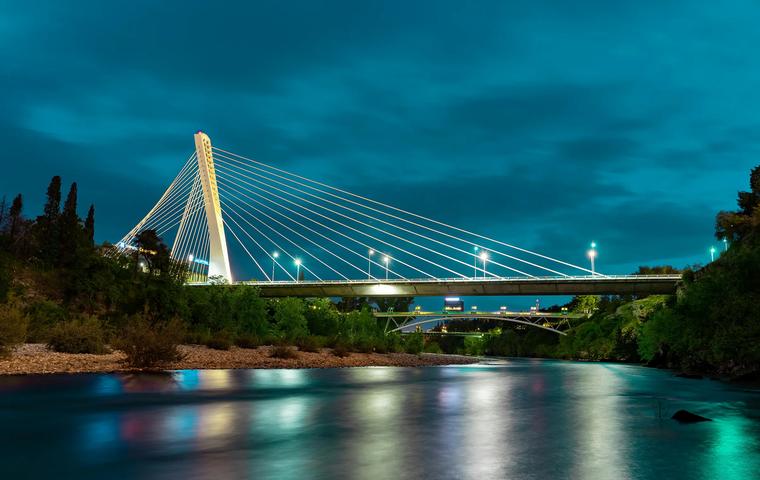
36 km
Millennium Bridge
Most Milenijum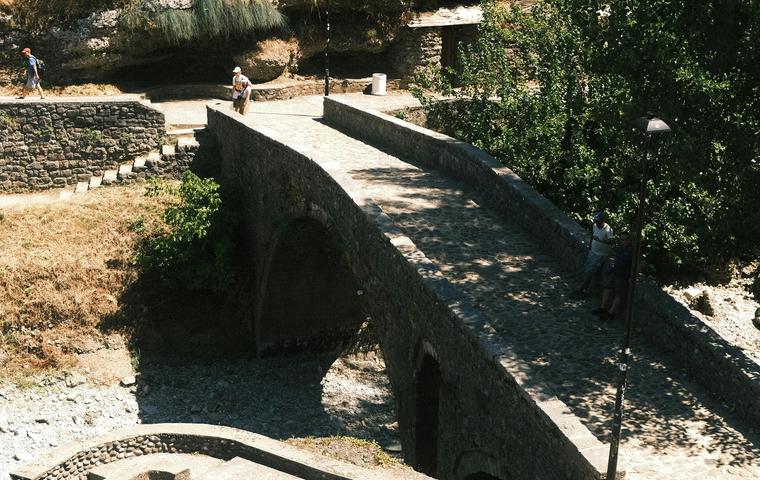
37 km
Old Ribnica Bridge
Adži-pašin most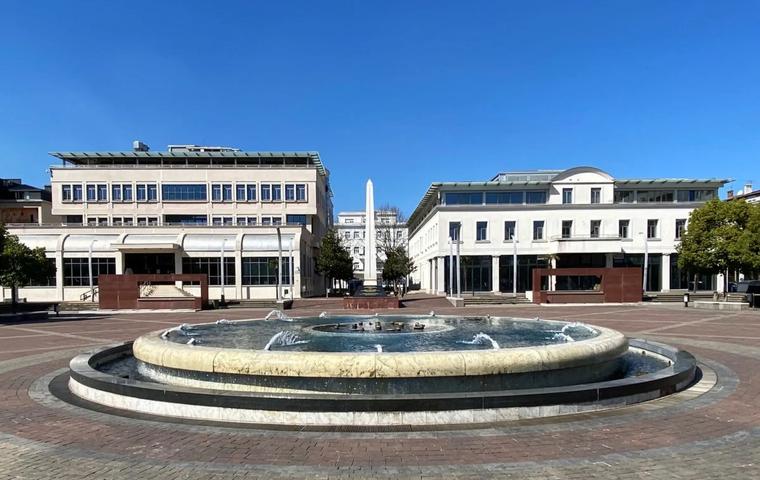
37 km
Independence Square (Trg Nezavisnosti)
Trg Nezavisnosti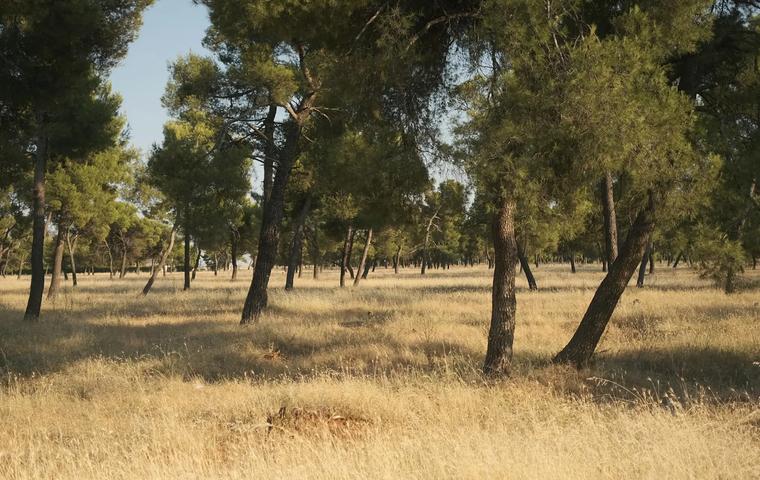
37 km
Gorica Forest Park
Park Gorica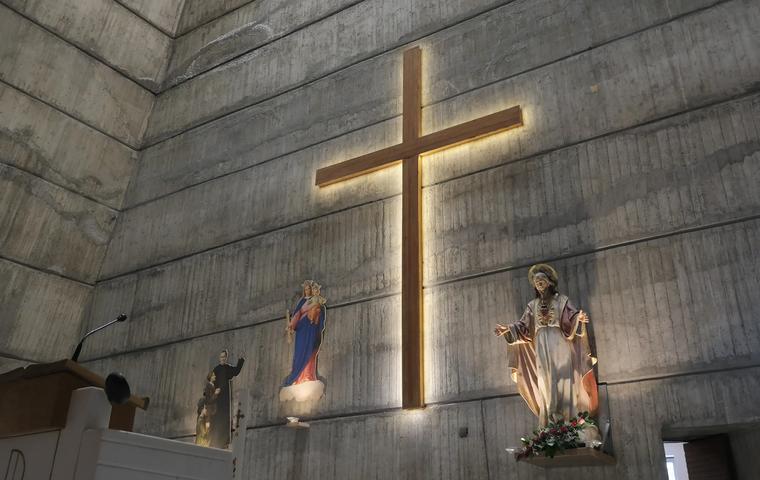
38 km
Church of the Holy Heart of Jesus
Crkva Presvetog Srca Isusova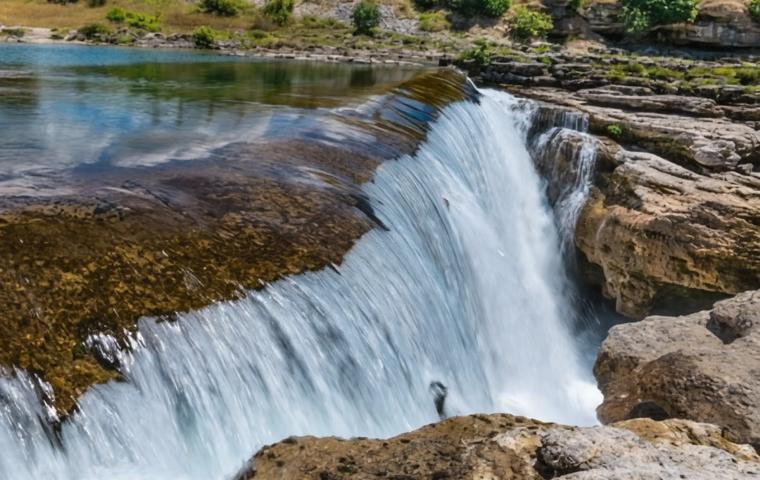
43 km