Blog · eSIM
How to Choose an eSIM Based on Trip Length: From a Weekend to Months Abroad
 eSIM
eSIMIn this article
Some links are affiliate links. You pay the same, and we may earn a commission.
A practical eSIM selection framework by trip duration: how much data you need, which validity periods make sense, and when regional or global plans are worth it.
An eSIM is great because you can buy mobile data in advance and activate it without hunting for a SIM shop. The most common reason people overpay, though, is simple – they pick the wrong validity period for their actual trip length.
Below is a practical framework: match your trip duration with your usage style (maps, messaging, work calls, hotspot) and you’ll land on the right data range without guessing.

Key takeaways
- Validity period matters as much as data volume – unused GB often expire when the plan ends.
- For 1-3 days, small short-validity plans usually win over “monthly just in case”.
- For 7-14 days, add a 20-40% buffer so you don’t end up topping up at worse rates.
- For 15-30 days, 30-day bundles are often best value, especially 10-20 GB.
- For 1-3 months, prioritize long-validity plans or easy top-ups to avoid reinstalling profiles.
- For multi-country trips, regional eSIMs are simpler if you cross borders often.
- Unlimited plans buy peace of mind, but usually have fair-use rules, so heavy hotspot users should still think in GB.

Step 1. Define trip length and usage style
Answer two questions:
- How many days will you actually be on the ground (including arrival and departure days)?
- What’s your usage style?
- Light: maps, messaging, ride-hailing, banking apps
- Standard: plus social media and some video
- Heavy: remote work, calls, hotspot, file uploads
Rough daily data benchmarks:
- Light: 0.3-0.8 GB per day
- Standard: 0.8-1.8 GB per day
- Heavy: 2-5 GB per day and up
Step 2. Pick the right plan by duration
1-3 days
Best choice – a small plan with short validity.
- Light: 1 GB
- Standard: 2-3 GB
- Heavy: 3-5 GB or 1-3 day unlimited
Tip: if you’ll be on hotel Wi-Fi a lot, 1 GB is often enough for navigation and rides.
4-7 days
This is the sweet spot for balancing cost and convenience.
- Light: 1-3 GB
- Standard: 3-5 GB
- Heavy: 5-10 GB or a 7-day unlimited plan
Weekly validity often avoids paying for extra days you don’t need.
8-14 days
A common mistake is buying “a week-sized” plan and topping up repeatedly.
- Light: 3-5 GB
- Standard: 5-10 GB
- Heavy: 10-20 GB or 15-day unlimited
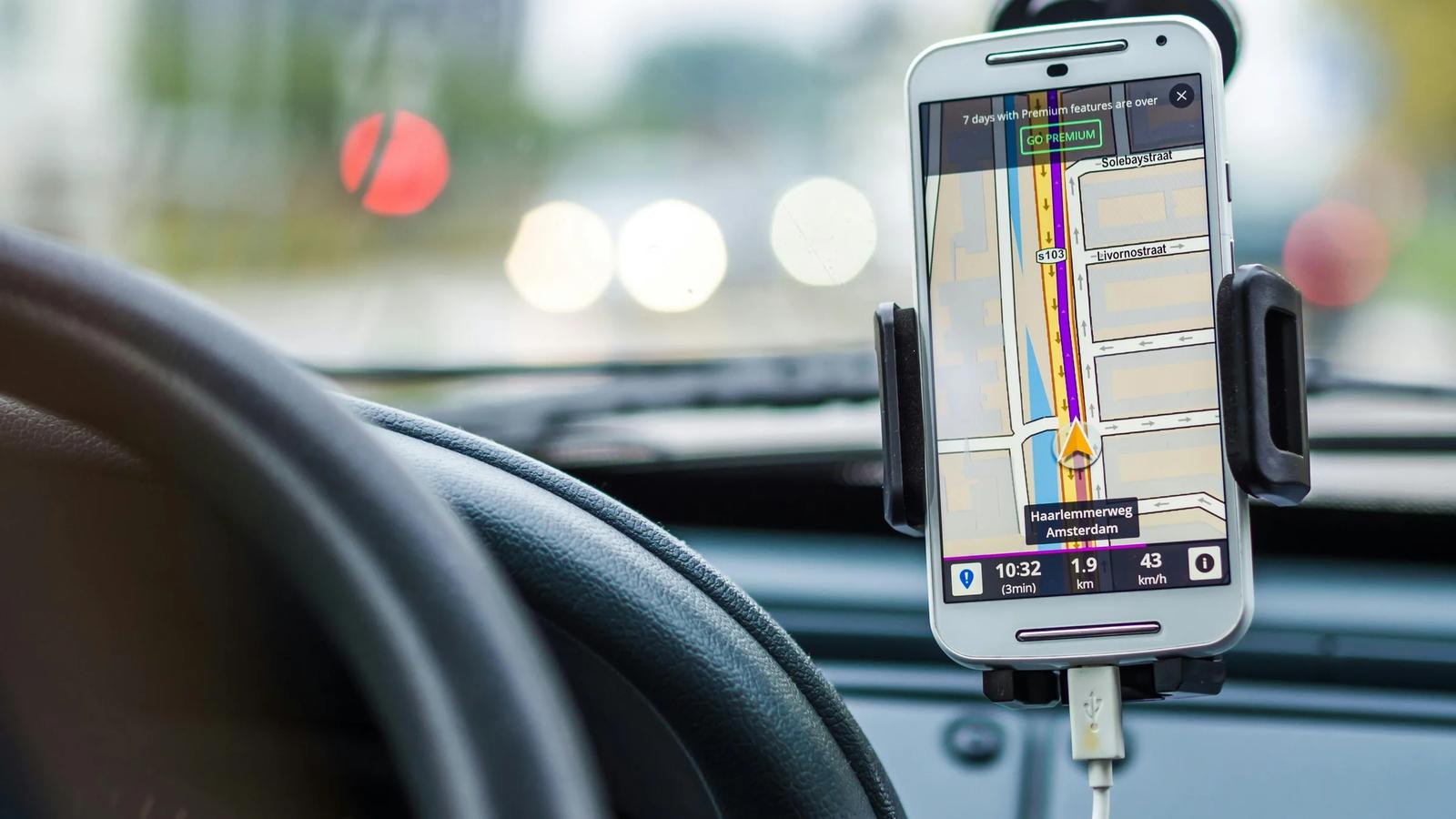
Road trips and constant navigation typically increase usage more than expected.
15-30 days
The default recommendation – 30-day bundles, because they often beat “two weeks + top-ups”.
- Light: 5-10 GB
- Standard: 10-20 GB
- Heavy: 20 GB+ or 30-day unlimited
It helps to choose a provider with fast top-ups. For example, Ubigi often offers clear regional bundles, Airalo has broad country and regional coverage options, Saily keeps short and monthly plans straightforward, and Yesim commonly includes fixed-duration “unlimited” options.
1-3 months and longer
At this point, validity rules become as important as data size:
- Look for 60-180-365 day validity or an easy top-up system within one account.
- For stable work, a 30-day plan you renew is often smoother than buying new eSIM profiles over and over.
If you fly often, consider global or regional plans so you don’t need a new package in every country.
Step 3. What to check beyond GB and days
- Network and speed: LTE/5G availability depends on local partners.
- Hotspot support: not every plan treats tethering the same way.
- Fair-use policy: key for unlimited plans.
- Activation trigger: some plans start on installation, others start on first network connection in the destination.
- Calls and SMS: many travel eSIMs are data-only, but some offer a number.
- Support and refunds: useful if your dates change or a plan doesn’t fit.
Prices
These are practical benchmarks. Exact pricing depends on destination, whether it’s a country, regional, or global plan, and current promotions.
- 1 GB for 7 days: about $4-9
- 3 GB for 30 days: about $8-16
- 10 GB for 30 days: about $14-20
- 20 GB for 30 days: about $25-35
- Unlimited for 7 days: about $25-40
- Unlimited for 30 days: about $50-70
Rule of thumb: if 20 GB is only slightly more expensive than 10 GB, the larger plan often saves you from inconvenient top-ups.
Tips
- Count validity from the activation rule, not from purchase date.
- Add a 20-40% buffer if you’ll rely on maps and spend lots of time on the move.
- Download offline maps to cut data usage.
- Disable app auto-updates on mobile data.
- For work trips, set a data warning limit on your phone.
- For 2-week trips, a 30-day plan with the right GB is often better than a tight 15-day bundle.
FAQ
Can I buy an eSIM now and activate it later?
Usually yes. The key is the start rule: some plans begin on installation, others on first connection in the destination.
For a week, should I choose unlimited or fixed GB?
Unlimited is convenient for heavy browsing and hotspot needs, but fixed GB is often cheaper for maps, messaging, and moderate use.
Is 1 GB enough for a 3-day trip?
Often yes for light use. If you rely heavily on maps, upload photos, and use ride-hailing frequently, 2-3 GB is safer.
Can I use hotspot with an eSIM?
Often yes, but plan rules vary. If you need hotspot for a laptop, choose a plan that explicitly allows it.
What if I run out of data early?
Top up with the same provider or buy a new package. For 8-14 day trips, starting with a buffer is usually cheaper.
How do I choose for multiple countries?
If you cross borders every few days, a regional plan is usually simpler than switching country plans repeatedly.
Summary
Choosing an eSIM by trip length is mostly about validity and your real usage style. Go small for short breaks, add a buffer for 1-2 weeks, pick 30-day bundles for month-long stays, and use long-validity or easy top-up options for multi-month travel.
Sources:
- Airalo – Official eSIM store
- Ubigi – Official eSIM rates
- Saily – Official eSIM plans
- Yesim – Official eSIM plans
You may also like
Albania Internet 2026: eSIM from €3.5 vs €25 Airport SIM — Honest Guide
Albania isn't in the EU — your European SIM roams. Here's the real math: eSIM from €3.5 or local SIM in town from €4 instead of €25 at the airport.
April 21, 2026
eSIM vs Local SIM Card in Montenegro: Which Is Better for Travelers
Compare eSIM providers and local Montenegrin operators (MTEL, One, Crnogorski Telekom). Prices, coverage, purchase tips, and tariff tables to choose the best connectivity option.
February 24, 2026
Best eSIM for Georgia: 9 Providers Compared with Real Prices
A local SIM costs from $4, while eSIMs start at $1.79. We compare 9 providers on price per GB, coverage, and convenience – and explain when eSIM beats a local SIM, and when it doesn't.
March 09, 2026
eSIM in Qatar: why you should use it in 2025
Why eSIM is the smartest way to stay online in Qatar: coverage, data prices, roaming comparison plus setup and safety tips.
November 26, 2025
Internet for Digital Nomads in Doha: Coworking Spaces, Wi-Fi Cafés and VPN Requirements
Where to work remotely in Doha: coworking spaces with prices, cafés with fast Wi-Fi, 5G mobile internet, blocked services, and VPN setup for calls in Qatar.
February 14, 2026
Why Use an eSIM in Qatar?
Planning a trip to Qatar? Here’s why eSIM is a convenient and cost-effective way to stay connected – get online as soon as you land, with no roaming fees or need to hunt for a local SIM card.
November 09, 2025