
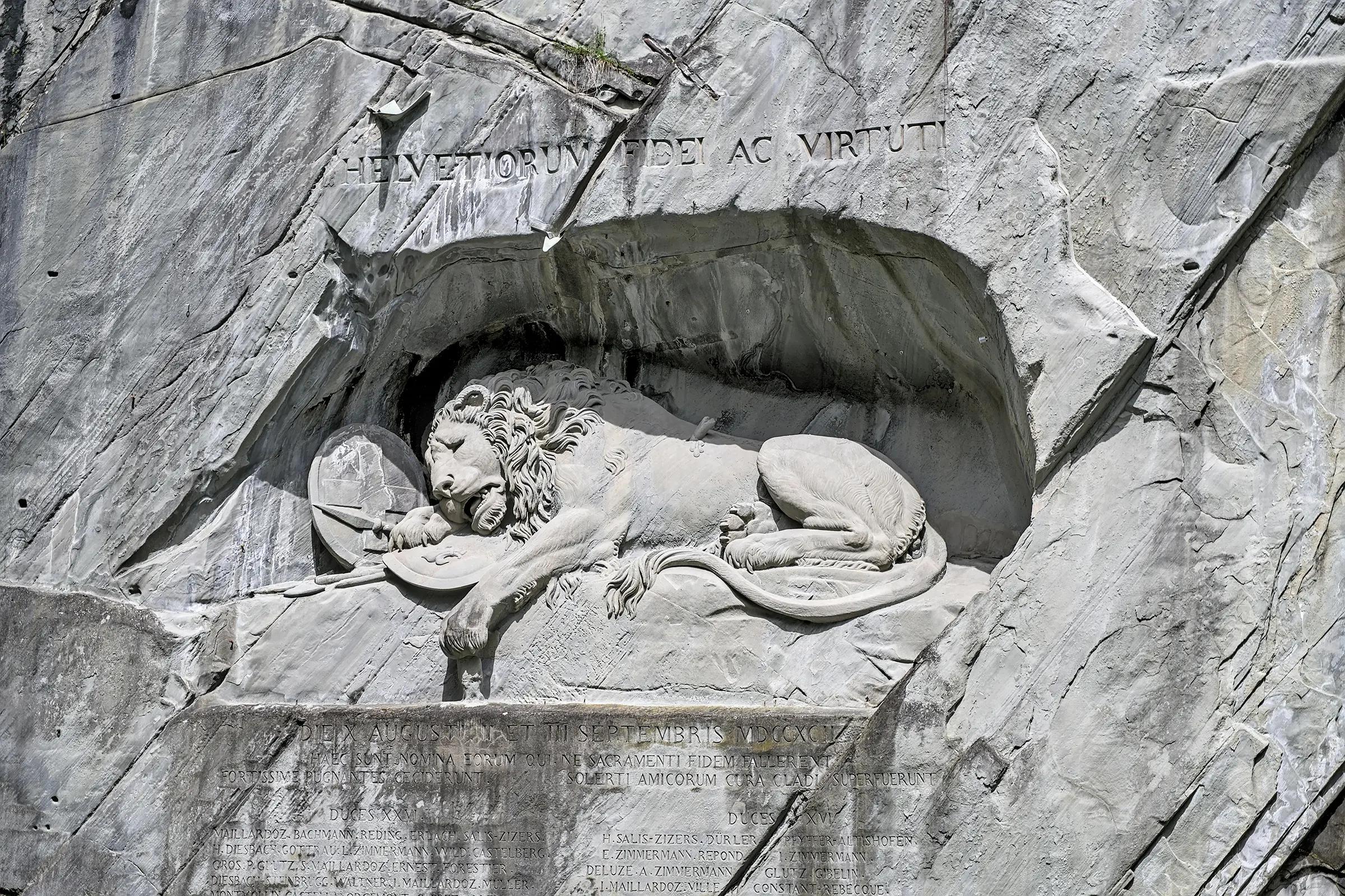
Lion Monument
Löwendenkmal
A deeply moving tribute to fallen heroes and a defining symbol of Lucerne.
About
Carved into a sandstone cliff, the Lion Monument honors the Swiss Guards who died defending King Louis XVI during the French Revolution in 1792. The mortally wounded lion expresses sorrow, bravery, and dignity. Mark Twain called it “the most mournful and moving piece of stone in the world.” Today, it stands as one of Lucerne’s most poignant and visited landmarks.
Transport
Travel time
On foot from Lucerne center10–14 min.700 m
By car from Lucerne3 min.700 m
From the airport Bern · BRN1 h 34 min.64 km
On the map
Location
In detail
What's here
What is this place
The Lion Monument in Lucerne is a rock relief carved 1820–1821 in a former sandstone quarry by the Glacier Garden. It commemorates the Swiss Guards who died defending the Tuileries on 10 August 1792.
Key features
- Concept by Bertel Thorvaldsen; carving executed by Swiss sculptor Lukas Ahorn in 1820–1821.
- Approx. 10 m long and 6 m high – among Europe’s largest commemorative rock reliefs.
- The mortally wounded lion shields the coats of arms of France and Switzerland – a symbol of the Guards’ loyalty.
- Latin dedication “Helvetiorum Fidei ac Virtuti” with officers’ names.
- Initiated by officer Karl Pfyffer von Altishofen, funded by veterans and families.
What to see
- The “dying lion” above a pond, with tooling traces and weathered stone patina.
- Inscriptions and heraldry on the niche wall.
- Viewing terraces and the adjacent Glacier Garden museum park.
History
To honour the Swiss Guards killed in 1792 at the Tuileries, officer Karl Pfyffer spearheaded a memorial and engaged Bertel Thorvaldsen, whose model set the design.
Lukas Ahorn carved the relief in 1820–1821 directly into the quarry face; it was unveiled on 10 August 1821. The site soon became a hallmark of Lucerne and a key 19th-century memorial destination.
Practical information
Location: Denkmalstrasse 4, 6002 Lucerne – beside the Glacier Garden on the right bank of the Reuss.
Getting there: 15–20 minutes on foot from Luzern Bahnhof via Seebrücke and Löwenstrasse; buses 1, 19, 22 to Löwenplatz or Weserstrasse, then 3–5 minutes.
Access: Open-air site with free entry; paths are mostly level with gentle slopes.
Visiting hours: 24/7 year-round.
Visit duration: 15–30 minutes; 1–1.5 hours if combined with the Glacier Garden.
Best time: Early morning or golden hour for softer light; in peak season come on weekday mornings.
Notes: Stone and pond edges are slippery when wet; do not lean over the barriers by the water.
Nearby
Nearby attractions

96 m
Glacier Garden
Gletschergarten Luzern195 m
Bourbaki Panorama
Bourbaki Panorama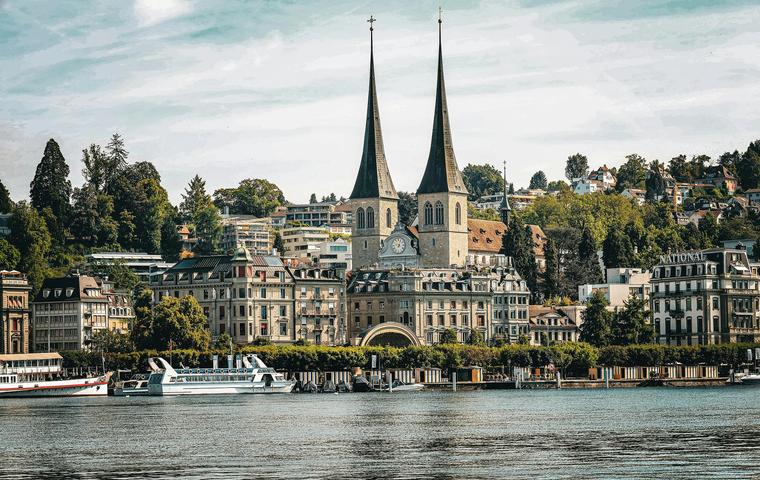
449 m
Church of St. Leodegar
Hofkirche St. Leodegar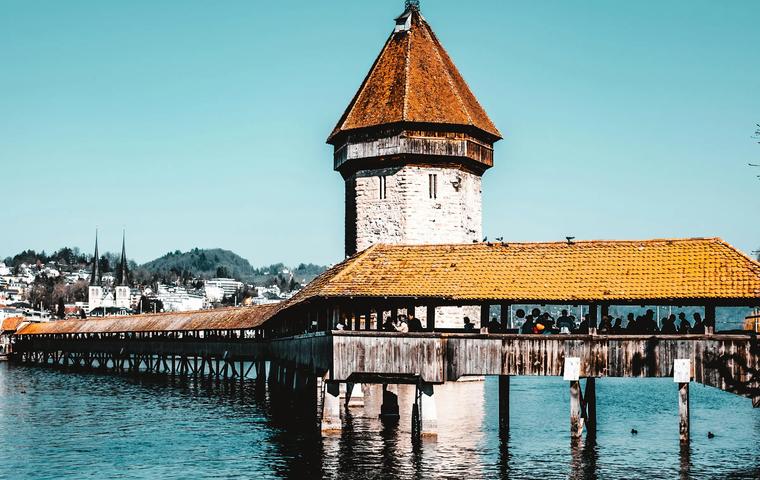
848 m
Kapellbrücke
Kapellbrücke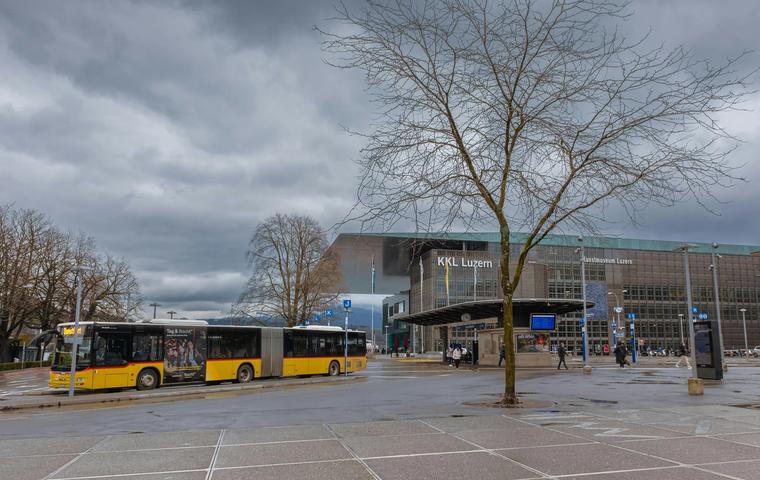
889 m
Lucerne Culture and Congress Centre
KKL Luzern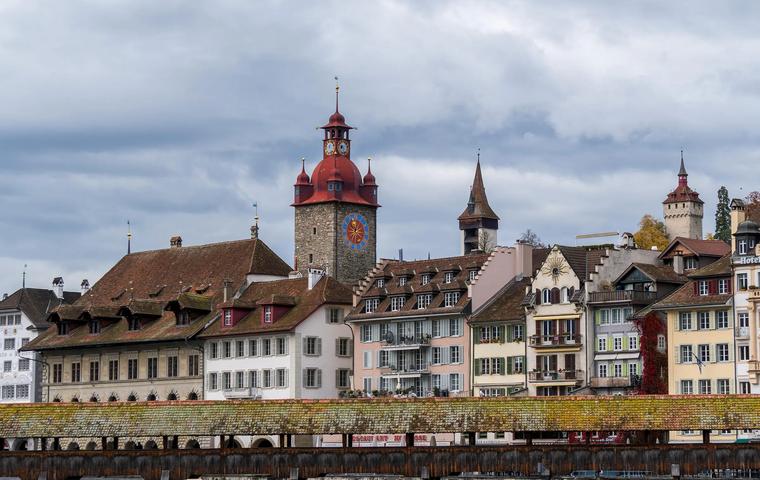
997 m
Lucerne Old Town
Luzern Altstadt1 km
Rosengart Collection
Sammlung Rosengart3 km
Swiss Museum of Transport
Verkehrshaus der Schweiz
3 km