Museum of Local History in Ulcinj
Zavičajni muzej
Archaeology and local history displayed in Old Town buildings.
About
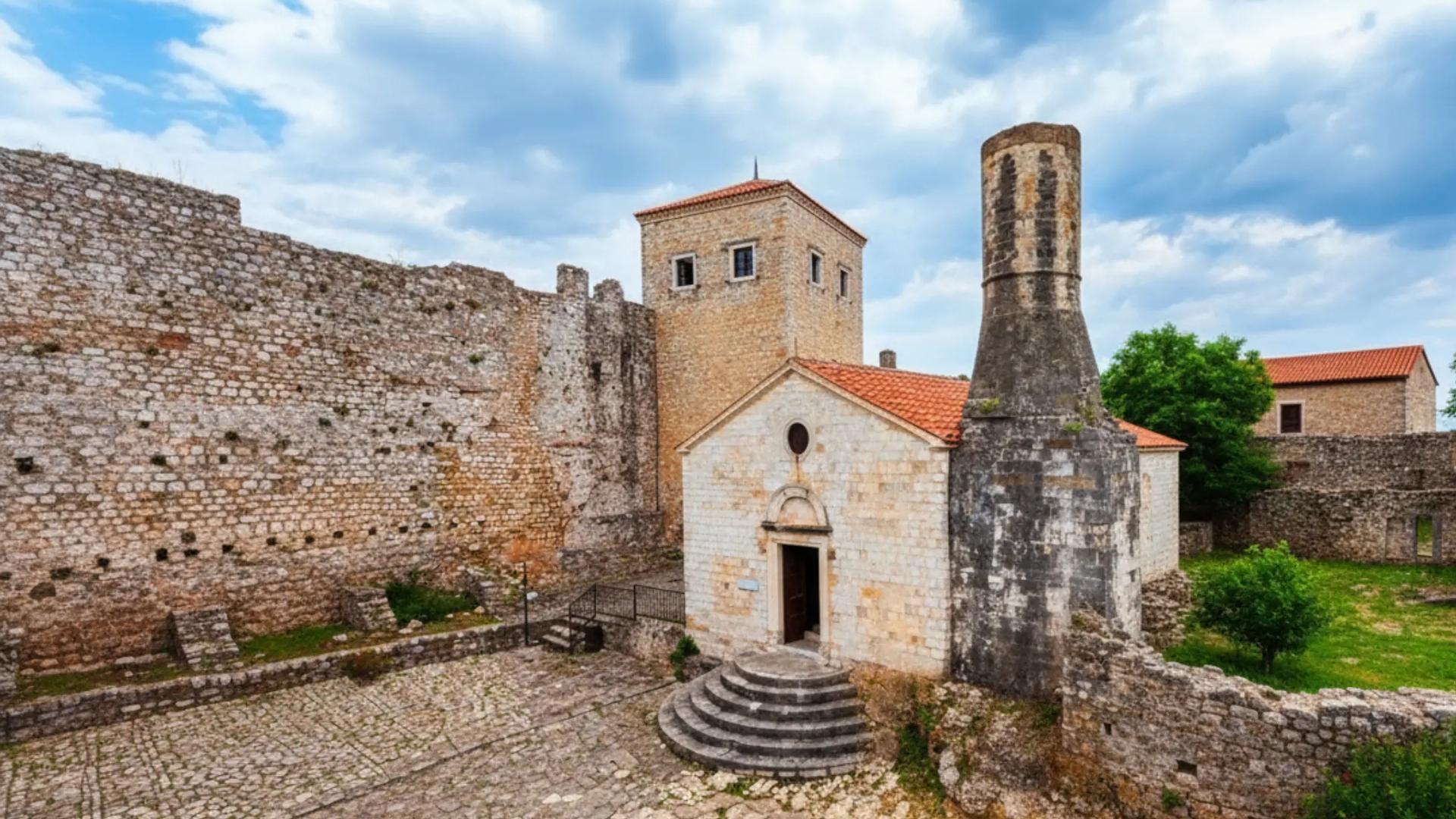
Displays range from antiquities to maritime themes and everyday coastal life. Halls occupy historic structures and fit naturally into an Old Town visit.
Transport
Travel time
On foot from Ulcinj center4–6 min.200 m
By car from Ulcinj1 min.270 m
From the airport Tivat · TIV2 h 4 min.91 km
On the map
Location
In detail
What's here
What is this place
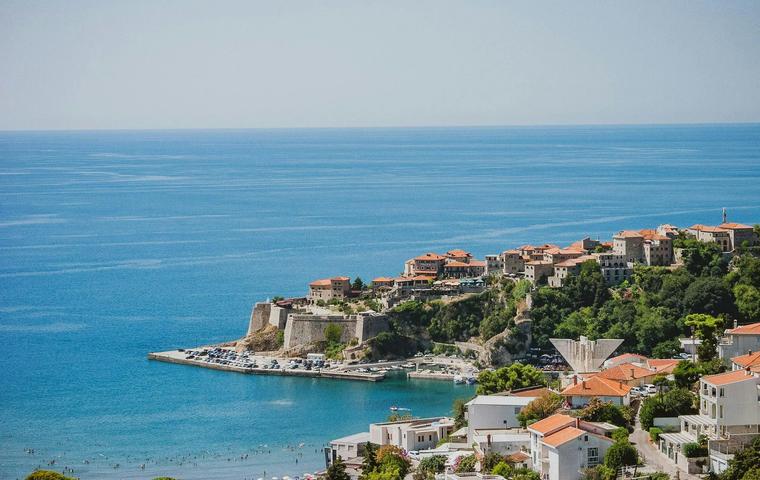
The Museum of Local History in Ulcinj is a compact city museum within the Old Town fortress above Mala Plaža. It traces Ulcinj’s story from Illyrian settlements and the Roman harbour through Venetian and Ottoman times, focusing on seafaring and urban life.
Key features
- Maritime and land archaeology: amphorae, anchors, ceramics and inscriptions evidencing ancient trade.
- Medieval & Ottoman artifacts (14th–18th c.): weapons, crafts, coins and pottery.
- Ethnography: coastal costumes, silver jewellery and household items.
- A section on Ulcinj’s 16th–17th c. corsair era and local maritime traditions.
- The local “Cervantes in Ulcinj” legend and the former slave-market square as part of the city’s memory.
What to see
- Lapidarium with ancient and medieval stonework.
- Maritime archaeology hall with amphorae and anchors from nearby finds.
- Ethnographic rooms with textiles, utensils and adornments.
History
The collection took shape with municipal efforts in the 20th century; after archaeological works in the Old Town and offshore, a permanent display of archaeology and ethnography was assembled. Following the 1979 earthquake, holdings were reorganised and rehoused in historic interiors. Today the museum serves as a municipal venue for the core display and small temporary shows.
Practical information
Location: Ulcinj Old Town (Stari grad), above Mala Plaža.
Getting there: on foot from the seafront (stairs to the city gate); nearest parking below the walls.
Access: ticketed entry; historic stairs limit full accessibility.
Visiting hours: year-round; seasonal daytime schedule (typically with a mid-day break).
Visit duration: 30–60 minutes.
Best time: morning or late afternoon to avoid heat.
Notes: uneven cobbles and steps – wear sturdy shoes; it can be hot in summer.
Nearby