Tivat Saline
Tivatska solila
A bird reserve on the site of historic salt pans.
About
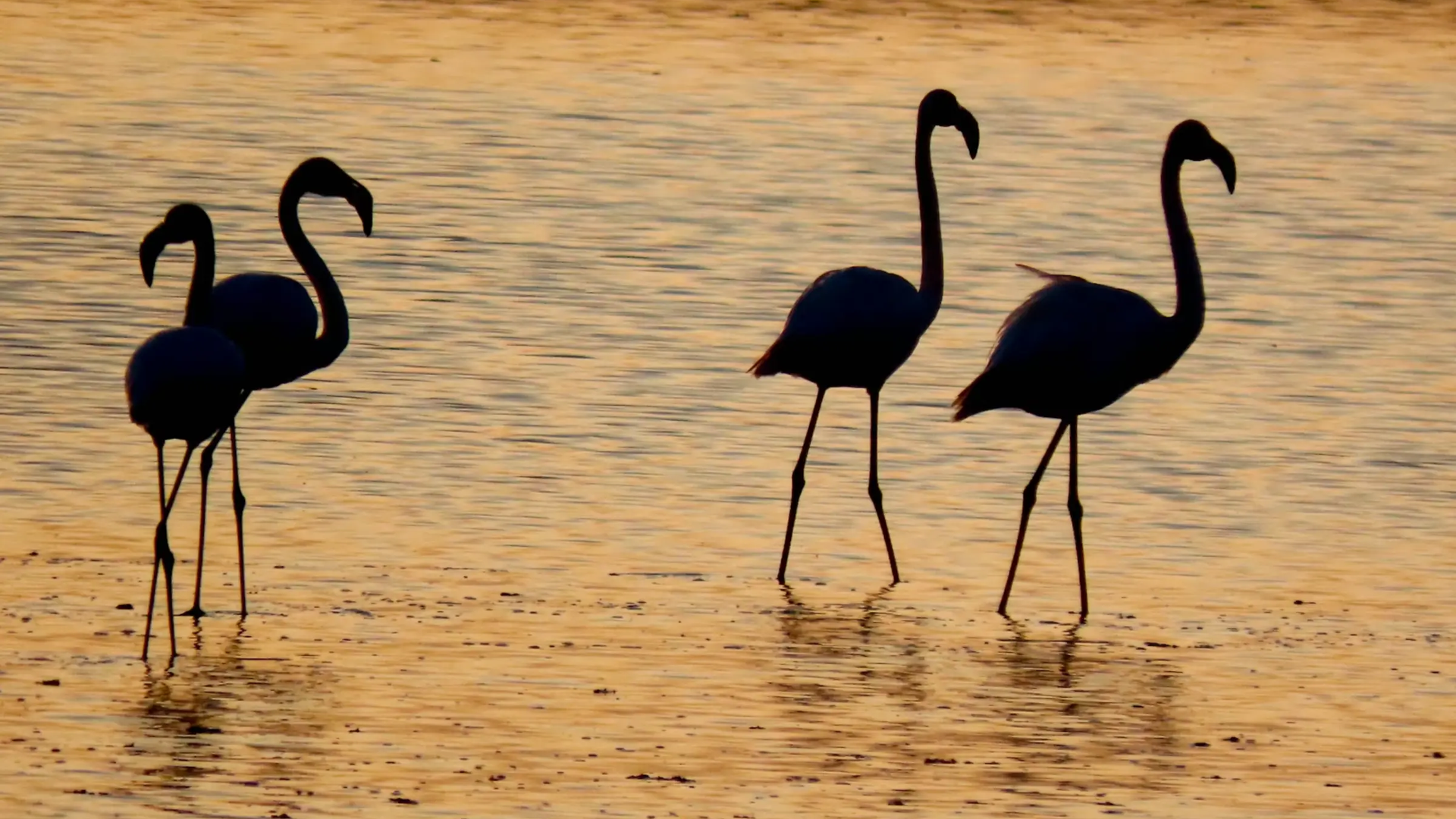
Once salt pans, the area is now a protected reserve for migratory birds. Flamingos, herons and many other Adriatic species can be spotted here. It is one of the best spots for nature observation near the coast.
Transport
Travel time
On foot from Tivat center36–54 min.4 km
By car from Tivat13 min.6 km
From the airport Tivat · TIV10 min.3 km
On the map
Location
In detail
What's here
What is this place
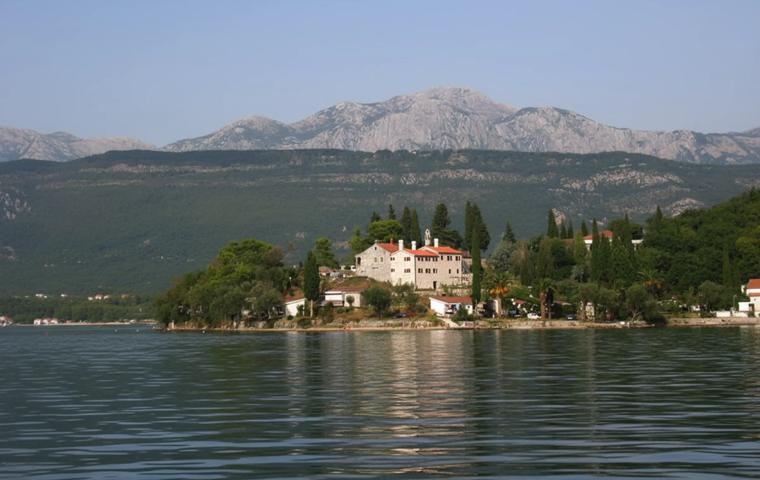
Tivat Salinas (Tivatska solila) are a coastal bird reserve in Tivat Bay, Montenegro, occupying the site of a historic saltworks between the Odoljenatica and Koločun rivers. The mosaic of shallow pans, canals and salt meadows is now a key stopover on the Adriatic Flyway.
Key features
- About 120 bird species recorded; 11 species listed in EU Birds Directive Annex I – evidence of Europe-wide importance.
- Roughly half the area are mudflats with embankments up to 15 cm – prime feeding grounds for waders and herons.
- Protection status: Special Nature Reserve since 2008; IBA and Emerald site since 2009; Ramsar Wetland of International Importance since 2013.
- Rare eastern-Adriatic mix of coastal lagoon and disused evaporation pans – vital for resting and breeding.
- Low disturbance and boardwalks/viewpoints – the site is tailored for responsible bird-watching.
What to see
- Lookouts over feeding flocks of waders, cormorants and divers in the shallows.
- Heritage of the saltworks: crystallisation fields, feeder canals, remnants of timber linings.
- Seasonal “mirror” pools with mountain reflections and adjacent salt-meadows.
History
The salinas are first mentioned in 1333 in Kotor notarial books as one of four lawful salt markets. In the 18th century Venice curtailed small saltworks; under Austria-Hungary the site fell idle. A brief “New Salina” restart in 1963–1964 ended as cheaper North-African salt flooded Europe.
Conservation followed in 2008; since 2009 it has been IBA/Emerald, and in 2013 Ramsar-listed. Hydrological upkeep and bird monitoring have continued since, with steady growth in species and counts.
Practical information
Location: SE fringe of Tivat, between the Odoljenatica and Koločun rivers at the head of Tivat Bay.
Getting there: short drive/taxi from Tivat town/airport; parking near the entrance; short walking loops on dikes/boardwalks.
Access: daylight access on marked paths only; no drones; dogs on leash.
Visiting hours: year-round; peak birding in spring and autumn migration.
Visit duration: 1–2 hours for a standard loop; longer with photography and tide watching.
Best time: early morning and late afternoon, especially during migrations.
Notes: bring binoculars/scope and insect repellent; occasional sulphur smell in wind is normal for saltmarsh habitats.
Tivat Saline
Articles about this place
Tours
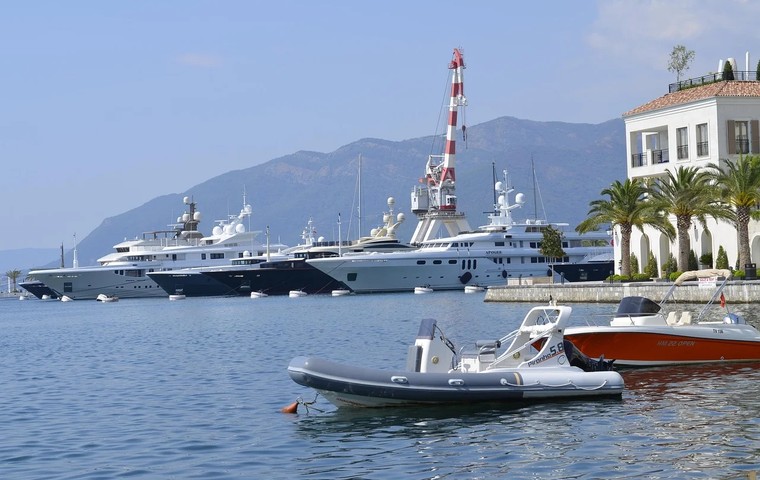
Tivat & Porto Montenegro: The Insider's Guide to Montenegro's Most Modern Town
Most tourists skip Tivat on the way to their resort. Here's why that's a mistake – a Platinum-rated marina, 17 beaches, and prices lower than Budva.
March 26, 2026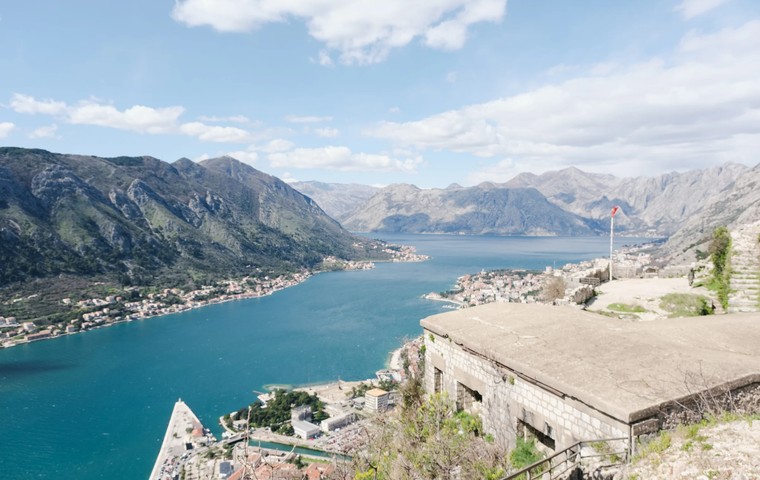
Accommodation
Tivat or Herceg Novi: Where to Stay in the Bay of Kotor?
Tivat has the airport and a yacht marina. Herceg Novi has medieval fortresses and lower prices. An honest comparison of two bases for exploring Boka Bay.
March 17, 2026Nearby