Lavaux Vineyards
Lavaux
UNESCO-protected wine terraces with Alpine views.
About
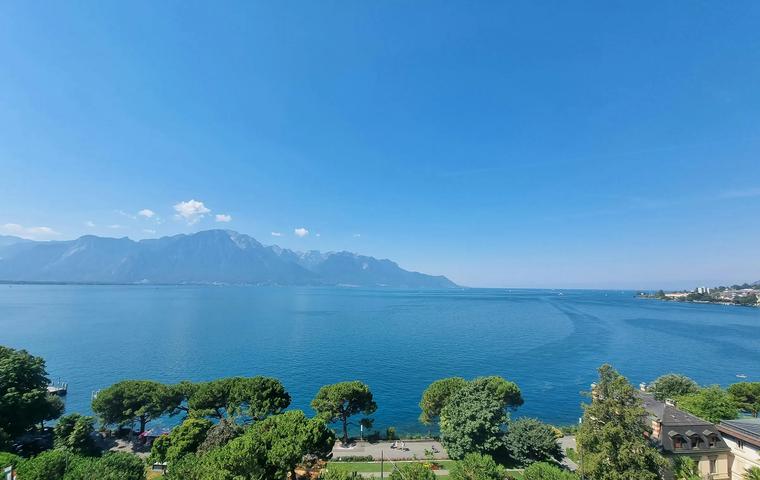
The Lavaux Vineyards stretch along the northern shore of Lake Geneva between Lausanne and Montreux. This breathtaking region, recognized as a UNESCO World Heritage Site, is home to a winemaking tradition that dates back to the 11th century.
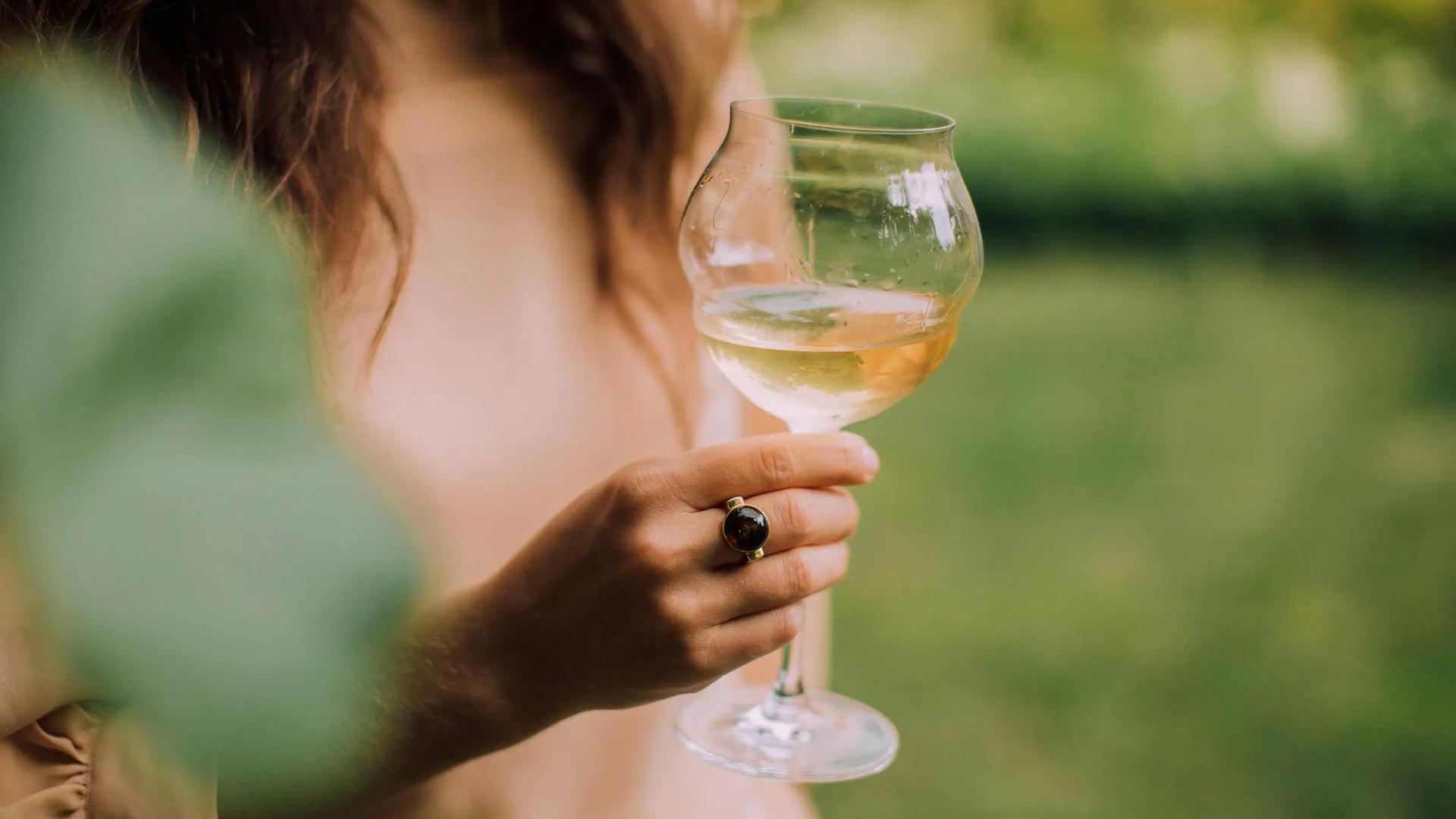
Thousands of terraces supported by stone walls form a distinctive cultural landscape, where vines cascade toward the lake in harmonious rows. Visitors can hike scenic wine trails, stop at family-run wineries, and sample crisp local whites – especially the Chasselas grape. Lavaux offers a perfect blend of natural beauty, history, and Swiss wine culture.
Transport
Travel time
On foot from Montreux center1 h 6 min. – 1 h 38 min.19 km
By car from Montreux28 min.25 km
From the airport Bern · BRN1 h 26 min.103 km
On the map
Location
In detail
What's here
What is this place
Lavaux is a terraced vineyard cultural landscape between Lausanne and Montreux, a UNESCO site since 2007. Terraces date to the 11th century and shape Switzerland’s largest contiguous wine area.
Key features
- UNESCO inscription 2007 (criteria iii–v) – a millennial human–landscape interaction.
- Scale ~800–900 ha over ~30 km along Lake Geneva – a top Swiss wine landscape by extent.
- ~400–450 km of stone walls and about 10,000 terraces – structure and thermal mass.
- The “three suns” effect – direct sun, lake reflection and heat radiated by dry-stone walls.
- Flagship grape is Chasselas; historic wine villages stitch the slopes.
What to see
- Classic St-Saphorin – Lutry walk ~11 km, ~3–3.5 h with full lake–Alps panoramas.
- Chexbres “Balcon du Léman” viewpoints over the amphitheatre of terraces.
- Vinorama in Rivaz for tastings and a growers’ film; Lavaux Express and Lavaux Panoramic tourist trains.
History
Viticulture dates back to antiquity, while the present terraces were shaped by Benedictine and Cistercian monasteries in the 11th century. Stone walls and paths defined settlement and field patterns.
Modern protection began with the Vaud “Save Lavaux” popular initiative in 1977 and a protection law in 1979. Global recognition came in 2007 with UNESCO listing as a living cultural landscape.
Practical information
Location: North shore of Lake Geneva between Lausanne and Montreux; hubs include Lutry, Grandvaux, Cully, Epesses, Rivaz, St-Saphorin, Chexbres.
Getting there: SBB to Lutry, Cully, Epesses, Rivaz, St-Saphorin, Chexbres-Village; “Train des Vignes” Vevey–Chexbres-Village hourly, ~6 min; Lavaux Express loops from Lutry/Cully Apr–Nov, ~1 h 15; Lavaux Panoramic from Chexbres; CGN lake boats call at Lutry, Cully, Rivaz–St-Saphorin.
Access: Vineyards are private – stay on signposted paths. Expect slopes and stone steps. Cycling only on authorised SchweizMobil routes.
Visiting hours: Year-round outdoors. Vinorama typically Mon–Sat 10:30–20:00, Sun 10:30–19:00; tourist trains run seasonally.
Visit duration: 2–4 h for one section; a full day with tastings and transfers.
Best time: May–October; harvest Sept–Oct. Morning and golden hour for softer light.
Notes: Respect ongoing vineyard works and growers’ directions. Picnic only in designated areas. Dogs on lead. Summer heat is amplified by the “three suns” – bring water and sun protection.
Lavaux Vineyards
Articles about this place
Nearby