Chillon Castle
Château de Chillon
Switzerland’s most iconic lakeside castle.
About
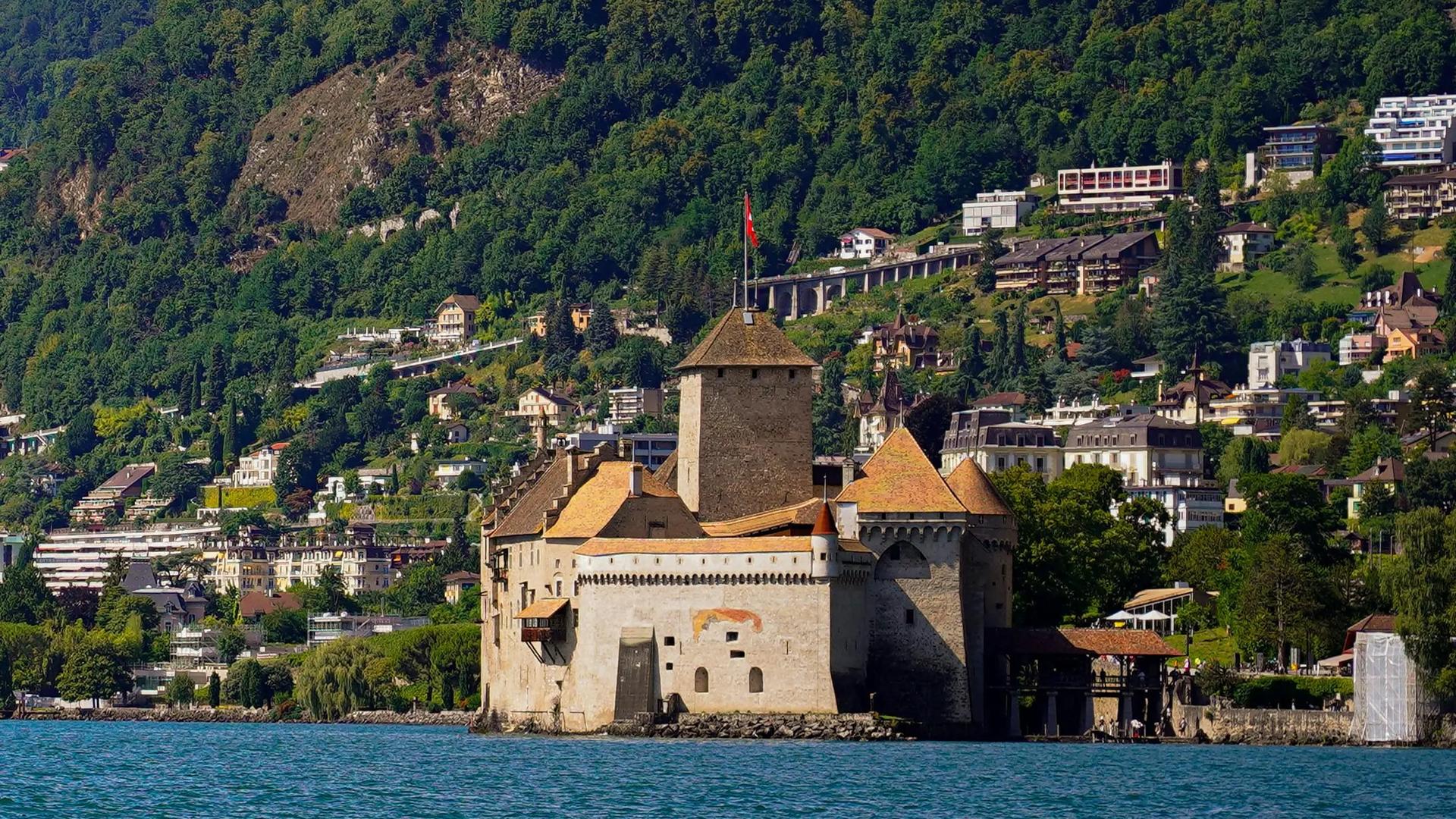
Château de Chillon is a striking medieval fortress set on a rocky islet along the shores of Lake Geneva, near Montreux. Originally built in the 13th century, it served as a residence of the Counts of Savoy before becoming a prison and military stronghold.
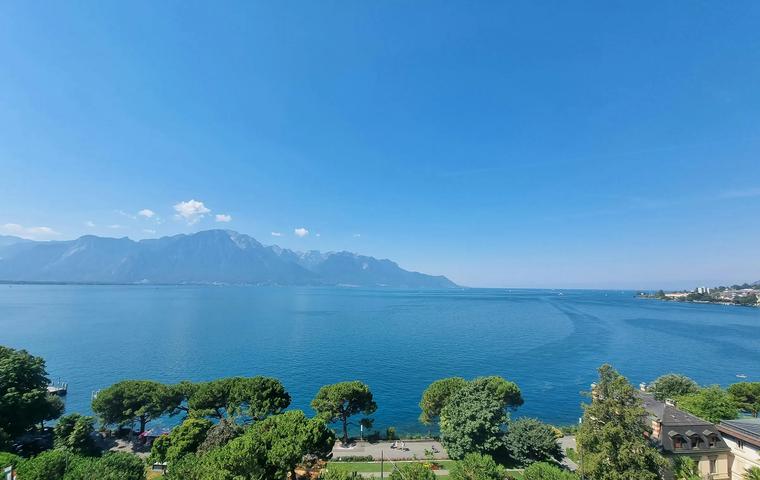
The castle has inspired generations of artists and writers, including Lord Byron, who famously carved his name into the dungeon wall. Today, visitors can explore its grand halls, underground vaults, towers, and enjoy panoramic views of the lake and surrounding Alps.
Transport
Travel time
On foot from Montreux center18–28 min.2 km
By car from Montreux7 min.3 km
From the airport Bern · BRN1 h 27 min.95 km
On the map
Location
In detail
What's here
What is this place
Chillon Castle is a medieval fortress set on a rocky islet on Lake Geneva between Montreux and Veytaux. It guarded the lakeside route to Alpine passes and served as a Savoyard residence and stronghold.
Key features
- Island setting – a rock spur separated from the shore by moats and bridges.
- Savoyard rebuild in the 13th century – keep, multiple courtyards, residential and defensive ranges.
- Bonivard’s dungeon – the monk was imprisoned 1530–1536; Byron’s 1816 poem “The Prisoner of Chillon” and his signature on a pillar made it famous.
- Chapel with 13th–14th-century frescoes and heraldic state rooms.
- Scholarly restoration 1897–1935 by Albert Naef – a landmark Swiss conservation project.
What to see
- The vaulted cellars with Byron’s graffito pillar.
- Princely rooms, kitchens, a great hall and arms displays.
- The chapel frescoes and the keep’s lake-and-Alps panorama.
History
The Chillon rock shows Bronze-Age occupation; the castle is first recorded in 1150. Its present stone complex took shape under the House of Savoy in the 13th century, controlling traffic and tolls along the shore.
Bernese forces seized Chillon in 1536, freed Bonivard, and used the site as prison and arsenal. With the creation of Canton Vaud in 1798, ownership passed to the new canton.
Romantic fame grew after Byron’s visit; in 1897–1935 architect Albert Naef led a long restoration combining archaeology and careful conservation, setting a model for Swiss monument work.
Practical information
Location: Lake Geneva shore by Veytaux/Montreux; about 3 km from central Montreux along the promenade.
Getting there: Lakeside walk ~35–45 min from Montreux; VMCV bus 201 to “Chillon”; CGN boats call at the pier; trains to “Veytaux-Chillon”, then ~5–8 min on foot.
Access: Many stairs and narrow passages; no lift. Yards and some paths are cobbled.
Visiting hours: Open daily with seasonal timetables; last entry shortly before closing.
Visit duration: 1–2 h for the core route; up to 2.5 h with audioguide and the keep.
Best time: Early morning or late afternoon for softer light and fewer groups; quieter outside peak summer.
Notes: Lakeside wind makes cellars and ramparts cool – bring a layer. On-site parking is limited and fills on weekends.
Chillon Castle
Articles about this place
Nearby