About
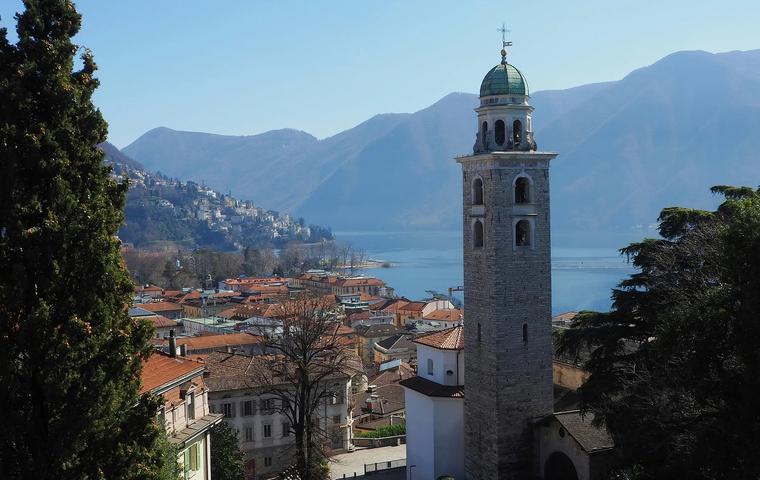
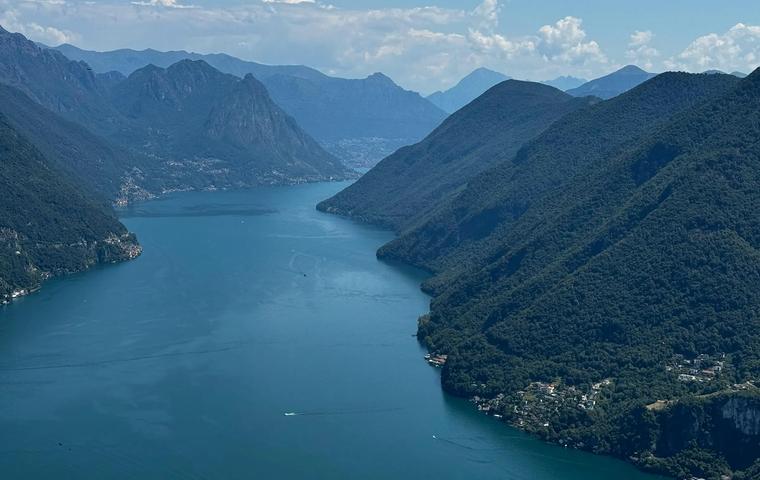
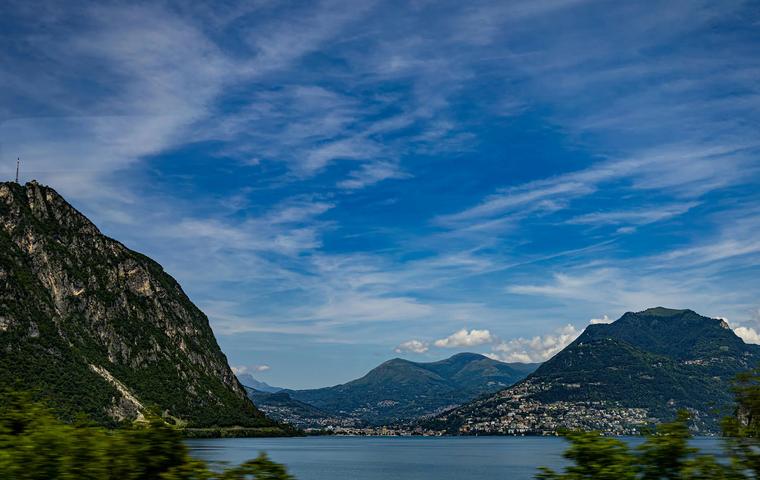
Parco Ciani is Lugano’s most famous and scenic park, stretching along the lakeshore. It features tree-lined paths, flowerbeds, fountains and peaceful benches with lake views. Within the park are Villa Ciani, the city library, a playground, and event stages. Beloved by locals and visitors alike, it’s a perfect spot for walking, picnicking and relaxing in nature right in the heart of the city.
Transport
Travel time
On foot from Lugano center7–11 min.700 m
By car from Lugano3 min.945 m
From the airport Bern · BRN3 h 34 min.203 km
On the map
Location
In detail
What's here
What is this place
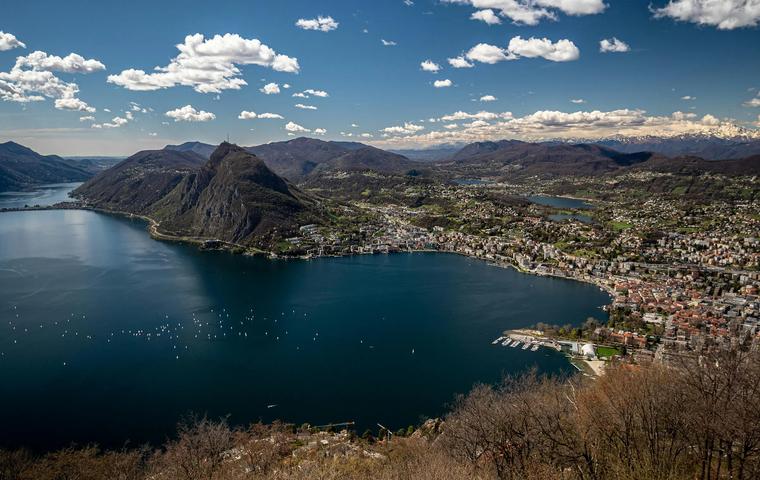
Parco Ciani is Lugano’s historic lakeside park between the promenade and the River Cassarate mouth. It’s the largest urban garden in Italian-speaking Switzerland, with paths, lawns, sculptures and bay views.
Key features
- Area ~63,000 m² – the largest urban park south of the Alps in Switzerland.
- Two garden characters – near Villa Ciani a blend of Italian and English styles, from the dock to the Cassarate mouth a more natural, local woodland palette.
- South-leaning flora – palms, magnolias, camellias, azaleas and century-old planes; a belvedere and small beach at the river mouth.
- “Garden of the Righteous” – since 2018, olive trees and plaques honour six Ticino rescuers.
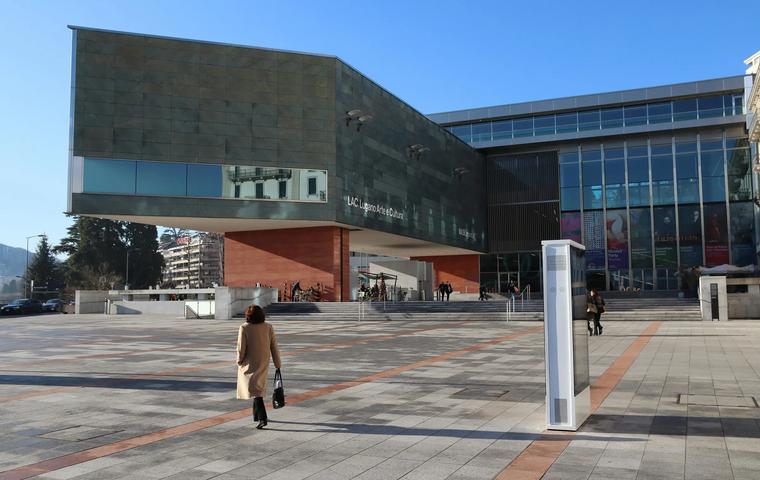
- On site: Villa Ciani 1840–1843, the Convention Centre 1968, the Cantonal Library and the Cantonal Museum of Natural History.
What to see
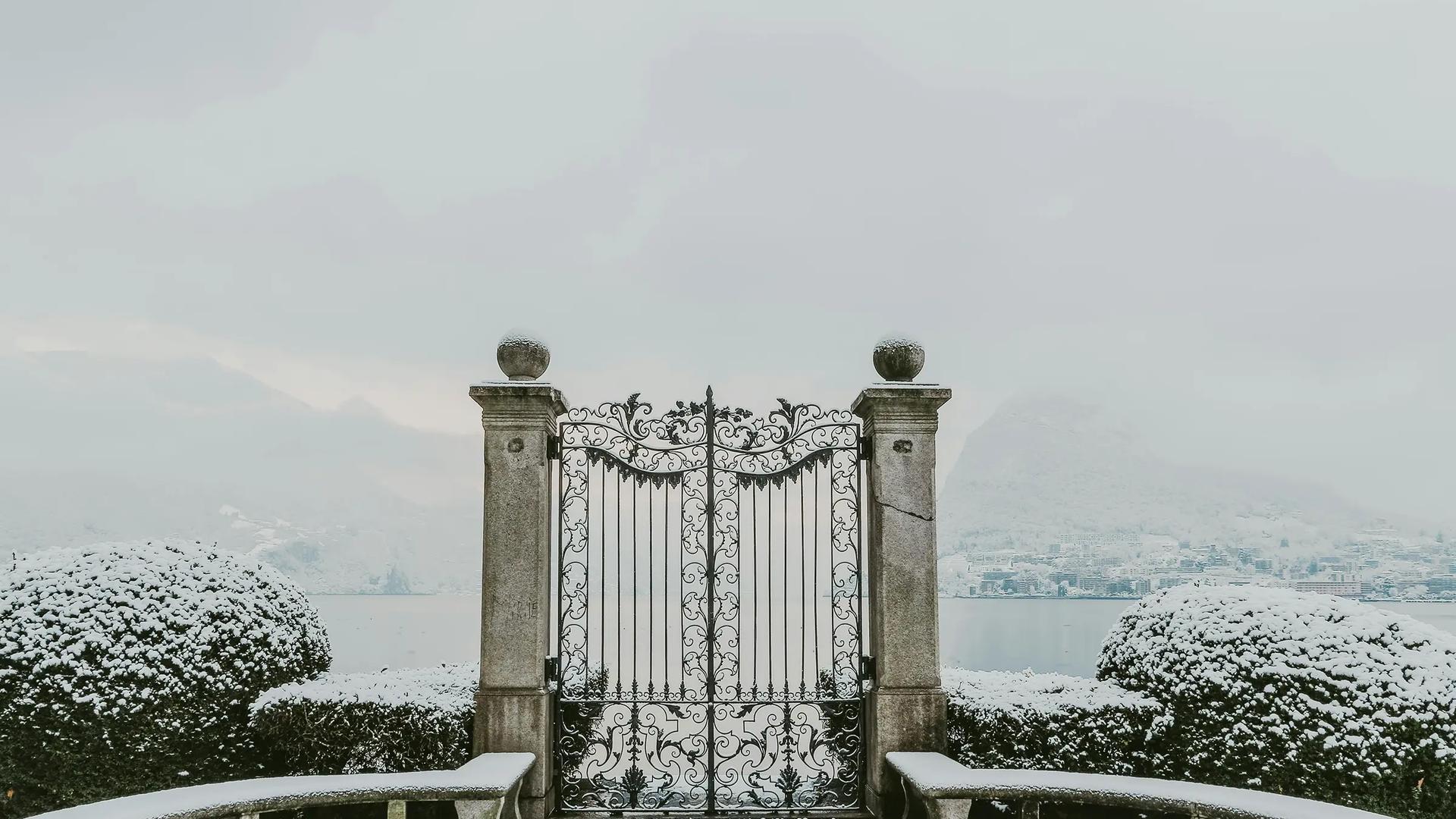
- Neoclassical Villa Ciani and the park’s main gate ensemble.
- Lakeside paths, fountains and sculptures, including Vincenzo Vela’s “Desolazione”.
- The playground and lookout at the Cassarate mouth facing Lugano’s bay.
History
A medieval castle stood here – built in 1286, rebuilt in 1498, destroyed in 1517. In the modern era, brothers Giacomo and Filippo Ciani built Villa Ciani in 1840–1843, with a landscaped garden around it.
Ownership passed to Dr. Antonio Gabrini in 1868, then to the Dell’Acqua family. The City acquired the estate in 1912 and opened it as a public park.
In the late 20th century the Palazzo dei Congressi rose on the park’s west edge in 1968. Since 2018 the “Garden of the Righteous” has added a civic memorial layer to Parco Ciani’s role.
Practical information
Location: Lakeside between Riva Albertolli and the right bank of the Cassarate; landmarks include Villa Ciani, Palazzo dei Congressi and Viale Carlo Cattaneo.
Getting there: From Lugano station ride the city funicular to Piazza Cioccaro and walk ~10–15 min; TPL bus line 2 to Lugano, Palazzo dei Congressi.
Access: Mostly level paved paths, free entry; playground and benches by the river-mouth belvedere.
Visiting hours: Year-round; summer Mar–Oct 6:30–23:30, winter Nov–Feb 6:30–21:00.
Visit duration: 30–90 minutes.
Best time: Spring for camellias and azaleas, autumn for soft light; mornings and golden hour are most pleasant.
Notes: Free entry; surfaces can be slick near the water after rain.
Parco Ciani
Articles about this place
Nearby