Zabljak Crnojevica Fortress
Žabljak Crnojevića
The medieval capital of Zeta at the confluence of the Morača River and Lake Skadar.
About
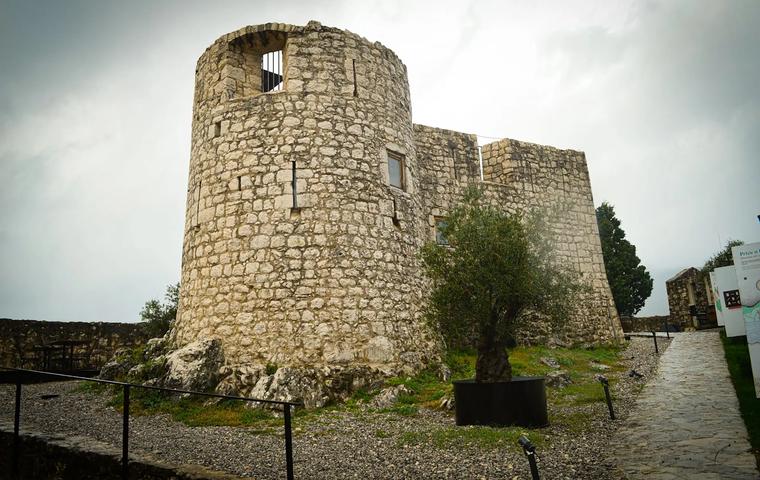
The fortified town served as the seat of the Crnojević dynasty in the 15th century. Surviving walls and towers command views over the lake’s northern sector.
Transport
Travel time
By car from Virpazar16 min.14 km
From the airport Tivat · TIV1 h 55 min.51 km
On the map
Location
In detail
What's here
What is this place
Žabljak Crnojevića is a medieval town and fortress at the mouth of the Morača River into Lake Skadar, a seat of Zeta rulers from the 11th century and, for a time in the 15th century, a Crnojević capital controlling the lake plain.
Key features
- Founded under the Vojislavljević dynasty in the 11th c. – an early capital site on the lake frontier.
- State centre under Stefan I and Ivan Crnojević in the 15th c. – a base for organizing resistance across the Skadar plain.
- Fell in 1478 – Ottomans turned St George’s church into a mosque and reinforced the walls as a forward post toward free Montenegro.
- Marijan Bolica (1614) describes a “strong, modern fortress” with a dizdar-aga and about 250 households around it.
- Feat of 1835 – twelve Montenegrins stormed the fort and seized Jakub-aga; ultimate Montenegrin control came only in 1878.
What to see
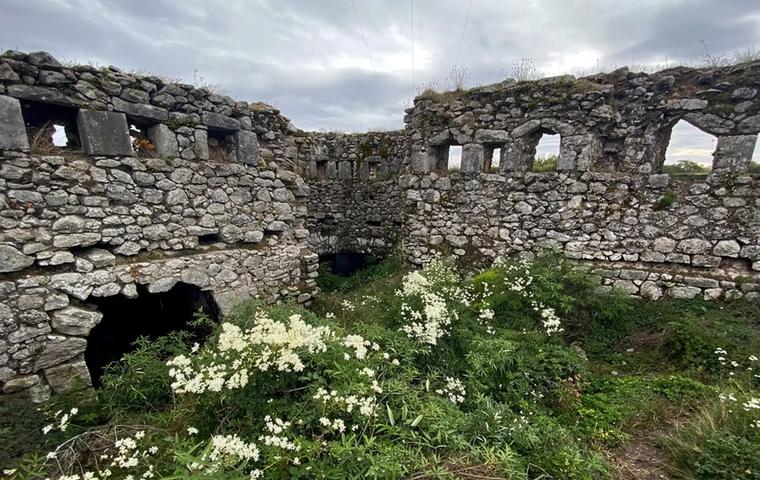
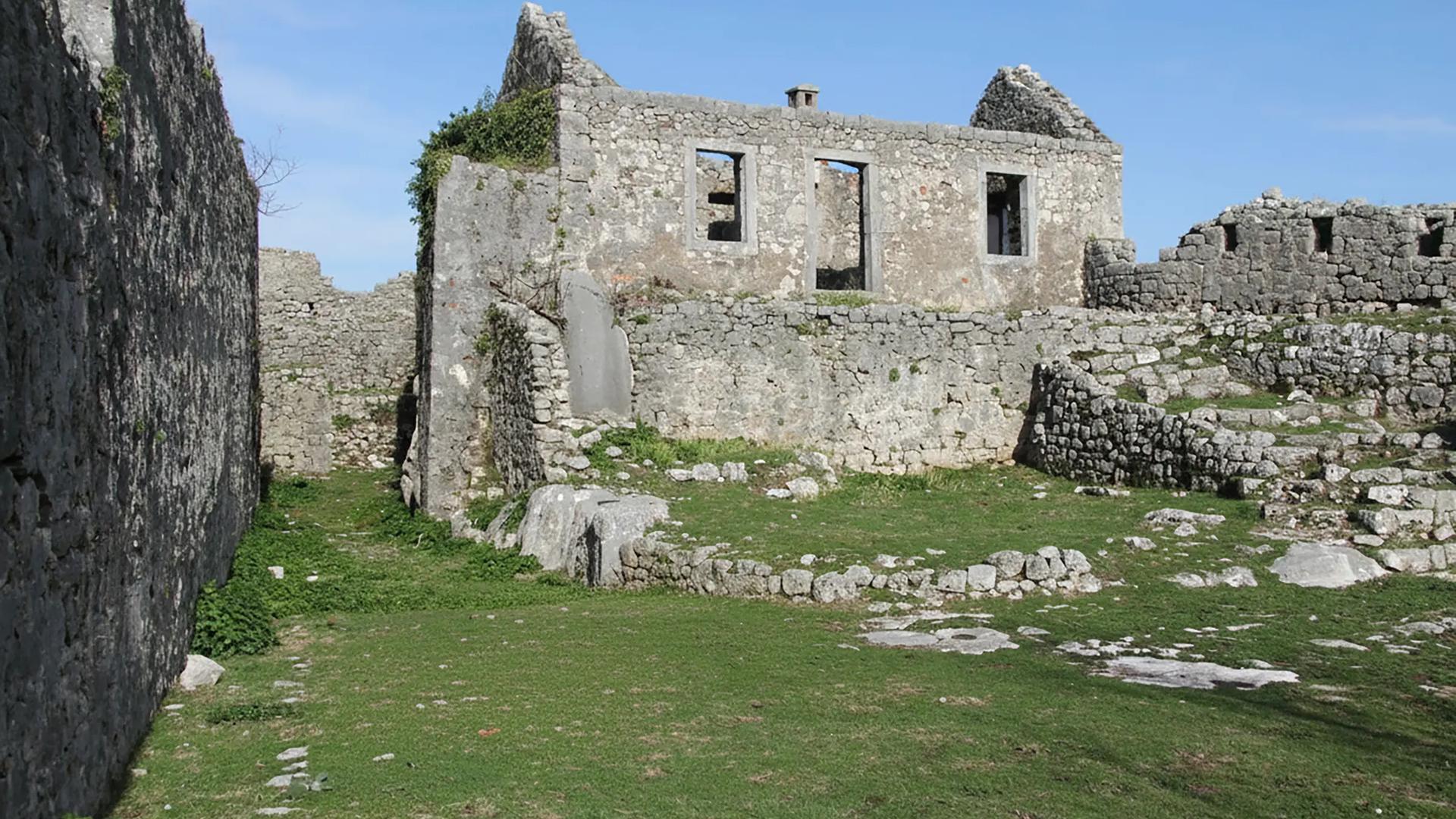
- Ruins of the enceinte with gates, bastions, and traces of the palace and St George’s church.
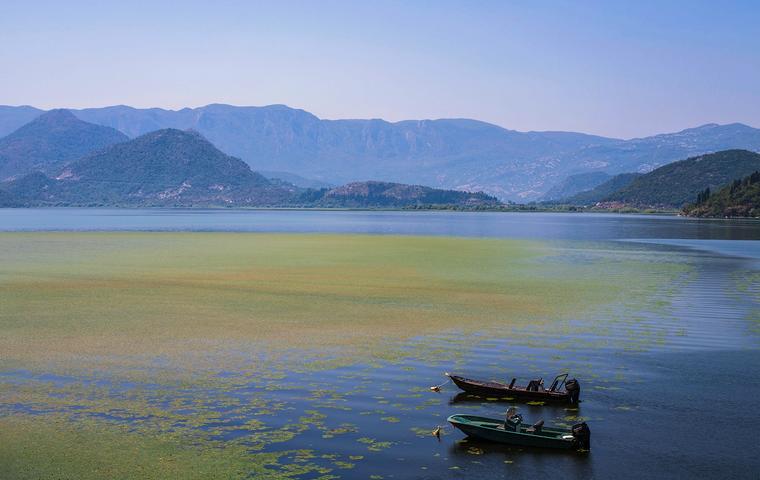
- A lookout over the Morača delta and the northern reaches of Lake Skadar.
- The small village of Žabljak at the foot, with a footpath up.
History
Founded in the 11th c. under the Vojislavljević dynasty, the site became a Zetan capital. In the 15th c. under Stefan I and Ivan Crnojević it served as the state centre and a base against Ottoman advances across the lake plain.
Captured in 1478, it was rebuilt and strengthened by the Ottomans, who converted St George’s church into a mosque. In 1614 Marijan Bolica recorded it as a strong, up-to-date fortress with a dizdar-aga and ~250 houses outside the walls. A daring raid in 1835 briefly seized the garrison, but the fortress remained Ottoman until 1878, after which it lapsed into ruin as a small village formed below.
Practical information
Location: northern shores of Lake Skadar, village of Žabljak Crnojevića, about 15 km from Podgorica.
Getting there: by car or taxi via the local road past Lesendro and Karuč; last 300–400 m require walking uphill on a footpath.
Access: free, unfenced and open at all times.
Visiting hours: daytime strongly recommended due to the unlit path.
Visit duration: 40–60 minutes for the ascent and visit; with photography up to 1–1.5 hours.
Best time: spring and autumn for cooler weather and clear views; in summer mornings are more comfortable.
Notes: the path is rocky and uneven, so good shoes are essential; the interior terrain is irregular and lacks safety barriers.
Nearby