Godinje Historic Village
Godinje
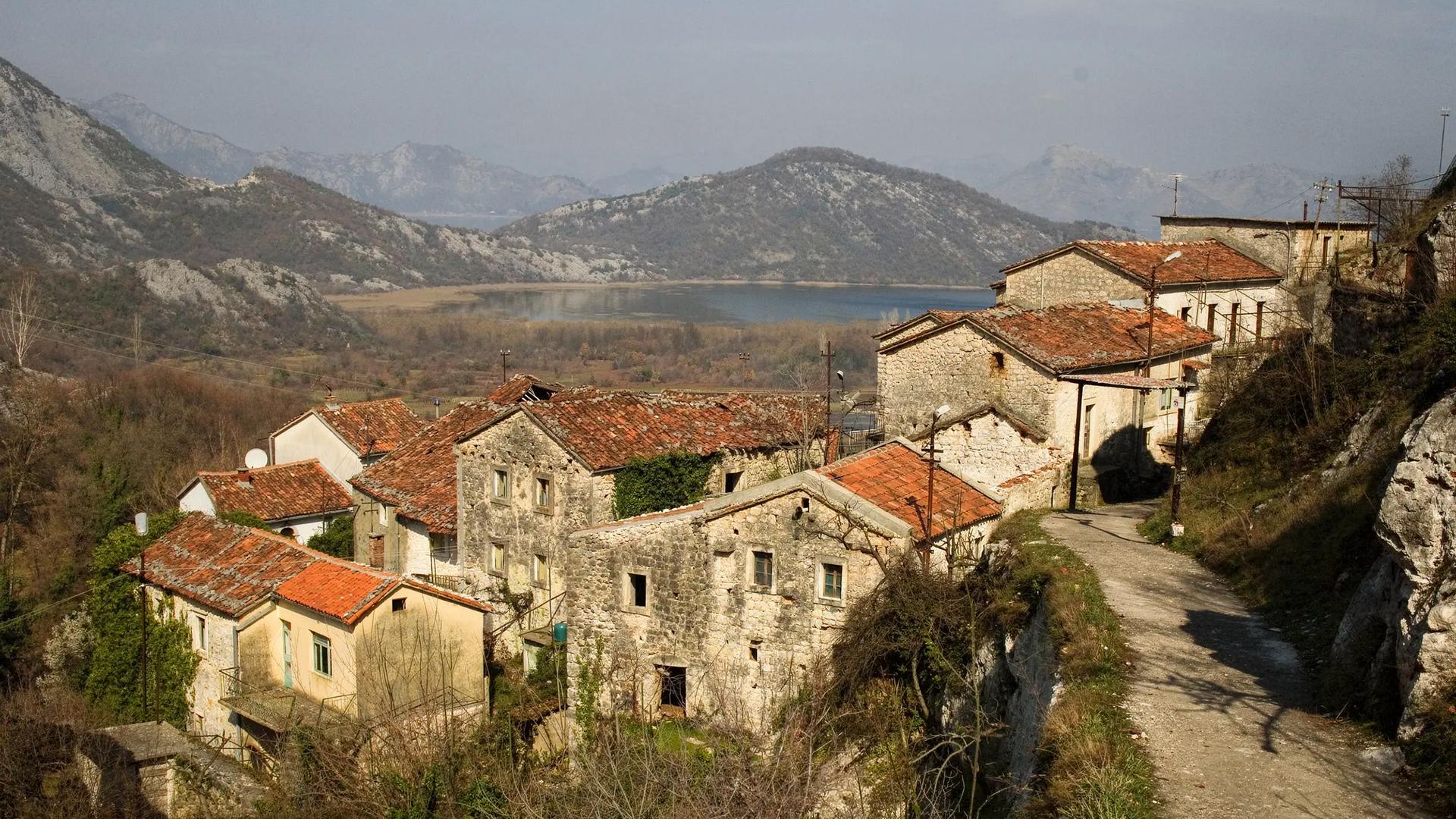
Stone hillside houses and old wine cellars above the lake’s northern shore.
About
The village is noted for chain-linked stone architecture and narrow passages. Family wineries nearby showcase local grape varieties.
Transport
Travel time
On foot from Virpazar center47 min. – 1 h 11 min.3 km
By car from Virpazar8 min.3 km
From the airport Tivat · TIV1 h 37 min.52 km
On the map
Location
In detail
What's here
What is this place
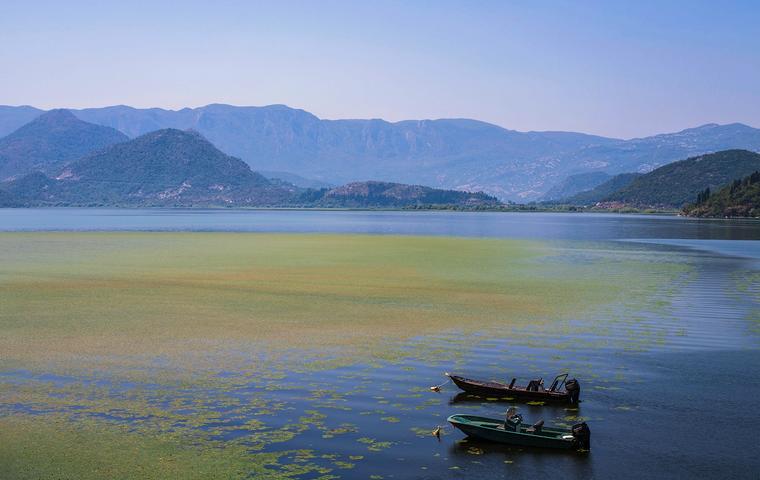
Godinje is a small village in the Crmnica region (Bar municipality) on the south shore of Lake Skadar, at about 82 m elevation. It’s known for springs and vineyards and served as a seasonal refuge for Zetan rulers in medieval times.
Key features
- Lakeside Crmnica setting – a traditional wine village with numerous fresh-water springs.
- Name legend tied to Prince Vladimir, who “enjoyed” the cold water and wine here.
- Dynastic links – Balšić summer residence; a Crnojević coat of arms carved in stone.
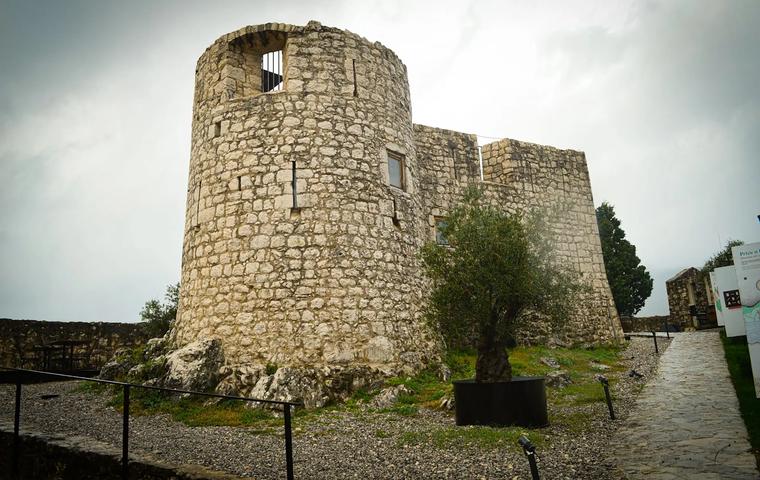
- Defensive trace – a watch-tower (“pandurica”) near the former Ottoman border.
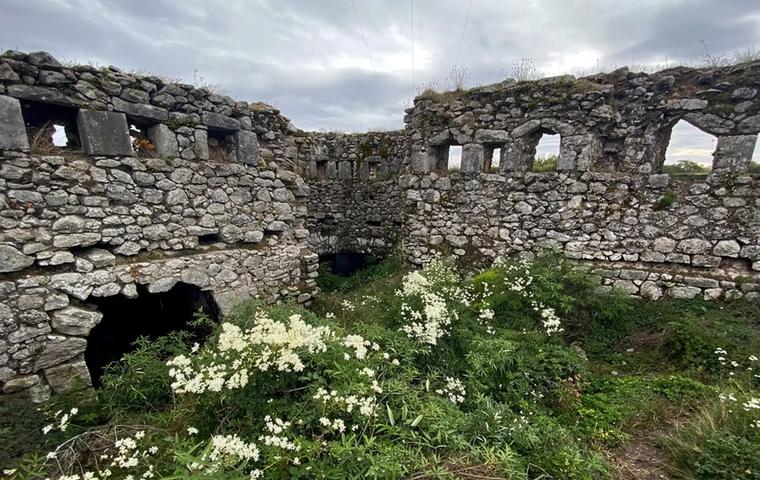
- Ecclesiastical heritage – St Nicholas Church (18th c.); ruins of St John the Theologian (likely 7th c.).
What to see
- Terraced stone houses, tight alleys and small wineries among vineyards.
- Springs, remains of nine mills and four stone threshing floors.
- The house associated with the Balšićs and broad views over Lake Skadar’s islets.
History
In the late 13th century King Vladislav Nemanjić granted Godinje to the Vranjina Monastery. In the early 15th century during the Venetian wars, Balša III and his mother Jelena stayed here; a charter issued in Godinje ordered the truce to be observed. The village had a watch-tower due to the nearby Ottoman frontier.
Of four recorded churches, St Nicholas (18th c.) survives; traces of St John the Theologian (likely 7th c.) remain. By 2003 the population was about 60, yet vineyards and springs preserve the rural craft traditions.
Practical information
Location: southern shore of Lake Skadar in the Crmnica area, Bar municipality; about 3–4 km south of Virpazar on the road towards Murići and Ostros, at roughly 80 m above lake level.
Getting there: drive from Virpazar along the regional road towards Murići and follow signs for Godinje (about 10 minutes); walking up from Virpazar takes around 40–50 minutes. In summer, some lake boat tours stop at Godinje beach/pier, from where a short uphill walk leads to the village.
Access: the village itself is freely accessible; many houses and cellars are private homes or farmsteads, and entry is possible only by prior arrangement or as part of tastings and organised tours.
Visiting hours: best in daylight; late afternoon and sunset are particularly pleasant for strolling through the lanes and enjoying the viewpoints.
Visit duration: allow 1–2 hours for a relaxed walk through the main lanes, viewpoints and one winery; with a full wine tasting and meal, plan up to 3–4 hours.
Best time: late spring and early autumn, when terraces and vineyards are green and the weather is mild; in summer, mornings and late afternoons are more comfortable due to the heat.
Notes: terrain is stepped with many stone stairways and uneven cobbles, so comfortable shoes are essential; the village is still partly inhabited, so respect private property and avoid entering yards uninvited; there are few shops, so bring water and sun protection, especially in hot weather.
Godinje Historic Village
Articles about this place
Tours
Lake Skadar: €5 Kayaks, Pelicans, and the Real Virpazar Fish Dinner
The Balkans' largest lake, one hour from Budva: group boats from €15, kayaks from €5/hr. Where to eat fresh carp, when pelicans actually show up, and what to skip.
April 22, 2026
Accommodation
Best Hotels in Montenegro for a Peaceful Escape
A curated guide to hotels in Kolašin, Žabljak and Virpazar – ski resorts, national parks and Lake Skadar. Prices, features and tips.
October 21, 2025Nearby