In detail
What's here
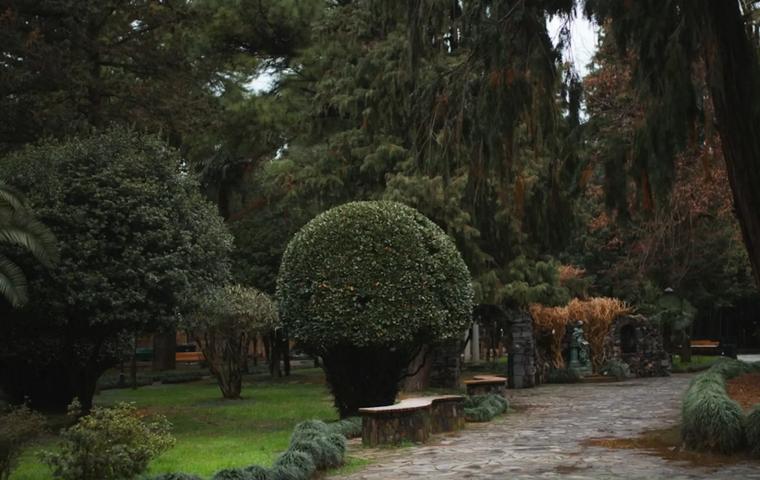
The old section – from the colonnade to Miracle Park – is lined with century-old plane trees, magnolias, and palms. Alleys are tiled, with wrought-iron benches on either side. Quiet in the morning, bustling at night. Bronze sculptures of the boulevard's founders – Michel d'Alphonse and Iason Gordeziani – stand among the trees.
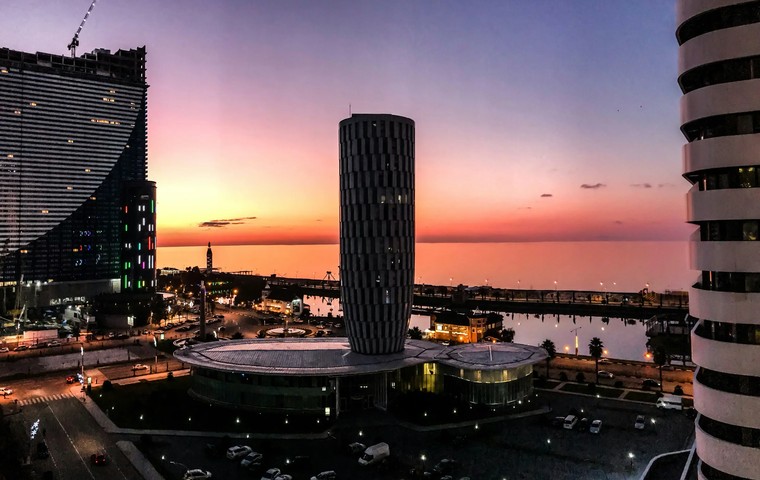
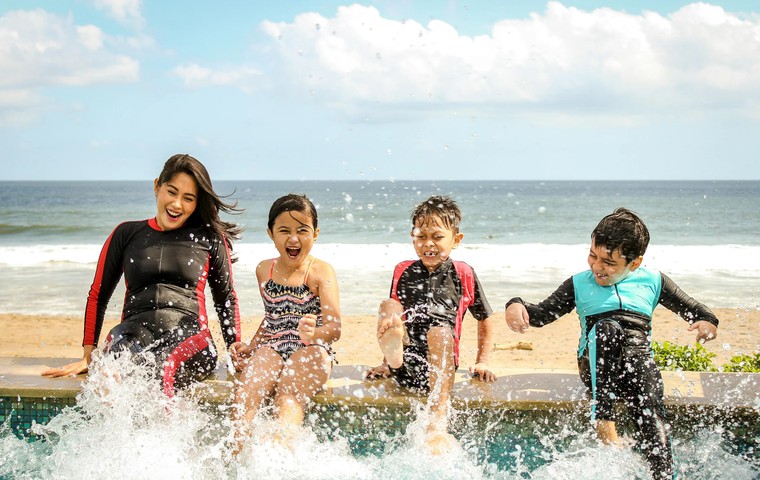
The new section – from Miracle Park toward the airport – is wider and more modern. A marked bike lane, rental stations for bicycles and e-scooters, playgrounds, and open-air sports areas. The pebble beach runs along the promenade with free showers. In summer, water reaches +24–26°C (75–79°F); the seabed is rocky, so water shoes are recommended.
In the evening the boulevard transforms: tree and building illumination switches on, and the dancing fountains begin (from 9:00 PM, shows every 30 minutes). The largest fountain, on Ardagani Lake, features a laser show. Cafes and restaurants stay open past midnight. Europe Square and Piazza Square are a 5–10 minute walk from the boulevard along perpendicular streets.
Highlights
Why visit
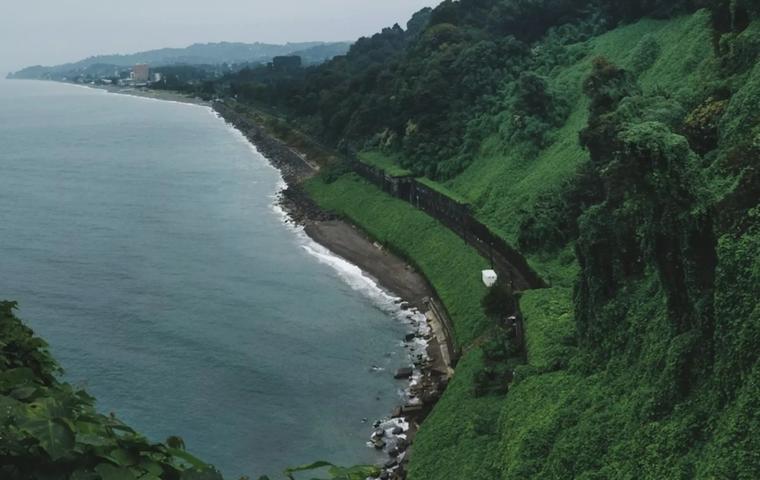
Length – 7 km along the Black Sea shoreline, from the 1934 colonnade to the modern district
Age – established in 1881, the oldest public park on Georgia's Black Sea coast
Greenery – over 40,000 trees and plants, 4 historic alleys with century-old plane trees and magnolias
Infrastructure – full-length bike path, rental stations, playgrounds, sports zones
Fountains – dancing fountains with light-and-music shows from 9:00 PM, laser show at Ardagani Lake
History
Past & present
The idea of a seaside park came from Batumi governor A. Smekalov in 1881. The first design was by Prussian gardeners Ressler and Reier. After Ressler's death in 1884, French gardener Michel d'Alphonse took over – he was known as the 'kind genius of the Batumi coast' and established the French-style landscape plan. From 1917, Iason Gordeziani, a graduate of the Versailles Agricultural Institute, continued the boulevard's development.
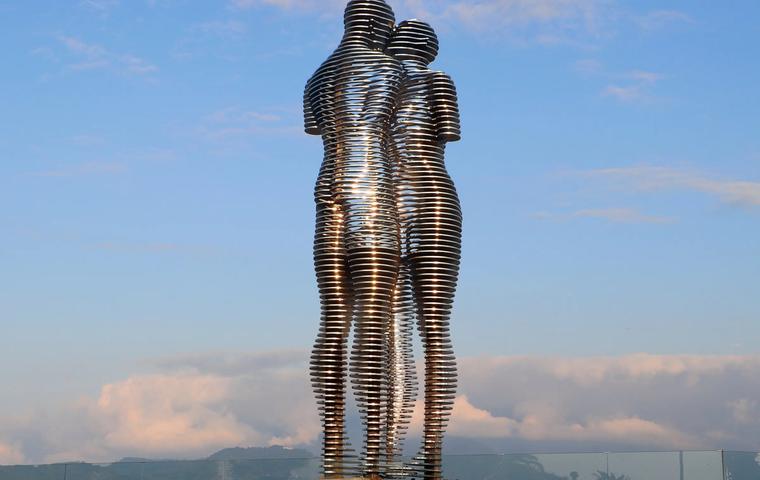
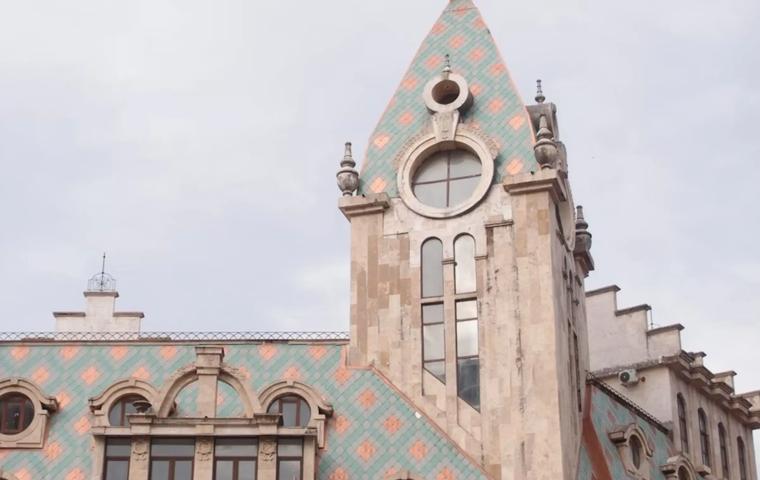
In 1934, an antique-style colonnade based on an Italian design was built – it became the boulevard's ceremonial entrance and remains a symbol of Batumi. During the Soviet era, the boulevard was the main recreation zone on Georgia's Black Sea coast. In 2009, major reconstruction began under a Spanish architect: the boulevard was extended with a modern section (New Boulevard) featuring bike lanes and sculptures. Since 1987, the boulevard holds the status of a nationally significant heritage site.
Getting there
Transport & directions
In Batumi:
The boulevard runs through the city center – access from any perpendicular street. Main entrances: the colonnade (start of Old Boulevard); from Europe Square, head toward the sea along Memed Abashidze Street.
From Tbilisi (370 km, 5–6 hours):
– Train – from 25 GEL (~$9), 5 hours, daily
– Shared minibus (marshrutka) from Didube – 35–40 GEL (~$13–15), 5–6 hours
– Flight – from 80 GEL (~$30), 40 minutes, irregular schedule
From Batumi Airport (2 km):
– Bolt taxi – 5–8 GEL (~$2–3)
– Bus #10 – 0.50 GEL