
About
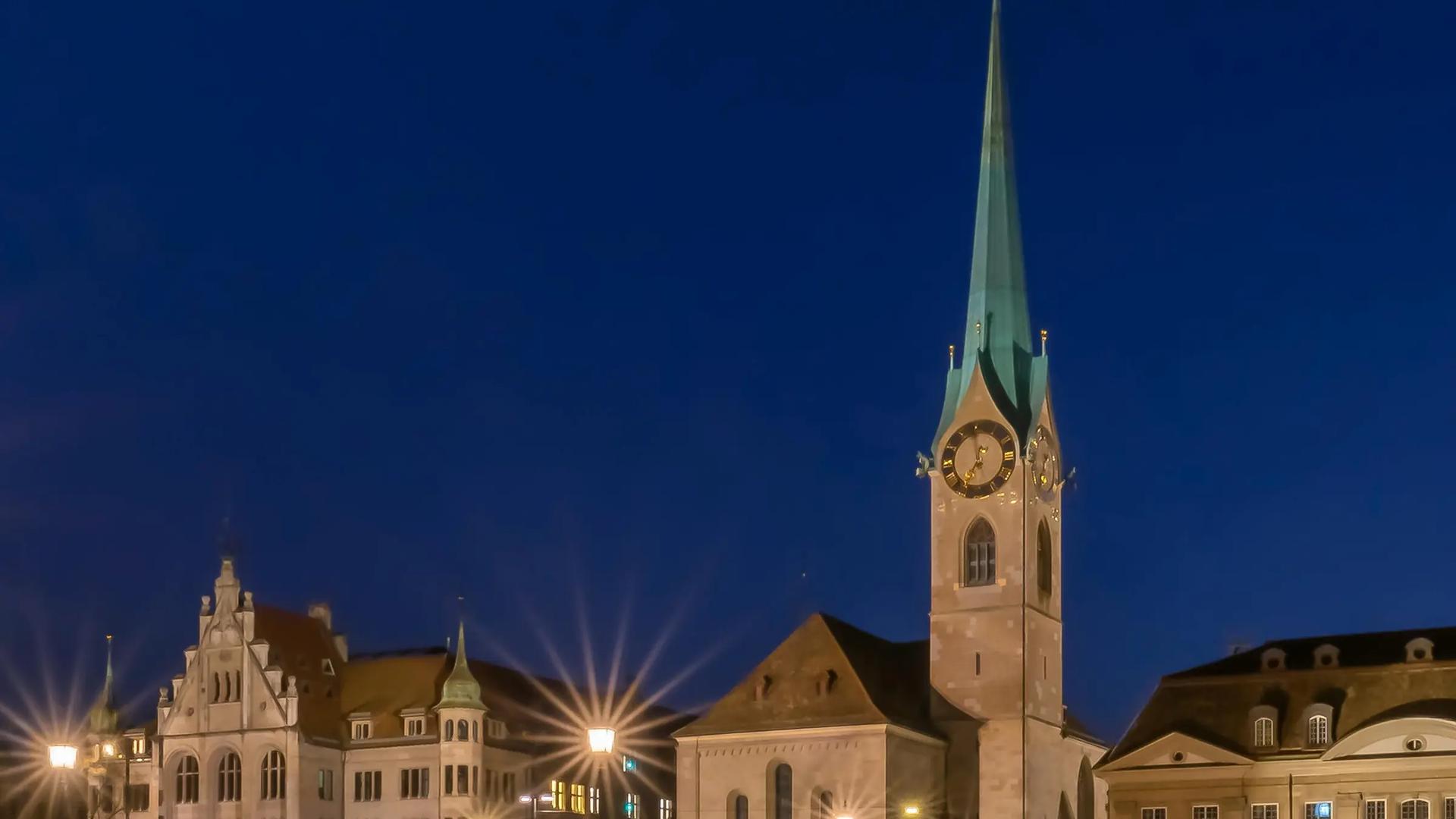
Fraumünster is one of Zurich’s oldest churches, founded in the 9th century as a convent for aristocratic women. Today, it’s most famous for its breathtaking stained-glass windows by Marc Chagall, which bathe the interior in vibrant light and biblical imagery. With its elegant Gothic nave, historic 19th-century organ, and the relics of Saint Regula, Fraumünster remains a spiritual and cultural landmark in the heart of the city.
Transport
Travel time
On foot from Zurich center29–43 min.3 km
By car from Zurich8 min.3 km
From the airport Bern · BRN1 h 52 min.127 km
On the map
Location
In detail
What's here
What is this place
The Fraumünster is a Protestant church in Zurich’s Old Town on the left bank of the Limmat. Once a Benedictine convent, it is a city landmark renowned for stained-glass windows by Marc Chagall and Augusto Giacometti.
Key features
- Founded in 853 by Louis the German – an early spiritual and political center of Zurich.
- Privileges since 1045 – market, toll and minting rights elevated the abbess’s authority.
- Marc Chagall glazing – five choir windows (1970) and a rose window in the south transept (1978).
- Augusto Giacometti window in the north transept (1940) – about 9 m tall, roughly twice the Chagall windows.
- Crypt museum open since 2016 – a multimedia exhibit spanning 1,200 years of church and city history.
What to see
- The choir with Chagall’s window cycle and the south-transept rose.
- The monumental Giacometti window in the north transept.
- The crypt museum with early medieval remains and multimedia displays.
History
The Fraumünster began as a Benedictine convent for noblewomen in 853; the early crypt held relics and preserves the first building phases. Today’s fabric reflects Romanesque and Gothic stages.
From 1045, the abbey gained market, toll and minting rights; in 1218 it obtained imperial immediacy, with the abbess effectively appointing the mayor. Power waned after the guild revolution of 1336.
During the Reformation the convent was dissolved in 1524; in 1898 parts of the complex were demolished for the town hall. Early 20th-century restorations ended by 1912; Giacometti’s window was installed in 1940, Chagall’s in 1970 and 1978; since 2016 the crypt museum has been open to visitors.
Practical information
Location: Münsterhof 2, 8001 Zurich; left bank of the Limmat, near Paradeplatz.
Getting there: Trams 2, 7, 8, 9, 10, 11, 13 to Paradeplatz or 4, 15 to Helmhaus – then a 2-minute walk.
Access: Quiet contemplation is free; touristic visit fee CHF 5 incl. audio guide and crypt; children 0–16 and students free. Nave, shop and exit are wheelchair-accessible; a few steps to the choir; crypt not accessible.
Visiting hours: Daily 10:00–18:00 (Mar 1–Oct 31) and 10:00–17:00 (Nov 1–Feb 28); Sundays after the 10:00 service, from 12:00. Last entry 15 minutes before closing.
Visit duration: 30–45 minutes for the interior; 60–90 minutes including the crypt and audio guide.
Best time: Early weekday mornings; check special openings for your date.
Notes: Private photography without flash/tripod; Chagall windows are copyright-protected; large luggage not allowed; induction loop available for hearing-impaired visitors.
Nearby
Nearby attractions
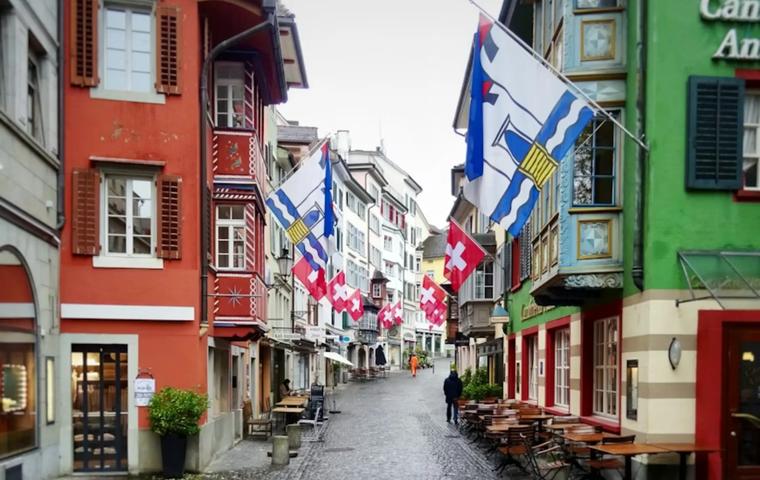
307 m
Augustinergasse
Augustinergasse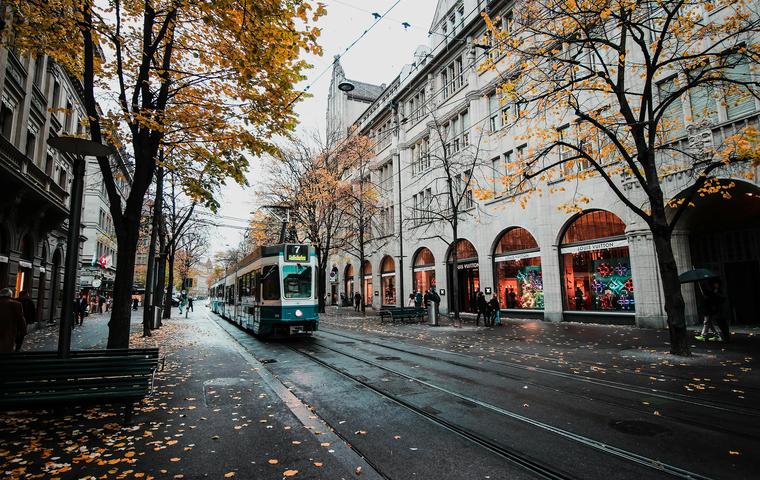
339 m
Bahnhofstrasse
Bahnhofstrasse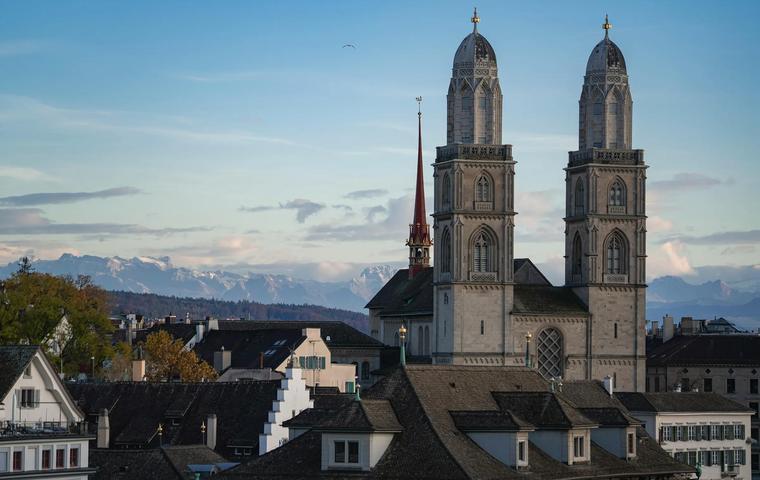
351 m
Grossmünster Church
Grossmünster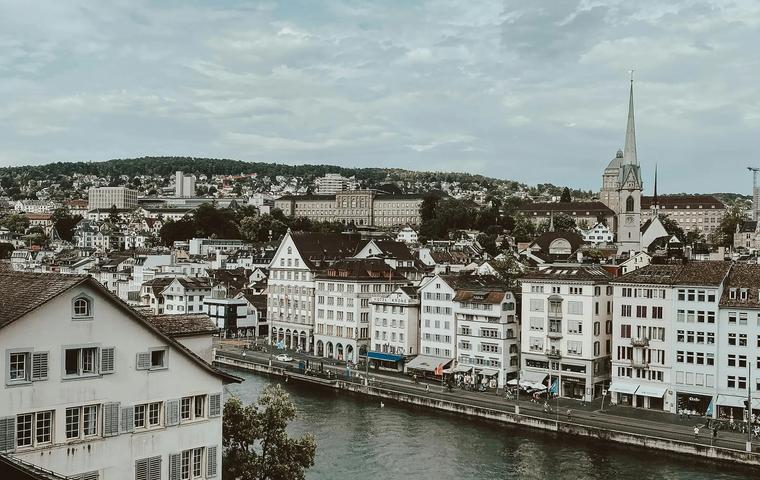
363 m
Lindenhof Hill
Lindenhof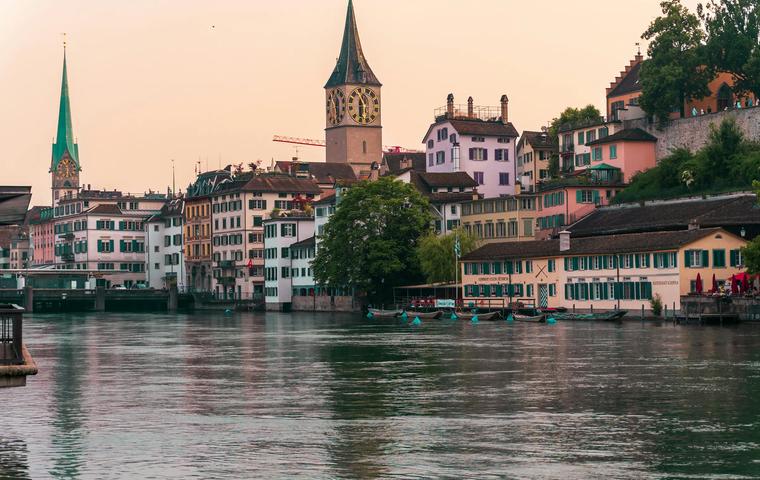
696 m
Zurich Old Town
Zürich Altstadt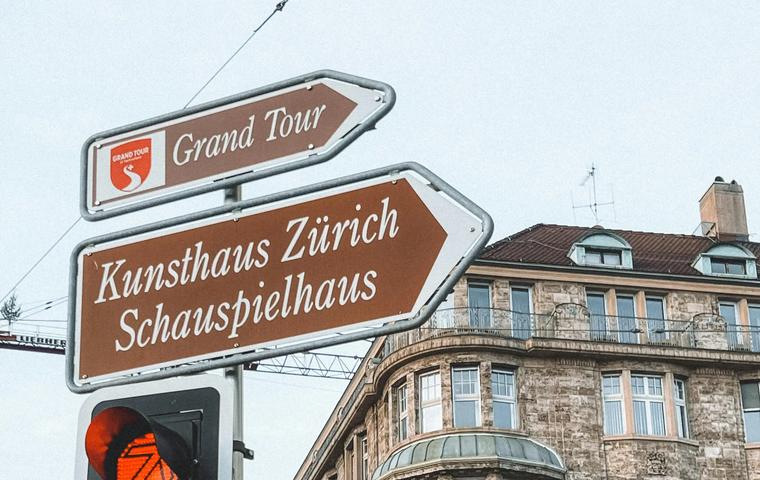
926 m
Kunsthaus Zürich
Kunsthaus Zürich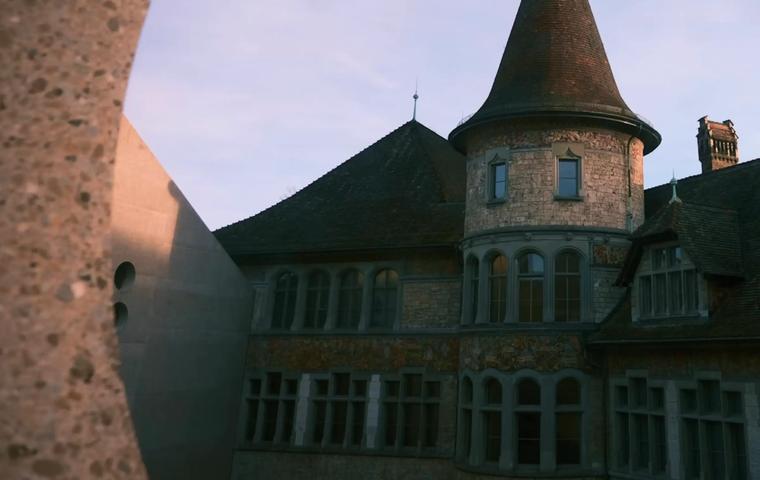
1 km
Swiss National Museum
Landesmuseum Zürich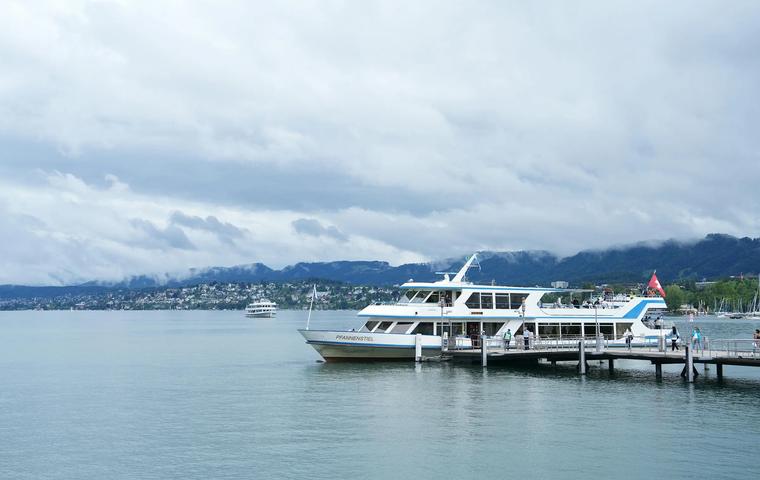
2 km
Lake Zurich
Zürichsee
2 km