Parc de Mon Repos
Parc de Mon Repos
Elegant retreat steeped in Lausanne’s past.
About
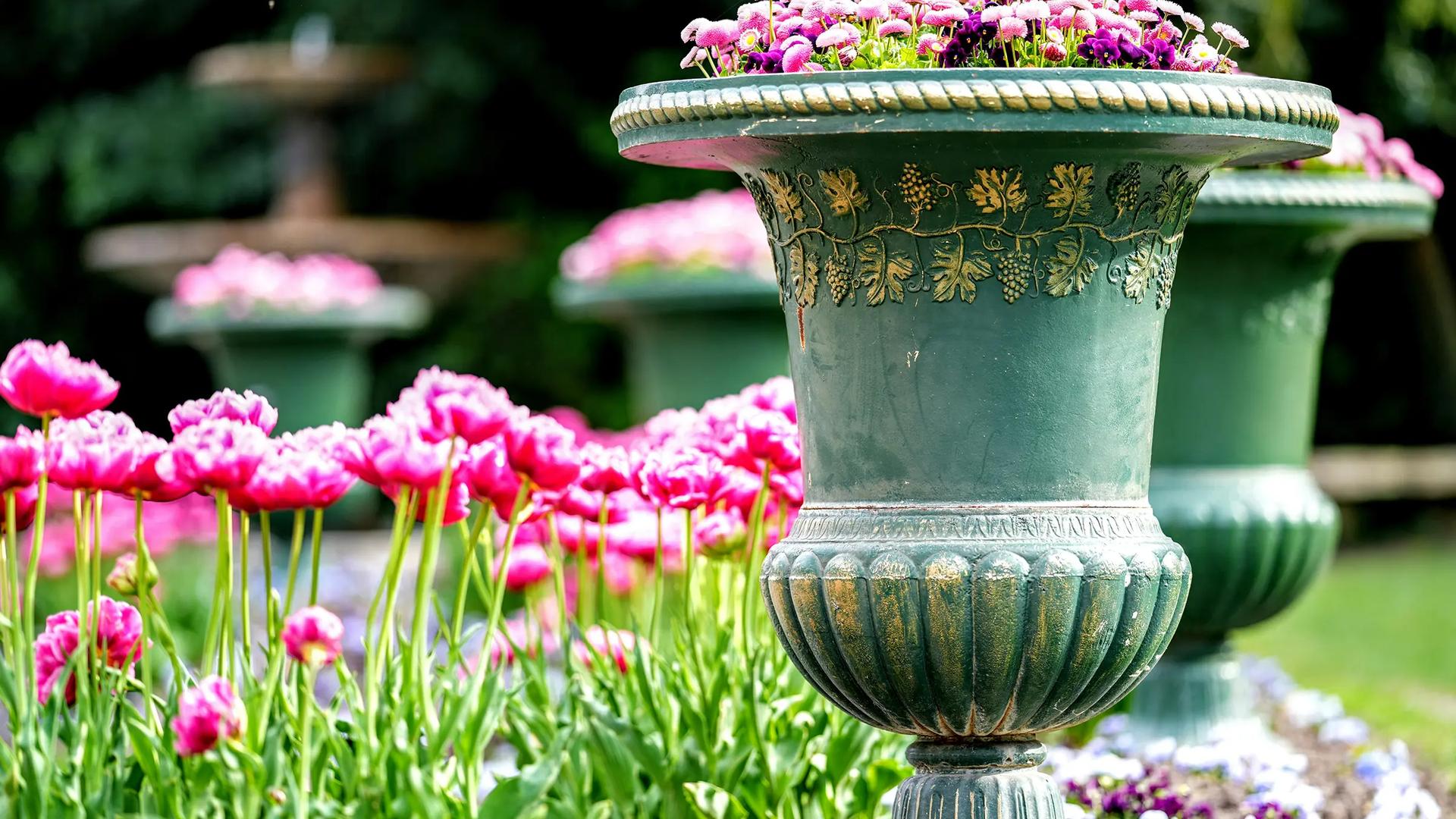
Parc de Mon Repos is a refined and peaceful garden in the heart of Lausanne, known for its serene beauty and historical charm. Centered around a neoclassical villa, the park features manicured lawns, sculptures, a fountain, and a charming greenhouse. Once a private estate, it now offers locals and visitors a tranquil escape ideal for strolls, reading, or quiet reflection. True to its name, “Mon Repos” – “My Rest” – captures the park’s gentle, timeless allure.
Transport
Travel time
On foot from Lausanne center18–28 min.1 km
By car from Lausanne5 min.2 km
From the airport Bern · BRN1 h 32 min.106 km
On the map
Location
In detail
What's here
What is this place
Parc de Mon Repos is Lausanne’s historic English-style garden around the Mon-Repos villa. It blends Romantic follies and botany with everyday amenities, a few minutes’ walk from the city centre.
Key features
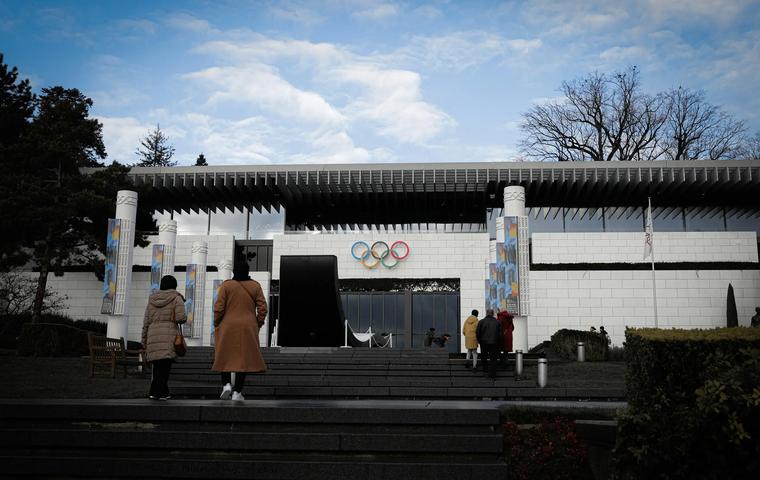
- Mon-Repos villa hosted the IOC headquarters 1922–1967; Pierre de Coubertin had his office and residence here 1929–1937.
- Neo-Gothic “sham ruin” 1821 set on an artificial rock with a waterfall, grotto and tunnel.
- An octagonal kiosk 1780 and a small neoclassical rotunda recall Enlightenment leisure – Voltaire performed here.
- Orangery, aviaries, ponds and playgrounds mix heritage with neighborhood life.
- The Federal Supreme Court borders the park to the north (project 1919, inauguration 1927), with an avenue now crossing the grounds.
What to see
- The villa lawns facing the Romantic tower, waterfall and grotto.
- The 1780 kiosk, the neoclassical rotunda and the orangery.
- Aviaries, fish ponds, kids’ areas and a seasonal snack bar.
History
The estate took shape in the 18th century; owner Philippe de Gentils added an octagonal kiosk in 1780 and a theatre where Voltaire performed. In 1812–1832 Vincent Perdonnet remodelled the villa and park with architect Louis Damesme; the orangery, aviaries and the Neo-Gothic “ruin” (1821) were created.
In the 20th century the Federal Supreme Court rose on the park’s north edge (approved 1919, opened 1927). The villa then became “Olympic” – the IOC was based here 1922–1967, while Pierre de Coubertin worked and lived at Mon-Repos 1929–1937. Major landscape and heritage restoration followed in 1998–2002.
Practical information
Location: Avenue de Mon-Repos, 1005 Lausanne, between the centre and Mousquines/Bellevue.
Getting there: Metro M2 to Riponne–M. Béjart or Ours, then ~8–12 min on foot. Bus TL line 13 to Mon Repos.
Access: Mostly step-free paths with mild slopes; restrooms, playgrounds, ponds, snack bar and a dog area on site.
Visiting hours: Year-round, free entry.
Visit duration: 45–90 min; up to 2 h with a picnic and play stop.
Best time: Spring–early summer for bloom and shade; autumn colours; morning and golden hour for softer light.
Notes: The ensemble is listed as a national-significance heritage site; an avenue (Avenue du Tribunal-Fédéral) cuts the grounds – use marked crossings.
Nearby