Purple Island
جزيرة بيربل
A natural island linked by wooden bridges, ideal for walking, birdwatching, and picnics.
About
Purple Island, also known as Bin Ghannam, is a serene natural escape connected to the mainland by wooden bridges.
Once used in ancient times to produce purple dye, it’s now a haven for walkers, families, and birdwatchers.
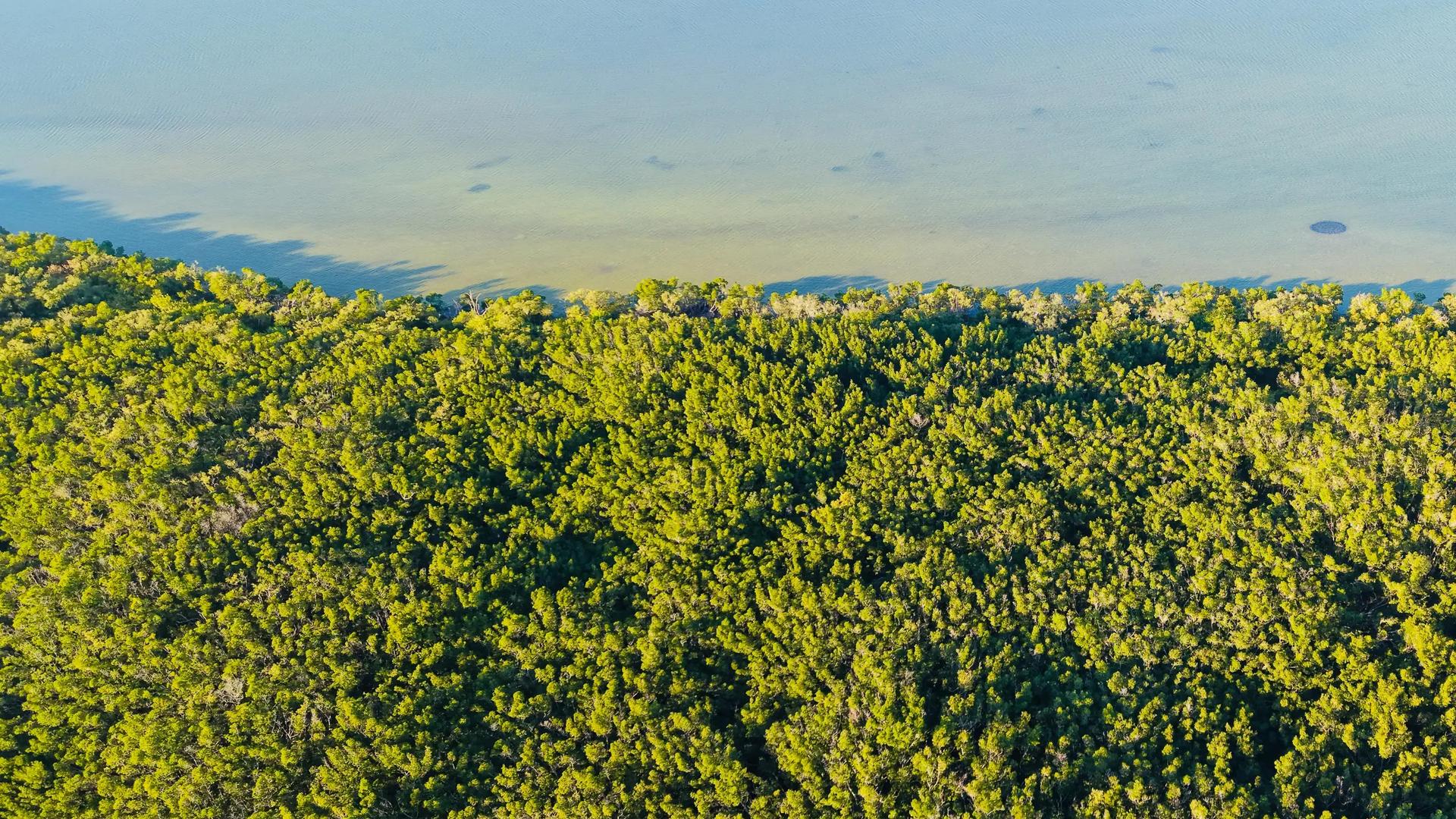
Visit during high tide to see the mangroves shimmering in the water, turning the island into a dreamlike landscape.
Transport
Travel time
By car from Al Khor16 min.7 km
From the airport Doha · DOH1 h 9 min.64 km
On the map
Location
In detail
What's here
What is this place
Purple Island (Jazirat Bin Ghannam) is a small island near Al Khor in northeastern Qatar, fringed by mangrove lagoons. It is notable for archaeology and for ancient purple-dye production.
Key features
- Linked to the mainland by a wooden boardwalk and tidal flats – pedestrian access is possible; some spots are tide-dependent.
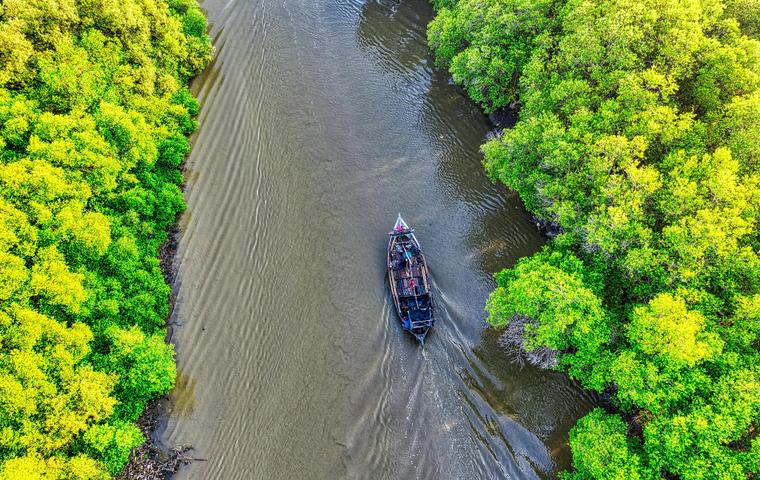
- Mangrove stands of Avicennia marina form sheltered creeks – popular for walks and kayaking.
- Archaeology spans from the Neolithic to modern times, with Kassite-period (2nd millennium BCE) workshops for purple dye.
- Bird-rich mudflats and lagoons – winter flamingos, year-round herons and shorebirds.
- Visitor access improved since 2019 with parking by the shore and a pedestrian bridge.
What to see
- The wooden bridge and trails across sandy ridges between lagoons.
- Mangrove “tunnels,” crab fields and birdlife on the flats.
- Low mounds and shell deposits – traces of settlements and shellfish processing.
History
Early use relates to Gulf maritime camps; the island served as a transit point and a temporary base for fishermen and pearl divers from the early 2nd millennium BCE. During the Kassite era, workshops produced Tyrian-style purple dye from marine snails, giving rise to the modern name.
Systematic excavations began in 1976, revealing several phases from the Neolithic to around the 19th century. In recent decades the area became a nature-recreation zone for Al Khor; in 2019 access paths and a pedestrian connection were upgraded.
Practical information
Location: Near Al Khor, Al Thakhira area; ~45–60 minutes’ drive from Doha via Al Khor Road.
Getting there: Drive to the parking at the start of the Purple Island wooden bridge; continue on foot along the boardwalk and sandy trails.
Access: Free entry; shoreline is open at all times, with organized kayak tours launching nearby.
Visiting hours: Daylight hours are best; trails are easier outside peak heat, kayaking often at sunrise/sunset.
Visit duration: 1–2 hours for walking; 2–3 hours with kayaking.
Best time: November–March; plan around tides – mid to high tide eases creek crossings and navigation.
Notes: Little shade and limited services – bring water, sun protection and closed shoes for mud/shells; stay on paths, avoid disturbing birds.
Purple Island
Articles about this place
Tours
Best Tours in Doha: Desert Safaris, City Highlights and Dhow Cruises
A practical guide to the best tours in Doha: city sightseeing, desert safaris to the Inland Sea and evening dhow cruises along the Corniche. Prices, how to choose the right tour and where to book it.
December 10, 2025
Tips
Qatar in April: +34°C, Sea 23–25°C & the Last Beach Month
April is Qatar's last comfortable beach month before summer — 30–34°C days and a warm 23–25°C sea. When to go, where to stay and typical prices.
November 22, 2025
Transport
Private transfers in Qatar: are they worth it or not?
When it makes sense to book a private transfer in Qatar, how it compares to taxis and metro, and typical prices from Doha Airport in 2025.
November 23, 2025
Tours
Top 20 Places in Doha: What to See in 1-5 Days
How to see Doha in 1-5 days: top 20 places, ready-made itineraries by area, museum and transport prices, dress code and safety tips.
November 27, 2025
Transport
Car rental in Qatar: where to book, prices and hidden pitfalls
Complete guide to renting a car in Qatar: where to book, real 2025 prices, licence and deposit rules, insurance, fines and common mistakes.
November 23, 2025
Tips
Qatar in November: weather, sea, prices and tips
Weather in Qatar in November, sea temperature, best areas to stay, things to do, typical prices and practical travel tips.
November 21, 2025Nearby