Blog · Tips
What to Eat in Qatar: Traditional Dishes, Street Food, Desserts and Drinks
 Tips
TipsIn this article
- 01Qatari cuisine in a nutshell
- 02Signature Qatari dishes
- 03Street food and quick bites
- 04Desserts and sweets
- 05Drinks: from Arabic coffee to karak tea
- 06Where to try Qatari food
- 07Food prices in Qatar (updated: December 2025)
- 08Practical tips
- 09FAQ: food in Qatar
- 10Summary
Some links are affiliate links. You pay the same, and we may earn a commission.
A complete guide to food in Qatar: must-try traditional dishes, popular street food and desserts, where to find them in Doha and how much you can expect to spend on meals.
Qatar’s food scene is a mix of Gulf comfort food, Arabic hospitality and strong Indian and Persian influences. Expect a lot of rice, slow-cooked meats, fragrant spices, seafood from the Arabian Gulf, pulses, yoghurt and dates.
If names like machboos, saloona or luqaimat don’t mean anything to you yet, this guide will help you decode the menu. You’ll find out what to order first, where to look for local food in Doha, and how much to budget per day.
Key takeaways
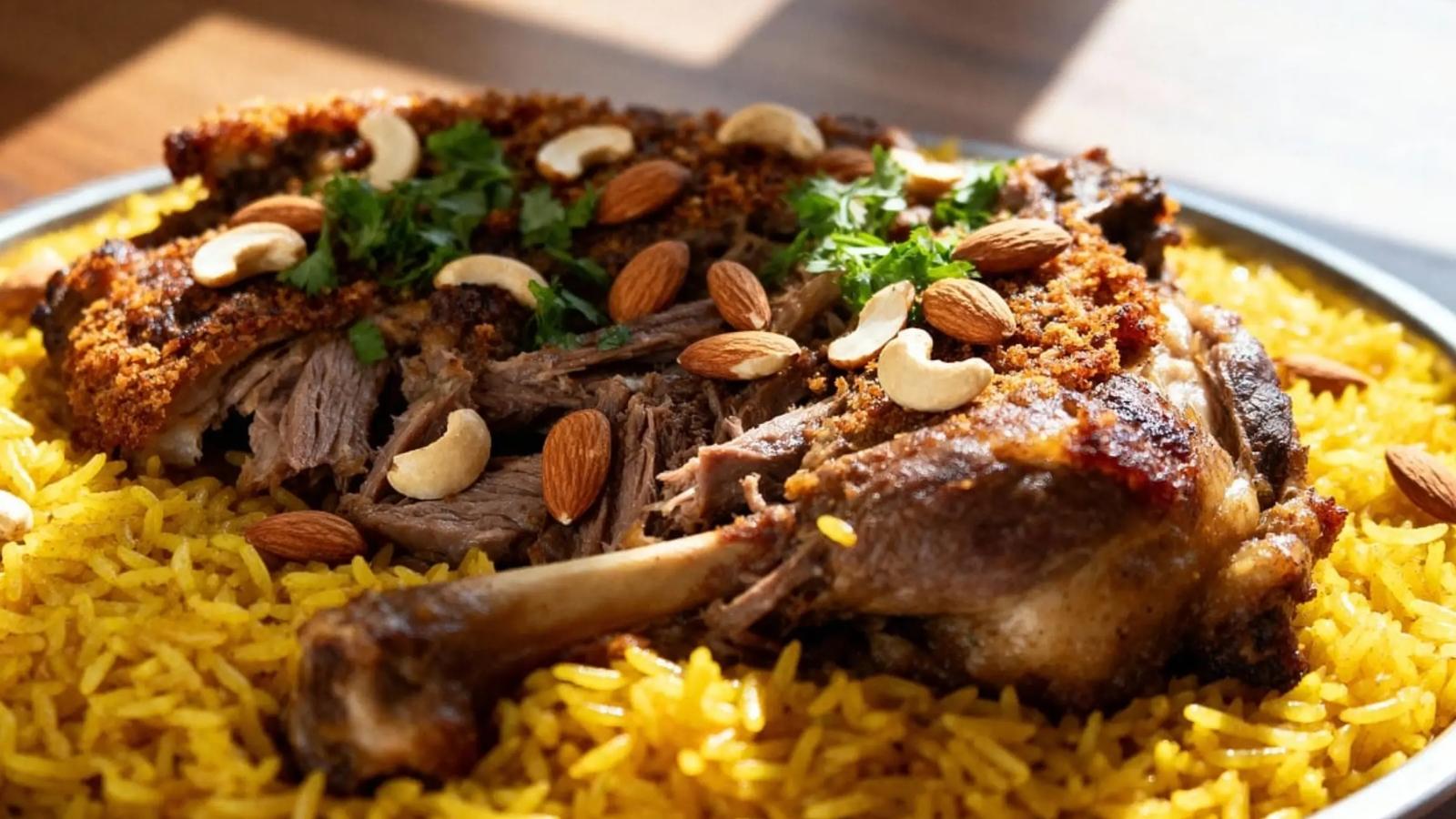
- Qatar’s national dish is machboos (also majboos or kabsa) – spiced rice cooked in one pot with chicken, lamb or fish and dried limes.
- Everyday comfort food includes hearty stews and porridges such as saloona, harees and madrouba, made with wheat or rice cooked down with meat and spices.
- Street food favourites are regag (paper-thin crepes), shawarma, samboosa, falafel and chapati with karak tea, easy to find in markets and simple cafés.
- For dessert, don’t miss luqaimat doughnuts, balaleet (sweet vermicelli with egg omelette) and anything with dates and nuts.
- Drink Arabic coffee with cardamom and sugary karak tea – both are deeply woven into local hospitality.
- Top places to explore Qatari food are restaurants and stalls around Souq Waqif, Katara Cultural Village, Msheireb Downtown and the Doha Corniche.
- Typical prices range from about 4.1–17.4 USD (≈ 3.7–15.7 €) for a main in an inexpensive restaurant to 27.5–96.1 USD (≈ 24.7–86.5 €) for a three-course dinner for two at a mid-range place.
Qatari cuisine in a nutshell
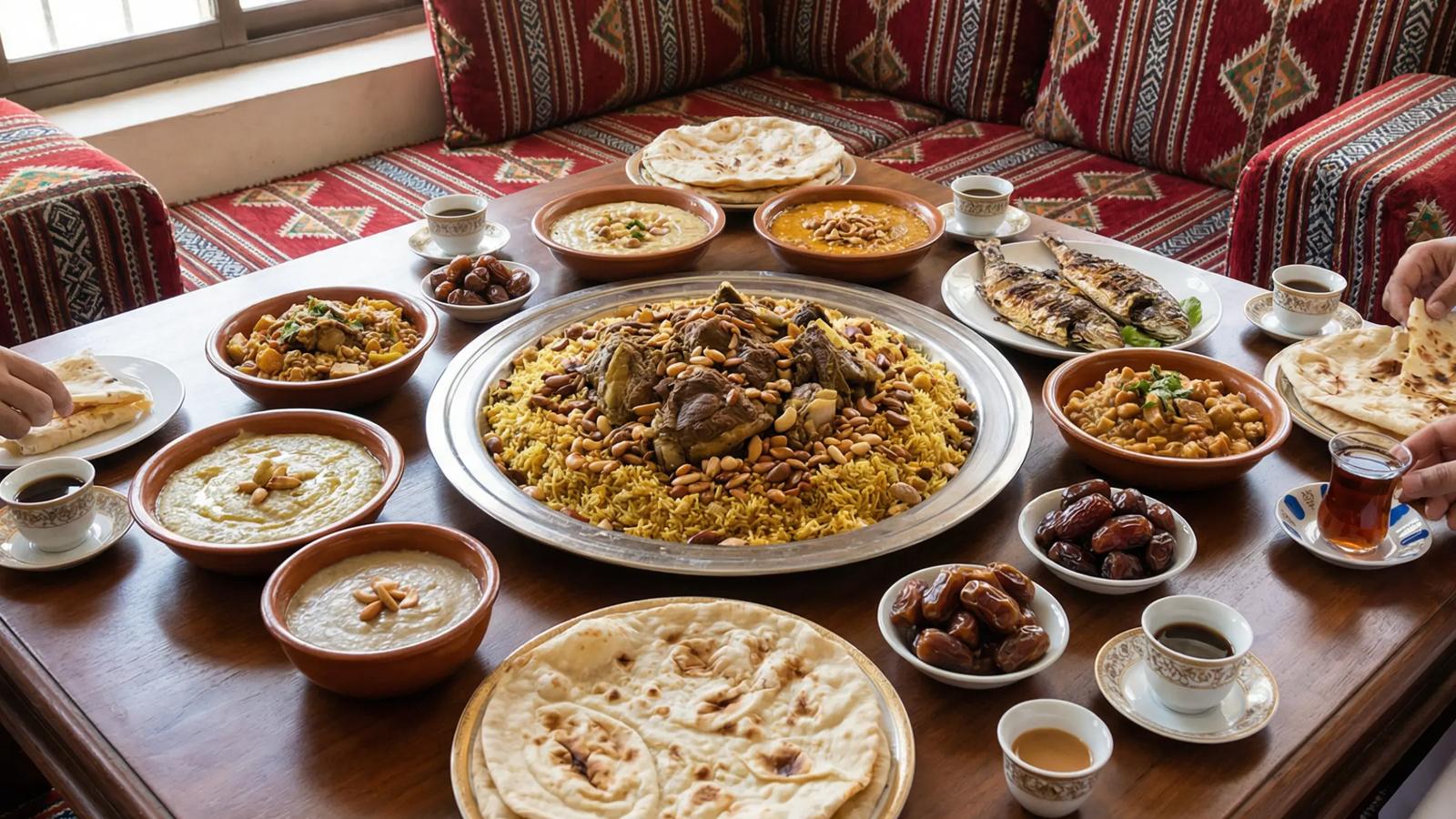
Qatari cuisine belongs to the broader family of Gulf cooking: big rice platters, slow-cooked meat, sharing dishes and generous use of spices. The country’s history as a trading hub means you also taste clear influences from India, Persia and the Levant – think chapati, masala-style spices, hummus and falafel alongside traditional Gulf recipes.
Core ingredients include:
- basmati rice;
- lamb, chicken and occasionally goat or local fish;
- pulses and grains such as lentils and wheat;
- yoghurt and laban (soured milk);
- dates and nuts;
- spices like cardamom, cinnamon, cloves, saffron, cumin and dried limes (loomi).
Signature Qatari dishes
1. Machboos (machbous / majboos)
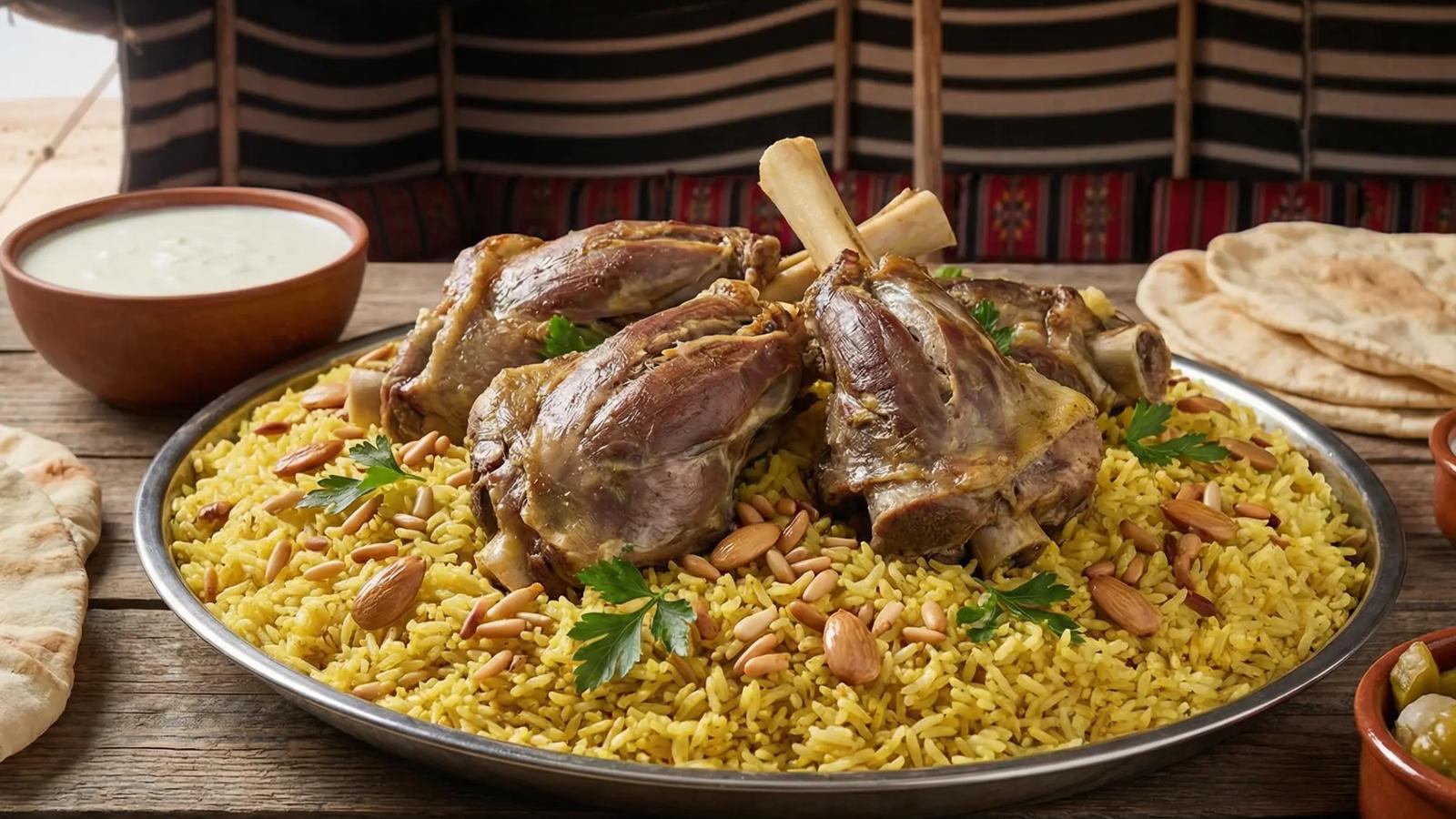
Machboos is widely considered Qatar’s national dish. It’s a big platter of rice cooked in a spiced broth together with meat – usually chicken, lamb or fish – and aromatics such as cardamom, cinnamon, cloves, turmeric and dried limes. The dish is often topped with fried onions and nuts and served with tomato sauce and yoghurt on the side.
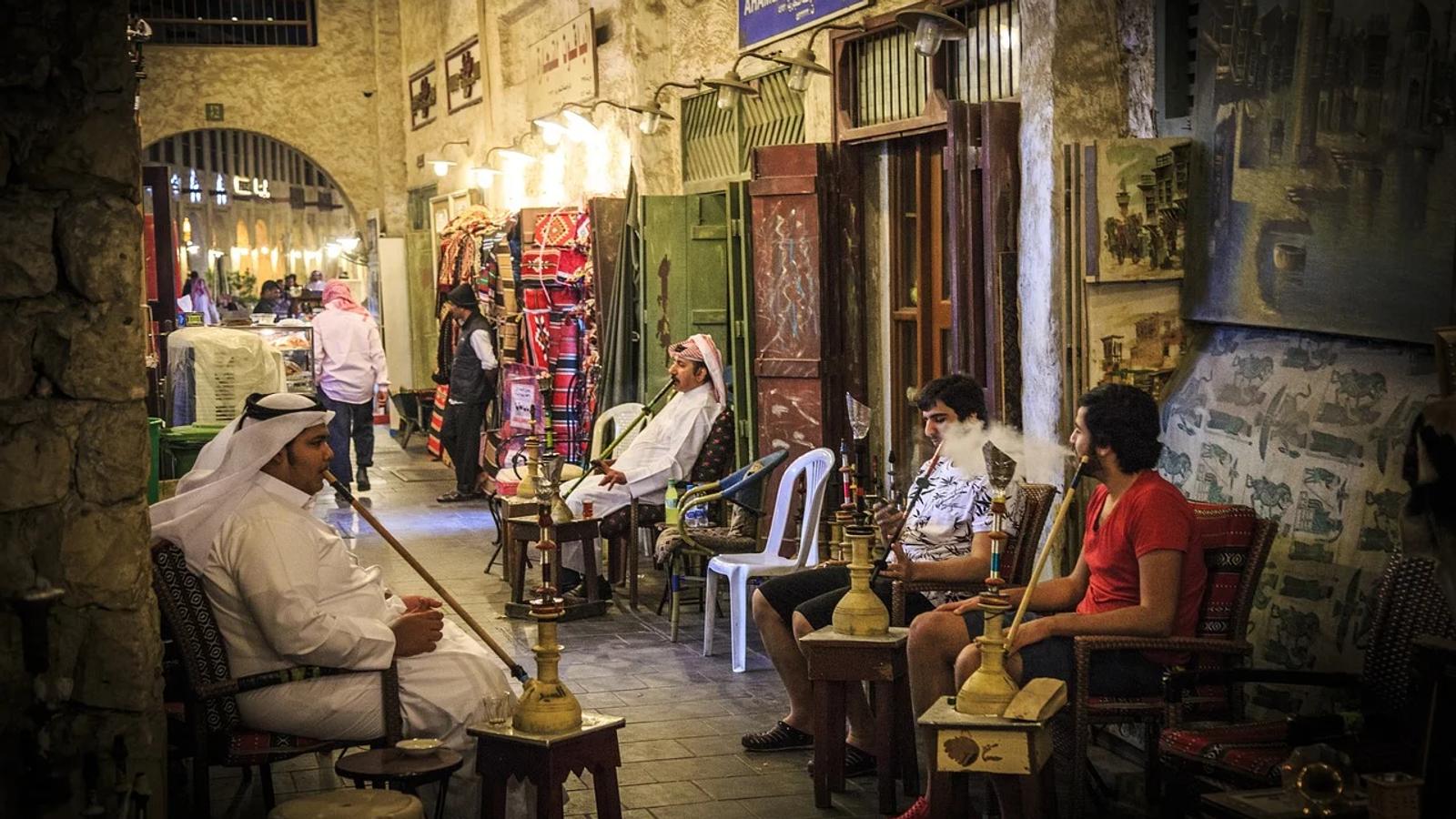
You’ll find machboos at traditional restaurants across Doha, especially around Souq Waqif and in neighbourhoods with older houses.
2. Saloona
Saloona is a thick tomato-based stew made with meat (commonly lamb or chicken), potatoes and a mix of other vegetables such as courgette, carrots and aubergine. It’s gently spiced and served with rice or bread – very much a home-style one-pot meal.
3. Harees and madrouba
Harees is made by slow-cooking wheat with meat until it breaks down into a smooth, porridge-like dish. Madrouba is a similar idea using rice, usually cooked with chicken and spices until it becomes creamy and comforting. Both are especially popular during Ramadan and family gatherings.
4. Thareed
Thareed is sometimes called “Arabic lasagne”: pieces of bread soaked in a rich meat or vegetable stew. Flatbread is placed at the bottom of the dish so it absorbs the sauce, then topped with chunks of meat and vegetables. If you love mopping up sauces with bread, this is your dish.
5. Festive rice and lamb
For celebrations you’ll often see whole roasted lamb served on a mountain of rice, garnished with nuts and dried fruit. Platters are huge and meant to be shared, so it’s best ordered for a group.
Street food and quick bites
Regag
Regag is a paper-thin crispy bread cooked on a large convex griddle, then spread with toppings like cheese, egg, honey, Nutella or even spicy sauces and folded up. It’s a perfect grab-and-go snack when you’re walking around markets or the waterfront.
Shawarma, falafel and samboosa
Thanks to Qatar’s diverse population, Levantine favourites are everywhere:
- juicy shawarma wrapped in flatbread;
- falafel stuffed into pita with salads and tahini;
- samboosa – triangular pastries filled with meat, cheese or spinach.
Look for small stalls and cafés around Souq Waqif, food courts and busy areas popular with locals.
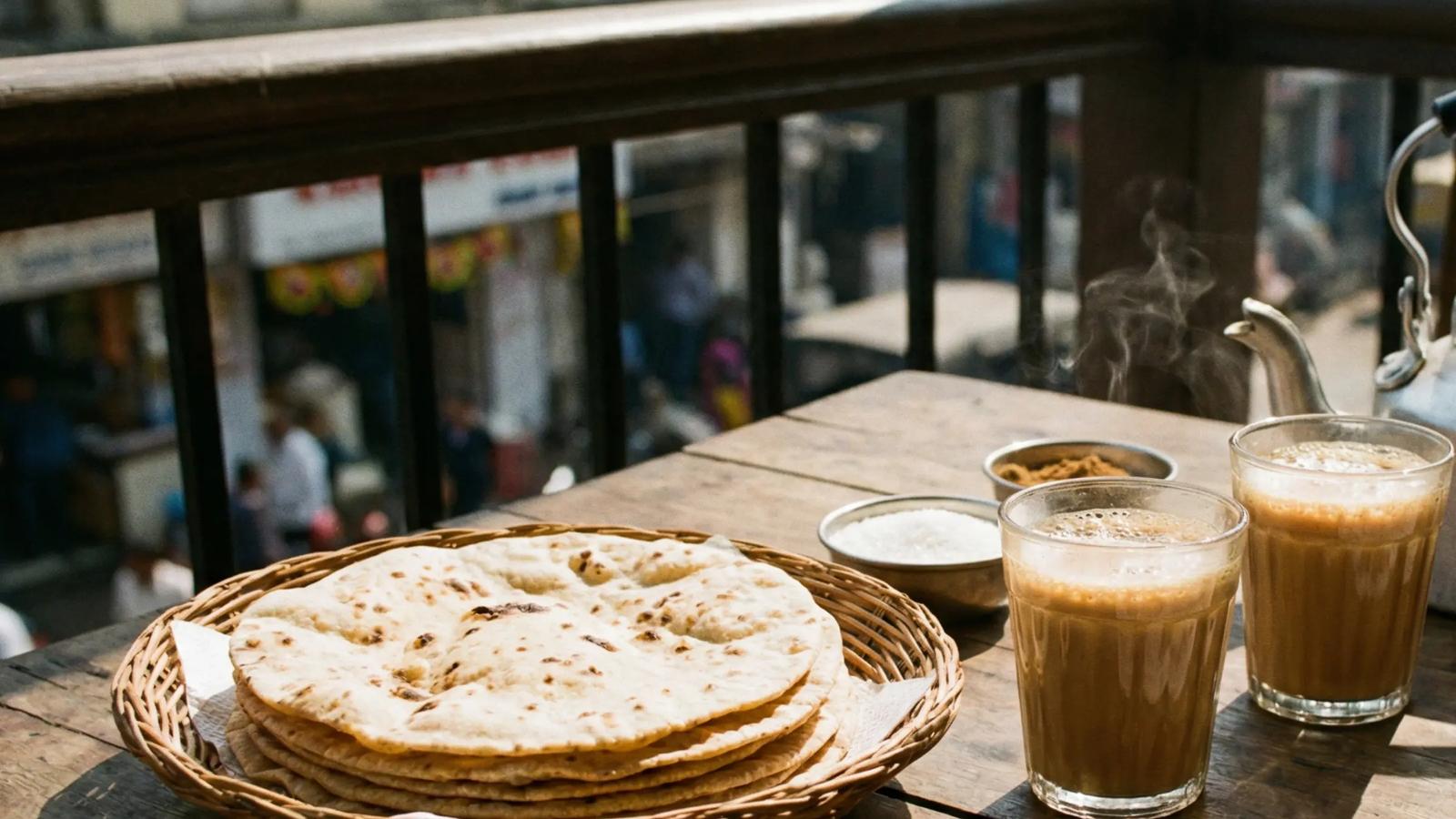
Chapati with karak
One of the most beloved everyday combos is fresh chapati and karak tea. Many tiny kiosks serve it straight through a window: you drive up, order chapati with cheese or egg plus a Styrofoam cup of hot, sweet, spiced tea and enjoy it by the sea or on the go.
Desserts and sweets
Luqaimat
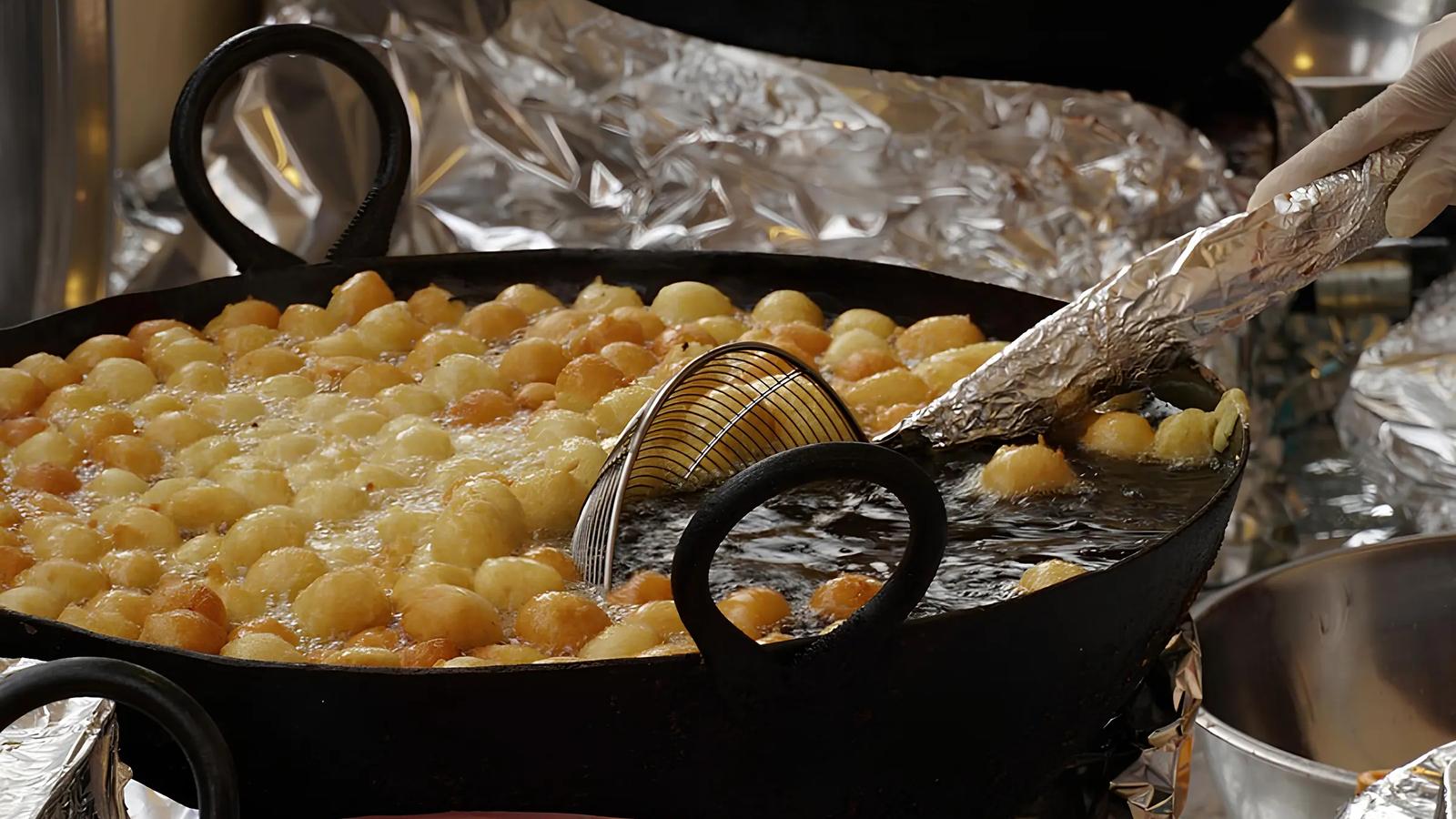
Luqaimat are bite-sized dough balls fried until golden and drenched in syrup or date molasses, then often sprinkled with sesame seeds or crushed pistachios. They’re best eaten hot, ideally from a stall making them to order in the evening.
Balaleet
Balaleet combines sweet vermicelli flavoured with saffron, sugar and cardamom with a thin savoury omelette on top. It sounds unusual but works surprisingly well and is often served for breakfast or festive brunch.
Date-based treats
Dates are a cornerstone of Qatari food culture. You’ll see them served plain, stuffed with nuts, dipped in chocolate, baked into cakes and biscuits or turned into thick pastes and syrups. Try a few different varieties to spot the differences in texture and sweetness.
Drinks: from Arabic coffee to karak tea
Arabic coffee (gahwa)
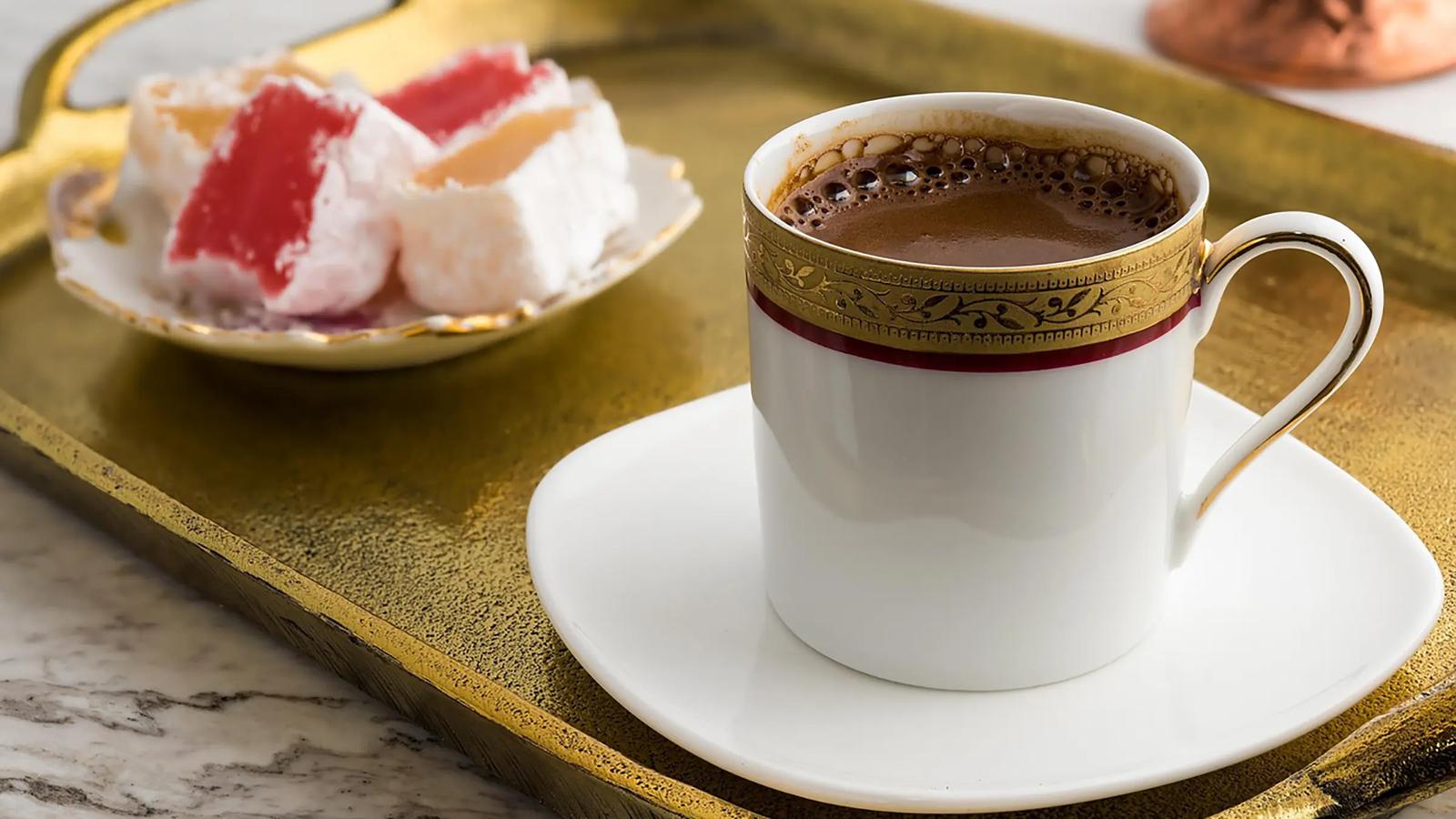
Arabic coffee is made with lightly roasted beans and generous amounts of cardamom (sometimes saffron or cloves). It’s poured from a long-spouted pot into tiny handle-less cups and served with dates. The drink is less about caffeine and more about hospitality – your cup will be refilled until you gently shake it to signal you’ve had enough.
Karak tea
Karak is a rich, spiced milk tea sweetened with plenty of sugar, similar to Indian masala chai. It’s hugely popular across Qatar and you’ll see people sipping it at any time of day, often bought from drive-up kiosks.
Other options
Juice bars and cafés usually offer:
- fresh juices and smoothies;
- laban (yoghurt drinks);
- mint lemonade;
- colourful non-alcoholic mocktails.
Where to try Qatari food
- Traditional restaurants near Souq Waqif. A great place to try machboos, saloona, regag and luqaimat all in one evening, with both indoor and outdoor seating.
- Katara Cultural Village. Seafront restaurants, cafés with karak and sweets, plus pop-up food festivals during events.
- Msheireb Downtown and the Doha Corniche. Easy to pair sightseeing and a meal in stylish restaurants that serve Qatari and modern fusion menus.
- Mall food courts. Ideal if you’re travelling with kids or a group – everyone can pick what they want, from local dishes to global chains.
- Food tours and tastings. Check Tours in Qatar for guided experiences that combine souq walks, street food and sit-down meals.
Food prices in Qatar (updated: December 2025)
Based on consolidated cost data for Qatar, you can expect approximately the following ranges:
- Inexpensive restaurant: 4.1–17.4 $ for a main dish.
- Mid-range restaurant for two (three courses, no alcohol): 27.5–96.1 $.
- Fast-food combo: 6.6–8.2 $.
- Cappuccino: 1.6–8.2 $, depending on whether you’re at a simple café or a luxury hotel.
- Soft drink (0.33 l): 0.7–1.4 $.
- Bottled water (0.33 l in cafés): 0.3–0.6 $.
Street snacks like regag, luqaimat or samboosa are usually very affordable – just a few dollars per portion, especially at souq stalls and basic eateries.
Practical tips
- Sort your mobile data in advance. Using eSIM Qatar you can activate an eSIM before landing and instantly use maps and food apps.
- Get travel insurance. Even on a pure food-focused trip, medical coverage via Insurance for Qatar is worth having for peace of mind.
- Respect local etiquette. In family-oriented and traditional restaurants it’s best to cover shoulders and knees and avoid overly revealing outfits.
- Use your right hand when sharing from common dishes. This is the cultural norm across the region and a simple way to show respect.
- During Ramadan, many places are closed or takeaway-only in daytime, but evenings bring special iftar buffets and an even bigger choice of sweets.
- Take your time. Eating in Qatar is social – linger over tea and dessert instead of rushing straight out.
FAQ: food in Qatar
What are the top dishes I should try if I have limited time?
Go for machboos as your main dish, add saloona or thareed if you can, then finish with luqaimat or balaleet for dessert and wash it all down with Arabic coffee and karak tea.
Where should a first-time visitor look for local food?
Start with the area around Souq Waqif and Katara Cultural Village, where there are many restaurants specialising in Qatari and regional cuisine, English menus and staff used to helping visitors navigate the dishes.
Is it possible to eat on a budget in Qatar?
Yes. By focusing on simple cafés, street food and mall food courts, you can keep daily food costs around 10–20 $ per person without alcohol – that covers an inexpensive sit-down meal, a snack and tea with dessert. Upscale hotel restaurants and fine dining will, of course, cost more.
Is Qatari food vegetarian- and vegan-friendly?
There are plenty of vegetarian options such as hummus, falafel, salads and vegetable stews. Vegans should double-check that dishes don’t include ghee or yoghurt, but it’s still very possible to eat well with a plant-based diet.
Is street food safe to eat?
In busy areas around Souq Waqif and major malls, hygiene standards are generally good. Follow the usual travel logic: choose stalls with lots of local customers and high turnover, and if you have a sensitive stomach, be cautious with raw salads and anything left out in the heat.
What should I know about food during Ramadan?
Daytime dining options are more limited, but you’ll always find places open in hotels and big malls. After sunset, restaurants and markets come alive with iftar buffets and special menus featuring classic Qatari dishes and an impressive selection of sweets.
Summary
Qatar is a fantastic place to discover Gulf flavours in an easy, accessible way. With machboos, saloona, regag, luqaimat and endless cups of karak tea on offer – from humble street stalls to stylish seafront restaurants – a bit of planning will turn your trip into a memorable food adventure.
You may also like
What to Bring from Qatar: Souvenirs, Gifts and Smart Buys in Doha
Practical guide to Qatar souvenirs – oud perfume, spices, pearls, dates, gold and Arabic crafts. Prices, where to shop and how to avoid overpaying at Souq Waqif in Doha.
February 24, 2026
Nightlife in Doha: Where to Go After Dark – Bars, Waterfront Walks and Night Markets
A practical guide to Doha's nightlife: Souq Waqif at night, rooftop bars, hotel clubs, Corniche and The Pearl walks. Prices, dress codes and alcohol licensing rules.
February 13, 2026
Internet for Digital Nomads in Doha: Coworking Spaces, Wi-Fi Cafés and VPN Requirements
Where to work remotely in Doha: coworking spaces with prices, cafés with fast Wi-Fi, 5G mobile internet, blocked services, and VPN setup for calls in Qatar.
February 14, 2026
Tipping in Qatar: Who, How Much, and When to Tip
Complete guide to tipping in Qatar – how much to leave at restaurants, hotels, taxis, and spas. Table of amounts in QAR and USD, service charge traps, and local etiquette.
February 12, 2026
Alcohol in Qatar for Tourists: What’s Allowed, What’s Not, and How to Stay Out of Trouble
A practical guide to alcohol rules in Qatar for tourists: where you can legally drink, what gets you in trouble, whether you can bring alcohol in, and what to expect price-wise in licensed venues.
January 23, 2026
Long Layover in Doha (8–24 Hours): Step-by-Step Plan to Visit the City and Return to the Airport
How to spend a long layover in Doha: free transit visa, metro to the city, Souq Waqif, Museum of Islamic Art, and getting back to Hamad Airport on time.
February 12, 2026