Blog · Tips
Switzerland in December: weather, Christmas markets and where to spend Christmas and New Year
 Tips
TipsIn this article
Some links are affiliate links. You pay the same, and we may earn a commission.
What Switzerland is like in December, where to enjoy Christmas markets, which cities and ski resorts are best for Christmas and New Year, prices, transport, insurance and useful travel tips.
In December Switzerland splits into two worlds: mild, often wet cities with glowing Christmas markets, and snowy Alpine resorts where the ski season is already in full swing.
It is a great month if you want to combine skiing, Christmas markets and New Year’s Eve in one trip – as long as you book accommodation for the holidays in advance and think through your route between cities and mountains.
Key takeaways for December in Switzerland
- Cities are cool and damp, mountains are properly wintry. In Zurich average December temperatures hover around 0–4 °C, often cloudy and humid.
- High-altitude resorts have reliable snow. Around Zermatt snow cover is usually good by December and snowfall days are frequent, so skiing conditions are solid.
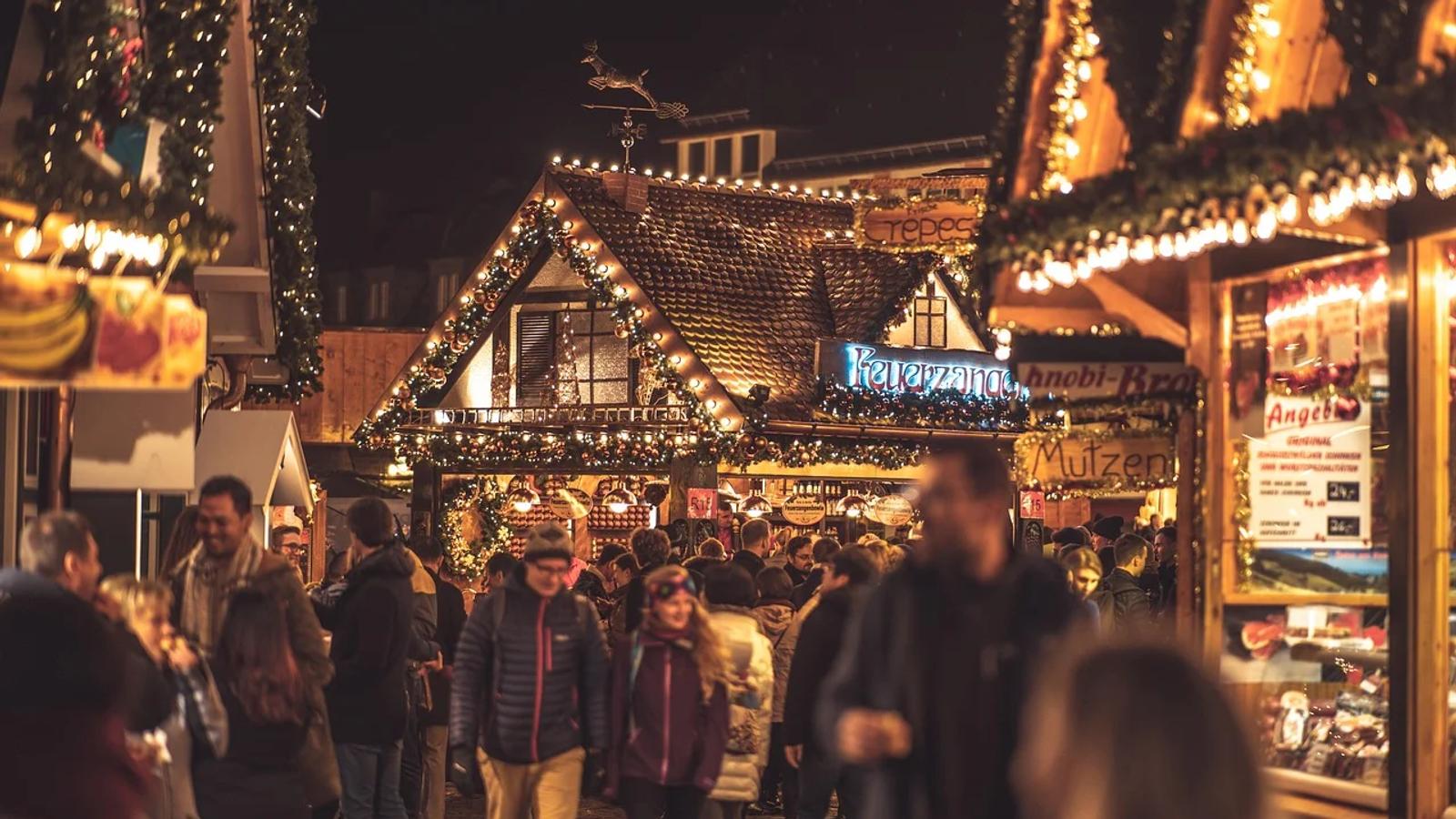
- Christmas is best felt in historic towns and by the lakes. Zurich, Lucerne, Basel, Bern, Montreux and Geneva all host big, atmospheric markets.
- New Year’s Eve means fireworks over lakes and parties in the Alps. Zurich and Geneva focus on lakefront fireworks, while resorts like Zermatt and St. Moritz lean into apres-ski and parties.
- Trains are the best way to get around. They run reliably even in snow and mountain railways take you straight to ski areas – details and money-saving tips are covered in How to Travel by Train in Switzerland: Tickets, Prices and Rail Passes.
- Accommodation over Christmas and New Year sells out early. Use Best Hotels in Swiss Ski Resorts: Areas, Prices and Booking Tips, Best Family Hotels in Switzerland: Top Areas and Prices and Most luxurious hotels in Switzerland – best areas and prices to decide where to stay.
- Winter activities need proper insurance. What exactly you need for Switzerland, typical prices and pitfalls are explained in Do You Need Insurance for Switzerland? Rules, risks and prices.
Weather and daylight in December
In lowland cities like Zurich, Bern or Basel, December is cold but usually not extreme. Expect around 2 °C during the day and slightly below zero at night, often with rain or wet snow rather than deep powder in the streets.
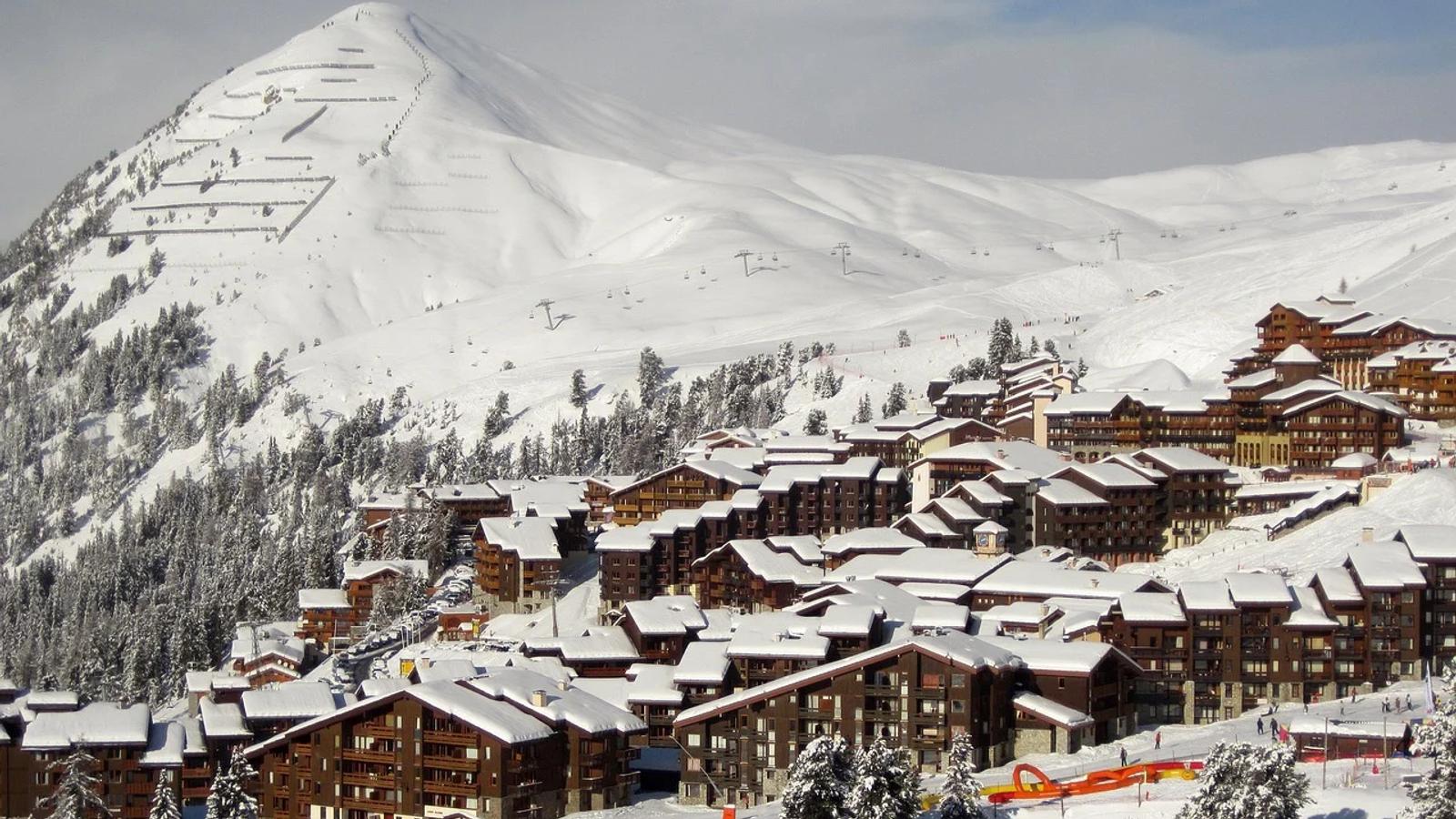
In the Alps it is a different story. In and around Zermatt, snow depth on the slopes is typically already substantial in December and snowfall days are common, especially higher up in the ski area.
Days are short – roughly 8–9 hours of daylight – so it pays to use daylight for skiing and excursions and keep evenings for markets, dinners and SPA.
Things to do in Switzerland in December
1. Skiing and snowboarding
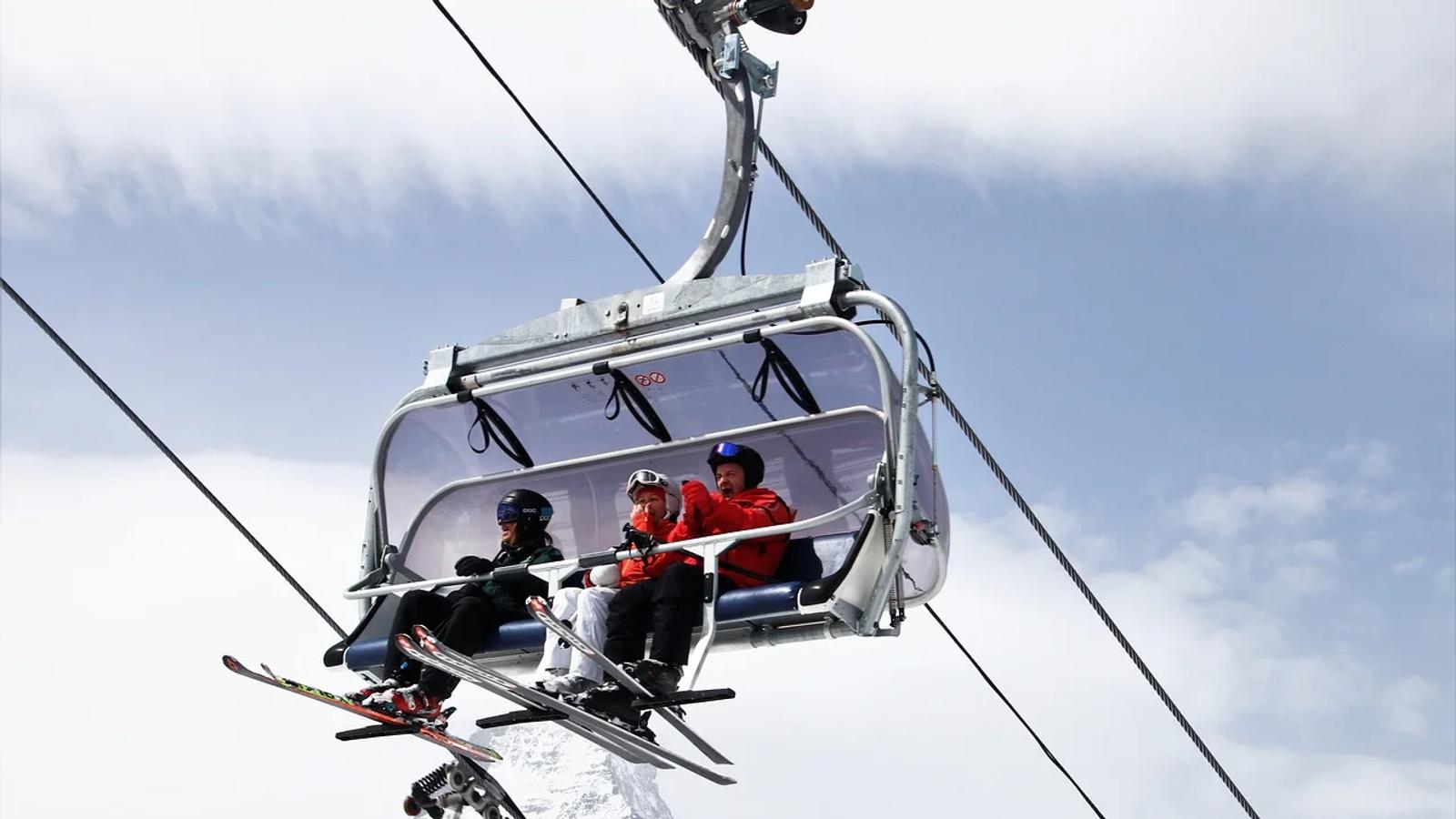
December is a real start of winter season in big resorts:
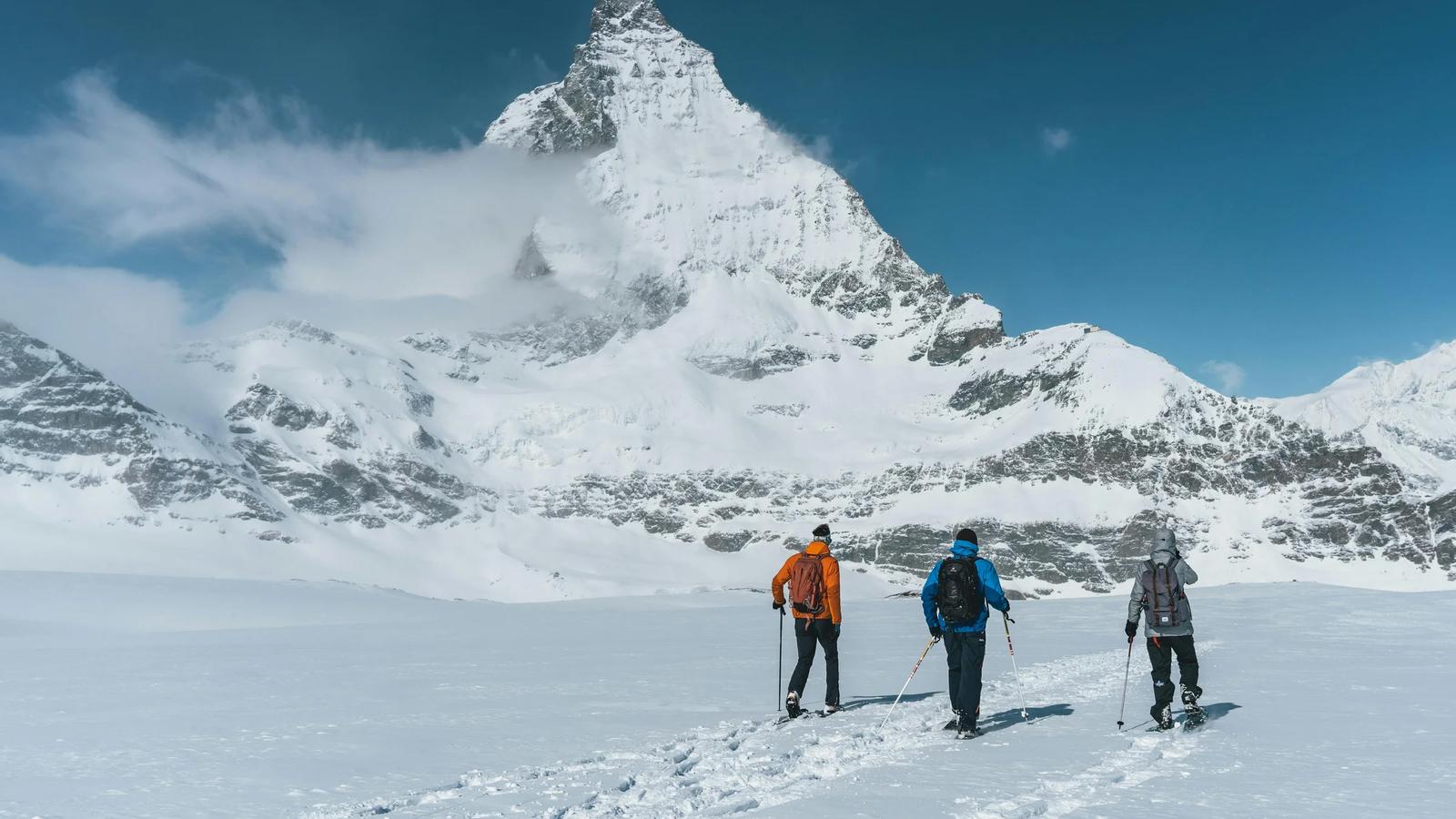
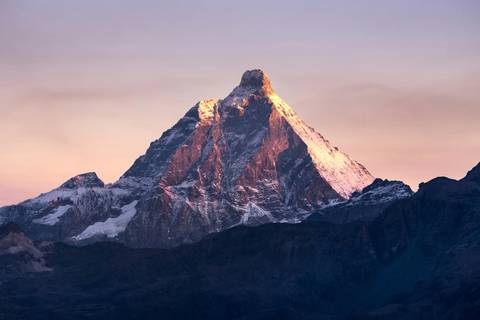
- Zermatt with iconic Matterhorn views;
- St. Moritz with a very upmarket vibe;
- Davos and nearby areas;
- the Jungfrau region around Interlaken.
For ski-in/ski-out accommodation and a good overview of areas, prices and booking tricks, use Best Hotels in Swiss Ski Resorts: Areas, Prices and Booking Tips. Families will love Best Family Hotels in Switzerland: Top Areas and Prices, and if you are in the mood for something truly high-end, check Most luxurious hotels in Switzerland – best areas and prices.
Remember that skiing, off-piste, sledging and winter hiking are all treated as higher-risk activities – check Do You Need Insurance for Switzerland? Rules, risks and prices to be sure your policy actually covers them.
2. Christmas markets and winter towns
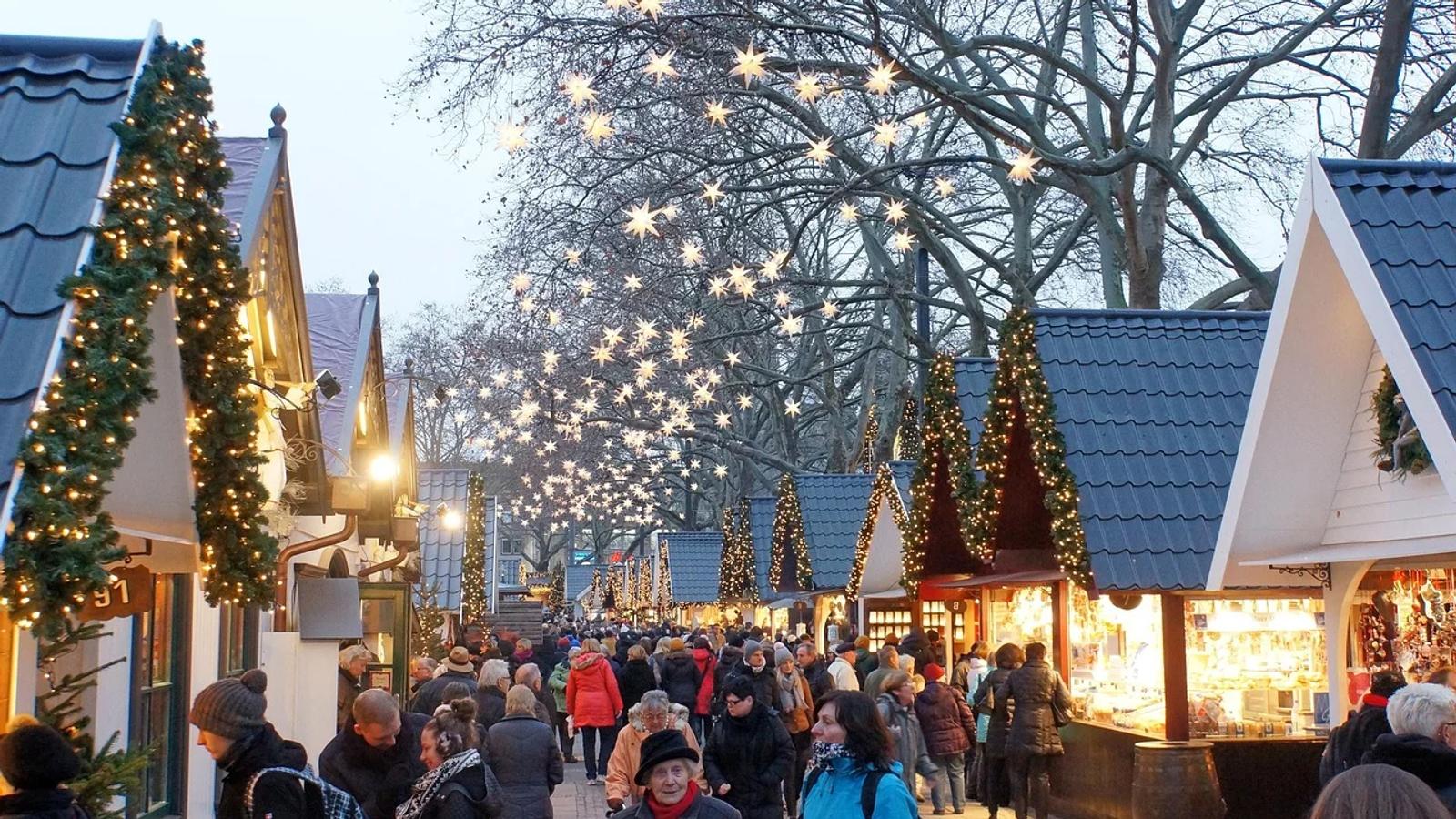
From late November until Christmas Eve, Switzerland is full of markets:
- Zurich has several: by the Opera House, in the Old Town, on Münsterhof and a huge indoor market in the main station hall.
- Basel and Bern offer very atmospheric markets in beautifully preserved old towns.
- Lucerne sets up stalls around the chapel bridge and in the historic centre.
- Montreux is famous for its long lakeside market and Santa “flying” above the water.
3. Winter activities without skiing
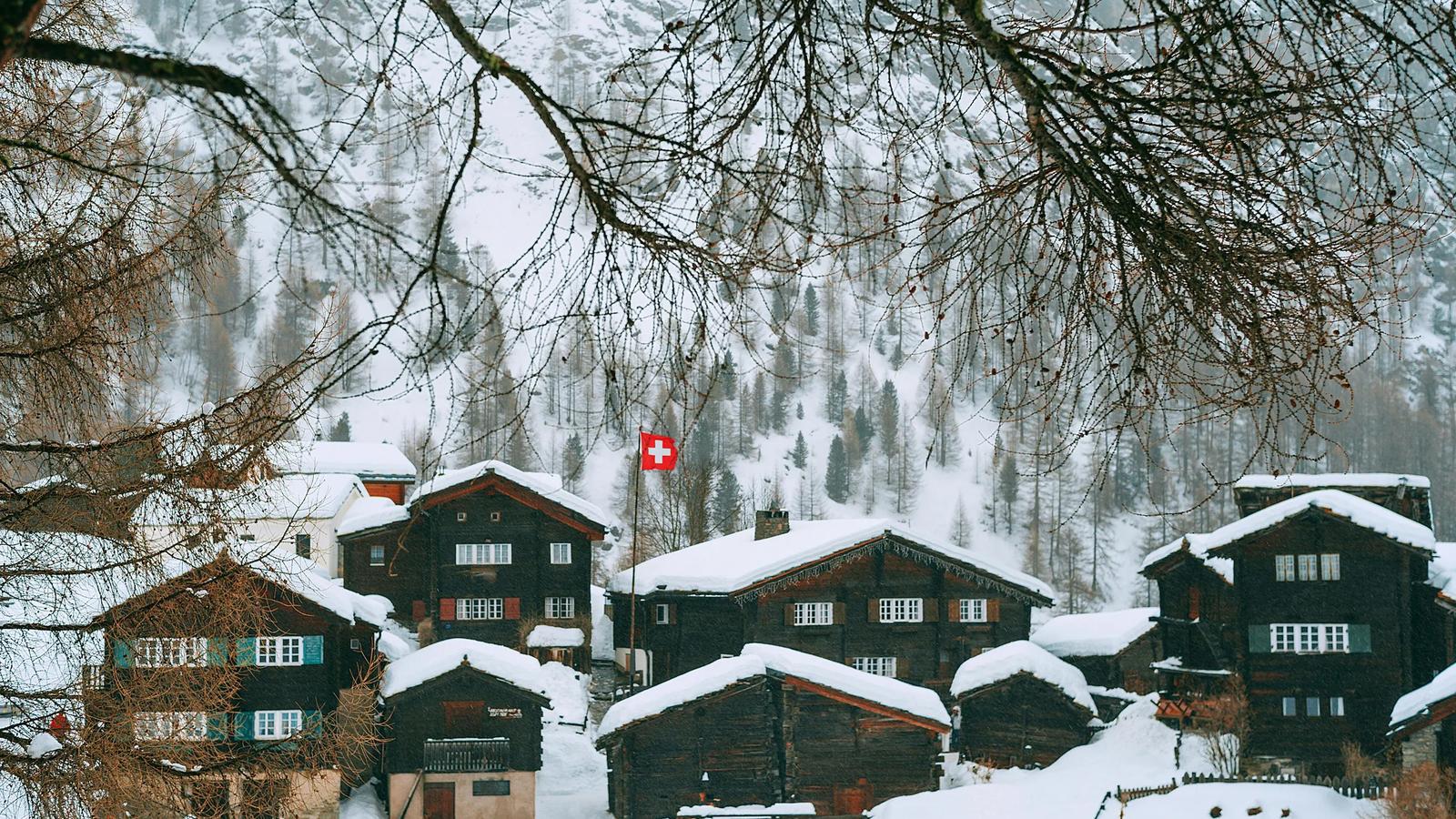
Even if you do not ski, you will not be bored:
- winter walking trails and sledging runs around Interlaken and Lucerne;
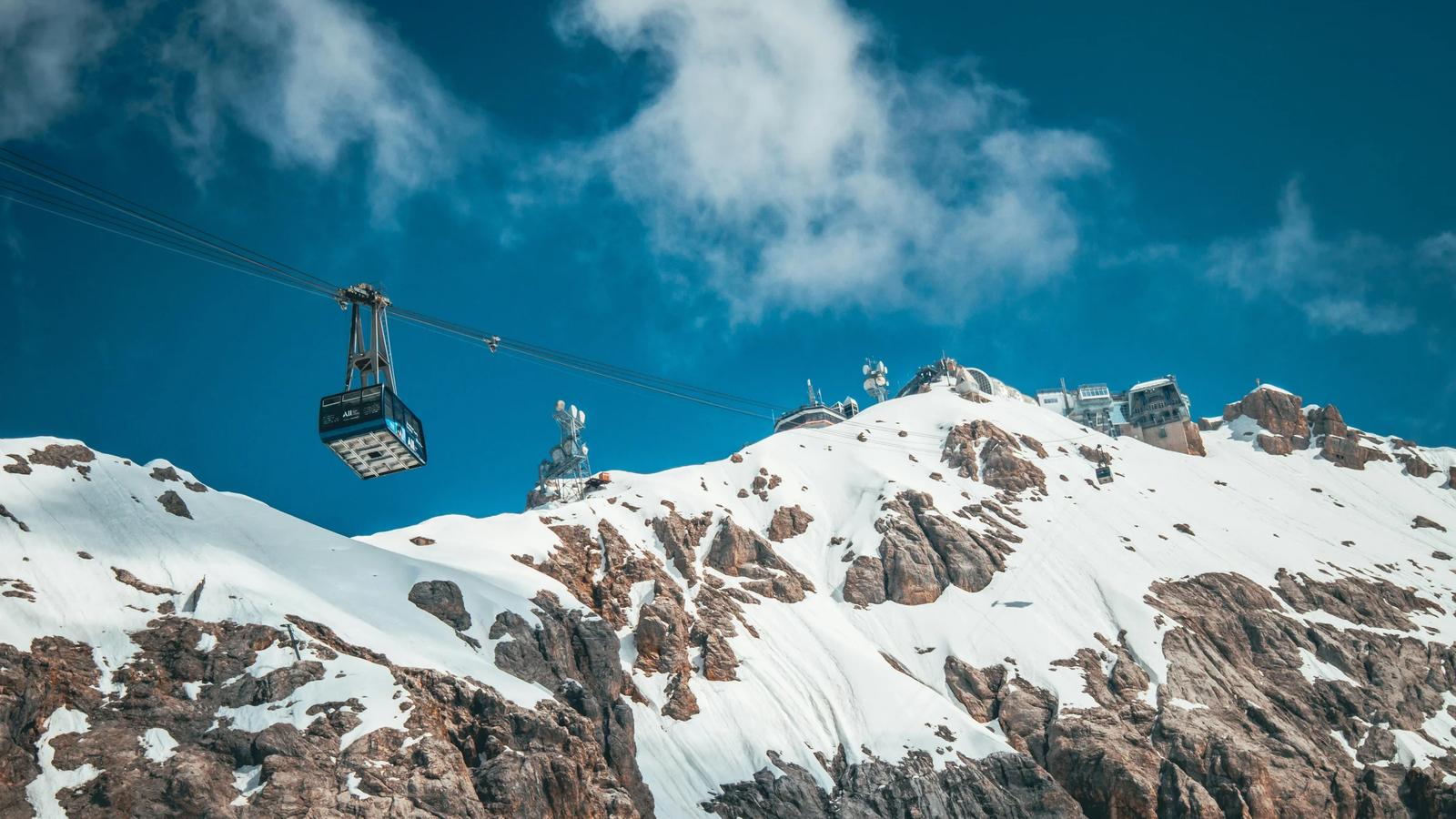
- cable cars and cogwheel trains to viewpoints;
- cosy mountain restaurants with panoramic terraces.
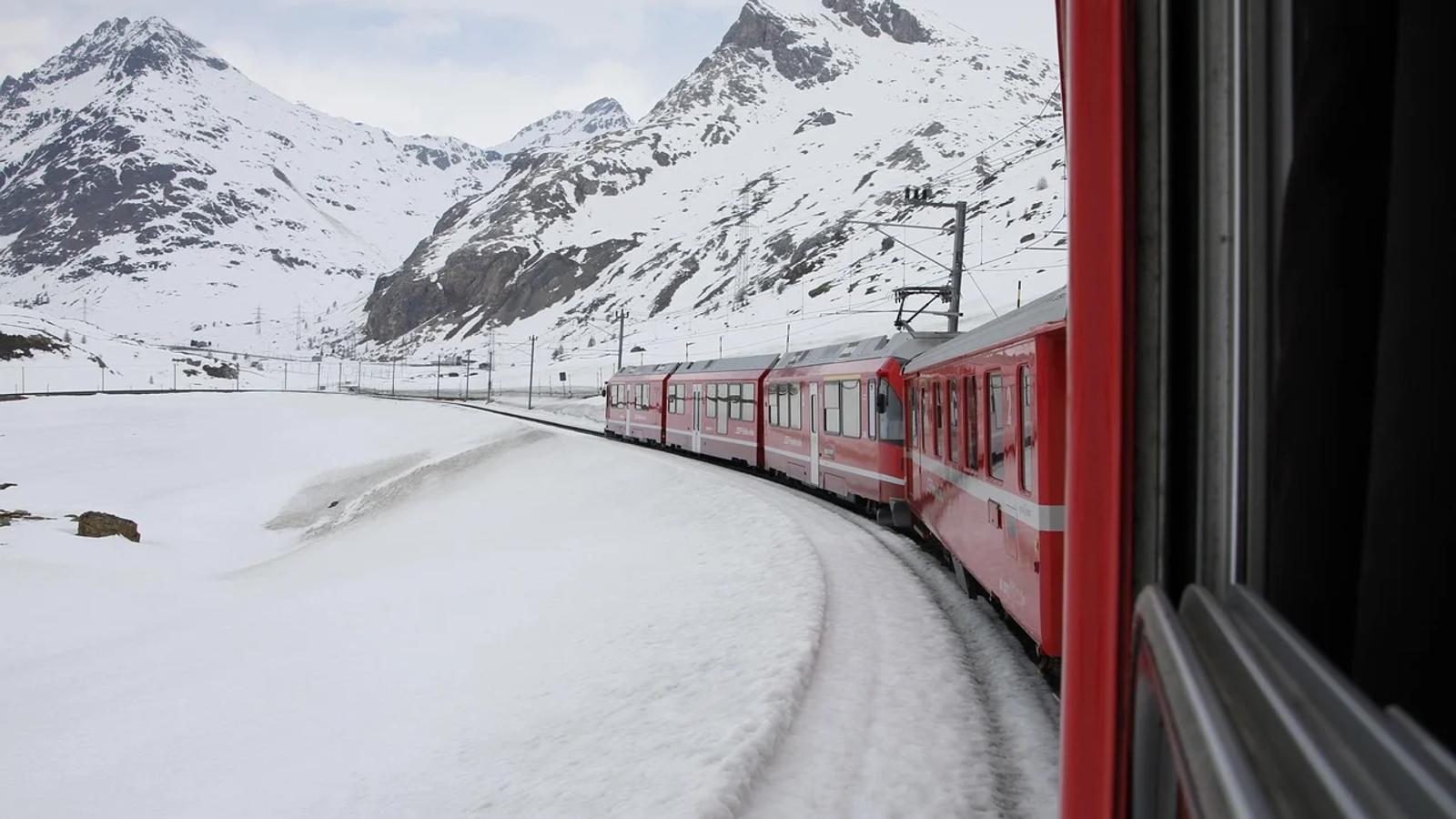
4. Scenic trains and moving between regions
Trains are the backbone of a December itinerary. A sample route could be:
- arrive in Zurich, enjoy markets and museums;
- move on to Lucerne or Interlaken for mountain views or skiing;
- continue towards Lake Geneva – Montreux or Geneva – for Christmas or New Year on the lakeshore.
How to Travel by Train in Switzerland: Tickets, Prices and Rail Passes explains which rail passes make sense, how to save on scenic routes and how to combine them in one trip.
5. SPA, thermal baths and food
December is the perfect SPA month: step from frosty air into steaming outdoor pools with mountain views. Many hotels, especially in Alpine areas, have excellent wellness facilities.
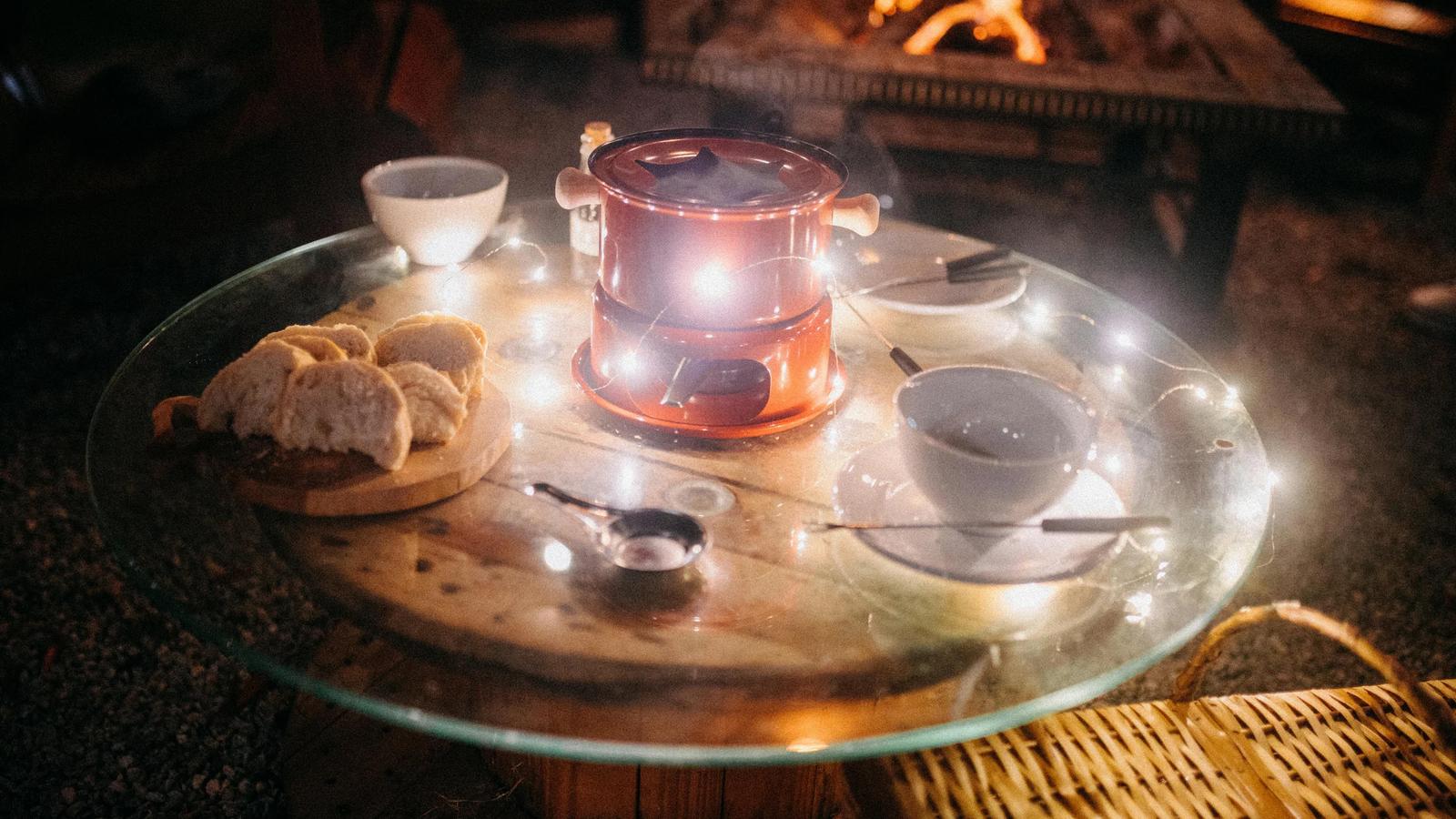
Food-wise, this is the moment for fondue, raclette, hot chocolate, mulled wine and local desserts, many of them served straight from market stalls.
Where to spend Christmas in Switzerland
Christmas itself (24–26 December) is very family-oriented, so many shops and some restaurants close – but the atmosphere is wonderful.
Zurich
A good all-round choice if you want several markets within walking distance, a big indoor market in the main station, markets in the Old Town and by the lake, plus easy day trips to the mountains.
Lucerne
Compact old town, the chapel bridge and waterfront views of the lake and mountains make Lucerne a great base if you prefer a “storybook” feel over a big city.
Basel and Bern
Both have beautifully preserved old towns and traditional markets; they offer a calmer, more local experience than Zurich while still feeling very festive.
Lake Geneva region: Montreux and Geneva
Montreux hosts one of the largest markets in the country along the lakeside, while Geneva offers festive villages and events in parks and on the waterfront – perfect if you like a mild climate and water views.
Where to celebrate New Year’s Eve in Switzerland
New Year’s Eve is more about going out: open-air parties, fireworks, lake cruises and resort nightlife.
Zurich: fireworks over Lake Zurich
The classic option is to gather on the lakeside and bridges in the city centre and watch fireworks launched from boats on the lake. There are also ticketed zones and special lake cruises with dinner and a front-row view of the show.
Geneva: elegant lakefront celebration
In Geneva people usually celebrate along the waterfront with music, street food and fireworks over Lake Geneva – a nice mix of city and resort feel.
Basel and Bern
These are more low-key: think locals on bridges and riverbanks, bars and restaurants in the old town and smaller fireworks.
Interlaken and the Jungfrau region
Interlaken hosts concerts and a fireworks show on Höhematte meadow – an easy add-on if you are staying here for skiing or winter hiking.
Alpine resorts: Zermatt, St. Moritz, Davos
In the Alps New Year’s Eve is about:
- gala dinners and parties in hotels and chalets;
- lively apres-ski bars;
- sometimes torch-light parades or night skiing.
St. Moritz feels very glamorous, while Zermatt combines parties with dramatic Matterhorn views.
Getting around Switzerland in December
Public transport is extremely reliable, even in winter.
- Frequent direct trains link Zurich, Lucerne, Basel, Bern, Lausanne and Geneva.
- Mountain resorts like Zermatt and St. Moritz are reached by regional trains and mountain railways.
How to Travel by Train in Switzerland: Tickets, Prices and Rail Passes is your go-to guide for understanding tickets, passes and when each option is worth it.
Connectivity and online security
You will need data all the time in December: to check weather and lift status, train timetables, reserve restaurants and buy tickets. eSIM is the easiest way to stay connected: buy a plan in advance and activate it when you land.
- Basics: What Is an eSIM and How Does It Work: A Simple Explanation.
- Saving on roaming and choosing a provider: eSIM for Travel: How to Save on Roaming Charges and eSIM Providers for Travel: Which One Offers the Best Value?.
- If you combine the trip with remote work, eSIM and Remote Work: How to Stay Connected Anywhere in the World will be helpful.
- Why eSIM is safer than free Wi-Fi is explained in Why eSIM Is Safer Than Public Wi-Fi.
When you rely heavily on hotel, café and station Wi-Fi, it is wise to use a VPN:
- what a VPN is and why you need it – What Is a VPN and Why Do You Need One?;
- how to pick a trustworthy service – How to Choose a Reliable VPN Service: What to Look For;
- step-by-step travel use – How to Use a VPN While Traveling: A Step-by-Step Guide;
- more on risks of public networks and free VPNs – Why You Should Never Use Public Wi-Fi Without a VPN and Why You Shouldn’t Trust Free VPNs.
Prices in December
Figures below are ballpark ranges for Switzerland as a whole based on recent average data and ranges; actual prices depend on the city, resort and exact dates.
Food
- Lunch in an inexpensive restaurant: about 20–46 € or 21–50 $ per person.
- Three-course dinner for two in a mid-range restaurant (without drinks): roughly 92–185 € or 100–201 $ per couple.
- Fast-food combo meal: about 17–21 € or 19–23 $.
Transport
- Single ticket on local public transport: around 3–6 € or 3.5–6.5 $.
- Monthly public transport pass (full price): roughly 81–208 € or 88–226 $ – for visitors, day passes and tourist rail passes often make more sense; see How to Travel by Train in Switzerland: Tickets, Prices and Rail Passes.
Accommodation
Very rough ranges:
- city 3★ hotels in December (outside Christmas / New Year week): from about 120–200 € per night;
- good 4★ in big cities and at the lakes: 200–400+ €;
- top ski resorts over the holidays: 400–600 € per night for a standard room is common, with premium hotels costing significantly more – concrete examples are given in Best Hotels in Swiss Ski Resorts: Areas, Prices and Booking Tips, Best Family Hotels in Switzerland: Top Areas and Prices and Most luxurious hotels in Switzerland – best areas and prices.
Insurance
For travel insurance:
- basic 7-day policies for “quiet rest” often start around 7–13 $;
- enhanced packages for active holidays and sports can easily be in the 40–125 $ range for 7 days, depending on coverage and limits – Do You Need Insurance for Switzerland? Rules, risks and prices helps you compare and choose.
Practical tips
- Book holiday dates early. Good rooms in cities and ski resorts for Christmas and New Year disappear months in advance.
- Travel by train in daylight. You get the best views and easier connections.
- Dress in layers. Cities can be +5 °C and wet, while the mountains are below zero with snow – layers are easier to adapt.
- Leave time buffers. Stations, airports and resorts are busier around the holidays.
- Check lift schedules. In early season some areas may open gradually depending on snow.
- Do not plan big shopping for 25 December. Many shops (and some restaurants) are closed for Christmas.
FAQ about Switzerland in December
1. Is Switzerland in December worth it if I do not ski?
Absolutely. You can focus on Zurich, Lucerne, Basel, Bern, Montreux and Geneva, enjoy markets, museums and SPA, add a scenic train ride and maybe a simple winter walk in the mountains.
2. Where is better for Christmas – city or mountains?
For lights and markets, go for cities and lakes: Zurich, Lucerne, Basel, Bern, Montreux, Geneva. For a “chalet in the snow” feeling, look at mountain villages like Zermatt or St. Moritz.
3. Which resort is best for early-season snow?
High-altitude areas – Zermatt, St. Moritz and the Jungfrau region – are usually safest bets for good snow in December. To compare resorts and hotels, start with Best Hotels in Swiss Ski Resorts: Areas, Prices and Booking Tips.
4. Do I really need separate travel insurance if my credit card includes one?
Card insurance often excludes skiing, off-piste, sledging and has low limits. Do You Need Insurance for Switzerland? Rules, risks and prices explains what to check in your policy and when it is safer to buy extra cover.
5. How many days should I plan for a December trip?
Four to five nights is the bare minimum for one city plus one mountain day trip. For markets, skiing and a scenic train, 7–10 nights with bases in Zurich or Lucerne plus one ski resort feels much more relaxed.
6. What is the easiest way to stay online and safe?
Install an eSIM from a travel provider (see What Is an eSIM and How Does It Work: A Simple Explanation, eSIM for Travel: How to Save on Roaming Charges, eSIM Providers for Travel: Which One Offers the Best Value?) and use a VPN when you connect to public Wi-Fi (What Is a VPN and Why Do You Need One?, How to Use a VPN While Traveling: A Step-by-Step Guide, Why You Should Never Use Public Wi-Fi Without a VPN, Why You Shouldn’t Trust Free VPNs).
Summary
December in Switzerland is about contrasts: mild, festive cities and properly snowy mountains, family-oriented Christmas and more lively New Year’s Eve, cosy markets and high-adrenaline slopes.
With your accommodation, trains, insurance, eSIM and VPN sorted using How to Travel by Train in Switzerland: Tickets, Prices and Rail Passes, Best Hotels in Swiss Ski Resorts: Areas, Prices and Booking Tips, Best Family Hotels in Switzerland: Top Areas and Prices, Most luxurious hotels in Switzerland – best areas and prices, Do You Need Insurance for Switzerland? Rules, risks and prices and the eSIM/VPN articles, you can just relax and enjoy Christmas lights, mountain views and the first turns of the ski season.
Sources:
- MeteoSwiss – official meteorological and climatological data for Switzerland: monthly normals, precipitation, temperatures.
- WSL/SLF – Swiss Institute for Snow and Avalanche Research: bulletins, maps and archives for snow and avalanche conditions.
- Zürich Tourism – official Zurich tourism board: Christmas markets, events, schedules and venues.
- MySwitzerland – Switzerland’s national tourism board: nationwide events, routes and official visitor information.
- ZSG – official Lake Zurich navigation company: timetables, fares and special New Year’s Eve cruises.
Places to see in Switzerland

You may also like
Most Atmospheric Apartments in Switzerland: Best Areas, Views and Prices
A practical guide to the most atmospheric apartments in Switzerland – from alpine chalets to old-town flats. Where to stay, which areas to choose and what prices to expect in 2025.
December 10, 2025
How to Travel by Train in Switzerland: Tickets, Prices and Rail Passes
A practical guide to Swiss trains: how tickets and rail passes work, typical prices and how to save money with official apps and online aggregators.
November 30, 2025
Best Hotels in Swiss Ski Resorts: Areas, Prices and Booking Tips
Where to stay in Swiss ski resorts: best hotels in Zermatt, St. Moritz, Davos and other regions, price ranges and practical booking tips.
November 25, 2025
Best Swiss Chalets to Rent: Locations, Types, Prices
Discover the best Swiss chalets to rent: top locations, chalet types, approximate prices and practical tips for choosing and booking.
December 07, 2025
Where to Ski in Switzerland: Zermatt vs St Moritz vs Davos vs Verbier
Compare Switzerland’s top ski resorts – Zermatt, St Moritz, Davos and Verbier: terrain, difficulty, vibe, ski pass prices and which resort fits your style.
December 03, 2025
Best Family Hotels in Switzerland: Top Areas and Prices
A practical guide to the best family hotels in Switzerland by region, with pools, kids’ clubs, real-world prices and booking tips.
November 24, 2025