Blog · Transport
How to Travel by Train in Switzerland: Tickets, Prices and Rail Passes
 Transport
In this article
Some links are affiliate links. You pay the same, and we may earn a commission.
A practical guide to Swiss trains: how tickets and rail passes work, typical prices and how to save money with official apps and online aggregators.
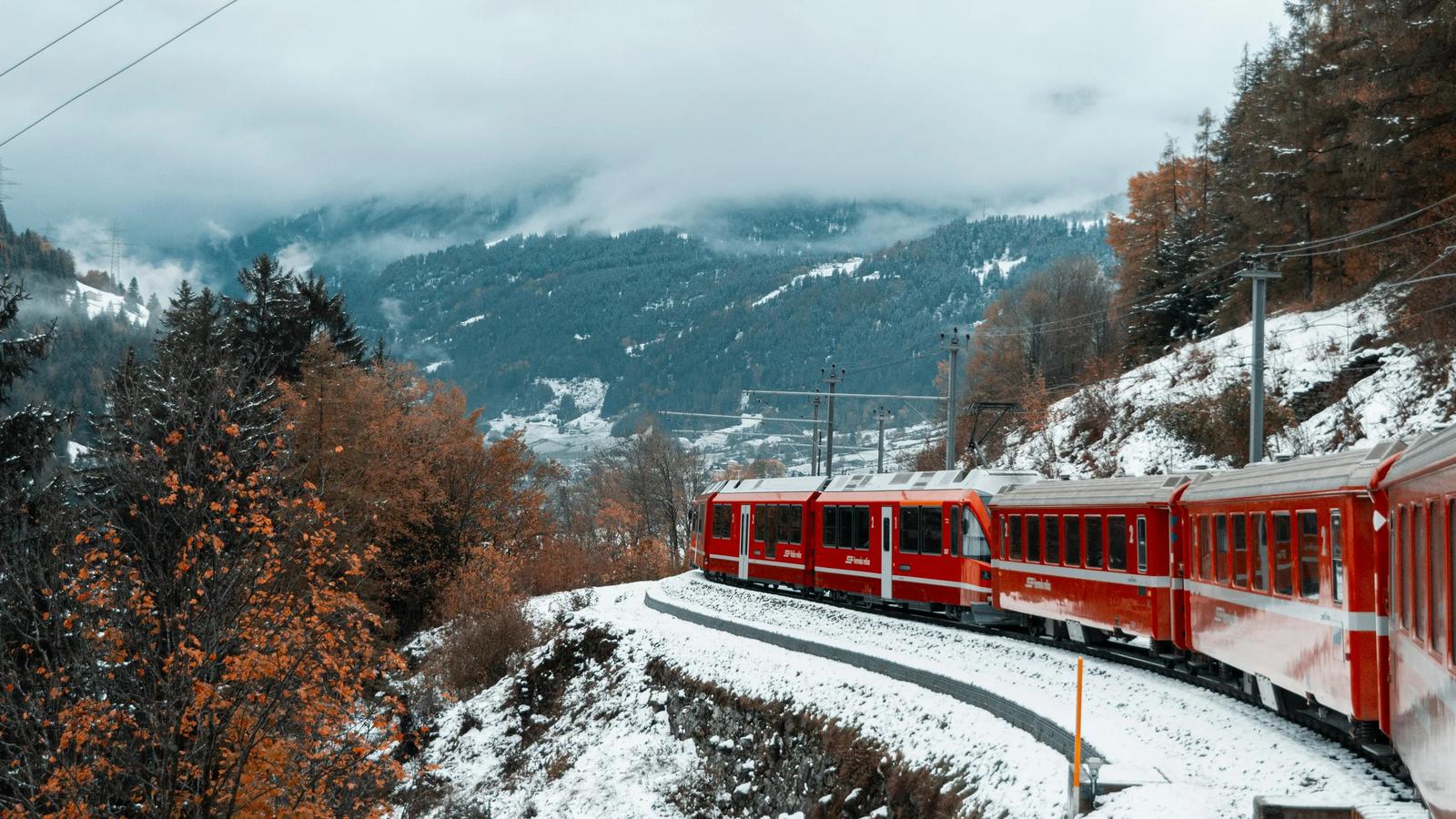
Swiss trains are one of the easiest and most scenic ways to explore the country. The rail network connects big cities, lakeside towns and tiny Alpine villages with frequent, punctual services. The only confusing part for visitors is the ticket and pass system. In this guide we unpack how regular tickets, Supersaver tickets, Saver Day Passes and the Swiss Travel Pass work, what they cost and when it makes sense to use online aggregators versus official rail apps.
Key takeaways
- Trains are frequent and punctual – major cities are connected every 30–60 minutes with minimal delays.
- One integrated system – one ticket often covers trains, buses, trams and boats within the chosen zones or route.
- Tickets are pricey but discounts are strong – Supersaver tickets and Saver Day Passes can cut costs by up to about 50 % if bought in advance.
- Rail passes are great for active itineraries – Swiss Travel Pass and Swiss Half Fare Card often pay off in 3–5 busy travel days.
- Kids often travel for little or no extra cost – family cards let children ride free or with big discounts when travelling with parents.
- Airport–city links are easiest by train – frequent services run from Zurich Airport and Geneva Airport directly to the city centres.
- Booking is easiest online – via official apps and other digital tools, you rarely need a paper ticket.
How the Swiss rail system works
Switzerland has a very dense rail network: it’s easy to travel by train from Zurich to Geneva, from Lucerne to Interlaken or from St. Moritz to Zermatt with smooth connections along the way. Timetables of various regional operators are coordinated, so transfers are usually short and well-timed.
Main train types:
- IC / EC (InterCity, EuroCity) – fast trains between major cities.
- IR (InterRegio) – slightly slower but still comfortable.
- Regional and S-Bahn trains – suburban and local services around cities and rural areas.
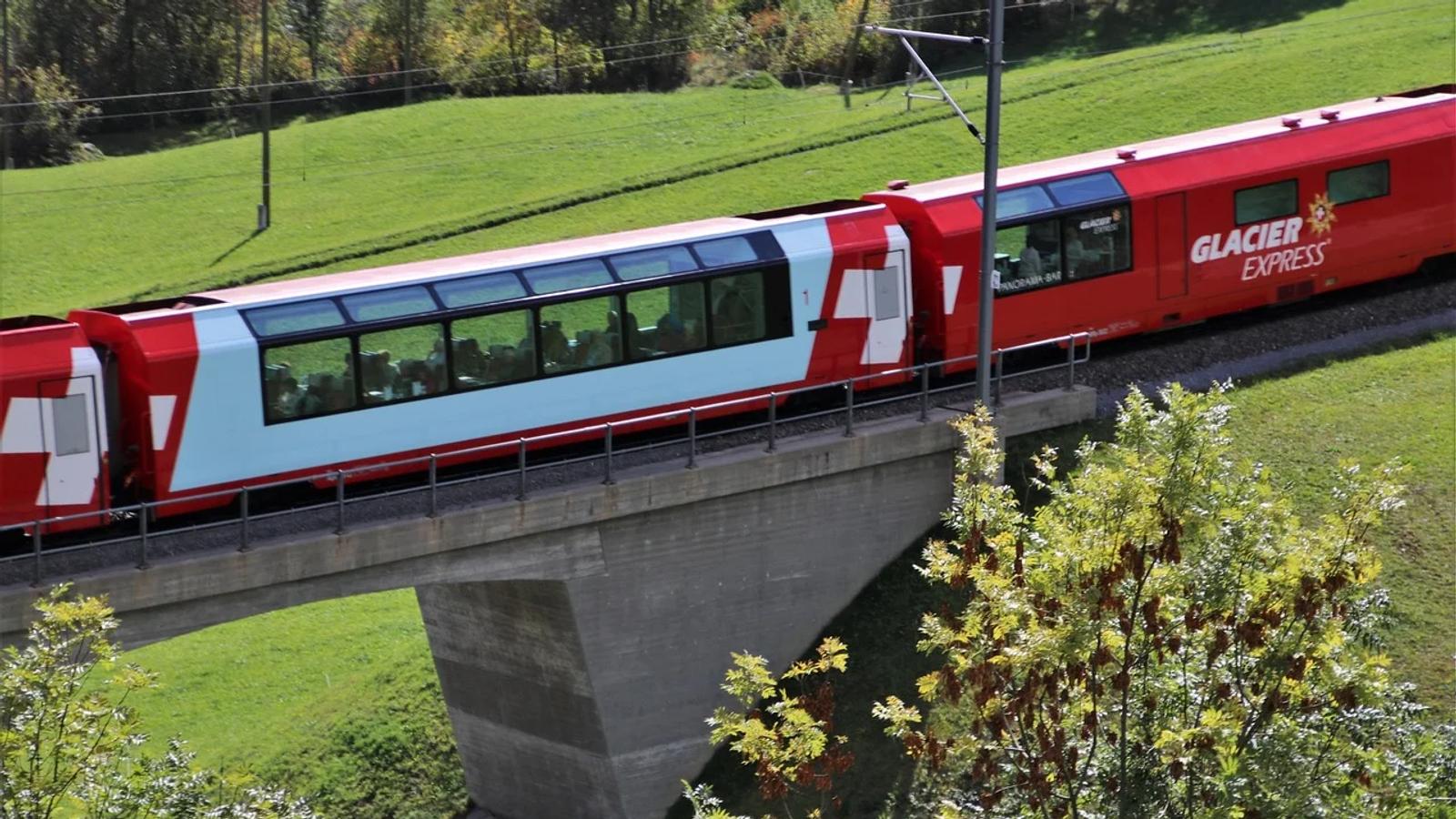
There is also a category of scenic tourist trains: Bernina Express, Glacier Express, GoldenPass and various mountain lines to places like Jungfraujoch and Pilatus. These often require a paid seat reservation on top of any ticket or pass.
Types of routes and trains
Classic intercity routes
These routes are served mainly by IC and IR trains and usually don’t require reservations.
Scenic trains
- Glacier Express – Zermatt to St. Moritz, a slow but spectacular Alpine route.
- Bernina Express – a UNESCO-listed line with viaducts and glacier views.
- GoldenPass – a scenic corridor linking Lucerne, Interlaken and Montreux.
On these tourist trains a seat reservation is usually compulsory, even if you hold a Swiss Travel Pass or another rail pass.
Where and how to buy tickets
You can buy tickets in several ways:
- Official mobile rail app – search routes, compare options (standard, Supersaver, Saver Day Pass) and pay in a couple of taps.
- Ticket platforms like Omio – helpful if you want to compare different operators and also look at buses or other modes in one interface.
- Ticket machines at stations – English and other languages available, card payments accepted.
- Ticket counters – handy for complex itineraries, specific rail passes or larger groups.
Ticket types:
- Standard point-to-point ticket
- Valid on the selected date for the chosen route, usually not tied to a specific train.
- You can take any train on that route within the ticket’s validity.
- Supersaver Ticket
- Discounted ticket (up to about 50 % off) tied to a specific train and departure time.
- Cheaper but inflexible: if you miss the train, the ticket is lost.
- Saver Day Pass
- One-day pass for most of the national rail and public transport network.
- Dynamic pricing: the earlier you buy, the cheaper it usually is.
- City zone tickets
- In metropolitan areas like around Zurich, fares are zone-based: you choose zones and duration (1 hour, day pass, etc.), then use any mode of transport within those zones.
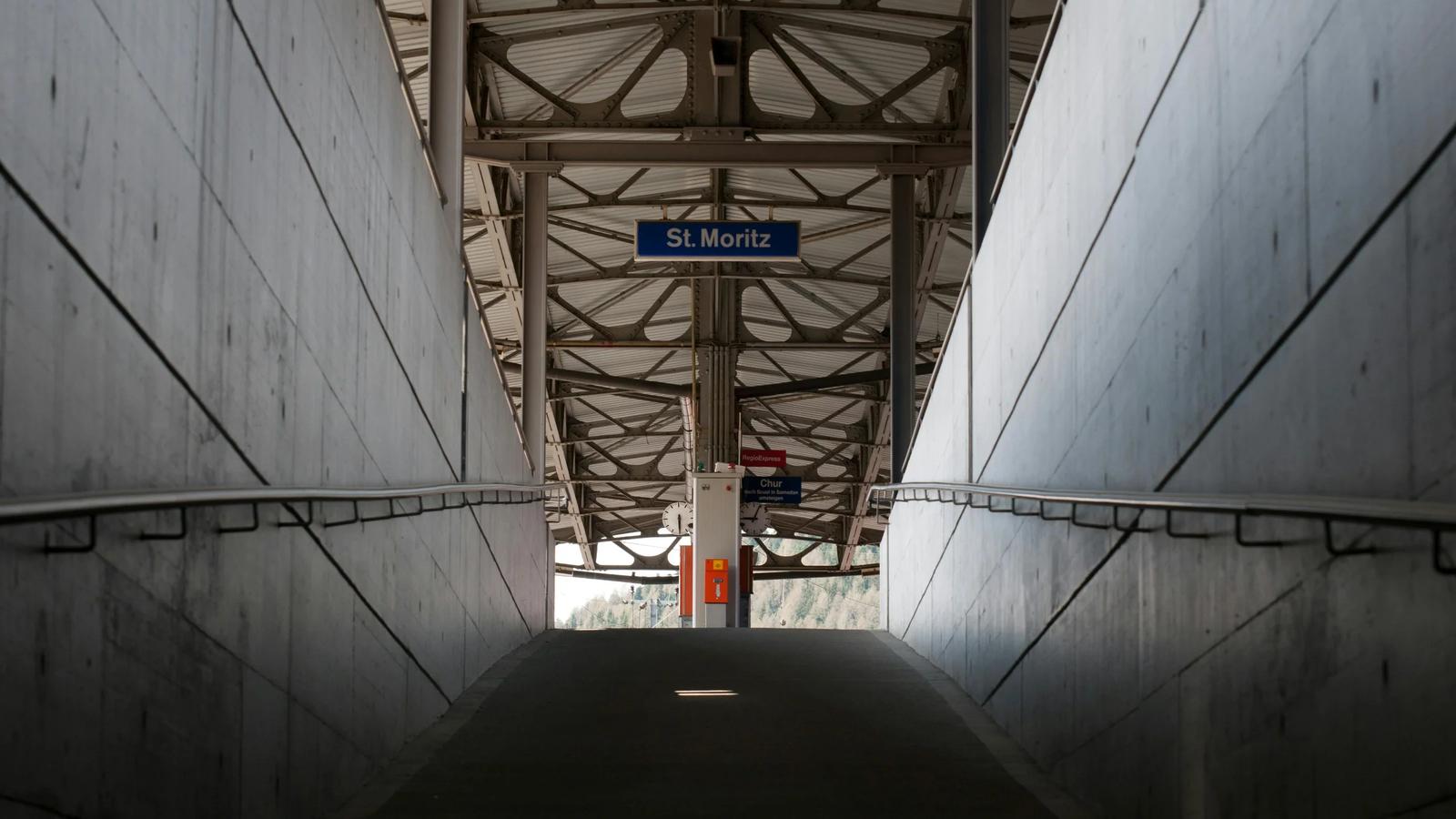
Main rail passes for visitors
To avoid buying separate tickets all the time, many travellers opt for a pass.
Swiss Travel Pass
The classic tourist pass for visitors:
- Valid for 3, 4, 6, 8 or 15 consecutive days.
- Offers unlimited travel on most trains, many buses and boats.
- Includes free entry to many museums and discounts on mountain lifts.
- Adult 2nd-class passes start at roughly 250 CHF for 3 days, and around 420 CHF for 8 days (about 260 USD / 240 € and 440–450 USD / 400 € respectively, depending on exchange rates).
The Swiss Travel Pass is usually worth it if you plan lots of travelling: at least 3–4 city-to-city journeys plus one or two mountain excursions.
Swiss Travel Pass Flex
A more flexible version:
- Same 3, 4, 6, 8 or 15 days, but you can choose the travel days within one month instead of travelling on consecutive days.
- Costs slightly more than the regular pass, but great if your trip has rest days or slower city days between long rides.
Swiss Half Fare Card
A favourite for budget-conscious travellers:
- Validity – 1 month.
- Gives 50 % off on most trains, much of local public transport and many mountain railways.
- Often cheaper overall than a big unlimited pass if you have fewer but longer train trips and are happy to mix in Supersaver tickets and Saver Day Passes.
Regional passes
Dozens of regional passes exist for areas like Lake Lucerne, the Interlaken & Jungfrau region, Montreux and Lake Geneva and more. They typically offer:
- unlimited travel on local trains, buses and boats;
- discounts on mountain railways;
- free or discounted lifts.
They are worth considering if you spend 2–4 full days in one region and intend to explore it intensively.
Planning routes across cities and the Alps
Planning Swiss rail travel can be broken into a few steps:
- Choose your base – for example Zurich, Lucerne or Interlaken.
- Map out key journeys – say Zurich → Lucerne → Interlaken → Zermatt.
- Compare what’s cheaper – separate tickets using Supersaver offers, one or two Saver Day Passes on heavy travel days, or a full Swiss Travel Pass. Online route-comparison tools are handy to get a first idea, then you can double-check prices in official apps.
- Factor in mountain segments – trips to places like Jungfraujoch or Pilatus can cost as much as long intercity rides. If you plan several such excursions, a Swiss Travel Pass or regional pass often saves money.
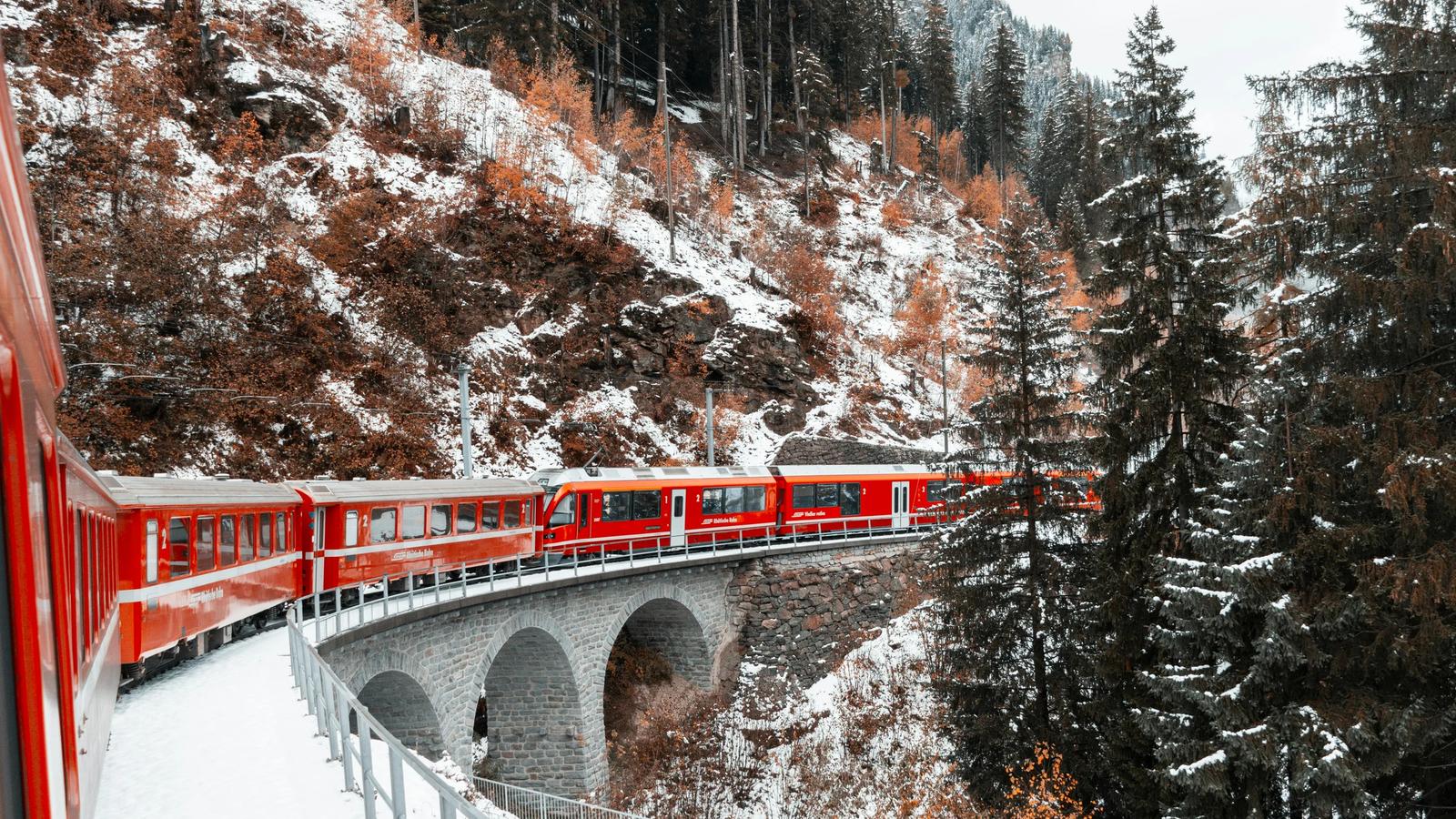
Airport and ski-resort trains
Airports
- From Zurich Airport to Zurich main station, trains run every few minutes and take about 10–15 minutes.
- From Geneva Airport to Geneva, the ride is around 7 minutes with frequent departures.
These rides are usually treated as normal public-transport journeys in the relevant zones, so they’re covered by Swiss Travel Passes, Saver Day Passes and many regional tickets.
Ski resorts
- For Zermatt, you take the train to Täsch and then a cogwheel train up to the car-free village.
- To reach St. Moritz, routes via Chur often include parts of scenic lines.
- The Interlaken area is a gateway to many mountain railways and ski areas with frequent trains and narrow-gauge lines.
Prices for Swiss trains (updated: November 2025)
The figures below are ballpark numbers to help you budget. Exact fares depend on date, demand and exchange rates.
City public transport (based on cost-of-living data)
- Single ticket for local public transport, 2nd class: roughly 3.5–6.3 USD per ride (about 3–6 €), depending on city and zones.
- Monthly public transport pass: roughly 88–225 USD (around 85–210 €), depending on city and coverage.
Intercity trains
- Standard 2nd-class fares between major cities typically range from 25–30 CHF for short hops up to 70–90 CHF for longer routes.
- Supersaver tickets can give up to about 50 % off the regular price if you book early and commit to a specific departure.
Saver Day Pass
- Lowest prices for 2nd class start around 50–55 CHF when bought well in advance and increase as the date approaches.
- With a Swiss Half Fare Card, minimum prices can be lower (around 30 CHF).
Swiss Travel Pass (adults, 2nd class)
- 3-day pass – from roughly 250 CHF (about 260 USD / 240 €).
- 8-day pass – around 420 CHF (roughly 440–450 USD / 400 €).
Use these ranges as a planning tool rather than exact quotes; always check current prices for your dates before buying tickets or passes.
Practical tips for train travel in Switzerland
- Book saver products early – Supersaver tickets and Saver Day Passes are cheapest when purchased well in advance.
- Avoid peak commuter hours – if possible skip weekday rush hours (7–9 am and 4–6 pm) for a calmer ride.
- Install the official rail app or use Omio as an extra tool to compare routes and see combined train–bus options in English.
- Check transfer times – 5–8 minutes is usually enough in Switzerland, but if you have kids or heavy luggage, build in more margin.
- Go digital – keep tickets and passes on your phone; inspectors scan QR codes, paper is rarely necessary.
- Validate where required – some regional or paper tickets need to be stamped before boarding.
- Use luggage racks – store big suitcases in the luggage areas near doors so aisles stay free.
FAQ about Swiss trains
Can I just board and buy a ticket from the inspector?
Generally no. You’re expected to buy a ticket before boarding (via app, machine or at the counter). Travelling without a ticket can result in a substantial fine.
Do I need a seat reservation?
Not on most regular IC, IR and regional trains. Reservations are mainly required for scenic tourist trains like the Glacier Express and Bernina Express, and sometimes recommended at peak times.
Do kids travel free?
Children under 6 often ride free without their own ticket. For older kids there are family cards that let them travel free or at very low cost when accompanied by an adult – a good deal for family trips.
Should I get a Swiss Travel Pass or a Half Fare Card?
If you plan intensive travel – new destinations almost every day, plus mountain excursions – the Swiss Travel Pass is simpler and often better value. If your plan is a few big train rides plus relaxed city days, a Swiss Half Fare Card combined with Supersaver tickets and Saver Day Passes is usually cheaper.
Do I still need to book train tickets if I have a Swiss Travel Pass?
For normal IC/IR trains you can just board; your pass acts as your ticket. You only need extra reservations (and sometimes surcharges) on certain scenic trains and some special services.
Summary
Swiss trains make it effortless to combine cities, lakes and high mountains in one trip. Once you understand the difference between standard tickets, Supersaver offers, Saver Day Passes and the main rail passes, it becomes much easier to match your ticket strategy to your itinerary and budget. Spend a bit of time planning routes, rely on official apps and add tools like Omio – Omio where they genuinely help, and Switzerland’s rail network will feel like a fast, scenic moving sidewalk for your whole vacation.
Sources:
Swiss Federal Railways – Swiss Travel Pass information
Swiss Federal Railways – Supersaver tickets and saver offers
Swiss Federal Railways – Saver Day Pass overview
Zurich public transport – ticket information (Zurich Tourism)
Compare train routes and tickets (Omio)
Places to see in Switzerland

You may also like
Taxi Prices in Switzerland: CHF Fares and Trip Examples
There is no single Swiss taxi fare: compare official Geneva and Basel caps and learn how to check the price before boarding.
December 20, 2025
Basel Airport to City Center: Transport Options, Tickets and Prices
A practical guide from Basel Airport to the city center: Bus 50 to Basel SBB, taxis and private transfers, car rental, ticket tips, and updated prices.
December 14, 2025
Train vs Car in Switzerland: What’s Better for Tourists?
A practical comparison of trains and rental cars in Switzerland: costs, time, convenience, parking, passes, and when it makes sense to mix both for the same trip.
December 19, 2025
How to Get to Zermatt – Train, Parking, Transfers
A practical guide to reaching Zermatt: train routes from Swiss airports and cities, where to park in Täsch, and how transfers work for a car-free resort.
December 19, 2025
Switzerland in December: weather, Christmas markets and where to spend Christmas and New Year
What Switzerland is like in December, where to enjoy Christmas markets, which cities and ski resorts are best for Christmas and New Year, prices, transport, insurance and useful travel tips.
December 03, 2025
Geneva Airport to City Center: Train, Bus, Taxi, Prices
A practical, step-by-step guide to get from Geneva Airport to the city center by train, bus, or taxi – with updated prices, ticket tips, and the easiest options for late arrivals.
December 14, 2025