Blog · Insurance
Healthcare in Qatar for Tourists: How Much Does a Doctor Visit Cost Without Insurance
 Insurance
In this article
- 01Mandatory Insurance: What It Covers and What It Does Not
- 02How Much a Doctor Costs: Actual Numbers
- 03Ambulance and Emergency Services
- 04Pharmacies: What You Can Buy and How Much It Costs
- 05Common Tourist Health Issues
- 06How to Save on Medical Costs
- 07Comparison: Private Clinic, HMC, and Pharmacy
- 08Frequently Asked Questions
- 09Conclusion
Some links are affiliate links. You pay the same, and we may earn a commission.
Doctor visit costs in Qatar without insurance, how mandatory visitor health insurance works, prices at private and public clinics in Doha, pharmacies and emergency services.
A general practitioner consultation at a private clinic in Doha costs tourists 70–110 $, while a specialist visit runs 110–190 $. These are out-of-pocket prices and do not include lab work or imaging, which are billed separately. Since 2023, Qatar requires all foreign visitors to carry mandatory health insurance as part of the visa process – and in an emergency, that policy covers the main expenses. Here is how the system actually works, what you will still pay for, and where to find help.
Key Facts
- Insurance is mandatory. No policy means no visa and possibly no boarding. The basic plan costs 50 QAR (≈ 14 $) for 30 days and covers only emergencies and accidents.
- Coverage limit: 150,000 QAR (≈ 41,000 $). This is the maximum for emergency medical care under the basic policy. Chronic conditions, dental care, and routine check-ups are not covered.
- Private vs public hospitals. Tourists can use both, but Hamad Medical Corporation public hospitals introduced separate fee schedules for foreign visitors in October 2023.
- Pharmacy consultants as first aid. For minor issues (colds, stomach trouble), every pharmacy has a pharmacist who can recommend medication. This is faster and cheaper than a clinic visit.
- Emergency number: 999. Ambulance dispatch is free, and patients are taken to Hamad General Hospital by default. Request a private hospital if preferred.
- Medication restrictions apply. Some common over-the-counter drugs from other countries are classified as controlled substances in Qatar. Bring prescriptions and a doctor's letter for any medication you carry.
- Travel insurance from EKTA starts at 7 $ for 7 days. Extended sport and adventure coverage starts at around 37 $.

Mandatory Insurance: What It Covers and What It Does Not
Since February 1, 2023, all tourists must purchase a policy from a Ministry of Public Health–approved insurer. Without it, visas are not issued and airlines may deny boarding.
What the basic 50 QAR/month policy includes:
| Coverage | Limit |
|---|---|
Emergency medical care and accidents | Up to 150,000 QAR (≈ 41,000 $) |
Emergency transportation (ambulance, evacuation) | Up to 35,000 QAR (≈ 9,600 $) |
COVID-19 treatment | Up to 50,000 QAR (≈ 13,700 $) |
Repatriation of remains | Up to 10,000 QAR (≈ 2,750 $) |
Important: The basic Qatar policy does not cover: routine doctor visits, dental care, chronic condition flare-ups, elective lab tests, or any non-emergency procedure. If you take regular medication or have pre-existing conditions, you need supplementary international coverage.
This is why many travelers purchase a second policy through international insurers. For full details, see Insurance for Qatar.
How Much a Doctor Costs: Actual Numbers
Private Clinics in Doha
| Service | Cost |
|---|---|
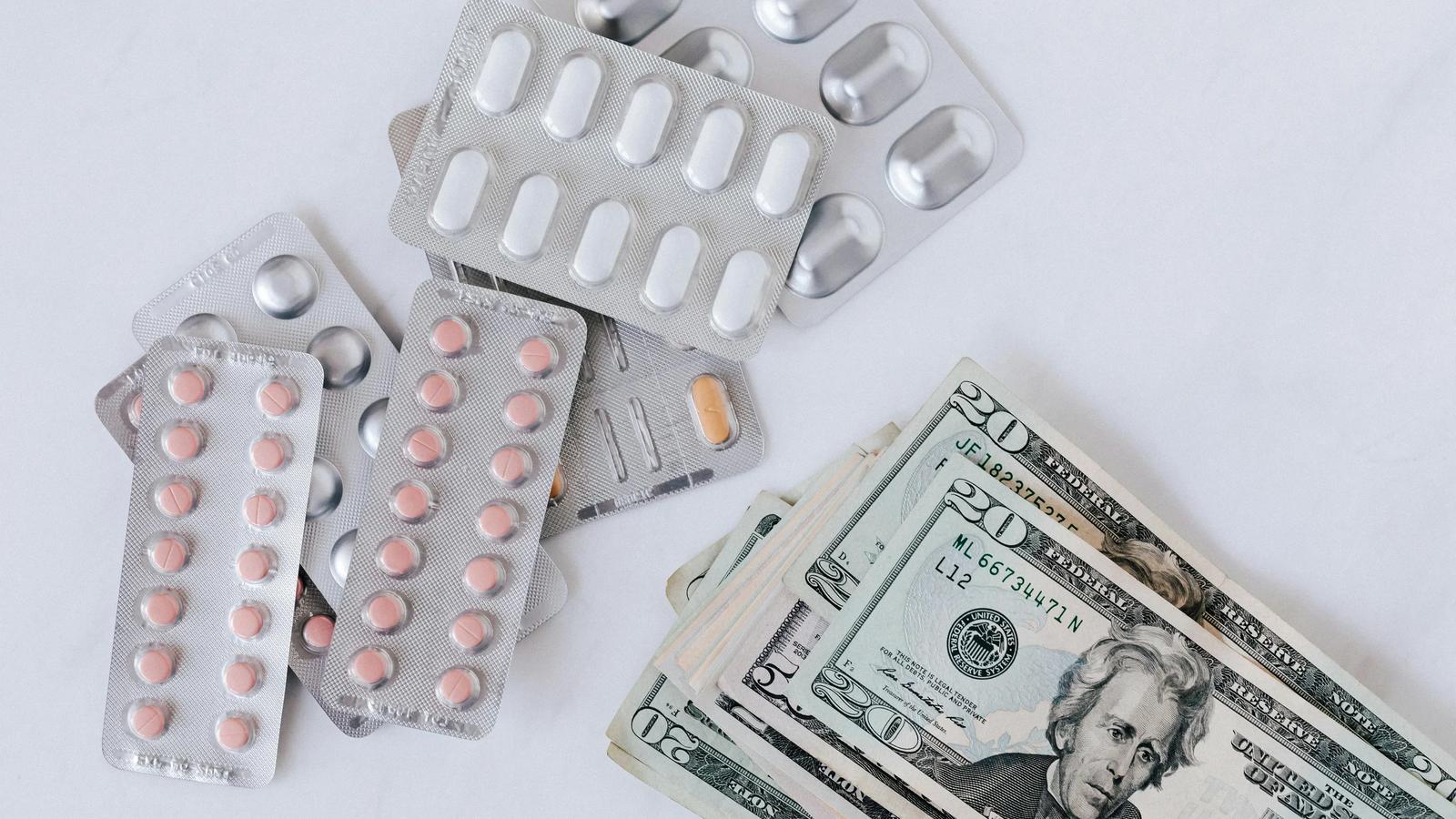
GP consultation | 70–110 $ |
Specialist consultation | 110–190 $ |
Dentist (exam + basic treatment) | 135–825 $ |
ECG (at public facility) | ≈ 57 $ (207 QAR) |
Basic lab panel | 50–150 $ |
X-ray / ultrasound | 80–250 $ |
Hospital stay (per day) | 825–6,850 $ |
Prices at Doha private clinics vary significantly. Al Ahli Hospital, Doha Clinic Hospital, and Al Emadi Hospital are mid-range private facilities where consultations start from 100–300 QAR. Premium institutions like The View Hospital or Aman Hospital charge considerably more but offer five-star hospitality standards.
Public Hospitals (HMC)
Hamad Medical Corporation operates 12 hospitals across the country, including the flagship Hamad General Hospital in Doha. Since October 2023, visitors without a Qatar Health Card pay published tariffs:
- Pharmacy items are charged at 20% of medication cost.
- Surgical and inpatient procedures follow a fee schedule that can reach hundreds of thousands of QAR for complex operations.
- Emergency cases are treated without question – costs are covered by mandatory insurance (up to the policy limit).
The main advantage of public hospitals is world-class emergency care. Hamad General specializes in trauma, stroke, and cardiology. Private clinics are better suited for planned visits: next-day appointments, no queues, and English-speaking physicians.
Ambulance and Emergency Services
Emergency number: 999. Operators speak English and Arabic. Response times are fast: the service operates over 167 vehicles and helicopters for critical evacuations. Patients are transported to Hamad General Hospital by default – specify your preference if you want a private facility.
For urgent but non-life-threatening situations (fracture, deep cut), call 16000 for a phone consultation with a doctor, available daily from 07:00 to 23:00. The doctor can refer you to the nearest 24-hour PHCC urgent care facility.
Note: All healthcare facilities in Qatar require identification. Without a passport (or a copy), non-emergency treatment may be refused. Always carry a copy of your passport and a printout of your insurance policy.
Pharmacies: What You Can Buy and How Much It Costs
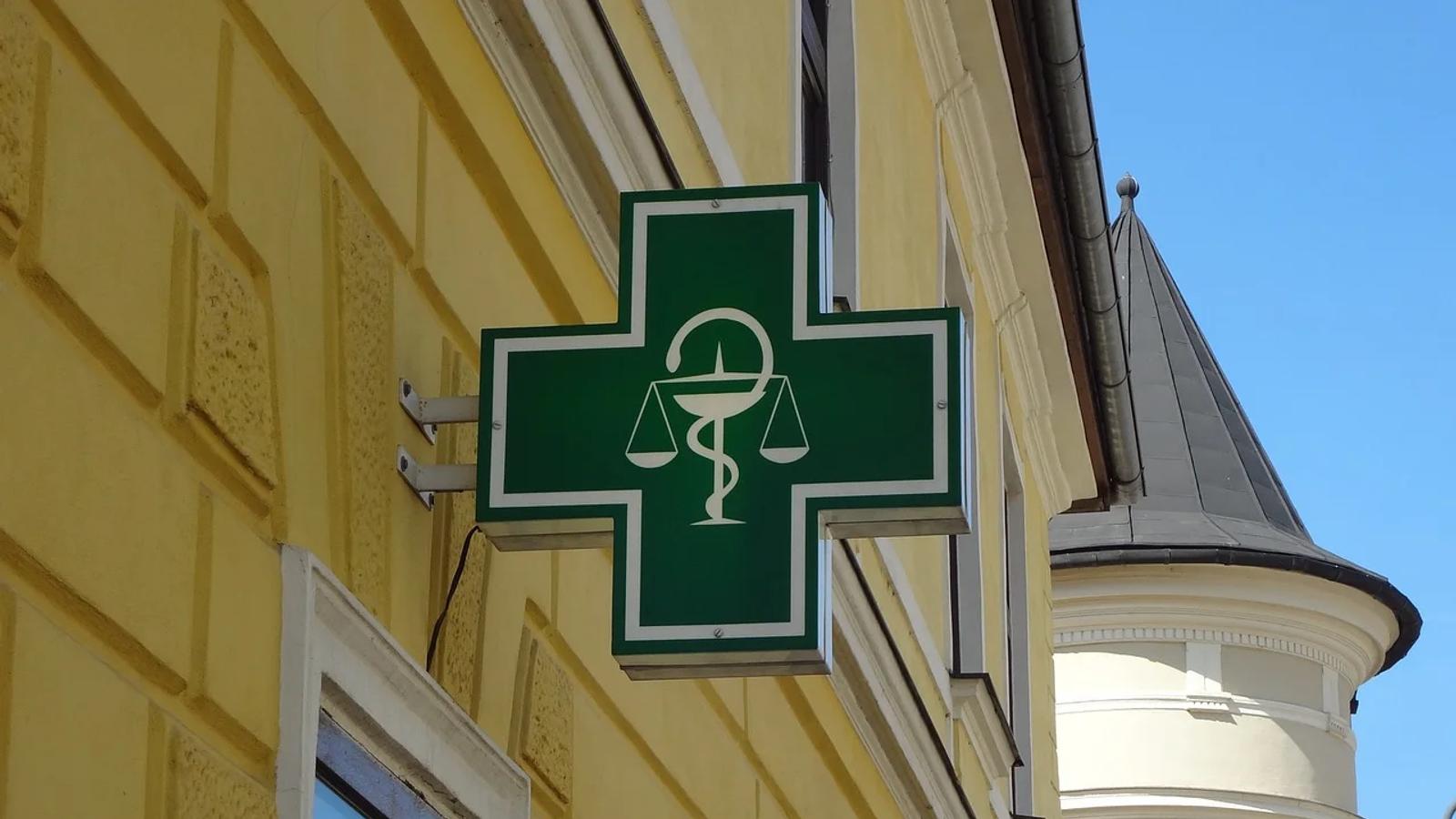
Pharmacies in Doha are easy to find – near malls, at hospitals, and in residential areas. Some operate 24/7. Basic over-the-counter medication (paracetamol, ibuprofen, antihistamines) costs 2–5 $.
Three things every tourist should know about pharmacies in Qatar:
In-house pharmacist. Every pharmacy has a pharmacist who can help with colds, allergies, or digestive issues. This is faster and cheaper than a clinic visit.
Controlled substances. Codeine, tramadol, certain sedatives and psychotropic drugs are strictly controlled. If you need to bring prescription medication into Qatar, prepare: the original packaging, a prescription, and a stamped letter from your doctor in English stating the diagnosis, drug name, dosage, and treatment duration. Without these, your medication may be confiscated at the border.
Drug names vary. Brand names in Qatar differ from those in other countries. Write down the International Nonproprietary Name (INN) of your medication – pharmacists can quickly find the local equivalent.
Common Tourist Health Issues
Qatar's climate is the primary risk factor. Here is what to prepare for:
Dehydration and heatstroke. Summer temperatures (June–September) reach 45–50 °C. Even winter daytime temperatures can hit 25–30 °C. Drink at least 3 liters of water daily and avoid prolonged sun exposure.
Skin problems. Dry air, dust, and intense UV radiation cause flaking, irritation, and dermatitis flare-ups. Moisturizer and SPF 50+ sunscreen are essential.
Eye issues. Conjunctivitis and dry eyes are frequent complaints among visitors. Pack lubricating eye drops.
Stomach upset. Tap water in Qatar is desalinated seawater and technically safe, but may cause an unfamiliar reaction. Bottled water is recommended – a 1.5-liter bottle costs about 0.50 $.
How to Save on Medical Costs
Get comprehensive insurance before you travel. The basic Qatar policy at 14 $ covers only emergencies. An international policy through EKTA starts from 7 $ for 7 days (START plan) and goes up to 42 $ (MAX+ for leisure travel). Adventure activity coverage (dune bashing, water sports) starts from 37 $ (GOLD).
Pack a travel medical kit. Paracetamol, antihistamines, anti-diarrheal medication, lubricating eye drops, and sunscreen. All of this is easier and cheaper to bring from home.
Use telemedicine. The 16000 hotline offers free phone consultations. Some private hospitals (Aman Hospital) provide video consultations at lower rates than in-person visits.
Do not delay treatment. A neglected problem = hospitalization = a bill in the thousands. Handle minor issues at a pharmacy, moderate ones via telemedicine, and serious ones at a clinic under insurance.
Comparison: Private Clinic, HMC, and Pharmacy
| Where to go | Cost | Wait time | When to choose |
|---|---|---|---|
Pharmacy (pharmacist) | 2–10 $ | 5–10 minutes | Colds, allergies, stomach trouble |
Telemedicine (16000) | Free | 10–30 minutes | Need advice, no physical exam required |
Private clinic | 70–190 $ | Next-day appointment | Need examination, lab tests, serious prescription |
HMC (ambulance / emergency) | Covered by insurance | Depends on severity | Trauma, acute pain, life-threatening situations |
Frequently Asked Questions
1. Can I see a doctor in Qatar without insurance? Yes, private clinics will accept uninsured patients – but all costs come out of pocket. A GP visit runs 70–110 $, a specialist from 110 $. At HMC public hospitals, uninsured visitors are treated only in genuine emergencies.
2. How much does the mandatory visitor health insurance cost? 50 QAR (≈ 14 $) for 30 days. The policy is purchased online from approved insurers before travel. For visa-on-arrival stays under 30 days, the insurance is not formally required but strongly recommended by the Ministry of Public Health. Extensions beyond 30 days require a policy.
3. Does the mandatory insurance cover dental visits? No. The basic policy covers only emergencies and accidents. Dental care, routine check-ups, and chronic condition treatment must be paid out of pocket. For comprehensive coverage, purchase supplementary international insurance.
4. What medications are restricted in Qatar? Controlled substances include codeine-based drugs, tramadol, certain benzodiazepines, and psychotropic medications. To bring prescription medication into Qatar, carry the original packaging, a prescription, and a doctor's letter in English specifying the diagnosis, medication name, dosage, and treatment duration. Check the Qatar Ministry of Public Health website for the current list of controlled substances.
5. Will my international insurance work in Qatar? It depends on your policy. Qatar recognizes international insurance if it is issued by an approved or recognized provider, covers Qatar specifically, is valid for the entire duration of your stay, and includes emergency medical coverage with a minimum limit of 150,000 QAR. Check with your insurer before traveling. The simplest approach is to buy the mandatory Qatar policy for 14 $ and supplement it with international coverage for full protection.
Conclusion
Healthcare in Qatar is high-quality and expensive. The mandatory basic insurance at 14 $ covers emergencies, but everything else – from routine GP visits to dental care – comes out of pocket. The optimal strategy: purchase the mandatory Qatar policy + international insurance through EKTA + pack a medical kit before departure. This approach protects against any medical bills while minor issues can be resolved at the nearest pharmacy for a few dollars.
Read Also
- Insurance for Qatar
- Safety in Qatar: rules, cameras, and fines travelers should know
- What to Eat in Qatar: Traditional Dishes, Street Food, Desserts and Drinks
- What to Wear in Qatar: Dress Code Do's and Don'ts for Tourists
Sources
- Ministry of Public Health Qatar – Mandatory Health Insurance Scheme
- Hamad Medical Corporation – Visitor Insurance Information
- UK Government – Qatar Travel Health Advice
- Qatar Official Gazette – Medical Treatment Fees (Resolution No. 28-29, 2023)
You may also like

Tax Free in Qatar: Is There a Tourist VAT Refund and How to Save on Shopping
Does Tax Free exist in Qatar, can you claim a VAT refund at Hamad Airport, and where to shop smart – Duty Free, Doha malls, and comparison with the UAE.
February 12, 2026
Internet for Digital Nomads in Doha: Coworking Spaces, Wi-Fi Cafés and VPN Requirements
Where to work remotely in Doha: coworking spaces with prices, cafés with fast Wi-Fi, 5G mobile internet, blocked services, and VPN setup for calls in Qatar.
February 14, 2026
What to Bring from Qatar: Souvenirs, Gifts and Smart Buys in Doha
Practical guide to Qatar souvenirs – oud perfume, spices, pearls, dates, gold and Arabic crafts. Prices, where to shop and how to avoid overpaying at Souq Waqif in Doha.
February 24, 2026
Safety in Qatar: rules, cameras, and fines travelers should know
A practical guide to staying out of trouble in Qatar: public conduct rules, privacy and filming, traffic cameras and radars, common fines, and smart habits for tourists.
January 13, 2026
Alcohol in Qatar for Tourists: What’s Allowed, What’s Not, and How to Stay Out of Trouble
A practical guide to alcohol rules in Qatar for tourists: where you can legally drink, what gets you in trouble, whether you can bring alcohol in, and what to expect price-wise in licensed venues.
January 23, 2026
Long Layover in Doha (8–24 Hours): Step-by-Step Plan to Visit the City and Return to the Airport
How to spend a long layover in Doha: free transit visa, metro to the city, Souq Waqif, Museum of Islamic Art, and getting back to Hamad Airport on time.
February 12, 2026