
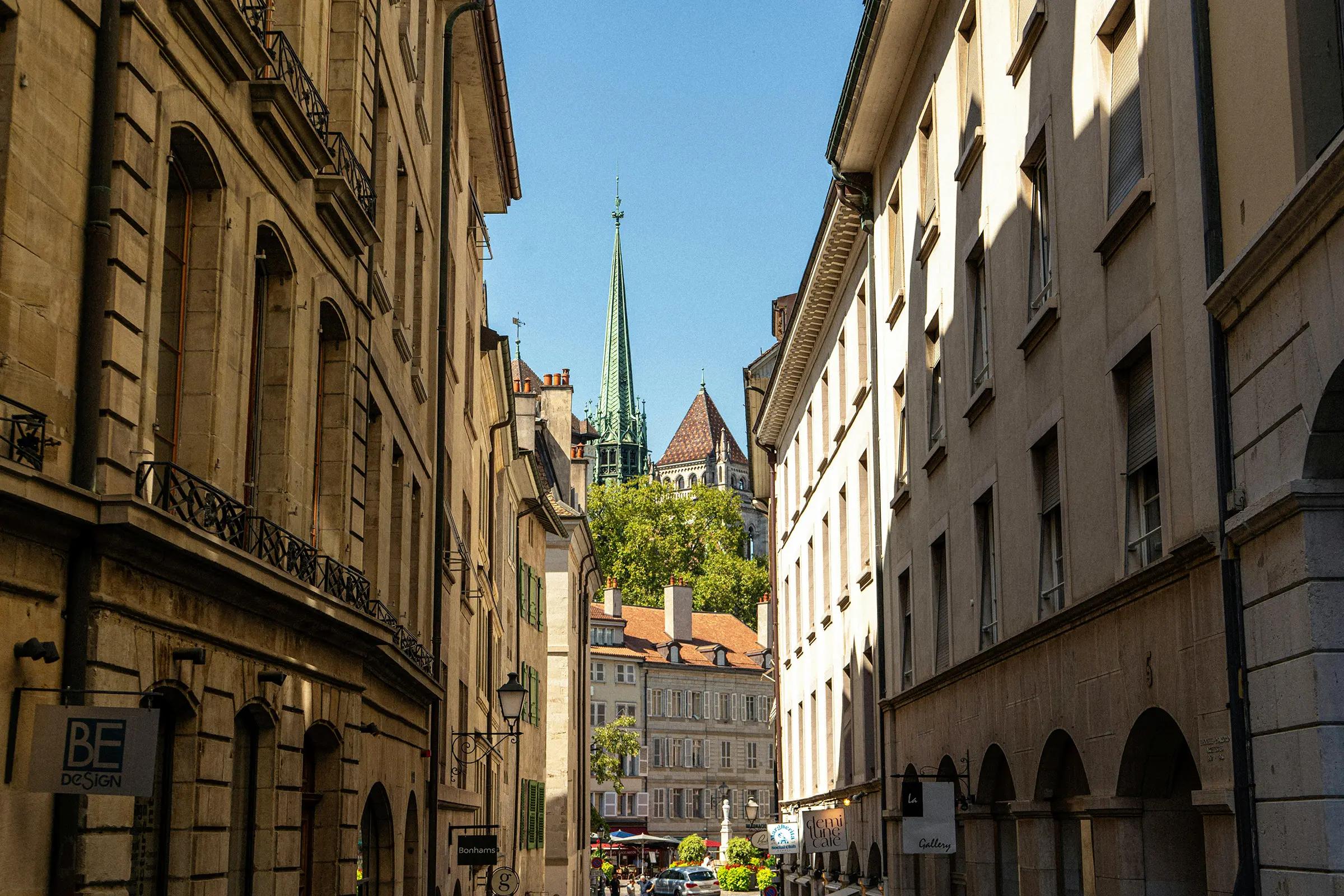
Geneva Old Town
Vieille Ville Genève
The most atmospheric part of Geneva – a maze of cobbled streets and centuries-old faсades.
About
Perched on a hill, Geneva’s Old Town is the historical core of the city. It’s home to St. Peter’s Cathedral, the Maison Tavel (Geneva’s oldest house), charming squares, museums, galleries, and vintage shops. Wandering its narrow lanes is like stepping back in time, with every stone echoing the city’s Reformation roots, Swiss independence, and European cultural heritage.
Transport
Travel time
On foot from Geneva center17–25 min.2 km
By car from Geneva5 min.2 km
From the airport Bern · BRN2 h 10 min.130 km
On the map
Location
In detail
What's here
What is this place
Geneva’s Old Town is Switzerland’s largest historic centre, crowning the hill around St. Peter’s Cathedral above the harbour where the Rhône leaves the lake. Its cobbled lanes, courtyards and museums trace a path from Roman and medieval roots through the Reformation to the rise of modern international law.
Key features
- St. Peter’s Cathedral with the archaeological site beneath the choir – layers from a Celtic-Roman settlement and early Christian buildings; towers with citywide views.
- Maison Tavel – Geneva’s oldest residence; the urban-history museum with the giant c. 1850 “Relief Magnin” city model.
- Place du Bourg-de-Four – the medieval market square with an 18th-century fountain.
- Promenade de la Treille – the world’s longest wooden bench ≈120 m and the “official chestnut tree”, whose first leaf has marked spring since 1818.
- Hôtel de Ville – the Alabama Room: the 1864 First Geneva Convention was signed here, and the 1872 Alabama Claims award was issued.
What to see
- St. Peter’s Cathedral: climb the towers and visit the archaeological trail beneath the church.
- Tavel House with the “Relief Magnin” model and the city-history displays.
- Place du Bourg-de-Four, nearby Ancien Arsenal with historic cannons and three mosaics by Alexandre Cingria (1949), plus the Treille Promenade with its long bench.
History
The Saint-Pierre hill held a Gallo-Roman settlement; by the 4th century it was the seat of a bishop, around which the medieval town grew. Between the 13th–15th centuries, the Old Town densified and Bourg-de-Four emerged as a market hub.
From 1536, Geneva embraced the Reformation; under Calvin it became a centre of the Reformed world. The 1602 “Escalade” night cemented independence from Savoy.
In modern times, Geneva was annexed by France in 1798, regained independence in 1813, and joined the Swiss Confederation in 1815. At the Hôtel de Ville the First Geneva Convention was signed in 1864, and in 1872 the “Geneva” arbitration on the Alabama Claims set a milestone in international dispute settlement.
Practical information
Location: On the hill around Cathédrale Saint-Pierre between the Rhône quays and Parc des Bastions.
Getting there: trams 12, 17 and buses to Place de Neuve; trams 12, 14, 18 to Molard/Rive; from the lakefront, walk up via ramps and stairs.
Access: Cobbles and slopes; partial step-free routes exist. Cathedral towers – stairs only.
Visiting hours: Quarter open 24/7. Individual sites (cathedral, archaeology, museums) keep their own schedules.
Visit duration: 2–3 hours for the main loop; 3–4 hours including tower climb and museums.
Best time: Weekday mornings; spring and autumn for soft light; in March watch for the Treille chestnut’s “first leaf”.
Notes: Many museums close on Mondays; most shops close on Sundays. Surfaces can be slippery after rain.
Geneva Old Town
Articles about this place
Nearby
Nearby attractions

136 m
International Museum of the Reformation
Musée International de la Réforme155 m
Maison Tavel
Maison Tavel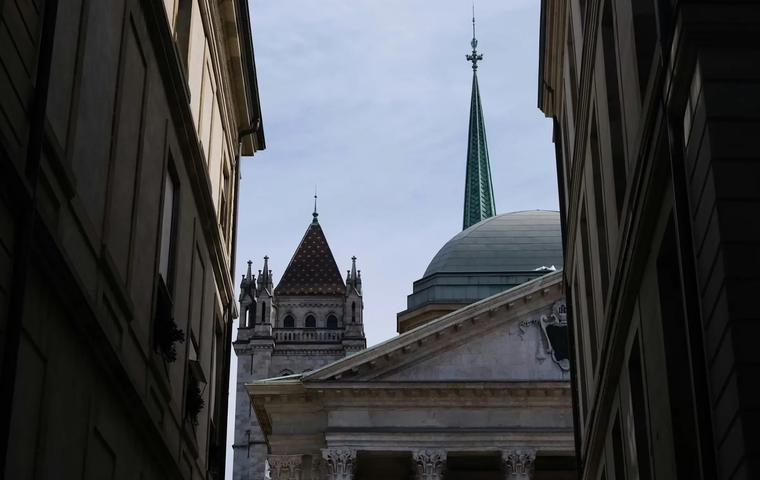
186 m
St. Peter’s Cathedral
Cathédrale Saint-Pierre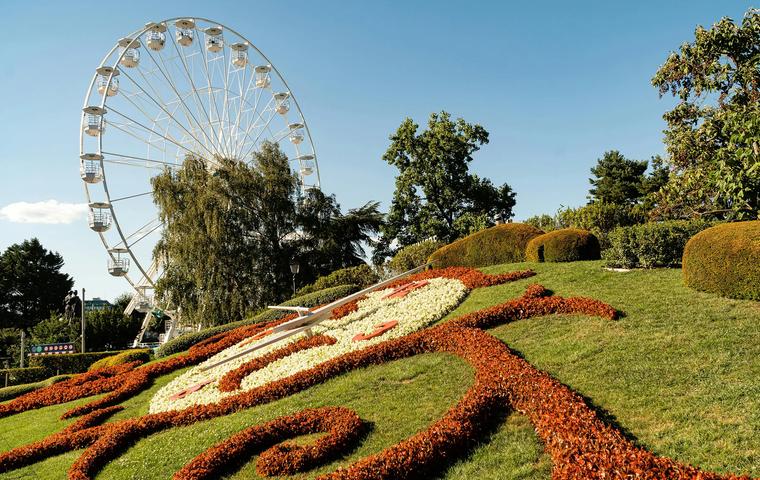
401 m
English Garden & Flower Clock
Jardin Anglais & L’Horloge Fleurie439 m
Bastions Park
Parc des Bastions561 m
Museum of Art and History
Musée d’Art et d’Histoire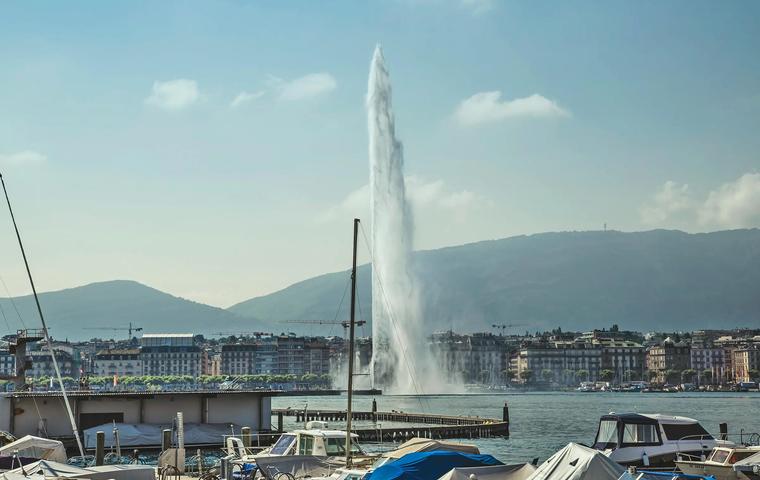
1 km
Jet d'Eau
Jet d'Eau
1 km
Patek Philippe Museum
Musée Patek Philippe
3 km