Blog · Tips
Where to Ski in Switzerland: Zermatt vs St Moritz vs Davos vs Verbier
 Tips
TipsIn this article
Some links are affiliate links. You pay the same, and we may earn a commission.
Compare Switzerland’s top ski resorts – Zermatt, St Moritz, Davos and Verbier: terrain, difficulty, vibe, ski pass prices and which resort fits your style.
Switzerland has dozens of ski areas, but four names come up again and again: Zermatt, St. Moritz, Davos and Verbier. Each of them feels completely different – from glamorous lakeside luxury to sporty “mountain city” and hardcore freeride playgrounds.
This guide walks you through the key differences, typical prices and who should pick which resort so you can plan your Swiss ski trip without guesswork.
Key takeaways
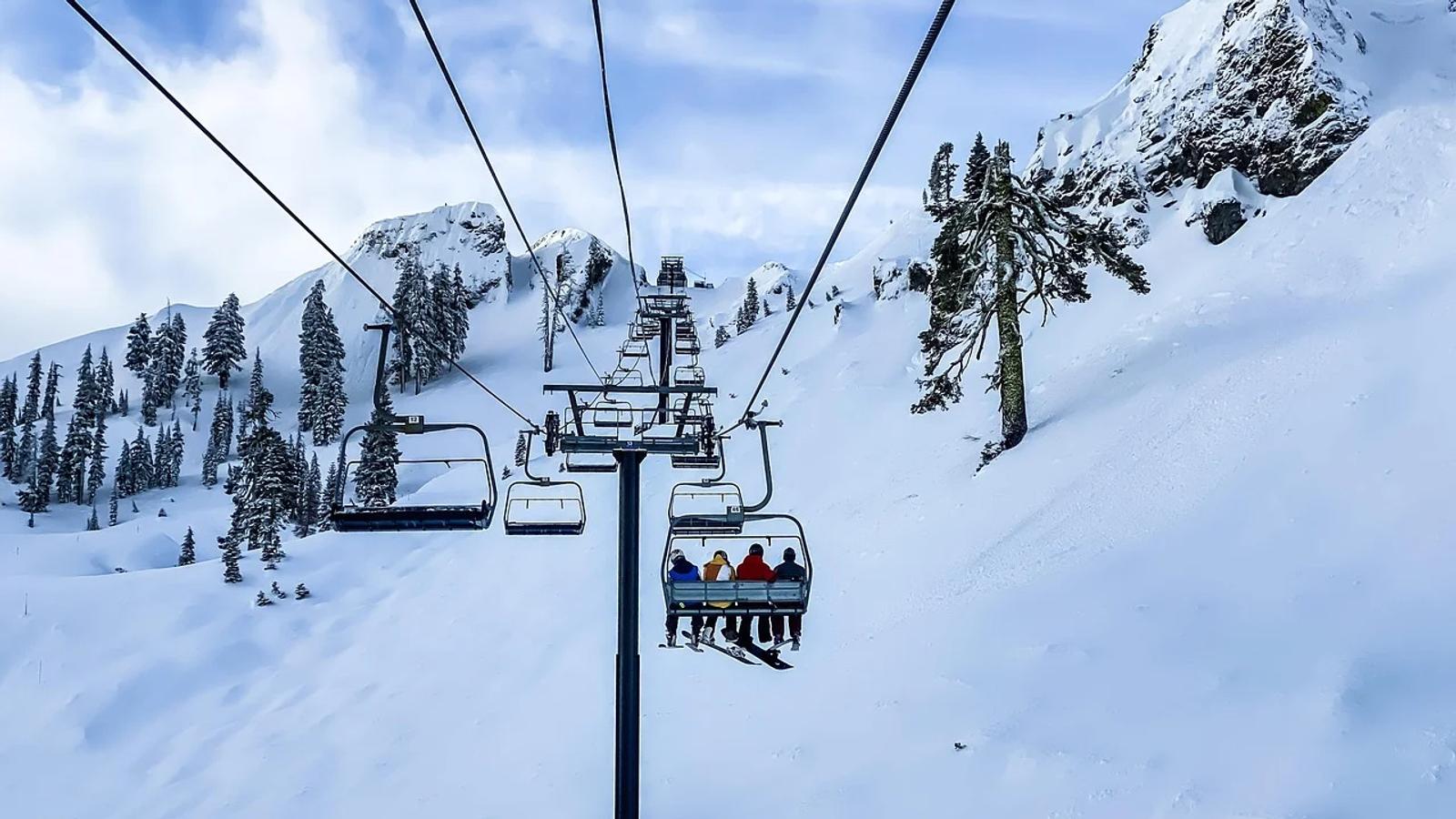
- Zermatt is the postcard resort with Matterhorn views, glacier skiing and up to 360 km of pistes in the Matterhorn Ski Paradise area.
- St. Moritz is sunny and luxurious, with roughly 300–350 km of slopes across the Engadin region and tons of non-ski winter activities.
- Davos Klosters is a big “mountain city” resort offering around 250–270 km of runs across several mountains, good for sporty skiers and people who like urban comforts.
- Verbier / 4 Vallées is a freeride and expert paradise with about 410 km of terrain and a highest point at 3 330 m, plus famously lively après-ski.
- Ski passes tend to be a bit cheaper in St. Moritz and Davos, while Zermatt and Verbier usually sit at the top of the price range, especially in peak weeks.
- All four resorts are relatively snow-sure thanks to high altitude and extensive snowmaking.
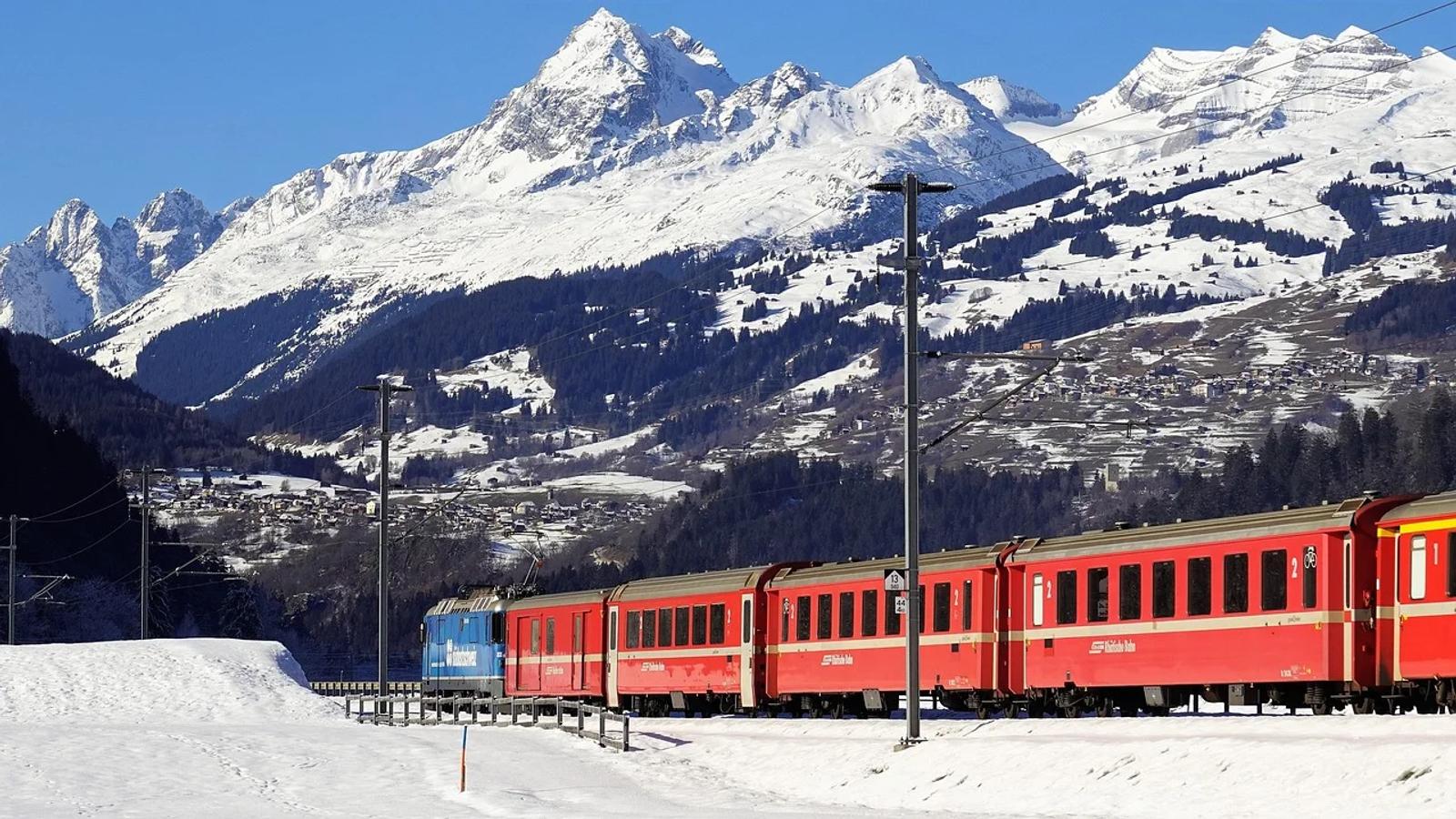
- Logistics are easy by train: most visitors fly into Zurich or Geneva and then continue by train from Zurich or Geneva to each resort with one or two changes.
How to choose between the four resorts
When you compare Zermatt, St Moritz, Davos and Verbier, focus on three main questions:
- Your level and preferred terrain
- Want steep terrain, long vertical and freeride? Pick Verbier or Zermatt.
- Prefer sunny, perfectly groomed red and blue runs? St. Moritz is ideal.
- Need a mix of skiing and city life? Davos is your best bet.
- Budget
- Zermatt and Verbier usually sit at the premium end for ski passes and accommodation.
- St. Moritz and Davos can be slightly kinder to your wallet, especially with hotel ski-pass packages and early-booking deals.
- Vibe and atmosphere
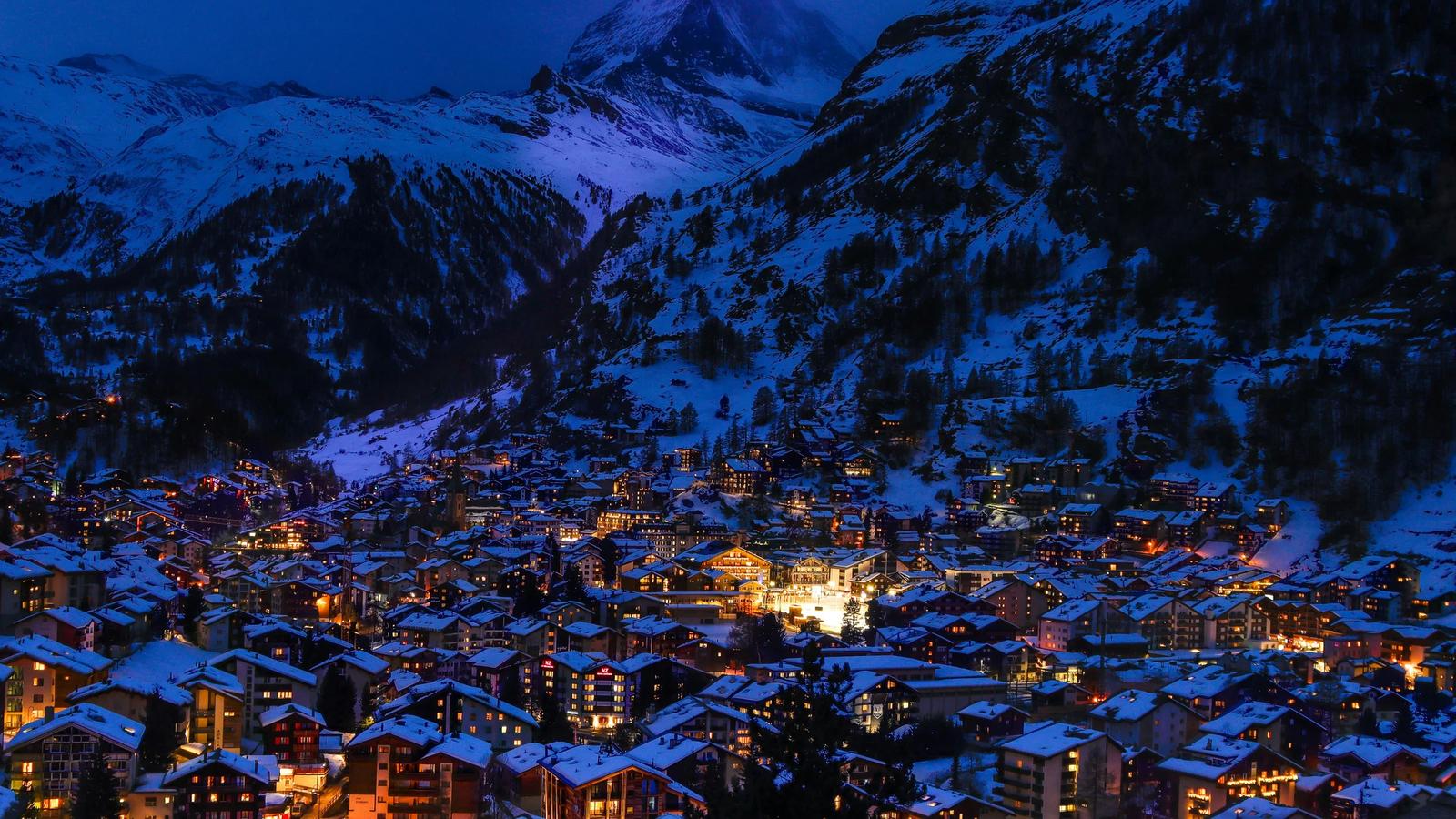
- Zermatt is a car-free village with classic chalet charm and big-mountain scenery.
- St. Moritz is all about glamour, designer boutiques and lake views.
- Davos feels like a small city in the Alps, with conferences, events and nightlife.
- Verbier is younger, party-driven and very sporty.
Zermatt: Matterhorn views and big-mountain skiing
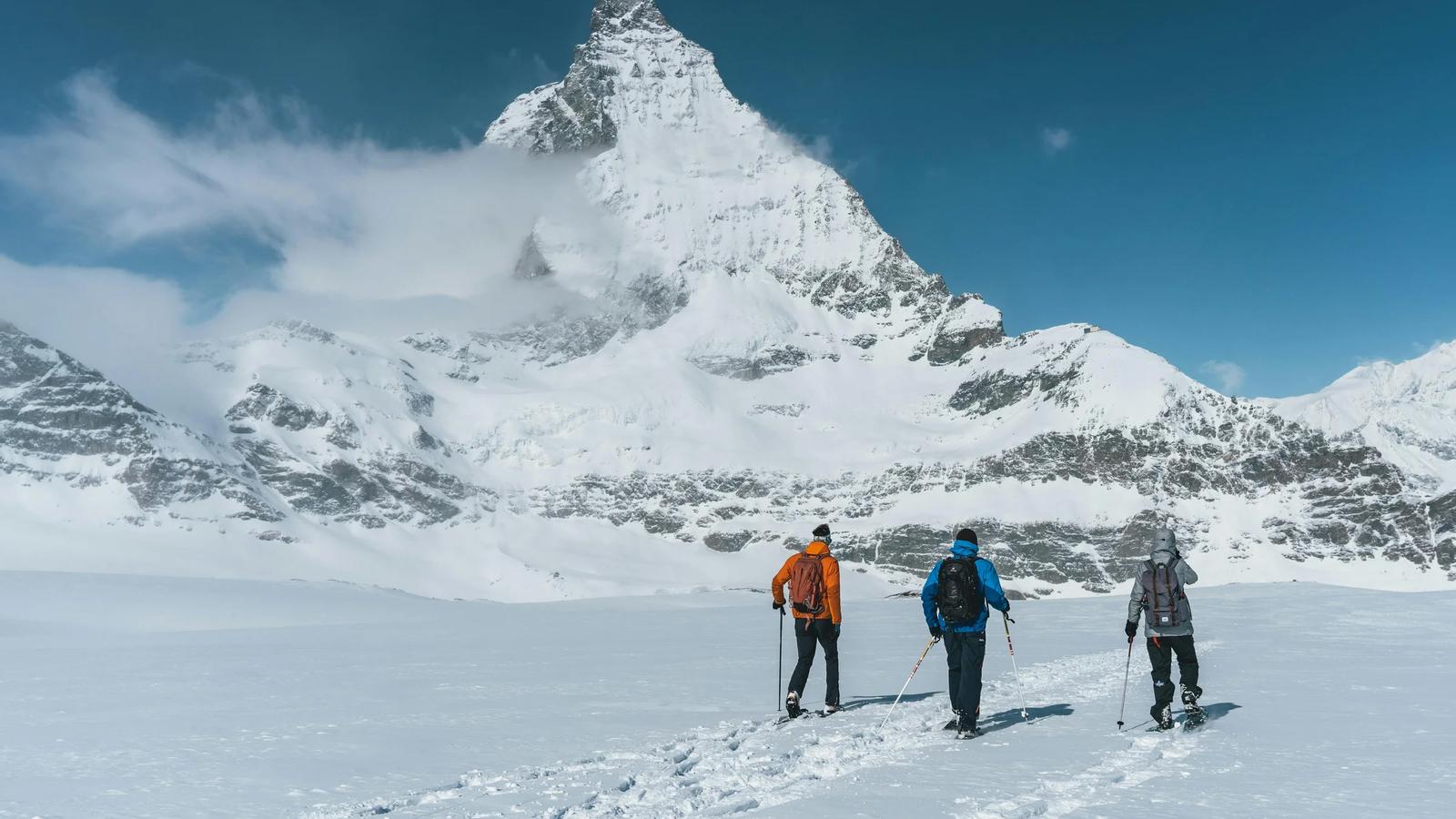
Zermatt sits at the foot of the Matterhorn and is one of the world’s most iconic ski resorts. The wider Matterhorn Ski Paradise offers up to 360 km of pistes, with lifts reaching close to 3 900 m and links over the border to Italy’s Cervinia.
Best for
- Strong intermediate and advanced skiers who love long red and black runs and big vertical.
- Scenery hunters – the views from Gornergrat and Klein Matterhorn are spectacular.
- Those who want glacier skiing in shoulder seasons and even summer.
Pros
- Very high, snow-reliable slopes.
- Huge, varied terrain with good interlinked sectors.
- Strong hotel and restaurant scene from apartments to ultra-luxury.
Cons
- One of the priciest Swiss resorts overall.
- Car-free village – great for ambiance, but you must arrive by train and local transfer.
St. Moritz: sunny luxury and smooth cruising
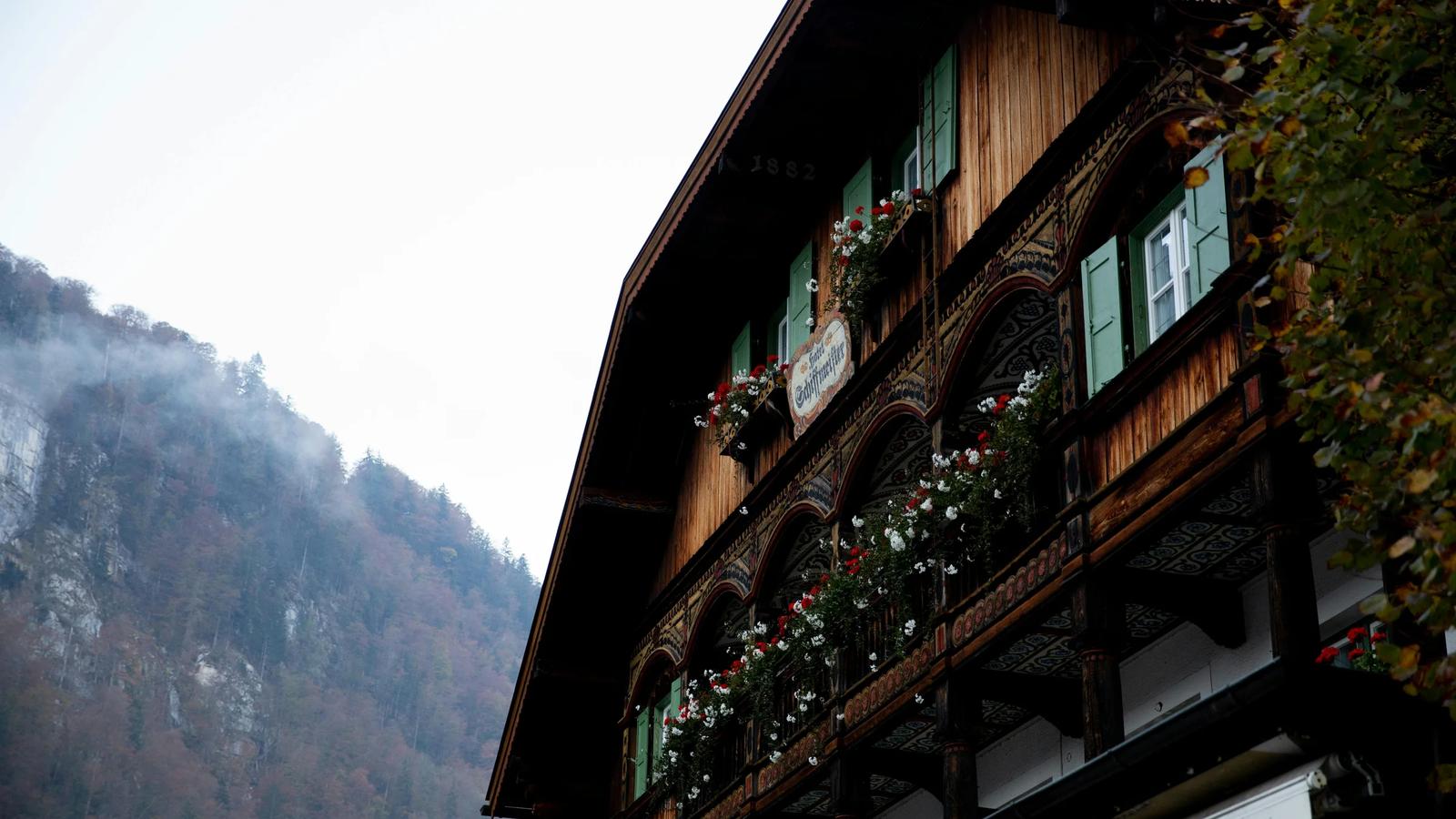
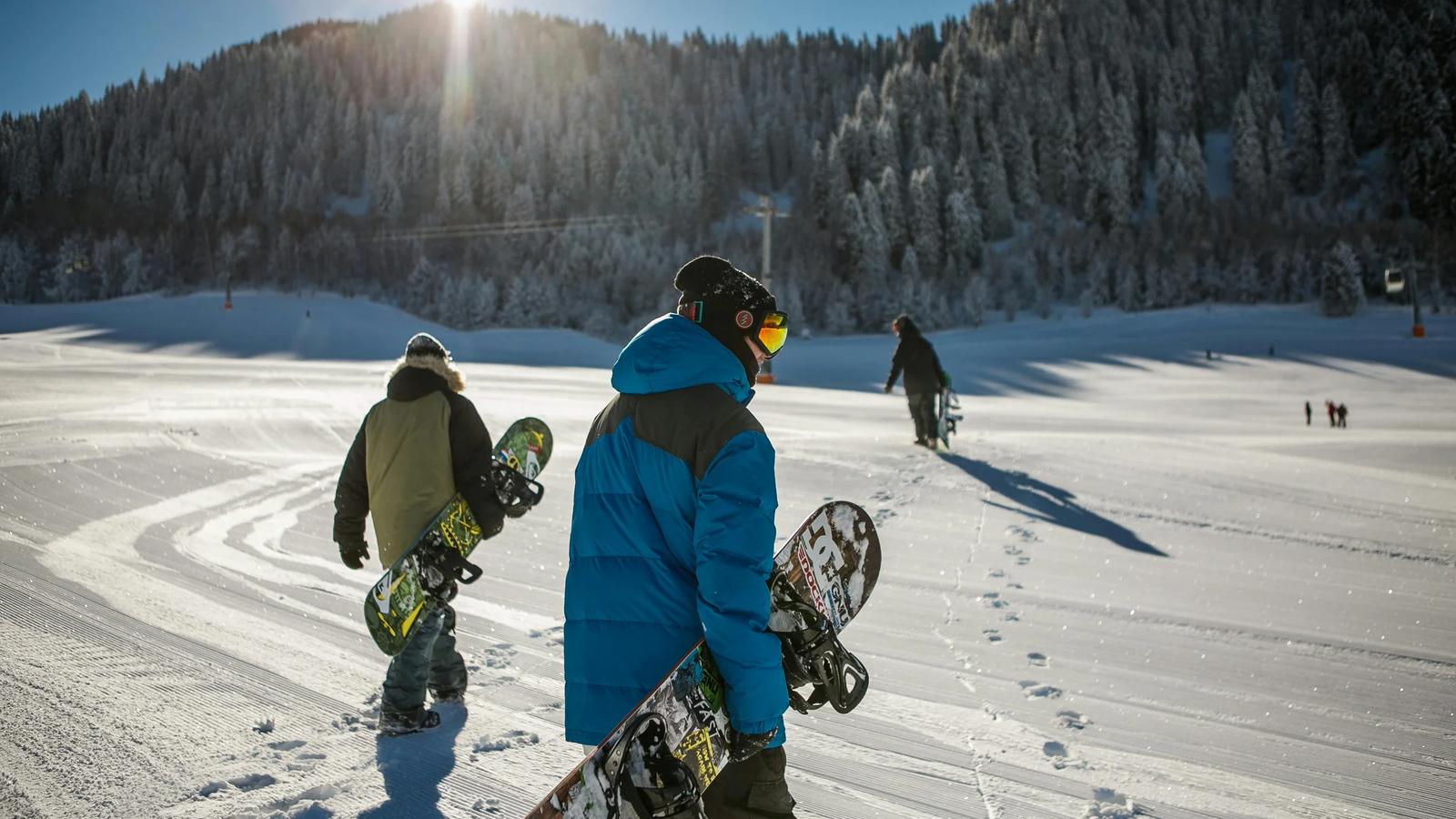
St. Moritz, in the Engadin valley, is a historic winter resort that has hosted the Winter Olympics twice. St. Moritz region offers around 300–350 km of slopes across Corviglia, Corvatsch, Diavolezza and smaller areas, with altitudes from roughly 1 700 to over 3 300 m.
Best for
- Intermediates who love wide, groomed pistes and sunny slopes.
- Travellers who want a mix of skiing with shopping, spas and high-end dining.
- Families who appreciate good ski schools and well-organised kids’ areas.
Pros
- Excellent grooming and very modern lift infrastructure.
- Strong non-ski offer: ice sports, winter walking, toboggan runs.
- Attractive “sleep + ski” packages with discounted passes via many hotels.
Cons
- Accommodation in central St. Moritz can be extremely expensive; nearby Engadin villages are more budget-friendly.
- The overall feel is upscale – not everyone wants that level of glitz.
Davos Klosters: big terrain and more modest prices
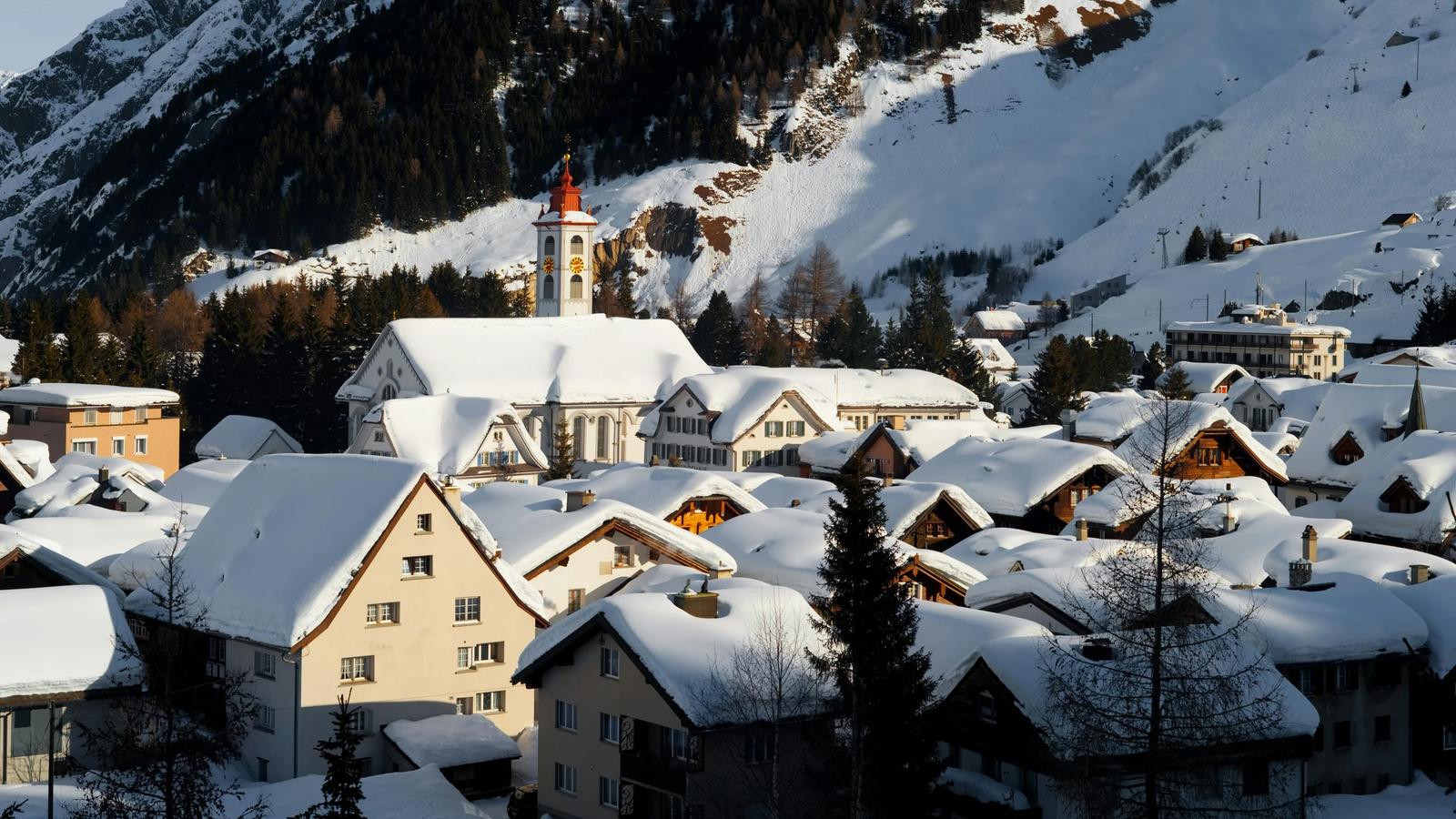
Davos is Europe’s highest town (about 1 560 m) and, together with Klosters and several surrounding mountains, forms the Davos Klosters Mountains region. You get around 250–270 km of pistes across multiple ski areas such as Parsenn, Jakobshorn, Rinerhorn and Madrisa.
Best for
- Skiers who like a “city in the mountains” vibe – bars, events and skiing in one place.
- Strong intermediates who enjoy long red runs and snowparks.
- Families, especially around Madrisa and the gentler slopes.
Pros
- Great train access from Zurich – you genuinely don’t need a car.
- Wide range of accommodation from simple apartments to high-end hotels.
- Good value compared to equally large Swiss destinations.
Cons
- The town of Davos feels more urban than “storybook alpine village”.
- The terrain can be demanding for total beginners; choose areas carefully if you’re new.
Verbier / 4 Vallées: freeride and serious vertical
Verbier is the heart of the 4 Vallées, a huge linked domain with about 410 km of runs and freeride routes. The highest point, Mont Fort, reaches 3 330 m and delivers some of the most challenging terrain in the Alps.
Best for
- Advanced and expert skiers and snowboarders who live for steep terrain and powder.
- Party-oriented travellers who want big après-ski and late nights.
- Groups of friends who don’t mind spreading out over a vast area.
Pros
- One of Switzerland’s largest and most varied lift-served areas.
- Fantastic freeride options with a guide.
- Very lively bar and restaurant scene.
Cons
- High prices for both passes and beds, especially in peak weeks.
- Not ideal for nervous beginners – much of the terrain is steep or exposed.
Which resort fits which traveller?
If you’re a beginner or cautious intermediate:
- St. Moritz (especially Corviglia) offers wide, confidence-building blue slopes and good ski schools.
- In Davos Klosters, look at Madrisa and the easier parts of Jakobshorn.
Strong intermediate or advanced:
- Zermatt – long, varied red and black runs with big verticals.
- Verbier – challenging pistes and freeride for confident skiers only.
Families with kids:
- St. Moritz has many family-friendly hotels and kids’ areas.
- Davos Klosters is great for families who like a bit of city life plus gentle slopes.
Après-ski lovers:
- Verbier is arguably Switzerland’s party capital.
- Zermatt offers a more sophisticated but still busy après-ski scene with live music and great mountain huts.
Prices
For rough budgeting:
1 CHF ≈ 1.07–1.08 € and ≈ 1.24–1.25 $.
Adult 1-day ski pass (approximate ranges)
- Zermatt – dynamic pricing, typically 90–120 CHF (about 95–130 € / 110–150 $) depending on season and how early you book.
- St. Moritz (Engadin) – around 60–80 CHF (roughly 65–85 € / 75–100 $); hotel “sleep + ski” packages can be cheaper per day.
- Davos Klosters – regional pass usually 90–110 CHF (about 95–120 € / 110–140 $).
- Verbier / 4 Vallées – Verbier or full 4 Vallées day tickets are often 85–110 CHF (around 90–120 € / 105–140 $) depending on area and date.
Everyday costs in Switzerland (national averages)
Based on typical price data for Switzerland:
- Meal at an inexpensive restaurant: about 20–50 $ per person.
- Local public transport (single ticket): about 3.5–6.5 $.
- Beer in a bar (0.5 l): roughly 6–11 $.
Travel insurance with winter sports coverage
For a 7-day trip with winter sports included, basic international insurance plans often start around 35–40 $ per person per week, with more comprehensive cover costing more.
Practical tips
- Book early. Christmas, New Year and February school holidays sell out months in advance, especially in Zermatt and Verbier.
- Buy ski passes online. All four resorts use dynamic pricing – early online purchase is usually cheaper than walk-up.
- Consider staying in satellite villages. Around St. Moritz and Davos, smaller Engadin or Klosters villages can be notably cheaper while still well connected by train or bus.
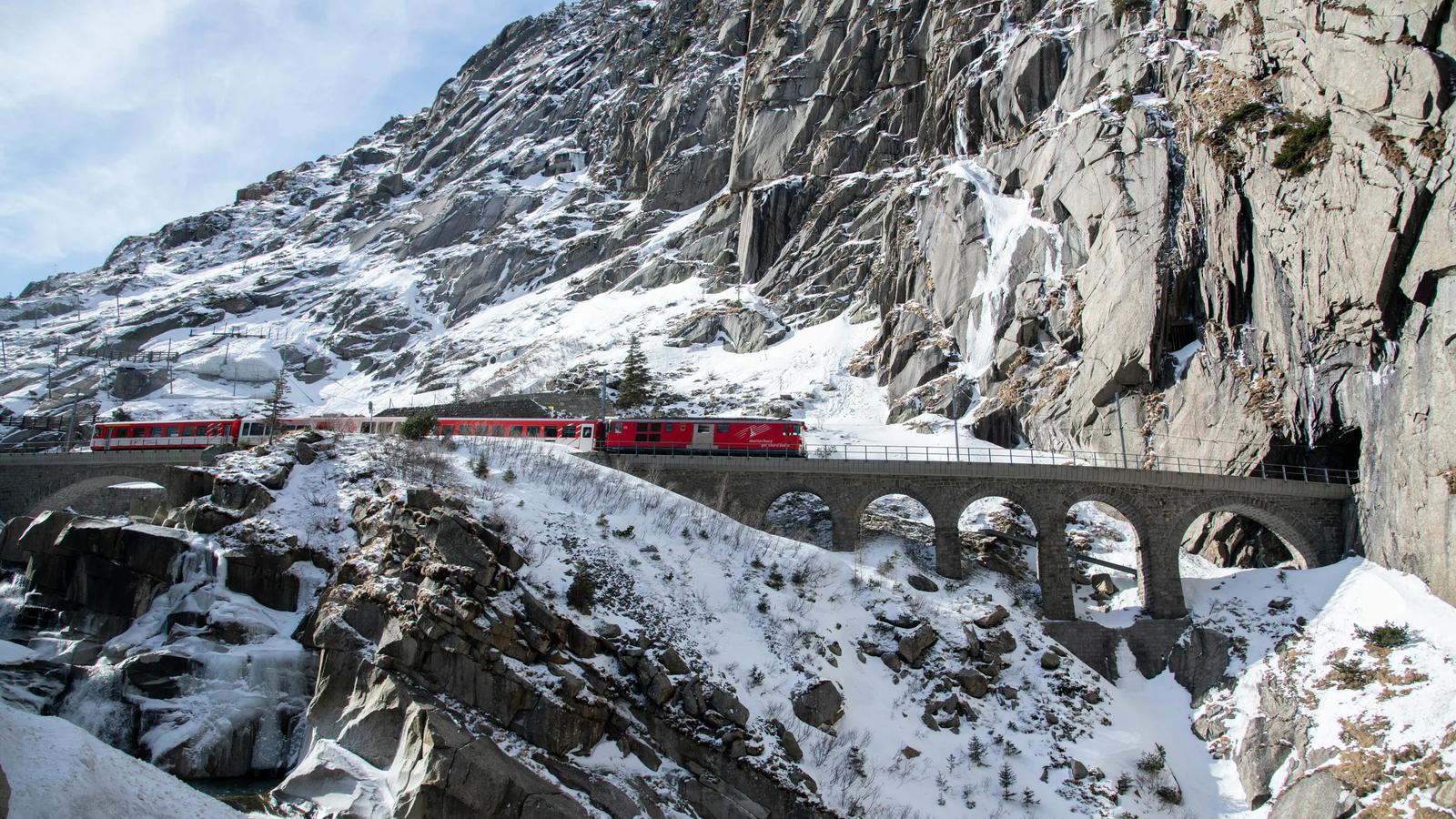
- Use trains instead of renting a car. Swiss rail links to Zermatt, St. Moritz, Davos and Verbier-area stations are excellent; parking is expensive and Zermatt is car-free anyway.
- For freeride, always hire a certified guide. Verbier and Zermatt offer incredible off-piste, but avalanche gear, local knowledge and daily hazard checks are essential.
FAQ
Which resort is the most snow-reliable?
In terms of altitude and glacier access, Zermatt and Verbier are the clear winners, with skiing up to roughly 3 300–3 900 m and strong snowmaking. St. Moritz and Davos also have high sectors but are a little lower overall.
Where should beginners go?
St. Moritz (especially Corviglia) is excellent for learners thanks to wide, gentle runs and good ski schools. In Davos Klosters, Madrisa and some areas on Jakobshorn are also suitable. Zermatt and Verbier do have beginner zones, but the overall terrain feels more advanced.
Which resort is best for nightlife?
Verbier has the loudest après-ski and late-night scene. Zermatt offers a more polished mix of live-music bars and mountain huts. Davos and St. Moritz have nightlife too, but the vibe is a bit more low-key or upscale rather than party-only.
Where is it cheapest to ski?
Relative to terrain size, Davos and St. Moritz often work out slightly cheaper, especially with hotel pass deals. Zermatt and Verbier are among Switzerland’s most expensive options once you factor in accommodation, passes and eating out.
Do I need a car for these resorts?
No. In fact, train + local bus is usually easier. Zermatt is car-free, and Davos, St. Moritz and the Verbier area are all well connected by Swiss Rail and resort buses. A car can even be a liability because of parking costs and winter driving conditions.
Summary
- Pick Zermatt for glacier skiing, Matterhorn views and big-mountain terrain.
- Pick St. Moritz for sunny cruising, luxury hotels and non-ski activities.
- Pick Davos Klosters if you want a large ski area with a more urban feel and slightly softer prices.
- Pick Verbier / 4 Vallées if you are an advanced skier who loves steep slopes, freeride and big après-ski.
Whichever one you choose, Switzerland’s trains, snow reliability and mountain scenery will do a lot of the heavy lifting for a memorable ski trip.
Sources:
- Matterhorn Ski Paradise – official ski area information for Zermatt–Cervinia
- Zermatt Tourism – official regional tourism office
- Discover Zermatt – resort guide with pistes and ski-pass information
- Engadin / St. Moritz – official tourism portal for the Engadin region
- Davos Klosters Mountains – official resort info about terrain & tickets
- Verbier 4 Vallées – official website of the 4 Vallées ski domain
Places to see in Switzerland

You may also like
Best Family Hotels in Switzerland: Top Areas and Prices
A practical guide to the best family hotels in Switzerland by region, with pools, kids’ clubs, real-world prices and booking tips.
November 24, 2025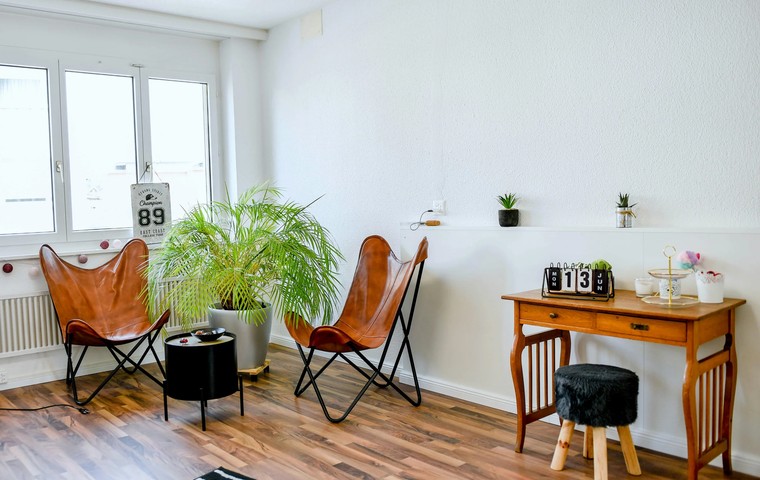
Most Atmospheric Apartments in Switzerland: Best Areas, Views and Prices
A practical guide to the most atmospheric apartments in Switzerland – from alpine chalets to old-town flats. Where to stay, which areas to choose and what prices to expect in 2025.
December 10, 2025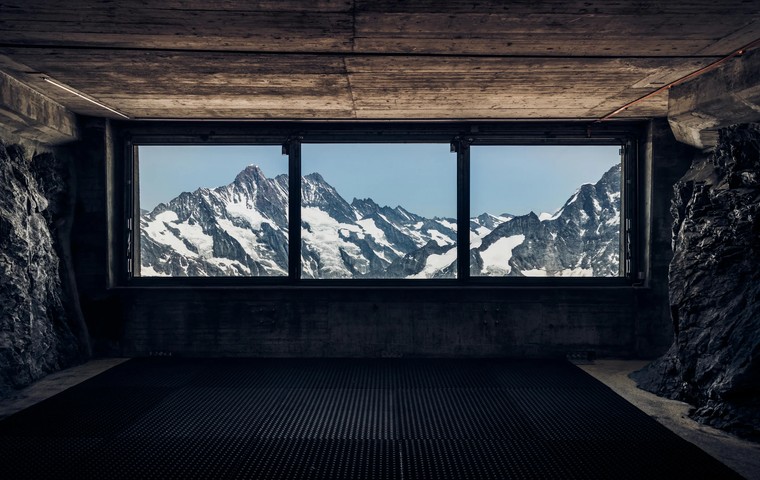
Best Hotels in Swiss Ski Resorts: Areas, Prices and Booking Tips
Where to stay in Swiss ski resorts: best hotels in Zermatt, St. Moritz, Davos and other regions, price ranges and practical booking tips.
November 25, 2025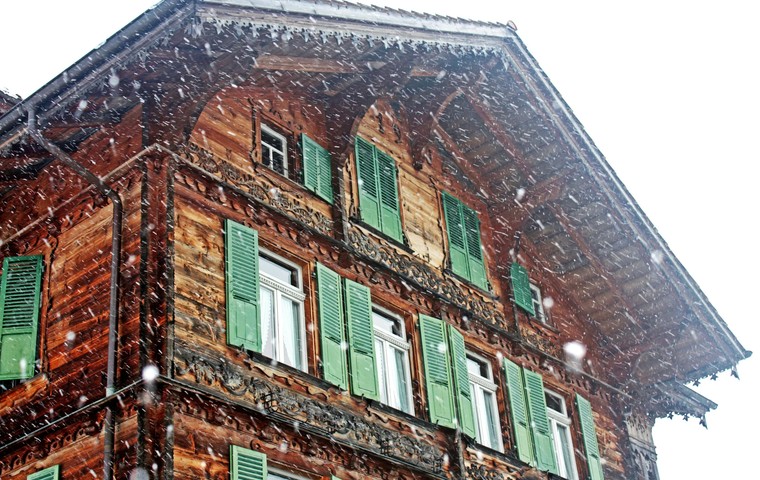
Best Swiss Chalets to Rent: Locations, Types, Prices
Discover the best Swiss chalets to rent: top locations, chalet types, approximate prices and practical tips for choosing and booking.
December 07, 2025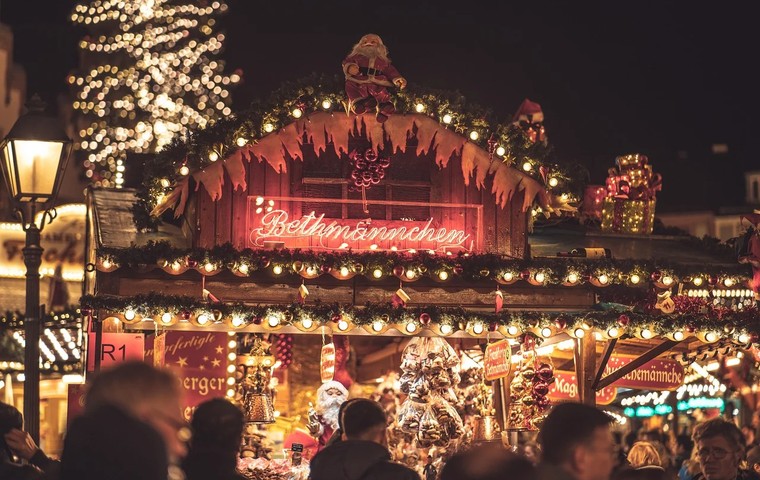
Switzerland in December: weather, Christmas markets and where to spend Christmas and New Year
What Switzerland is like in December, where to enjoy Christmas markets, which cities and ski resorts are best for Christmas and New Year, prices, transport, insurance and useful travel tips.
December 03, 2025
Train vs Car in Switzerland: What’s Better for Tourists?
A practical comparison of trains and rental cars in Switzerland: costs, time, convenience, parking, passes, and when it makes sense to mix both for the same trip.
December 19, 2025