Blog · Transport
Train vs Car in Switzerland: What’s Better for Tourists?
 Transport
In this article
Some links are affiliate links. You pay the same, and we may earn a commission.
A practical comparison of trains and rental cars in Switzerland: costs, time, convenience, parking, passes, and when it makes sense to mix both for the same trip.
Switzerland is one of the few countries where both trains and driving feel like “the right answer”. Rail reaches almost everywhere, while a car gives you freedom for quiet valleys, viewpoints, and small villages.
The catch is that most travelers overspend because of planning mistakes – the wrong pass, city-center parking headaches, or booking a panoramic train without checking seat reservations.
Here’s a simple decision framework: when trains win, when a car wins, and how to combine both without wasting money.
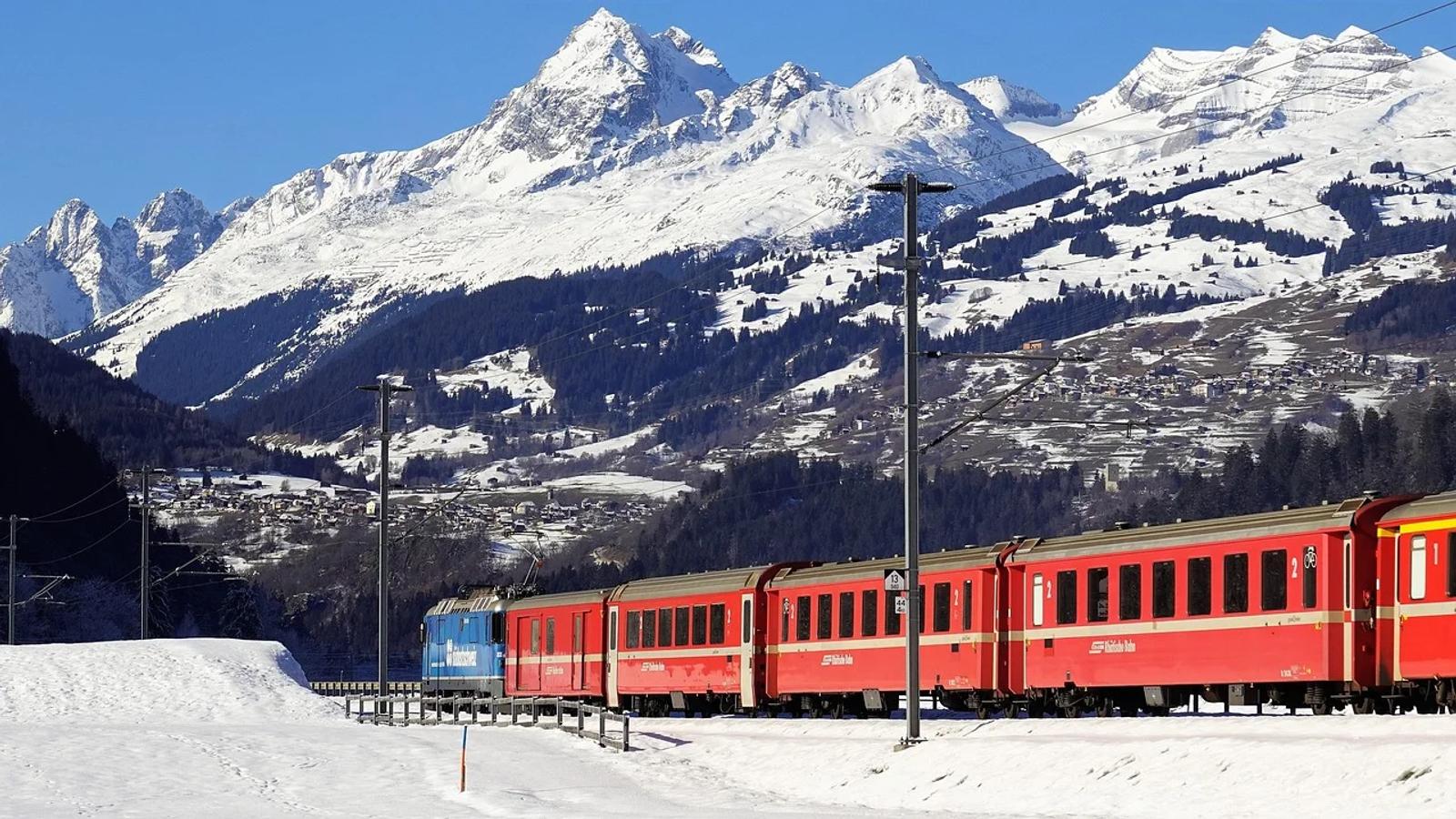
Key Takeaways
- Trains are best for cities – between Zurich, Bern, Basel and Geneva, rail is usually the most predictable option.
- Cars are best for multi-stop days – several valleys and viewpoints in one day are easier by car.
- Parking is the biggest hidden cost – city spaces are limited and rates add up fast.
- Motorways typically require a vignette – skipping it can mean quick fines.
- In winter, “not mandatory” doesn’t mean “no risk” – if conditions require winter gear, you’re responsible.
- Some places are effectively car-free – Zermatt is car-free, so you can’t drive in.
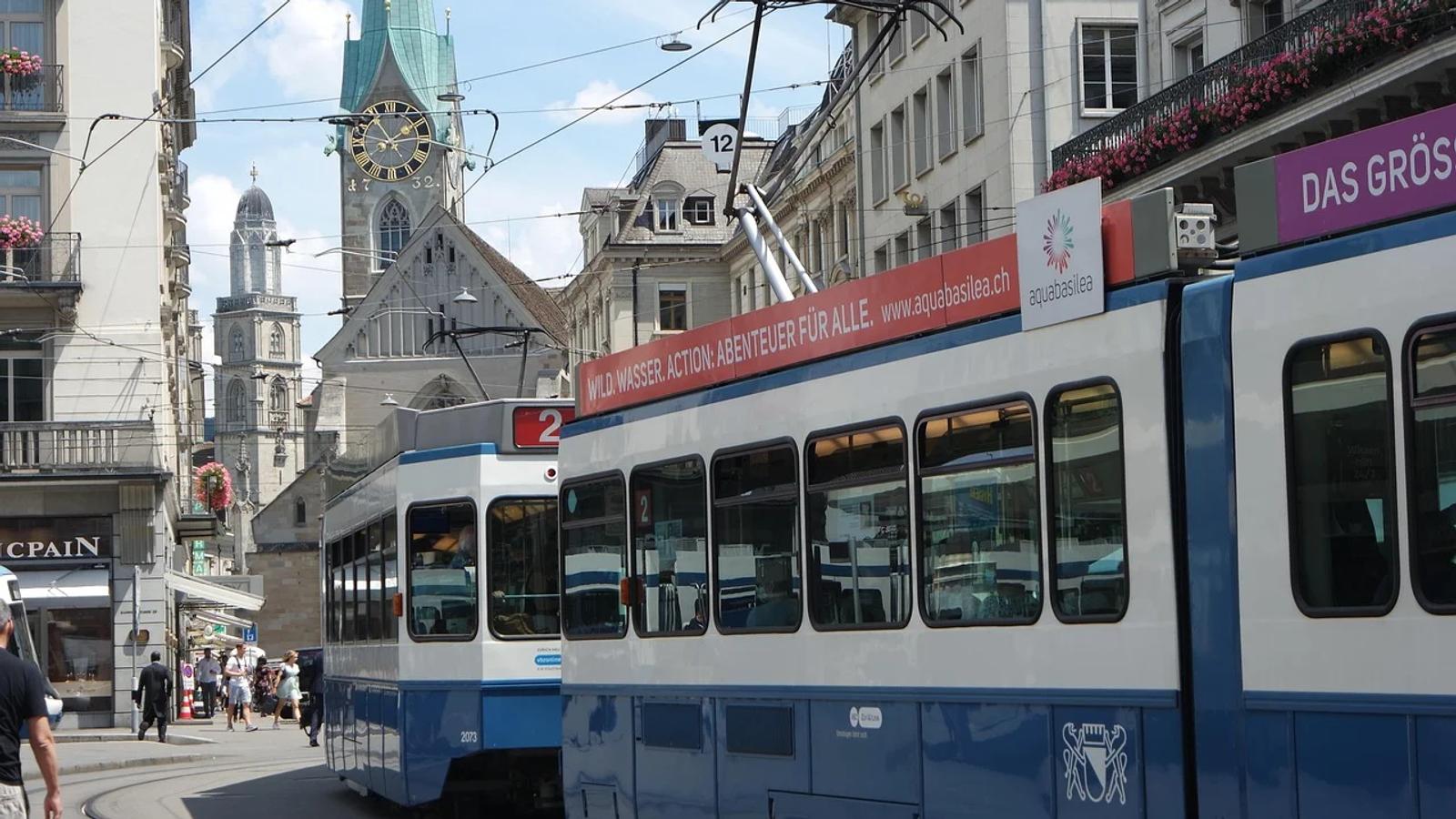
When Trains Are Better
1) City-to-city travel
If your trip is built around 2-4 cities plus day trips, trains usually win:
- no parking or zone rules to learn;
- frequent departures and clear connections;
- easy to stay near the main station and walk.
A train-first route example: Zurich – Lucerne – Interlaken – Bern – Geneva.
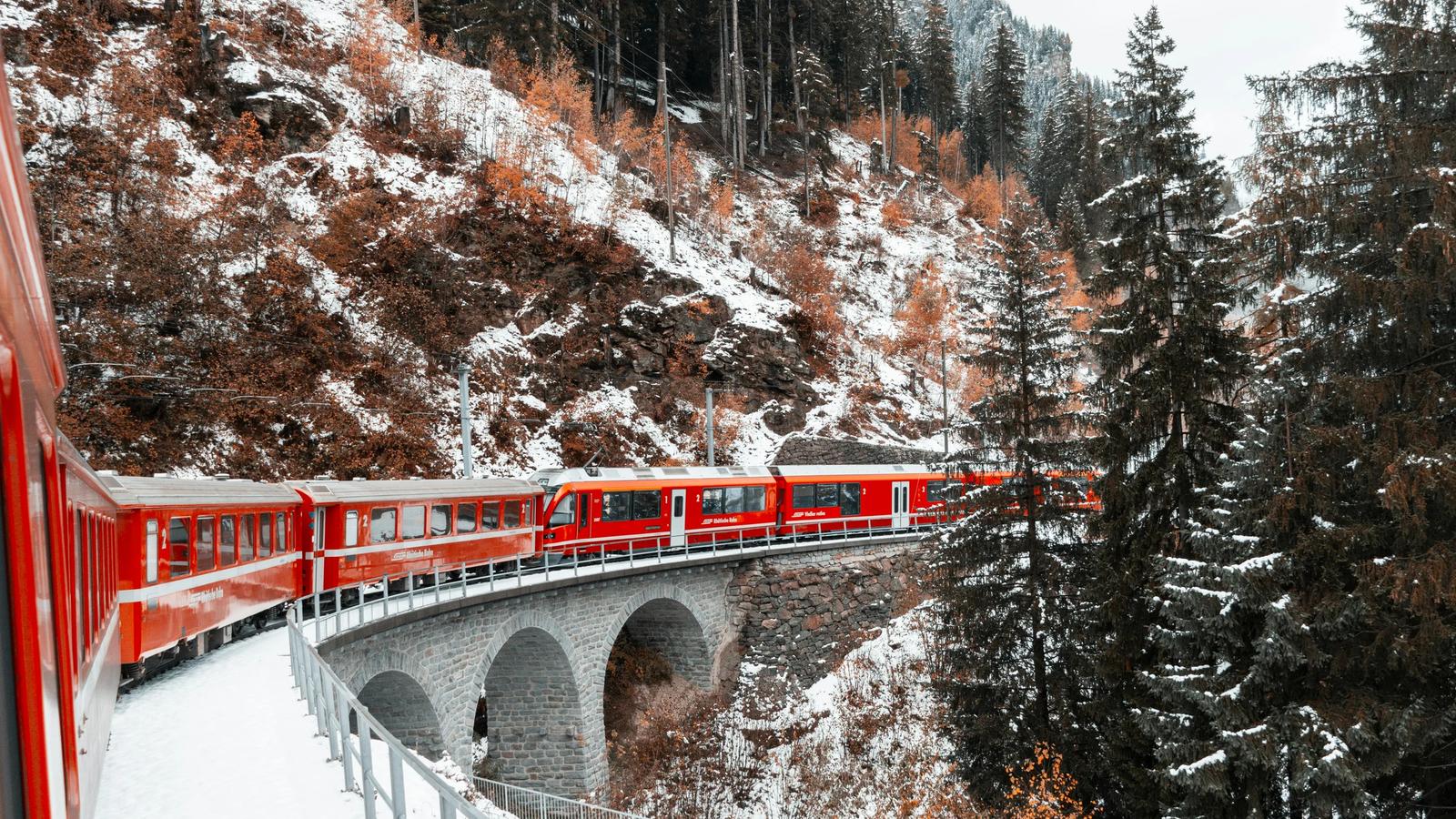
2) Scenic travel with less stress
Many iconic views are best enjoyed from a seat, not behind the wheel on a mountain road.
Note: some panoramic services require a separate seat reservation – that’s different from having a valid ticket or pass.
3) If you’d rather not drive in the Alps
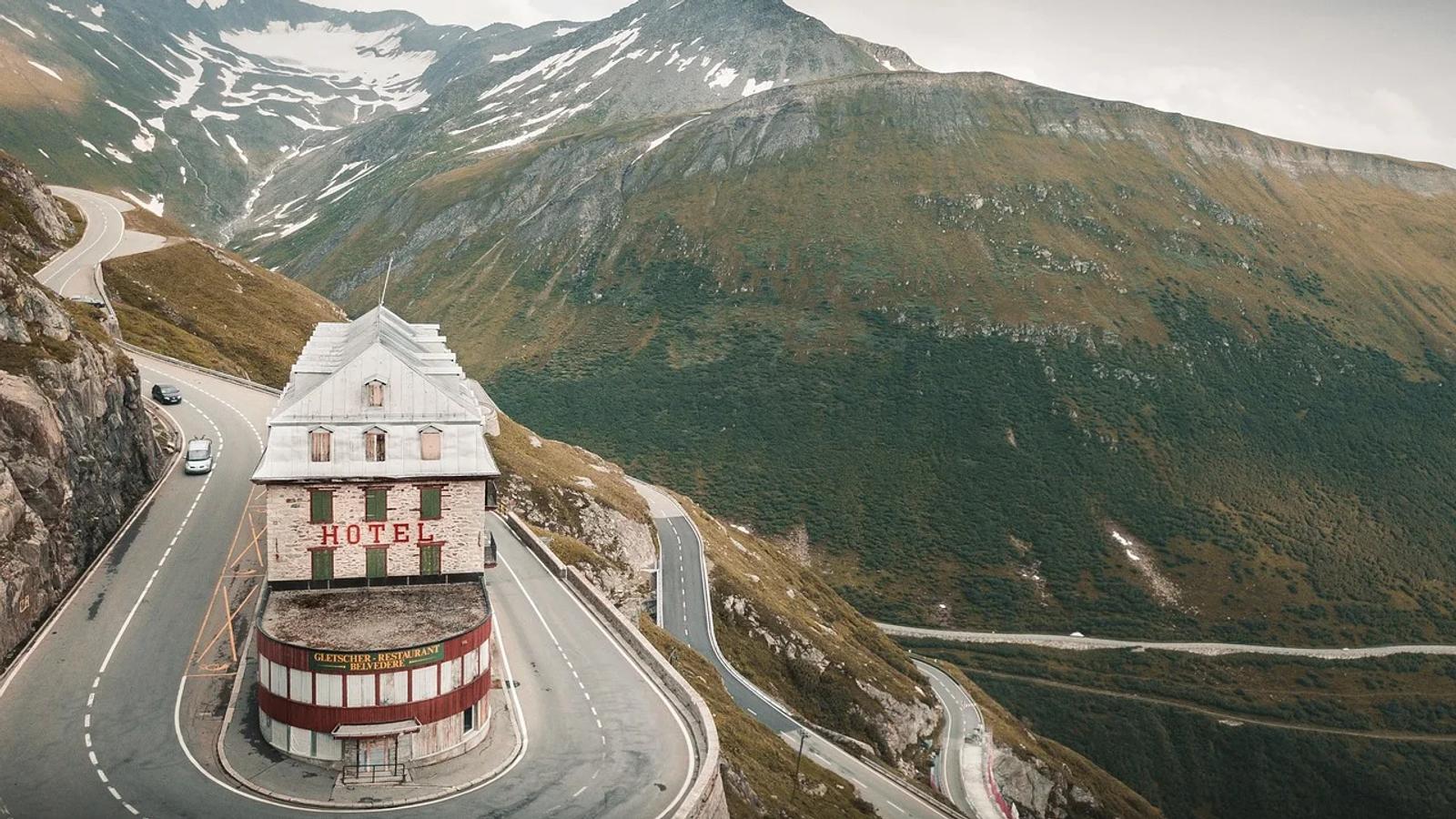
Switchbacks, tunnels, narrow roads, changing weather, and winter conditions can be tiring. Trains and buses are often the relaxed choice.
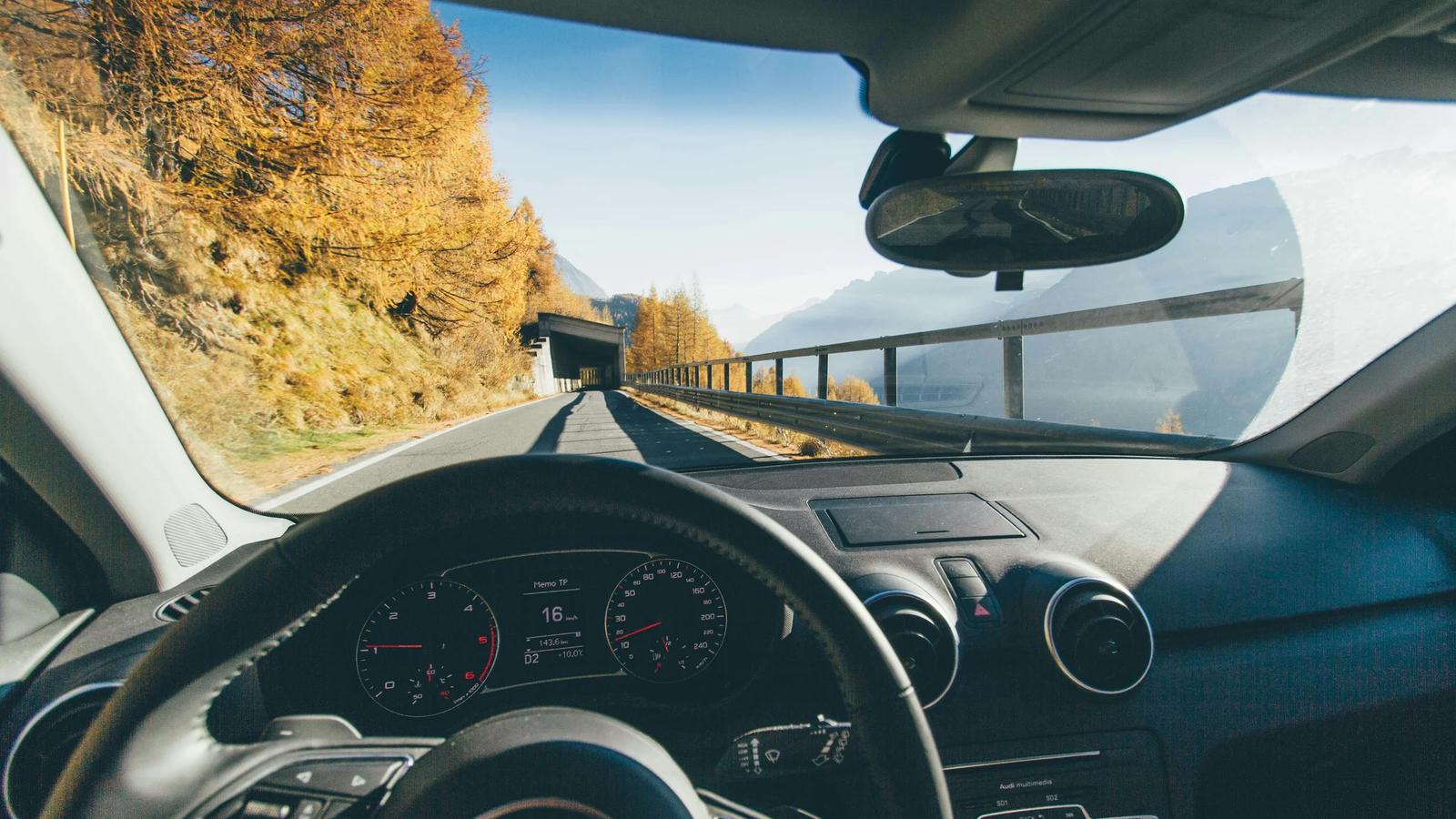
When a Car Is Better
1) Families, lots of luggage, sports gear
Strollers, big suitcases, skis – a car reduces carrying and transfers and makes check-in easier outside city centers.
2) Small places and photo stops
Viewpoints, tiny villages, quick hikes – driving lets you set the pace, especially on days with 3-5 short stops.
3) Staying outside transport hubs
If your accommodation isn’t near frequent buses or a station, a car can save time – especially early mornings and evenings.
The Best Strategy for Most Tourists: Mix Both
In practice, the smartest option is often:
- 3-5 days by train between cities,
- 1-3 days with a rental car for valleys and scattered stops,
- then back to trains.
This avoids the most expensive part of driving – city parking and city-center stress – while giving you freedom when it actually matters.
Tip: compare routes and train tickets via Omio, and check rentals for your exact dates via EconomyBookings. More context is on the transport page.
Prices
Use these as budgeting anchors. In peak season and with late booking, costs often land closer to the top end.
Trains and local transport
- City one-way ticket – 3.5-6.5 $
- Monthly pass (local benchmark) – 88-226 $
- Tourist rail pass, 3 days (2nd class) – about 317 $
- Tourist rail pass, 8 days (2nd class) – about 545 $
- Seat reservation on regular trains (when needed) – roughly 5-7 $
- Panoramic seat reservations – often 20-70 $ per person depending on train and season
Driving
- Rental car (economy) – typically 50-100 $ per day
- Gasoline – 2.17-2.51 $ per liter
- Motorway vignette (calendar-year) – about 40-50 $
- City parking – up to 6-8 $ per hour
- Hotel parking – often 10-20 $ per day
Practical Tips
- Plan by “day type”, not just by map: multi-stop scenic day equals car; museum-and-city day equals train.
- In cities, stay near the main station to reduce taxi rides and transfers.
- If renting a car, confirm winter equipment rules and what’s included in your booking.
- Budget extra time for parking – finding a spot can take longer than the drive.
- For panoramic trains, check reservations early – the ticket/pass and the reservation can be separate.
- For car-free areas, plan a park-and-ride plus train from the last allowed town.
FAQ
Is a rail pass worth it?
It often is if you’ll do multiple longer rides per day plus local transport. If you travel less and book discounted fixed-connection tickets early, point-to-point tickets can be cheaper.
Do I need seat reservations in Switzerland?
Usually not for regular trains. Some panoramic services require them, and during high season they’re strongly recommended even when optional.
Can I drive to Zermatt?
No. Zermatt is car-free. Most travelers drive to the last major parking hub and continue by train or shuttle.
Are winter tyres mandatory?
There isn’t a blanket “always mandatory” rule for every vehicle, but you’re responsible for having a roadworthy setup for conditions. If you block traffic, get stuck, or crash because of unsuitable tyres, you can face liability and insurance issues.
Do I need a motorway vignette?
If you’ll use motorways, yes – it’s best to treat it as a standard trip cost rather than a gamble.
Where is driving most inconvenient?
City centers and areas with limited parking are the usual pain points. In those places, trains and local transport tend to be faster and calmer.
Summary
For most tourists, trains are the default winner in Switzerland – especially for city-based trips and intercity travel. A car shines on scattered scenic days, rural stays, and itinerary-heavy days with many stops. The most practical approach is often to combine both: trains for cities and long connections, a rental car for 1-3 days of valleys and flexible exploring.
Sources:
- SBB (Swiss Federal Railways – Official rail pass info
- Switzerland Travel Centre – Swiss Travel Pass prices –
- SBB (Swiss Federal Railways) – Swiss Half Fare Card details
- BAZG (Swiss Customs) – Official e-vignette page
- ch.ch – Official speed limit guidance
- Zermatt Tourism – Arrival and car-free rules
- Zürich Tourism – Parking rules overview
- MySwitzerland – Parking zones and disc rules
- Glacier Express – Prices and reservations
- MOB (GoldenPass) – Seat reservation costs
- Omio – Train tickets aggregator
Places to see in Switzerland

You may also like

How to Get to Zermatt – Train, Parking, Transfers
A practical guide to reaching Zermatt: train routes from Swiss airports and cities, where to park in Täsch, and how transfers work for a car-free resort.
December 19, 2025
Basel Airport to City Center: Transport Options, Tickets and Prices
A practical guide from Basel Airport to the city center: Bus 50 to Basel SBB, taxis and private transfers, car rental, ticket tips, and updated prices.
December 14, 2025
Zurich Airport to City Center: Train, Tram, Taxi, and Updated Prices
A practical step-by-step guide on getting from Zurich Airport to downtown: fastest trains, tram line 10, taxi options, tickets, and updated prices.
December 14, 2025
Taxi Prices in Switzerland: CHF Fares and Trip Examples
There is no single Swiss taxi fare: compare official Geneva and Basel caps and learn how to check the price before boarding.
December 20, 2025
Geneva Airport to City Center: Train, Bus, Taxi, Prices
A practical, step-by-step guide to get from Geneva Airport to the city center by train, bus, or taxi – with updated prices, ticket tips, and the easiest options for late arrivals.
December 14, 2025
Where to Ski in Switzerland: Zermatt vs St Moritz vs Davos vs Verbier
Compare Switzerland’s top ski resorts – Zermatt, St Moritz, Davos and Verbier: terrain, difficulty, vibe, ski pass prices and which resort fits your style.
December 03, 2025