Blog · Tours
Museum of Islamic Art in Doha: tickets, opening hours, how to get there and what to see
 Tours
ToursIn this article
- 01Location and why the museum is special
- 02How to get to the Museum of Islamic Art
- 03Prices (updated: December 2025)
- 04Planning your visit
- 05Practical tips
- 06FAQ about the Museum of Islamic Art in Doha
- 07Summary
- 08Sources:
Some links are affiliate links. You pay the same, and we may earn a commission.
A practical guide to the Museum of Islamic Art in Doha: tickets and opening hours, how to get there by metro and taxi, highlights of the collection, MIA Park and tips for first-time visitors.
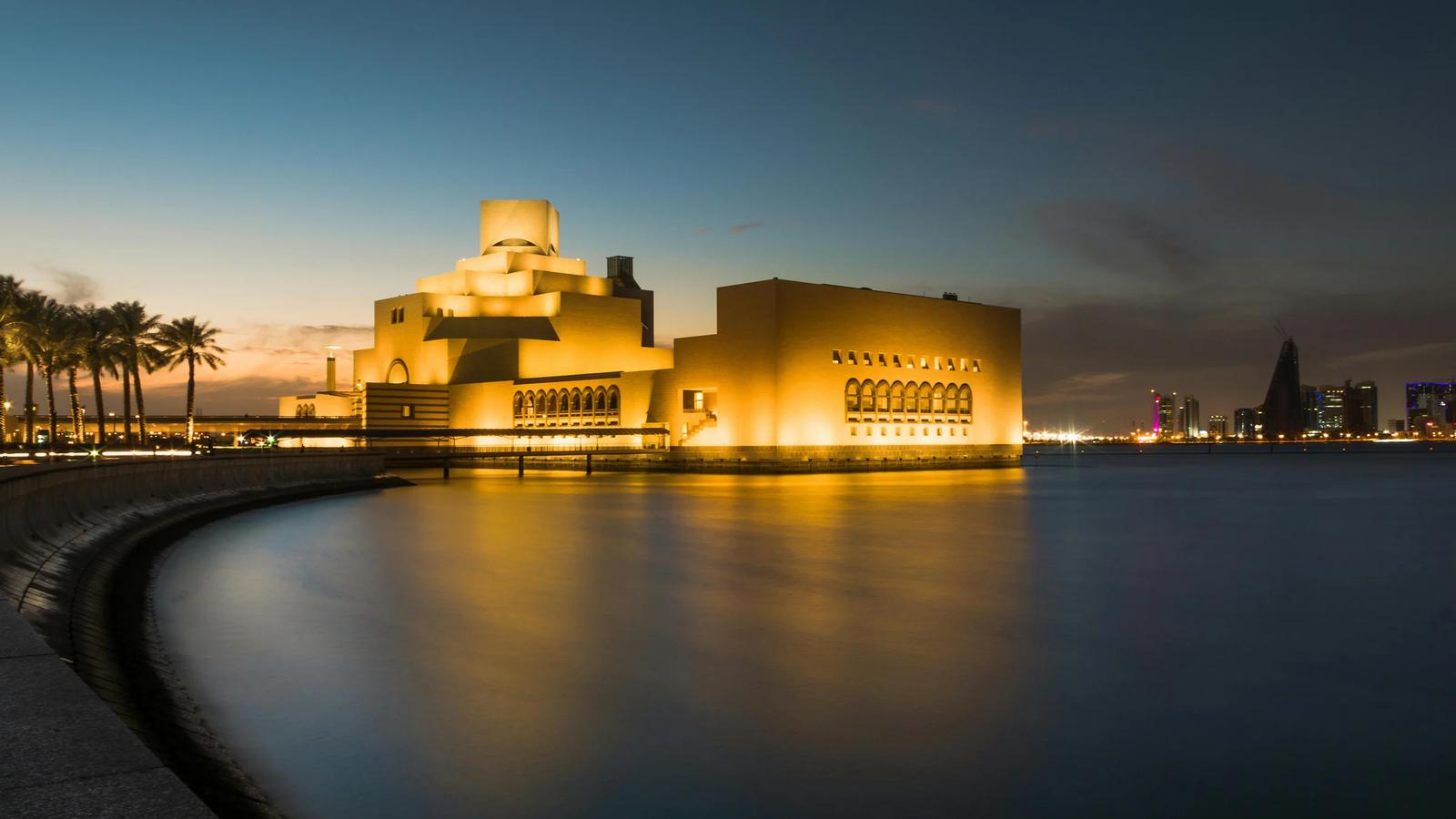
The Museum of Islamic Art Museum of Islamic Art in Doha is one of Qatar’s most iconic landmarks. Sitting on a purpose-built island off the Corniche, it combines world-class architecture with one of the finest collections of Islamic art anywhere in the world. Inside you’ll find four floors of galleries, a soaring atrium, cafés and a heritage library, while outside a waterfront park offers some of the best skyline views in the city.
This guide walks you through everything you need to plan your visit: how to get there, ticket prices, opening hours and what not to miss once you’re inside.
Key takeaways
- The museum sits on its own island off the Doha Corniche, with postcard-perfect views of West Bay’s skyscrapers.
- Opening hours: Saturday, Sunday, Monday, Tuesday 9:00–19:00, Thursday 9:00–21:00, Friday 13:30–19:00, Wednesday closed – plan around the weekly closure.
- Standard tickets for non-resident adults are usually around 50 QAR, students pay roughly 25 QAR, while residents and children under 16 often enter for free.
- The closest metro stops are National Museum and Souq Waqif on the Gold Line, then a 10–20-minute walk along the Corniche.
- There are four levels of permanent and temporary exhibitions plus MIA Park, with playgrounds, lawn areas and cafés open all year.
- Everyday costs in Doha are mid-range by global standards: an inexpensive meal is roughly 4–17 USD and taxis start at around 2–4 USD plus a per-kilometre fare.
- Sort mobile data and insurance before you land, using an eSIM for Qatar eSIM Qatar and online travel insurance Insurance for Qatar.
Location and why the museum is special
The Museum of Islamic Art stands on an artificial island at the southern end of the Doha Corniche. A bridge connects the mainland to the museum, and the whole complex is wrapped by MIA Park, with walking paths, lawns and plenty of seating facing the bay.
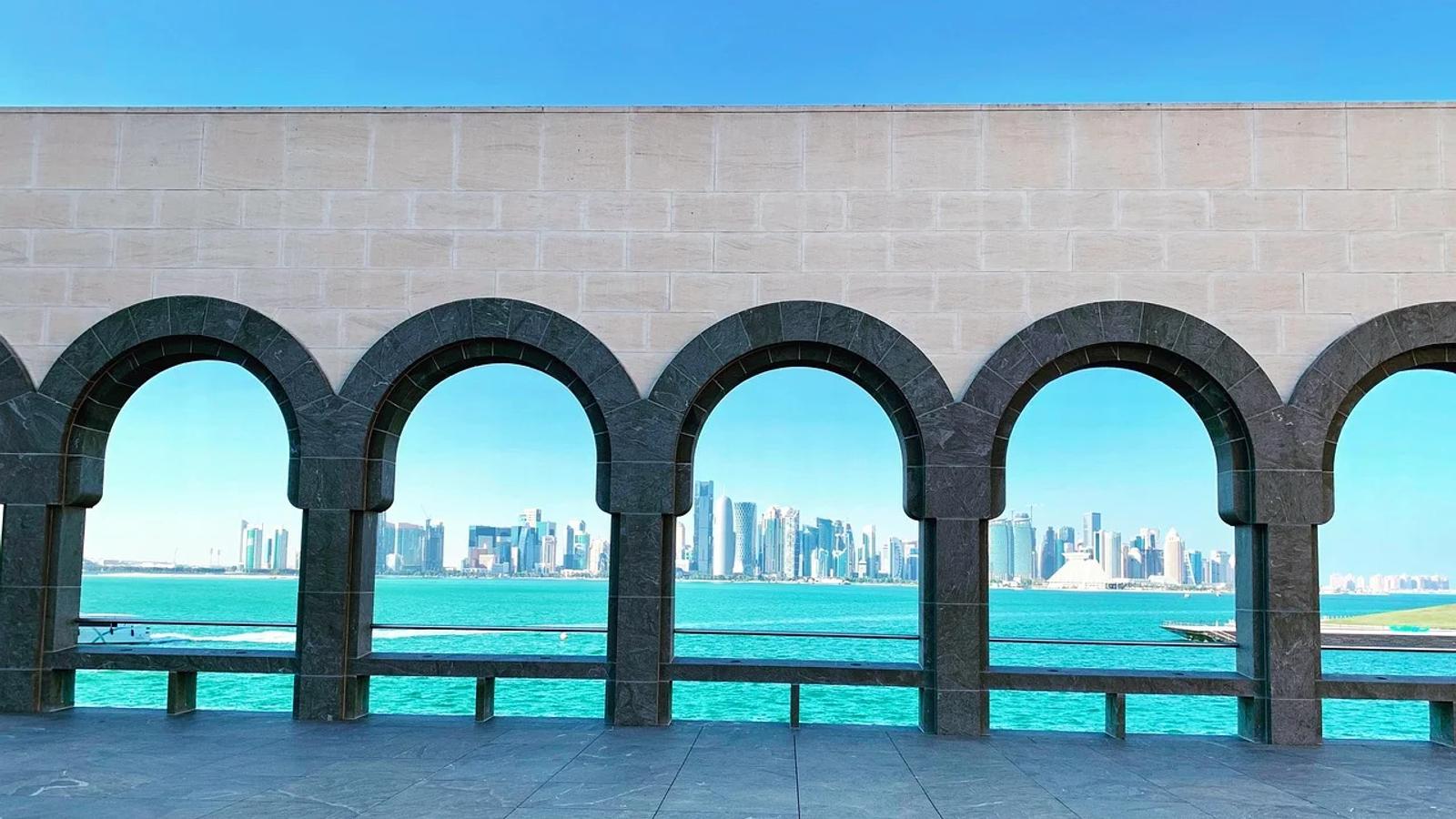
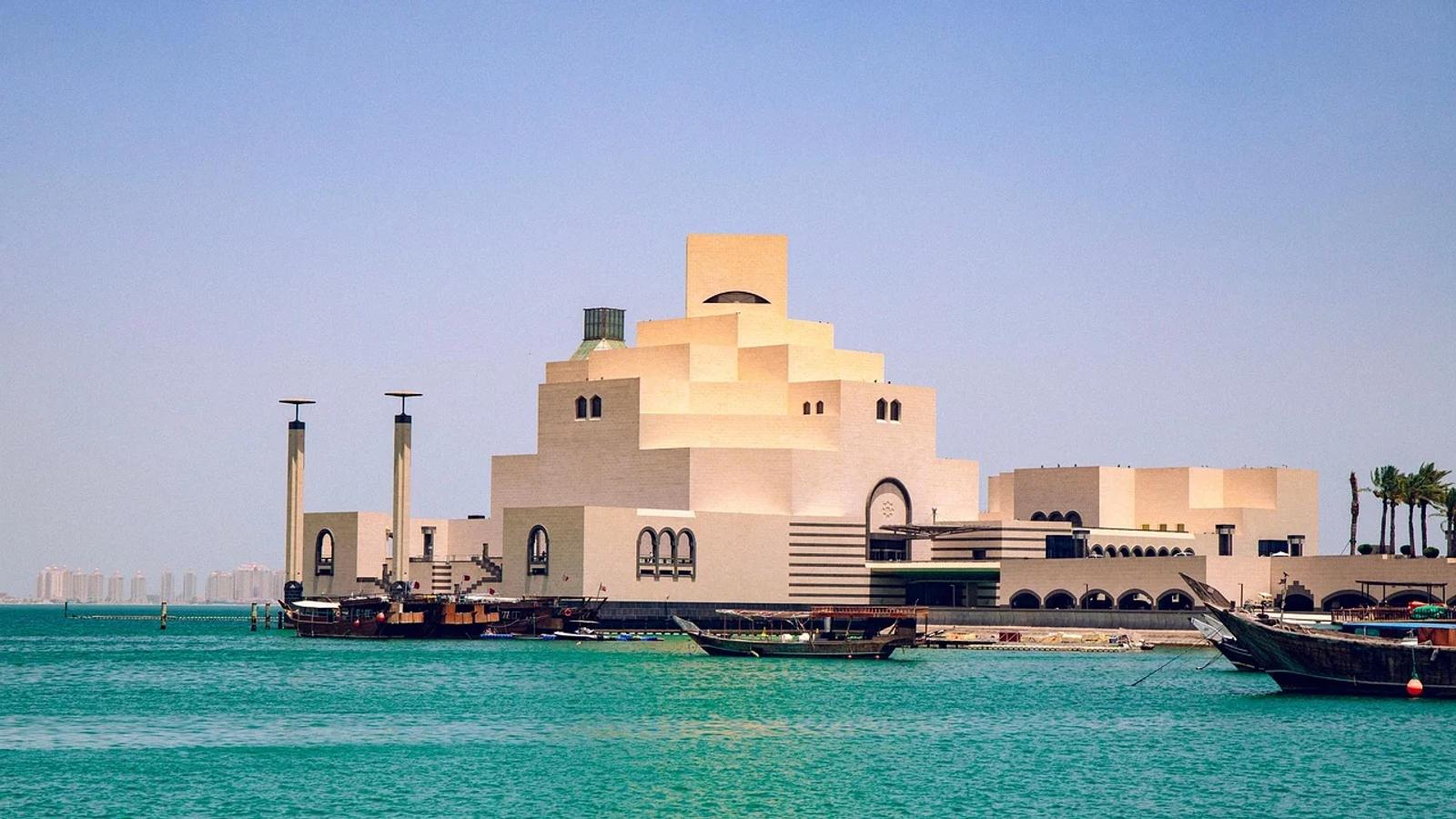
The building was designed by renowned architect I. M. Pei. Its minimalist geometric volumes are inspired by traditional Islamic architecture, while the interior centres around a dramatic atrium with sweeping staircases, polished stone and triple-height windows framing the water and skyline.
Collection and exhibitions
Across several floors you’ll find:
- Qur’ans, manuscripts and exquisite calligraphy from across the Islamic world;
- ceramics and glass from Syria, Egypt, Iran and beyond;
- textiles and carpets with intricate patterns from mosques and palaces;
- jewellery, metalwork, scientific instruments and arms, many inlaid with gold and silver.
The permanent galleries are complemented by rotating temporary exhibitions, often focusing on a particular region, dynasty or theme. Check the museum’s official “What’s On” page for current shows before you visit.
MIA Park
MIA Park turns the museum into a full half-day experience:
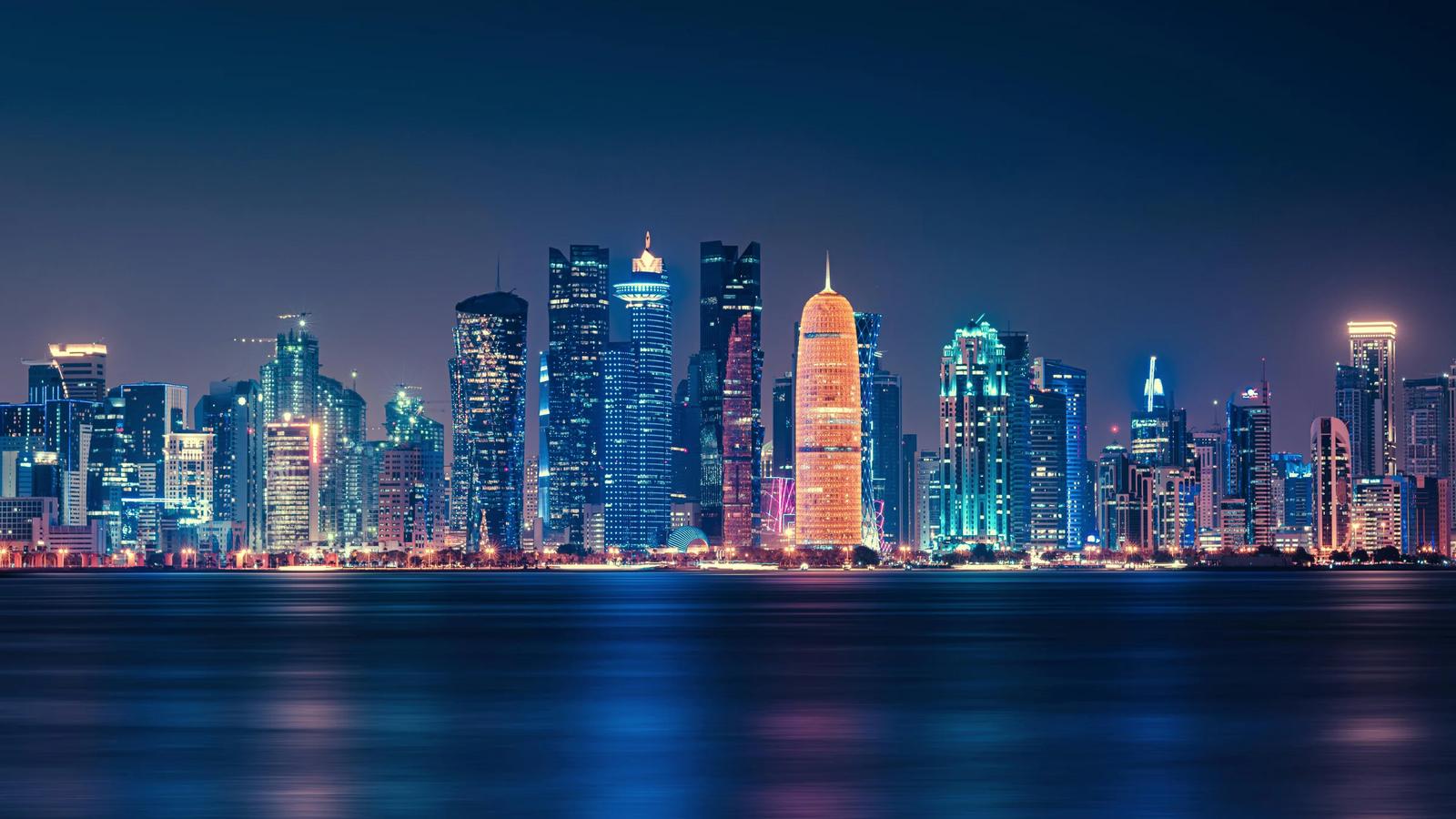
- a long waterfront promenade with postcard views of West Bay;
- playgrounds and open lawns for kids;
- outdoor cafés and kiosks;
- regular events such as film screenings, sports activities and weekend markets.
How to get to the Museum of Islamic Art
By metro
The museum doesn’t have its own station, but it’s easy to reach via the Doha Metro:
- National Museum station (Gold Line) – from here it’s roughly a 15–20-minute walk along the Corniche towards the museum.
- Souq Waqif station (Gold Line) – about 15 minutes on foot through the historic market area and then along the waterfront.
Standard metro fares are very affordable: a single ride in Standard or Family class is usually around 2 QAR, with a daily cap of about 6 QAR, so you won’t pay more than that no matter how many trips you make in a day.

By taxi or rideshare
Taxis and ride-hailing apps are plentiful in Doha. From most central neighbourhoods, rides to Museum of Islamic Art are short and reasonably priced:
- starting fare is roughly 1.9–4.1 USD;
- cost per kilometre is around 1.4–4.1 USD.
In practice, a ride from central areas like West Bay, Msheireb or around Souq Waqif to the museum will usually come to about 5–10 USD (roughly 4.5–9 €), depending on traffic.
If you plan to explore beyond the city, renting a car at Doha Airport and driving to the museum is straightforward. For comparing rental options, check Transport in Qatar.
On foot or by bike
If you’re staying near the Corniche or around Souq Waqif or Msheireb, walking to the museum is a great option in the cooler months – allow 20–30 minutes along the waterfront. In summer heat, it’s better to come early morning or in the evening and keep most walking inside air-conditioned spaces.
MIA Park sometimes hosts bike and e-scooter rentals, which are perfect for a relaxed ride along the paths.
Prices (updated: December 2025)
Always double-check latest details on the museum’s official ticketing page – special exhibitions and events can slightly change prices or conditions.
Museum of Islamic Art admission
- Adult non-resident: about 50 QAR (roughly 11.5–12 € or 13–14 USD).
- Non-resident students: around 25 QAR (about 6 € or 7 USD).
- Qatar residents and children under 16 are frequently admitted free of charge, and there are occasional free-entry days and passes.
Extras
- Audio guides and guided tours – prices vary with language and format, but expect something in the region of 30–80 QAR per person.
- Cafés and restaurants (inside the museum and in MIA Park) – coffee is roughly 3–6 USD, snacks and light meals around 7–15 USD, depending on the place.
- Travel insurance: based on current offers, a simple 7-day worldwide policy typically starts around 7–13 USD for a standard “relaxed trip” plan, with more comprehensive and sports-focused options from about 35–45 USD and up.
Everyday costs around the museum
To estimate a realistic daily budget in Doha:
- an inexpensive restaurant meal is about 4–17 USD;
- a cappuccino costs around 3–5 USD;
- a small bottle of water (0.33 l) is roughly 0.7–1.6 USD.

Planning your visit
How long do you need?
- Quick overview: 1.5–2 hours to walk through the main galleries and step out onto the terrace.
- Deeper visit: 3–4 hours if you like reading labels, exploring temporary exhibitions and having a coffee break in between.
Best time to go
- November–March: the most pleasant weather for combining indoor galleries with outdoor time in MIA Park.
- Summer: aim for opening time or evening – the museum is blissfully cool inside, but midday heat outside can be intense.
- Sunset and evening: perfect for photographs of both the building and the skyline as the lights come on.
Dress code and etiquette
While there’s no strict formal dress code, it’s best to follow local norms:
- cover shoulders and knees;
- avoid very tight or sheer clothing;
- bring a light layer – the air-conditioning can feel cool;
- photography is usually allowed in many areas, but flash and tripods are often restricted, and some galleries may prohibit photos entirely.
Practical tips
- Activate an eSIM for Qatar eSIM Qatar before landing so you can use maps and ride-hailing apps from the airport onward.
- Staying near the Corniche or Souq Waqif – book via Accommodation in Qatar – makes it easy to walk to Museum of Islamic Art.
- If you want to visit several museums in one day, look for combined tickets or tours on Tours in Qatar; many packages bundle the Museum of Islamic Art, the National Museum of Qatar and Souq Waqif in one itinerary.
- Head outside to the waterfront plaza for classic photos of the building with its reflection in the water.
- Pack a hat, sunglasses and sunscreen if you plan to spend time in MIA Park, especially in shoulder seasons when it’s pleasant but still sunny.
FAQ about the Museum of Islamic Art in Doha
Do I need to book tickets in advance?
Most of the time you can buy tickets on arrival at the museum. However, for popular temporary exhibitions, weekends and major events in Qatar, it’s smart to reserve online to avoid queues.
How much time should I plan for a visit?
If you’re short on time, 2 hours will give you a good overview. To explore at a relaxed pace, enjoy the views and perhaps combine galleries with a walk in MIA Park, plan for 3–4 hours.
Is the museum family-friendly?
Yes. The building is fully accessible, with lifts and ramps, and the surrounding park has playgrounds and plenty of space for kids to run around. Check the museum’s programme for family workshops and activities during your dates.
Is the museum open on Fridays?
Yes, but with reduced hours: typically from 13:30 to 19:00, while on other days it opens in the morning. Wednesday is the weekly closure day. Always confirm times shortly before your visit, as schedules can change due to holidays or special events.
Are there places to eat nearby?
There is a café inside the museum plus more options in MIA Park, ranging from kiosk-style bites to full meals. Within walking distance you also have many cafés and restaurants around Souq Waqif and in central Doha.
Can I combine the museum with other sights in one day?
Definitely. A popular route is to start at the National Museum of Qatar, walk along the Corniche to Museum of Islamic Art, then continue to Souq Waqif for dinner and evening shopping – all linked by metro and pleasant waterfront walks.
Summary
The Museum of Islamic Art in Doha is more than a museum – it’s a complete experience of architecture, culture, views and relaxed waterfront time. With easy access by metro and taxi, reasonable prices and a superb collection, it deserves a firm spot on any Doha itinerary, whether you’re in town for a layover or a longer stay.
Sources:
- Museum of Islamic Art – official museum information
- Qatar Museums – plan your visit & hours
You may also like
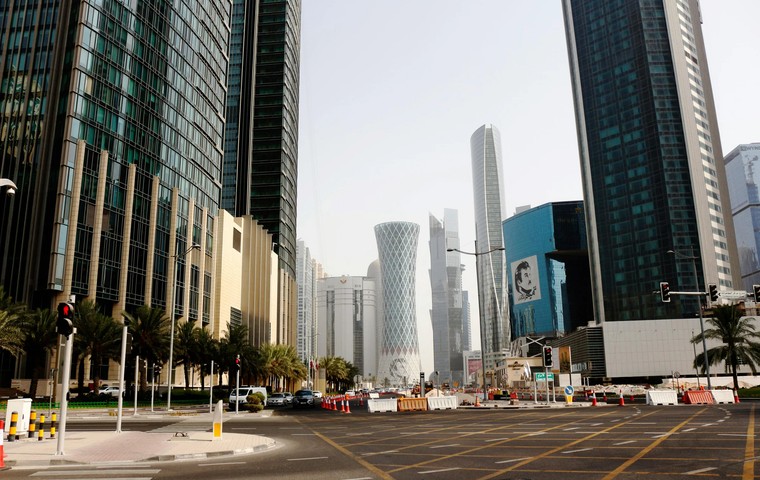
Top 20 Places in Doha: What to See in 1-5 Days
How to see Doha in 1-5 days: top 20 places, ready-made itineraries by area, museum and transport prices, dress code and safety tips.
November 27, 2025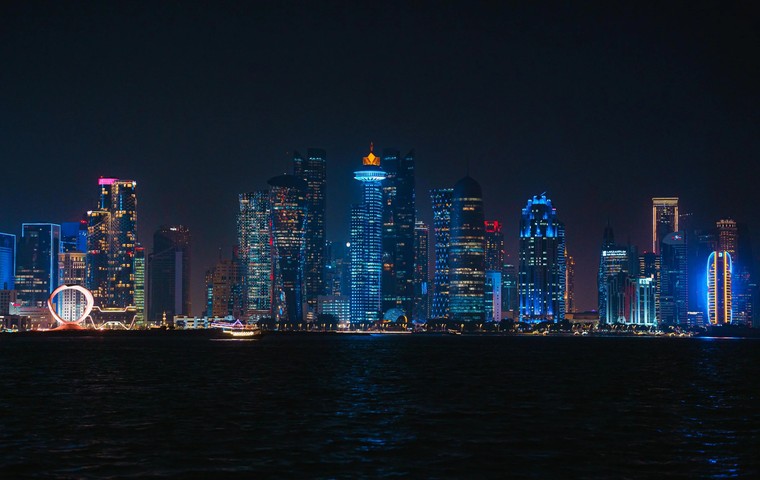
Nightlife in Doha: Where to Go After Dark – Bars, Waterfront Walks and Night Markets
A practical guide to Doha's nightlife: Souq Waqif at night, rooftop bars, hotel clubs, Corniche and The Pearl walks. Prices, dress codes and alcohol licensing rules.
February 13, 2026
Internet for Digital Nomads in Doha: Coworking Spaces, Wi-Fi Cafés and VPN Requirements
Where to work remotely in Doha: coworking spaces with prices, cafés with fast Wi-Fi, 5G mobile internet, blocked services, and VPN setup for calls in Qatar.
February 14, 2026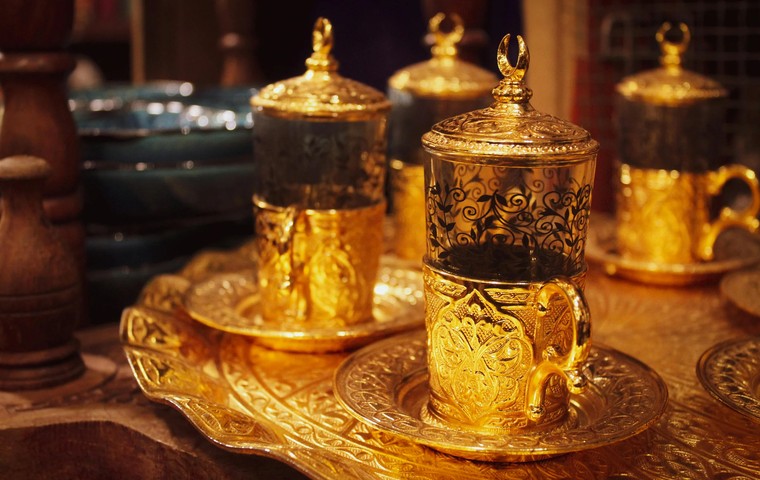
What to Bring from Qatar: Souvenirs, Gifts and Smart Buys in Doha
Practical guide to Qatar souvenirs – oud perfume, spices, pearls, dates, gold and Arabic crafts. Prices, where to shop and how to avoid overpaying at Souq Waqif in Doha.
February 24, 2026
Alcohol in Qatar for Tourists: What’s Allowed, What’s Not, and How to Stay Out of Trouble
A practical guide to alcohol rules in Qatar for tourists: where you can legally drink, what gets you in trouble, whether you can bring alcohol in, and what to expect price-wise in licensed venues.
January 23, 2026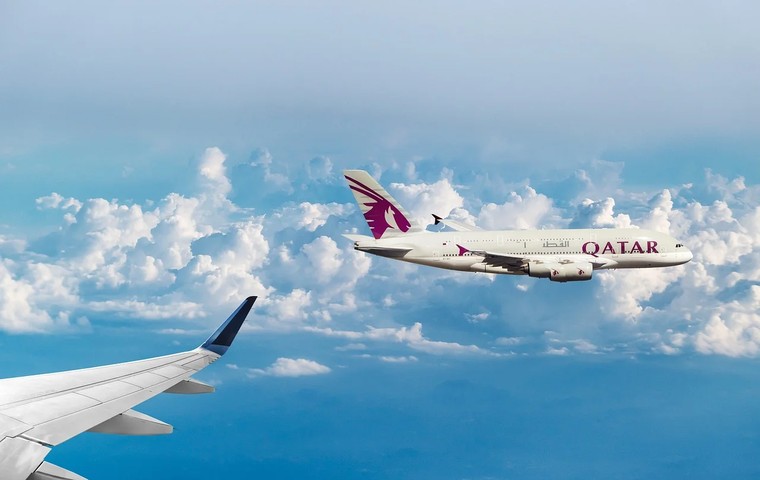
Long Layover in Doha (8–24 Hours): Step-by-Step Plan to Visit the City and Return to the Airport
How to spend a long layover in Doha: free transit visa, metro to the city, Souq Waqif, Museum of Islamic Art, and getting back to Hamad Airport on time.
February 12, 2026